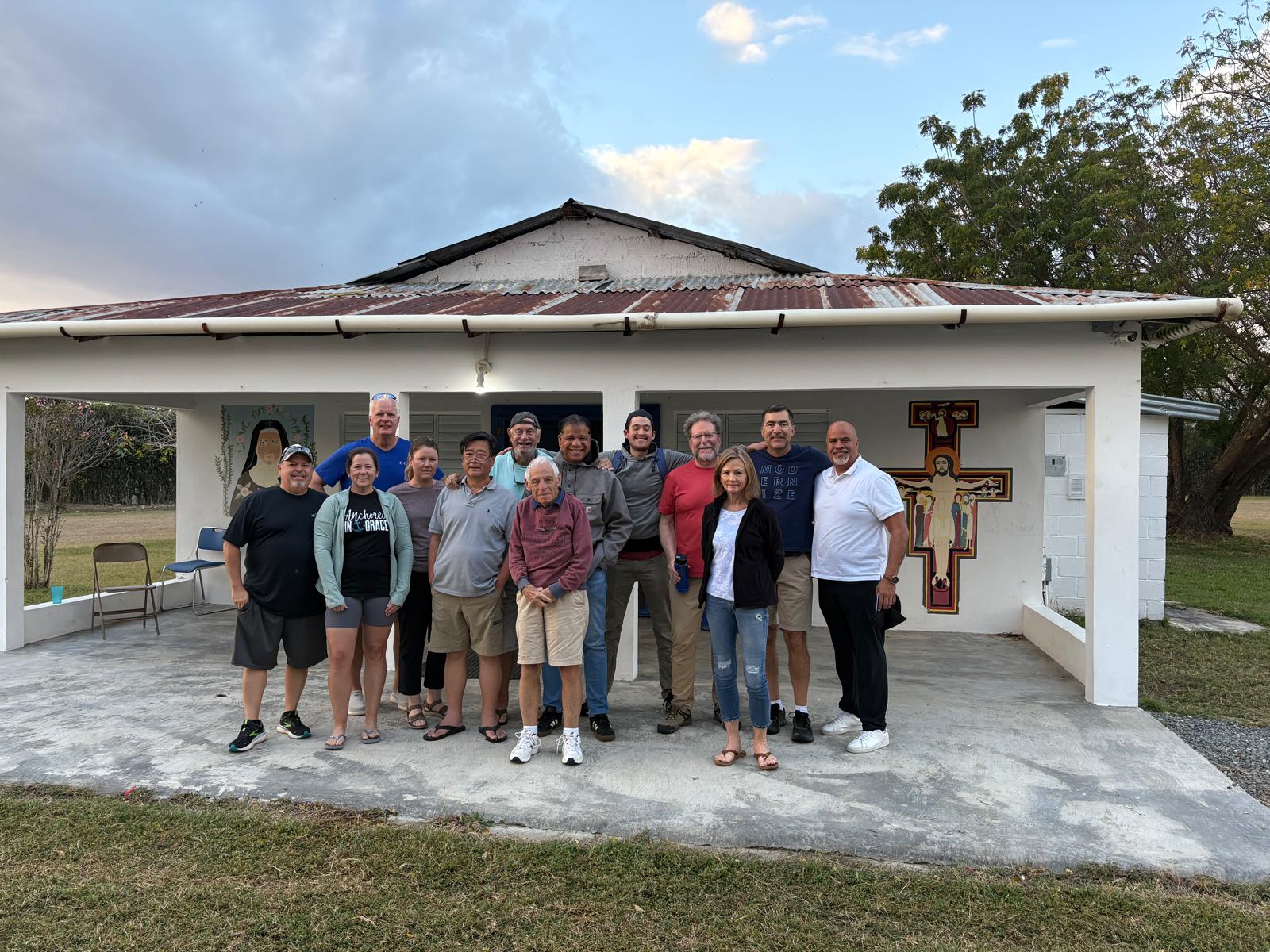
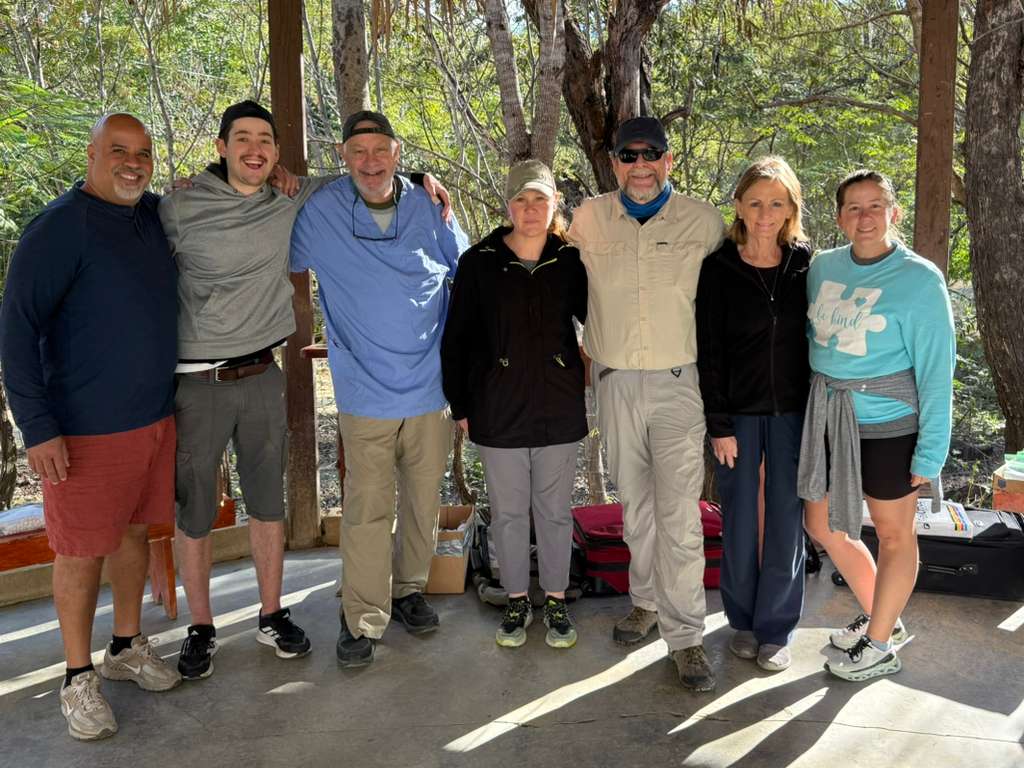
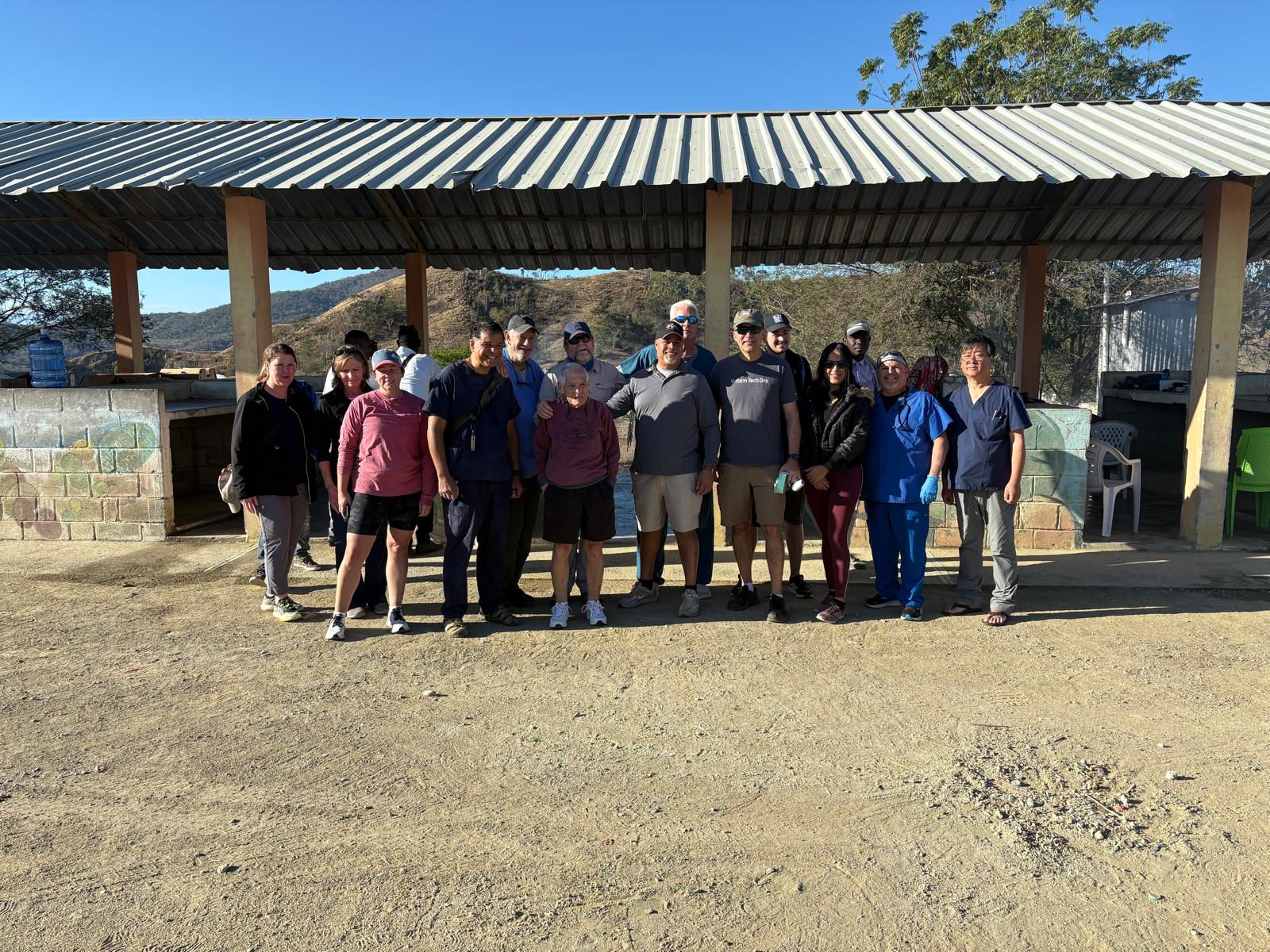
On January 29th, 2025 a team set of on a medical mission to the Dominican Republic. What began with a 4:00 AM airport scramble and a tense standoff with customs evolved into an unforgettable week of service, resilience, and deep connection in the heart of the borderlands. From the rugged, unpaved mountain passes of Bánica to the bustling open-air marketplaces of Los Cacaos, our team of doctors and volunteers navigated logistical hurdles and tropical heat to bring care to those who need it most.
Through the stories and photos below, we invite you to join us on the journey—one that spanned five remote villages, crossed international borders, and ultimately reached over 1,000 patients in just six days.
Mission Trip
Jan 29th - Flying to the DR
Our journey began in the quiet, early hours at Dulles International Airport, where the team gathered at 4:00 AM to navigate the first leg of our mission. Despite a few minor technical hurdles at check-in, we were cleared and ready at the gate shortly after. A quick flight brought us to Newark for a brisk, cold transfer between terminals—a sharp contrast to the tropical weather awaiting us. By the time we boarded our final flight to Santo Domingo, the energy was high, and three hours later, we stepped off the plane into the welcoming 80-degree warmth of the Dominican Republic.
The transition through the airport required a bit of strategy to ensure our supplies moved smoothly. While many of the team members were able to pass through passport control and customs without incident, we did encounter a significant delay with our equipment. Despite our best efforts to coordinate the arrival, five of our bags—containing both over the counter and prescription medicines —were held by customs for further processing. We successfully cleared eight bags, and while the temporary loss is a challenge, we remain optimistic as we work through the necessary paperwork to retrieve the remaining gear.
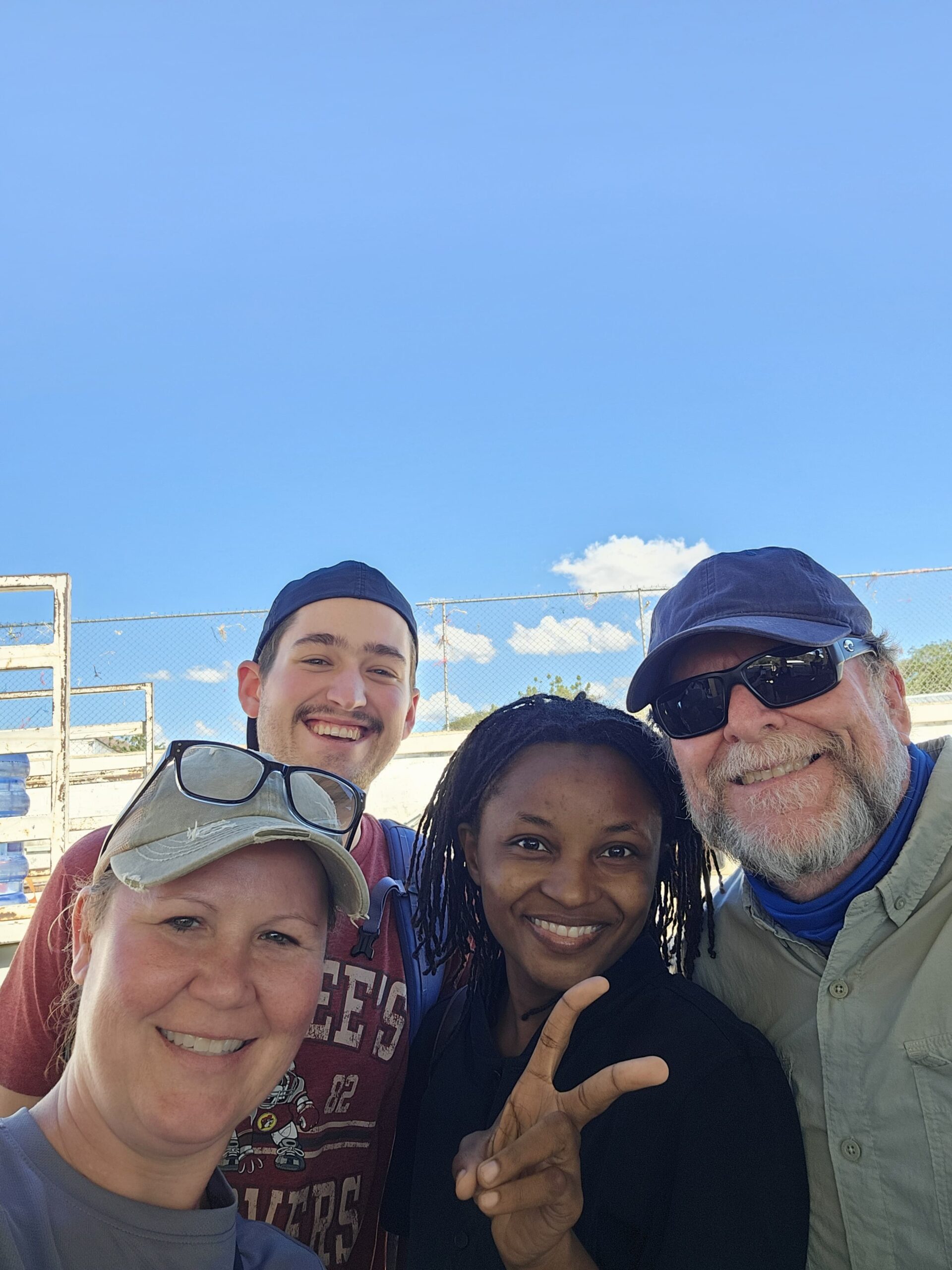
As evening falls, most of the group is making the long drive to Bánica. Two of us remain in Santo Domingo to coordinate the recovery of our bags with the help of local contacts. We are incredibly grateful for the support of Fr. Pedro Mateo and others on the ground who are helping us navigate the local logistics. With one more team member arriving tonight, we hope to have our full crew and all of our equipment reunited by tomorrow morning so we can begin our work in earnest.
Jan 30th - Retrieve bags
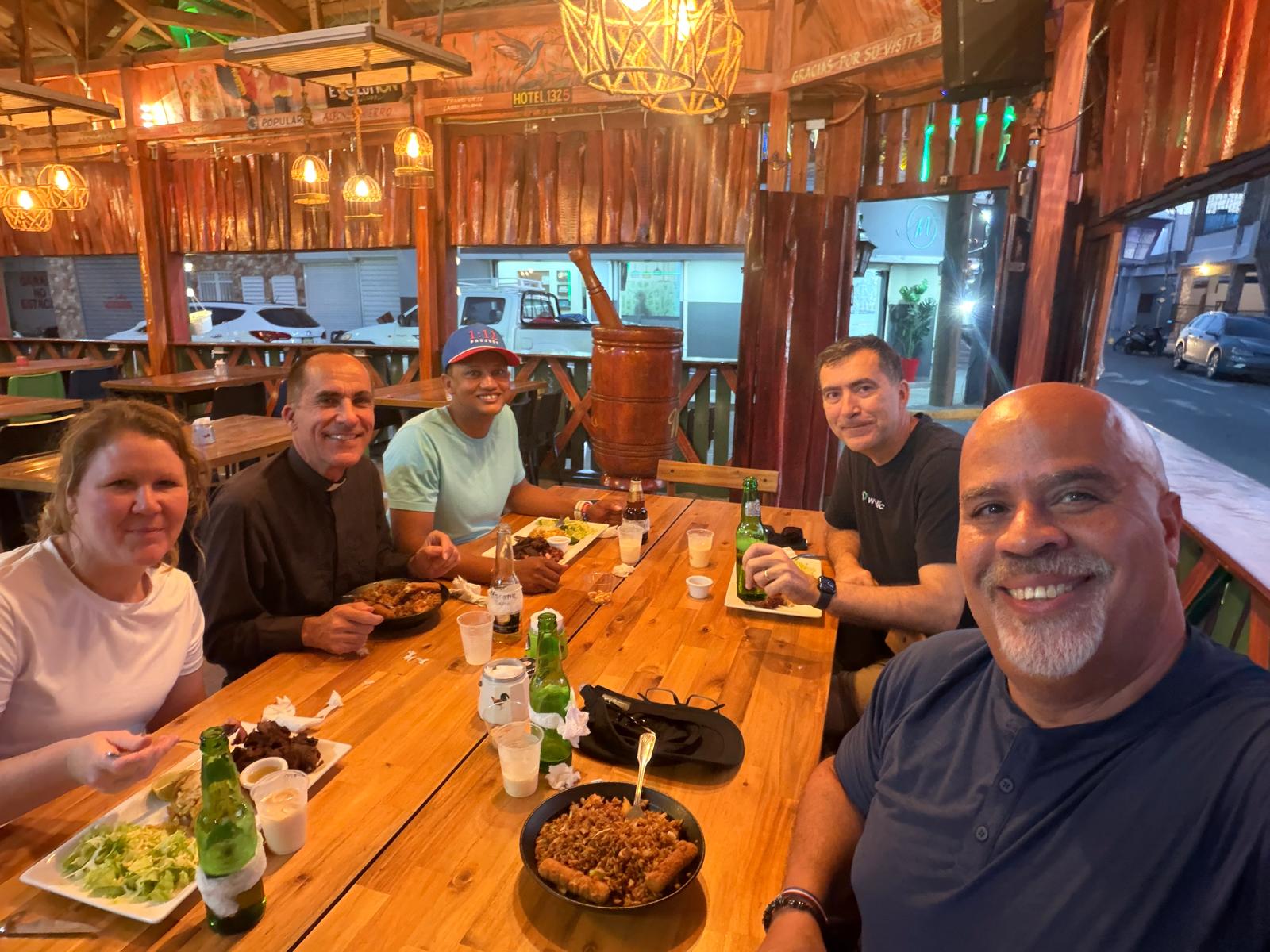
The day began with a renewed sense of hope. After a late-night arrival, our final team member joined us for breakfast, marking the first time the entire group was together on the ground. We shared a few laughs over local fruit and southern traditions before diving into the day’s primary mission: navigating the complex logistics of customs to recover our held equipment.
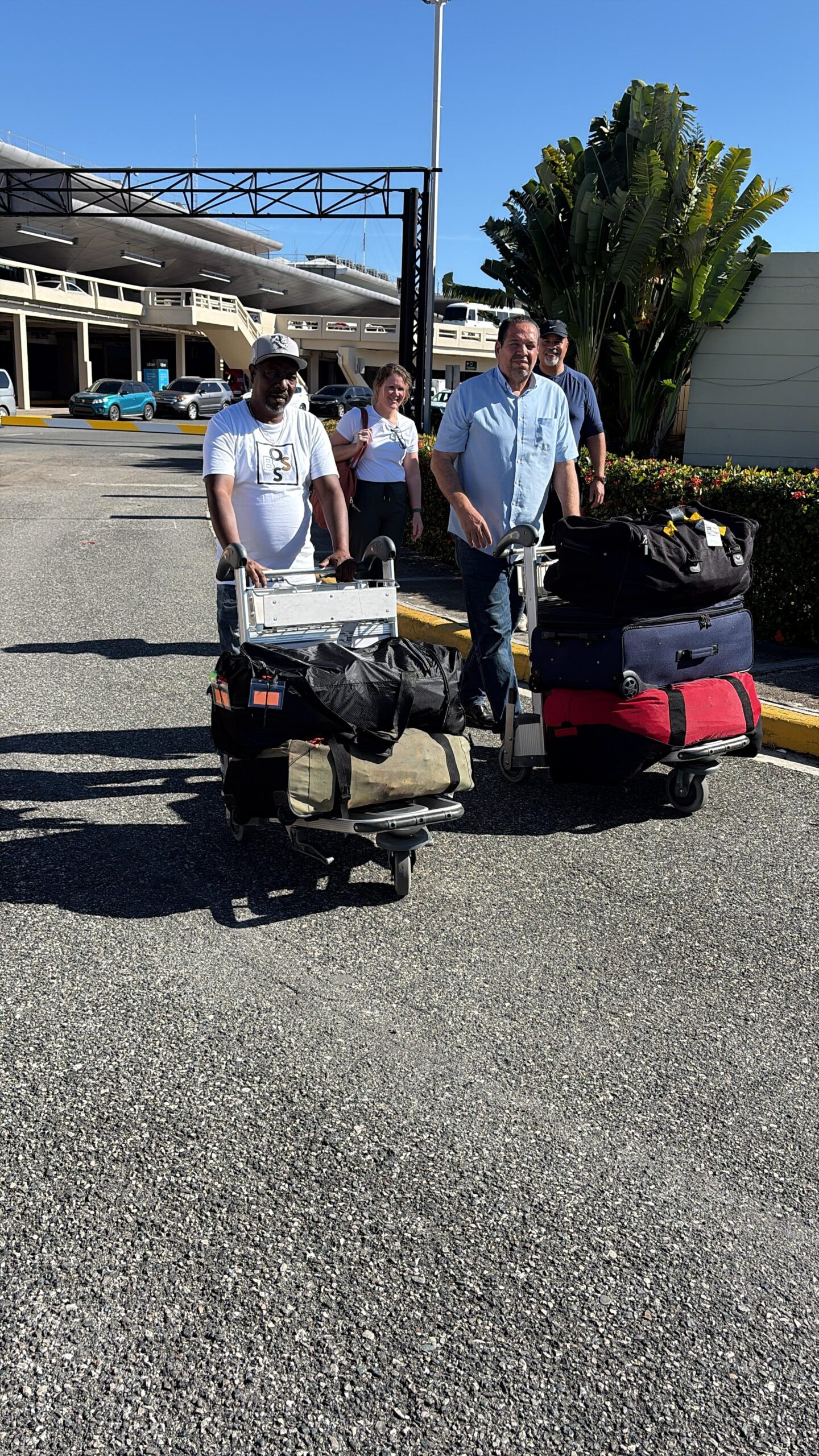
By mid-morning, we were at the airport working through the necessary channels to clear our supplies. The process required us to secure a temporary importer license and undergo an inspection by the health department. Once we had the license, the health department official checked for to make sure that our medications met all expiration requirements. Despite the scrutiny—and a humorous moment clarifying that our open bottles of sunscreen were for personal use rather than distribution—we successfully cleared the hurdles. By mid-afternoon, we finally walked out of the airport with every bag in hand.
The journey from Santo Domingo to Bánica was an adventure in its own right. Navigating the “organized chaos” of Dominican traffic requires a stout heart and an expert driver, and we experienced both as we pushed westward. While the long hours on the road eventually took their toll on our weary joints, the elation of having our gear kept our spirits high. We finally rolled into the Center late that night to a warm welcome from the rest of the team. With the bags secured and the full crew reunited, we are finally ready to begin the work we came here to do.
Jan 31st - Sabana Higuero
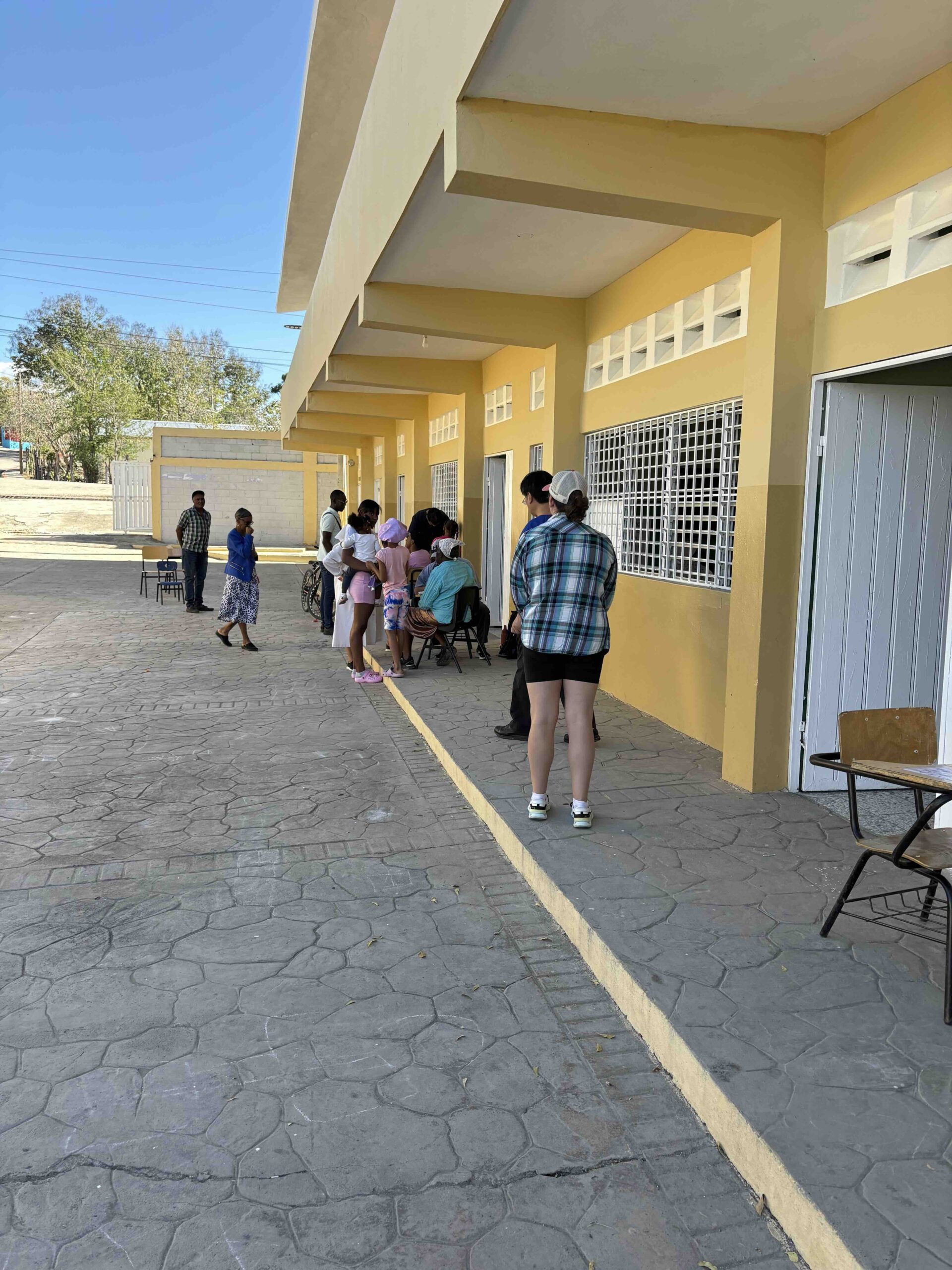
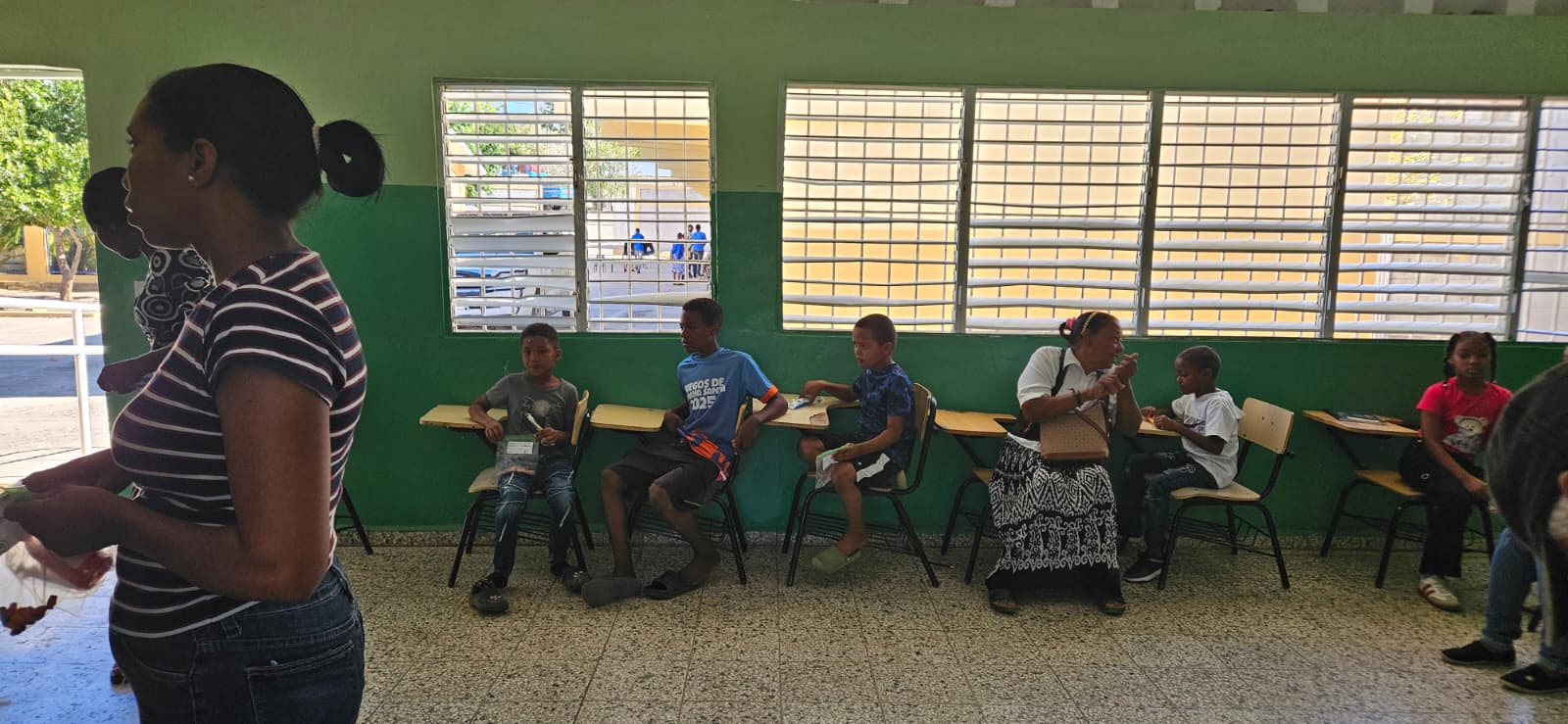
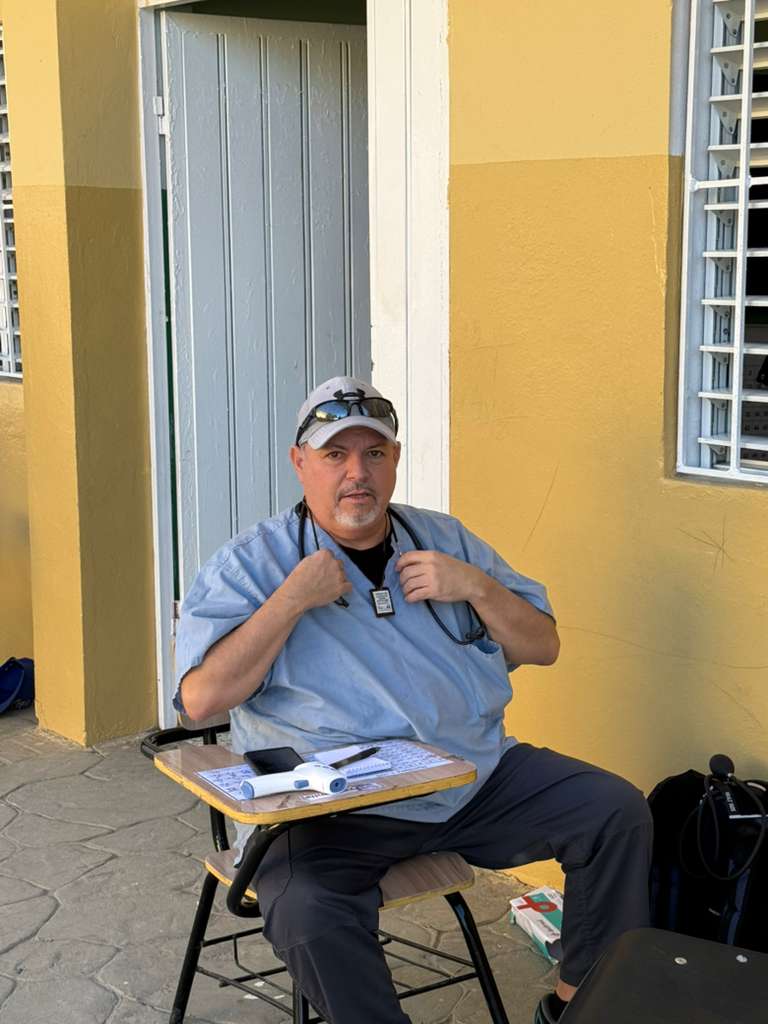
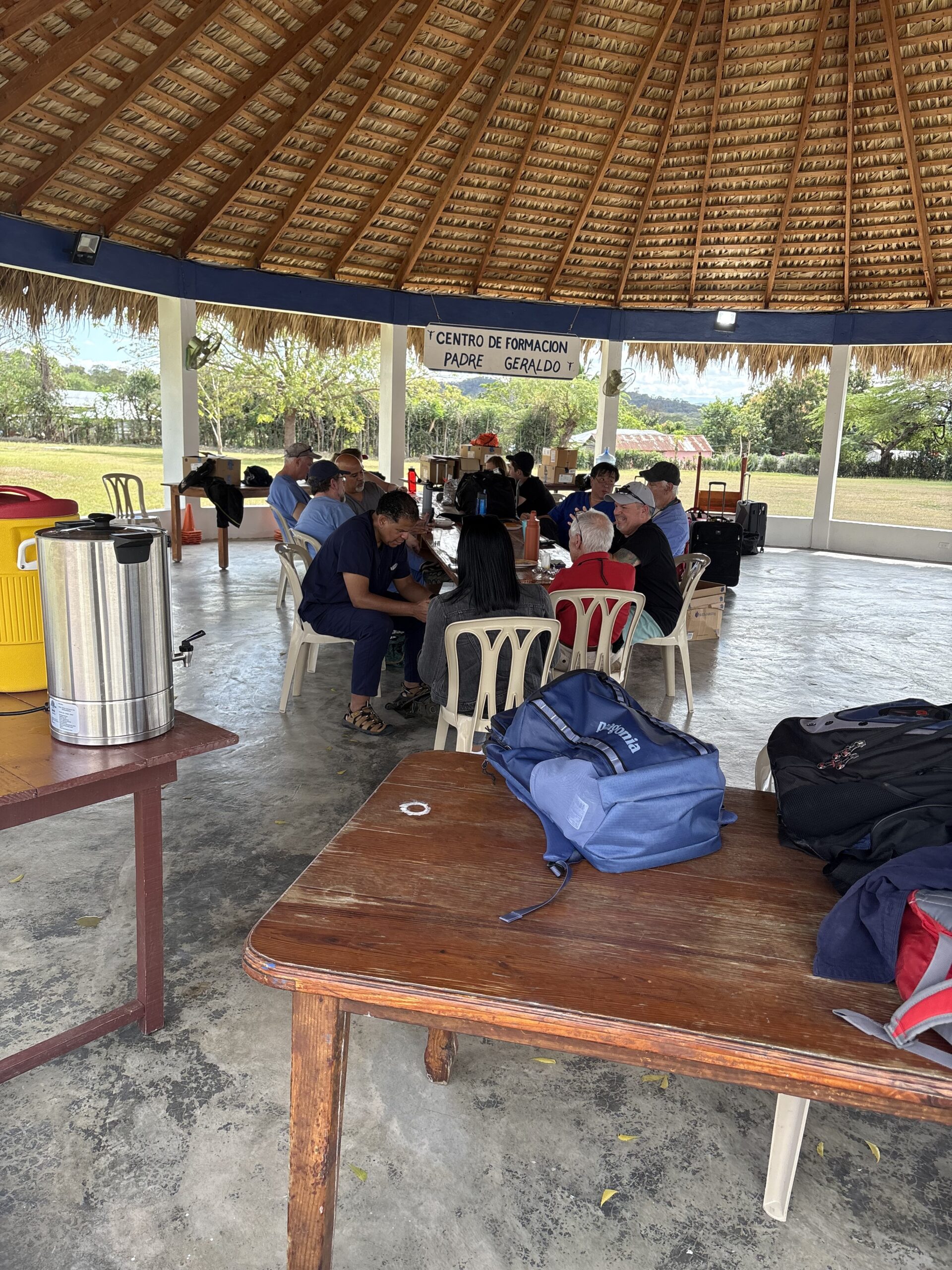
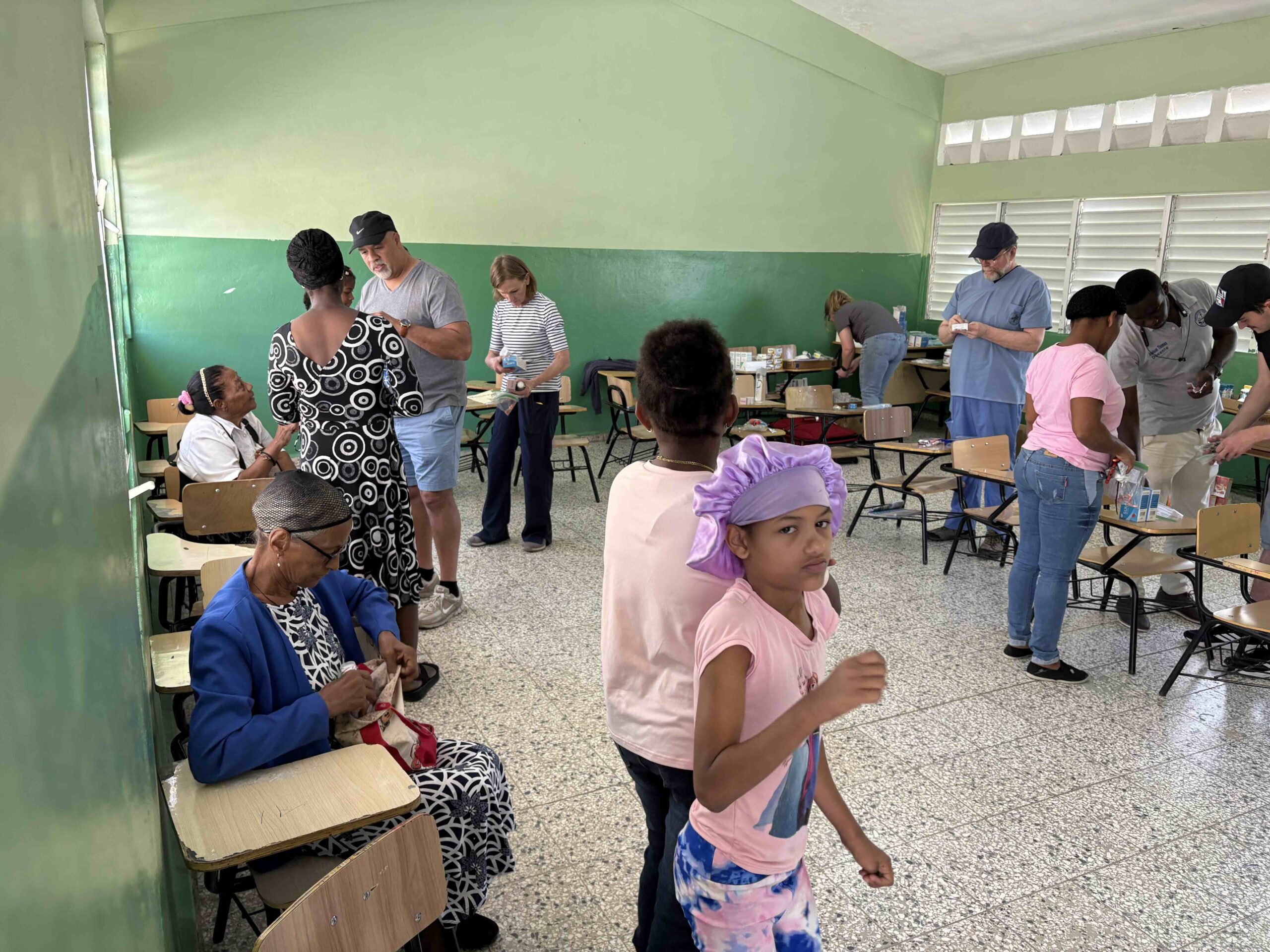
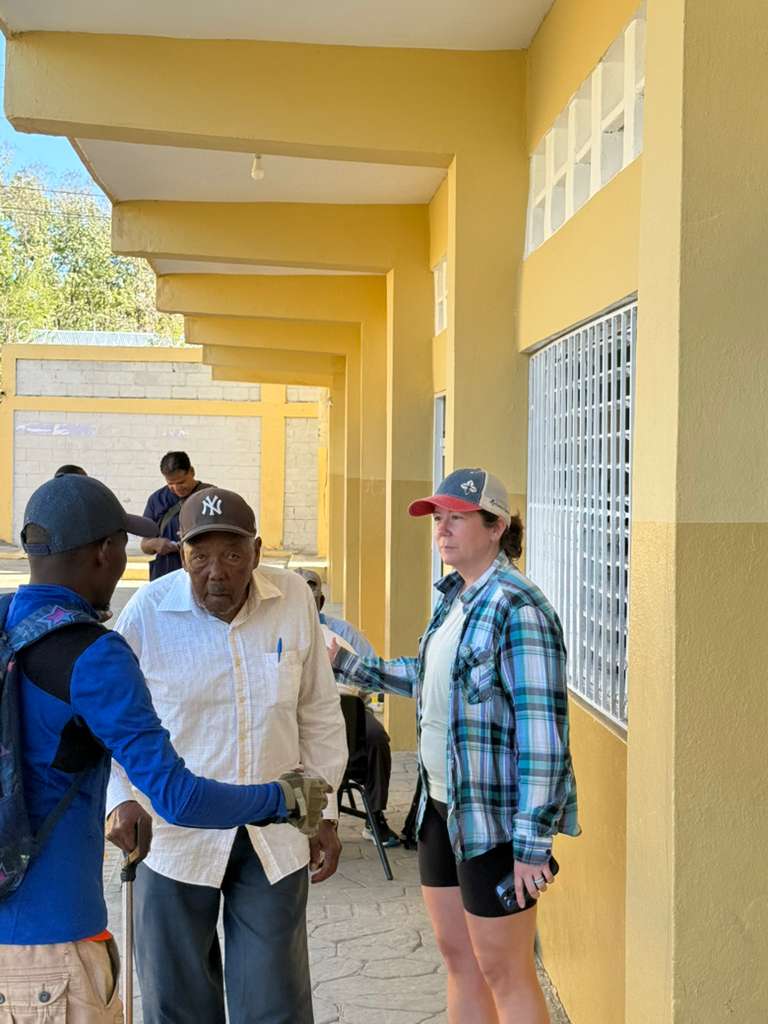
The mission work officially began with an early start, a hearty breakfast, and—most importantly—plenty of coffee. By 8:30 AM, the team was loaded into the vehicles and heading out to Sabana Higuero to set up our first mobile clinic. The energy was high as we transitioned from the logistics of travel to the heart of our mission: providing healthcare to the community.
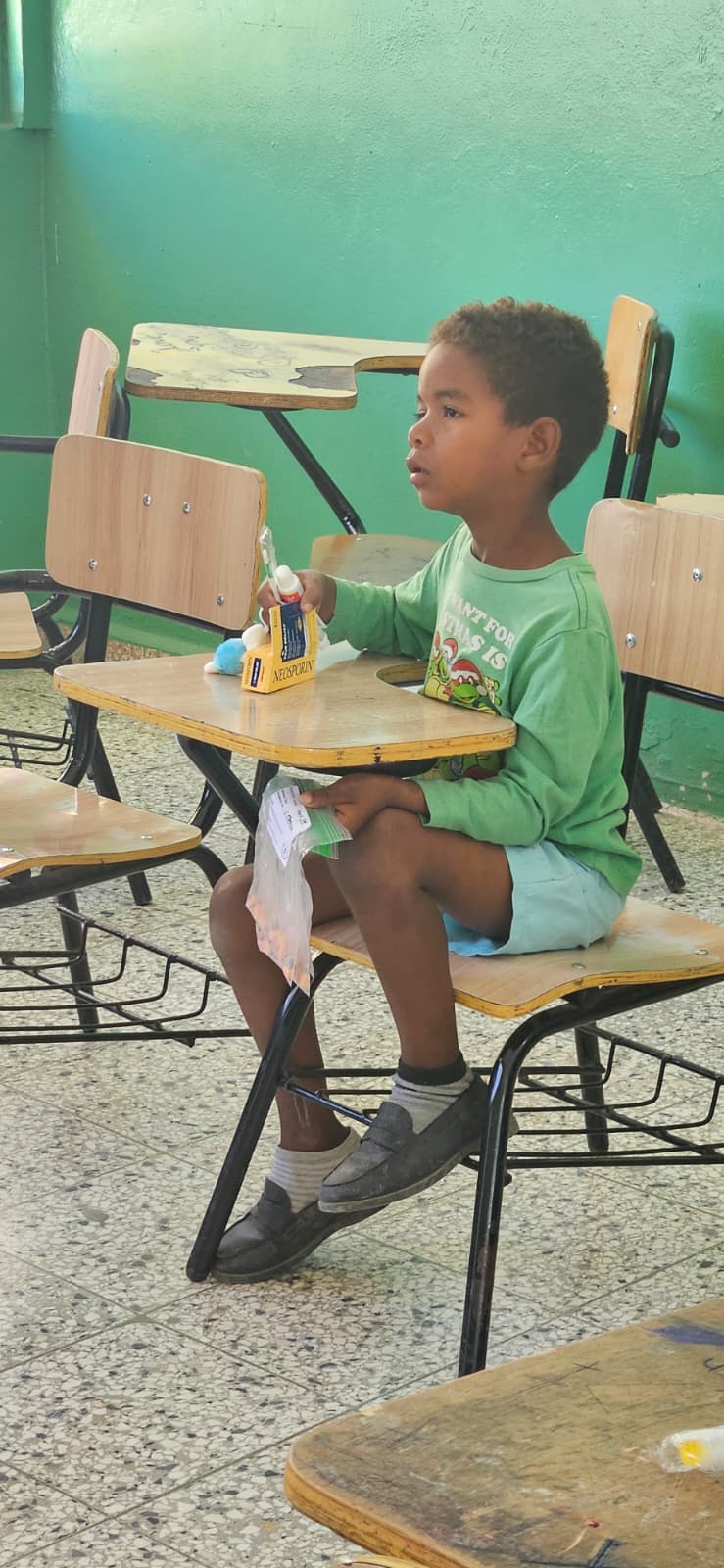
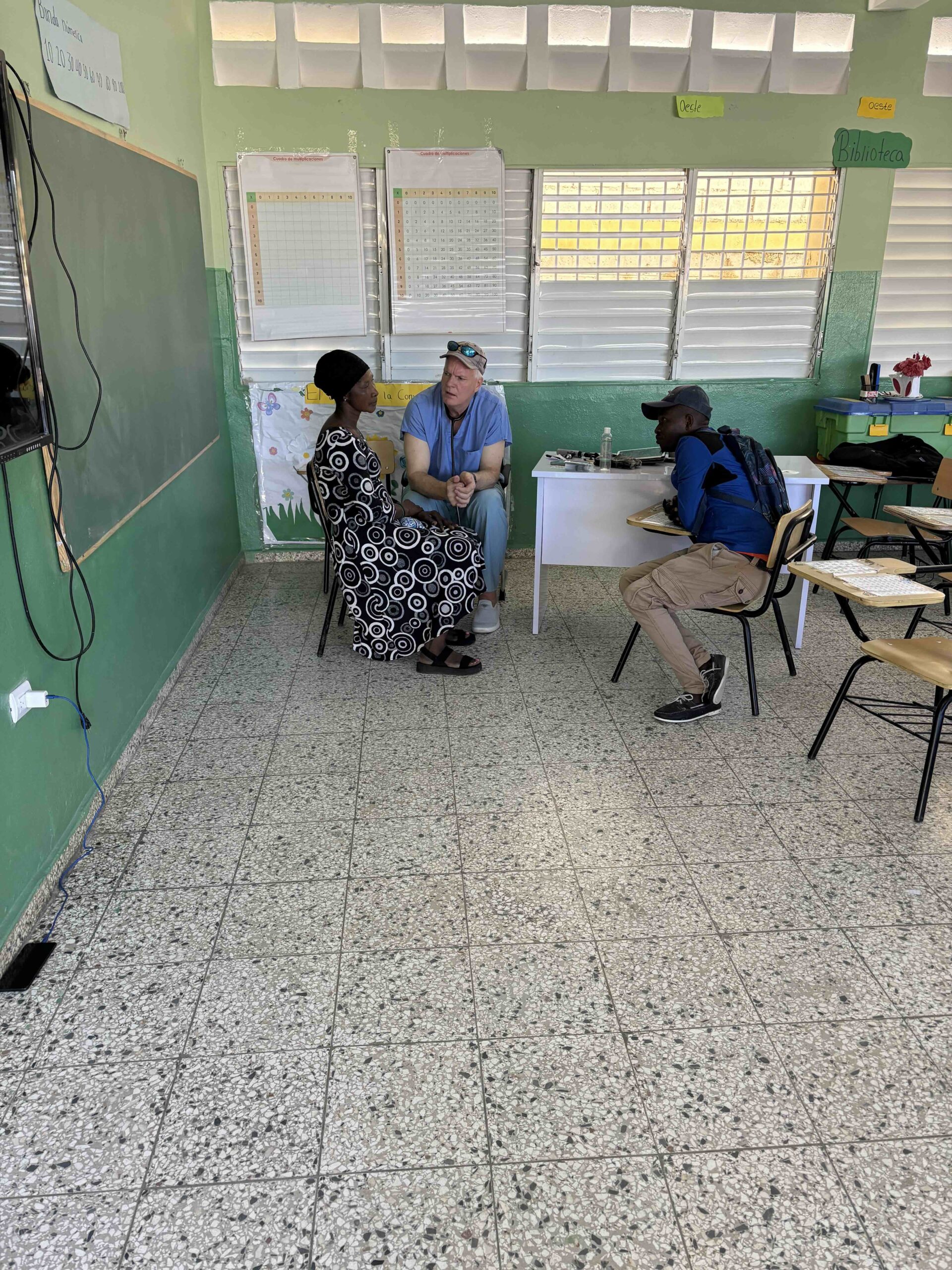
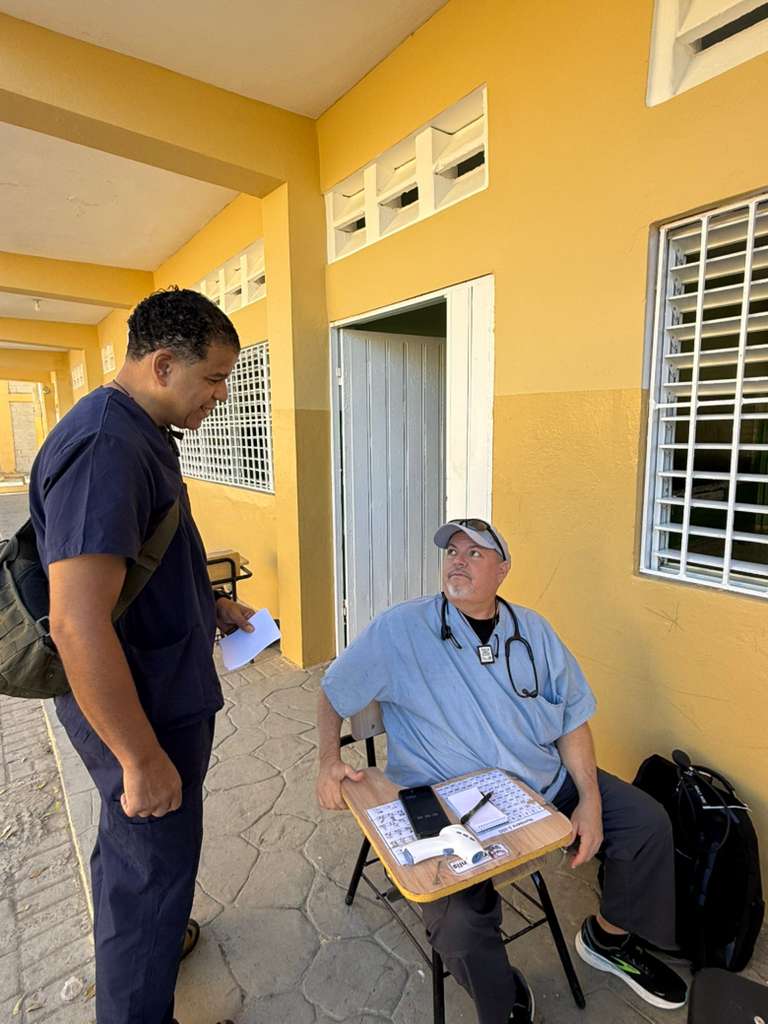
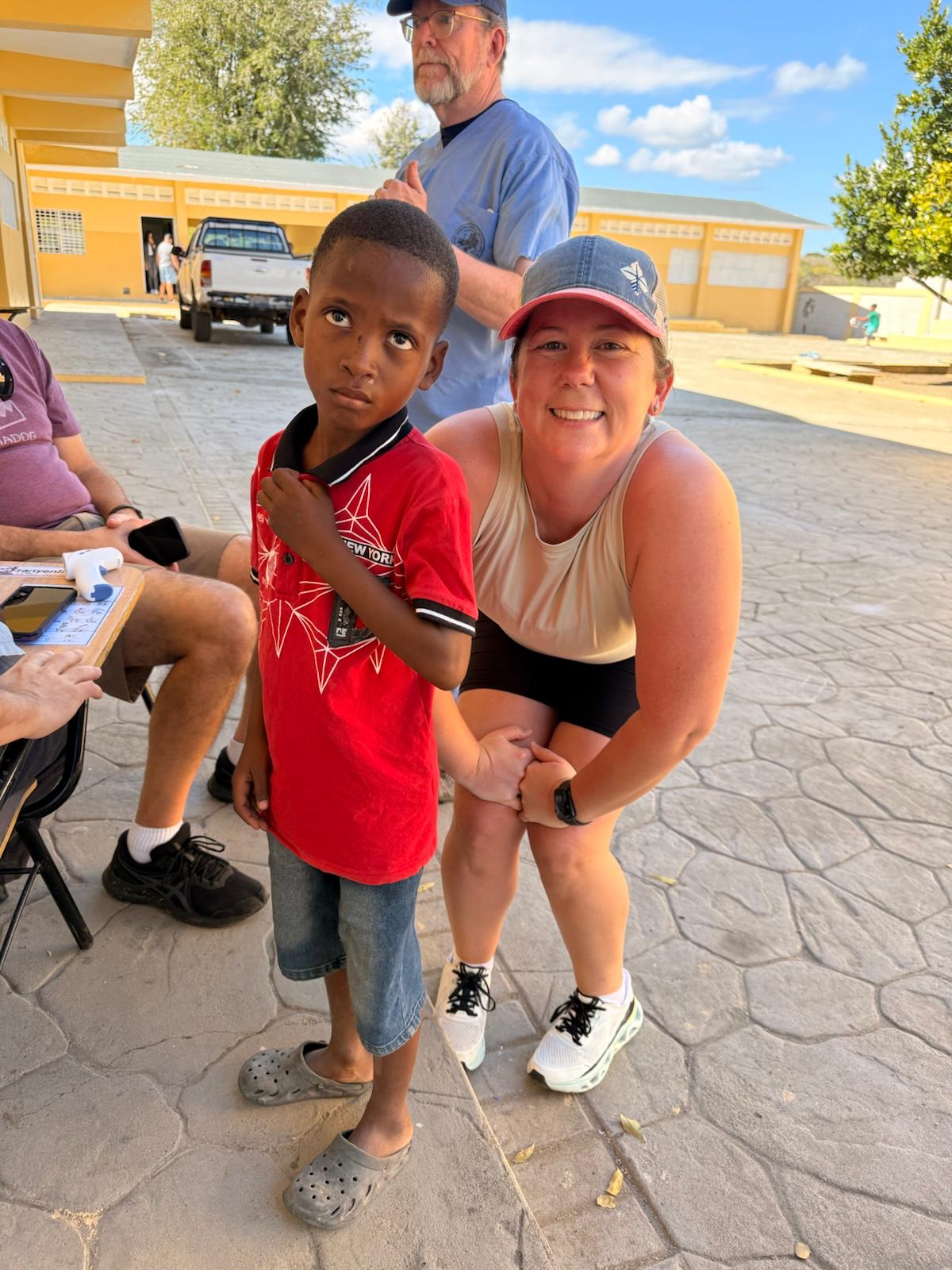
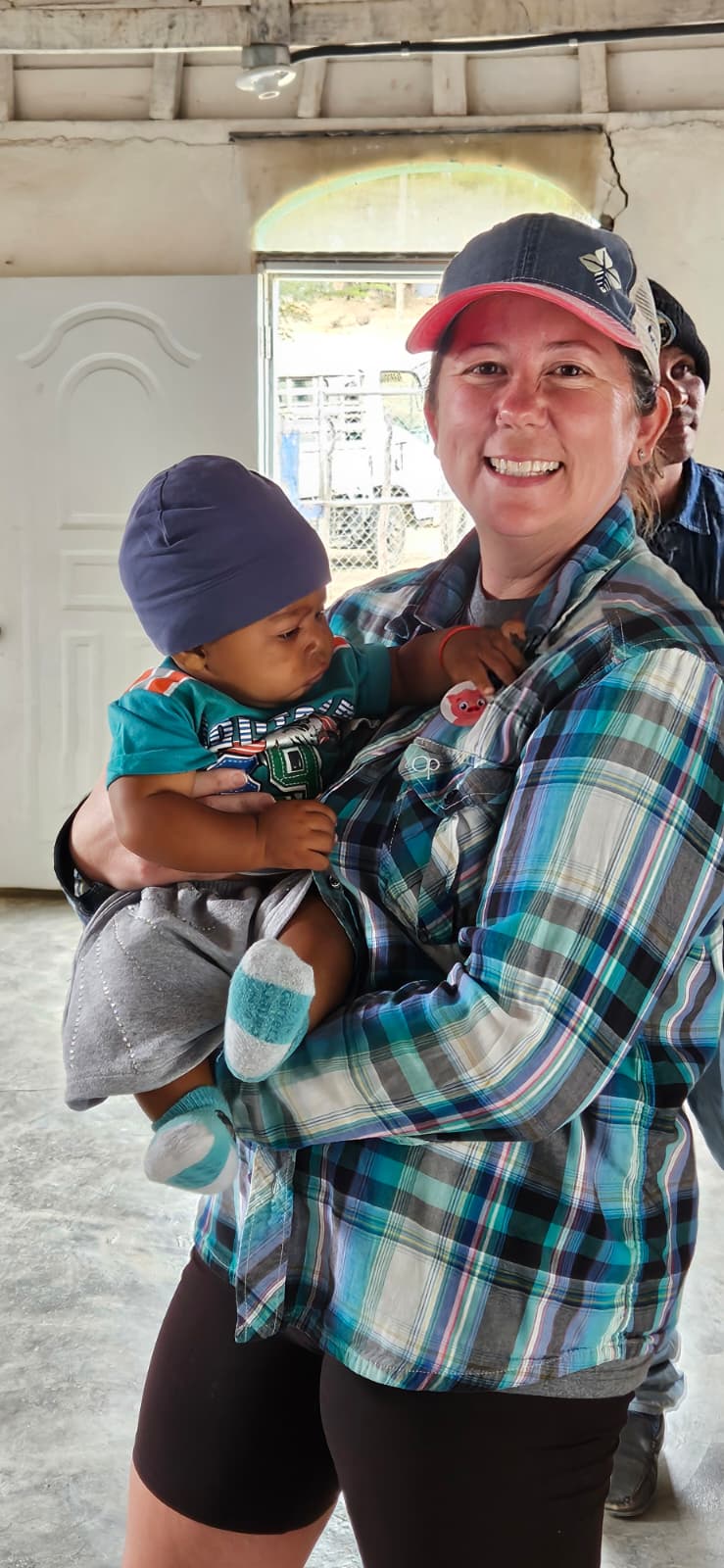
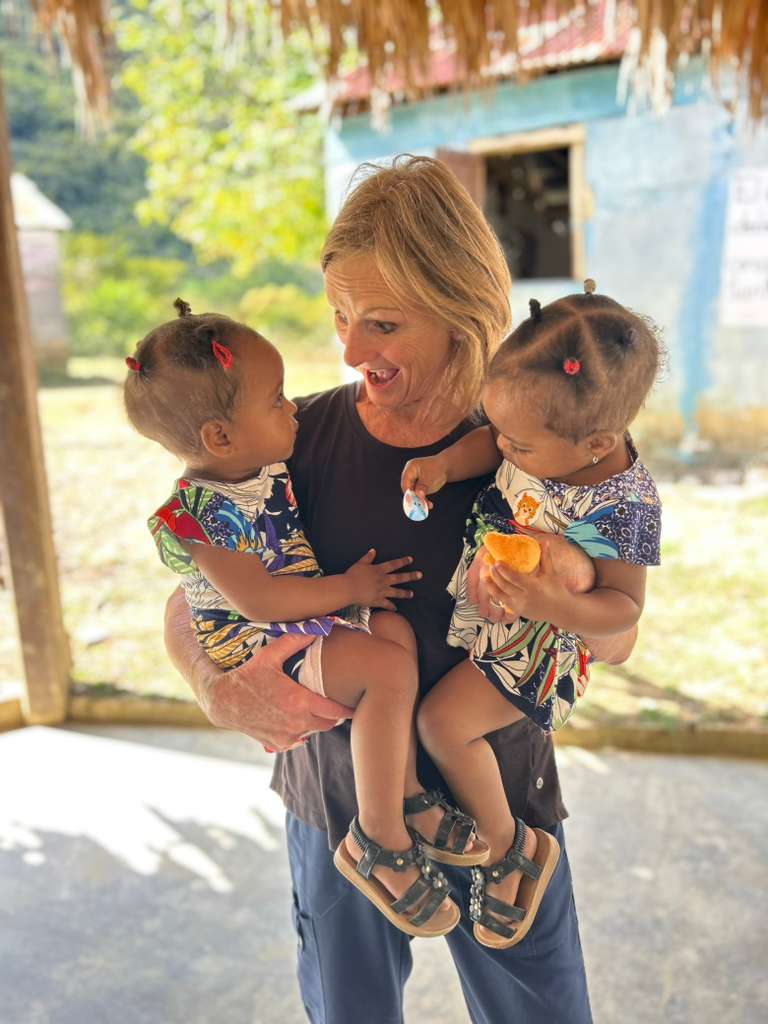
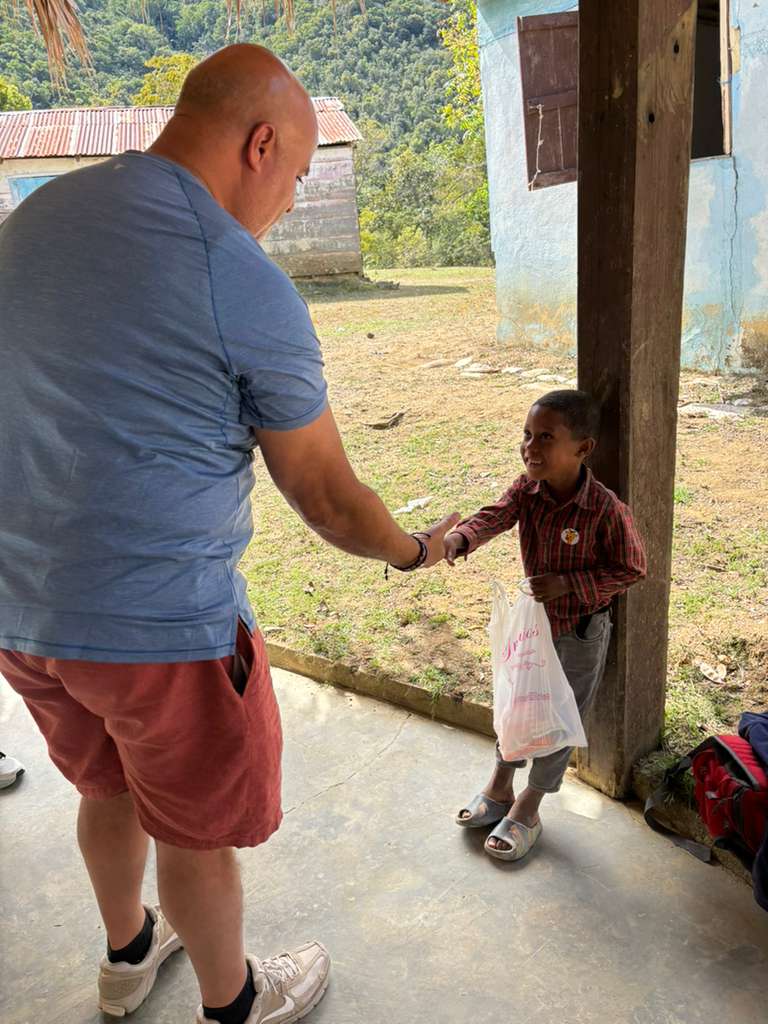
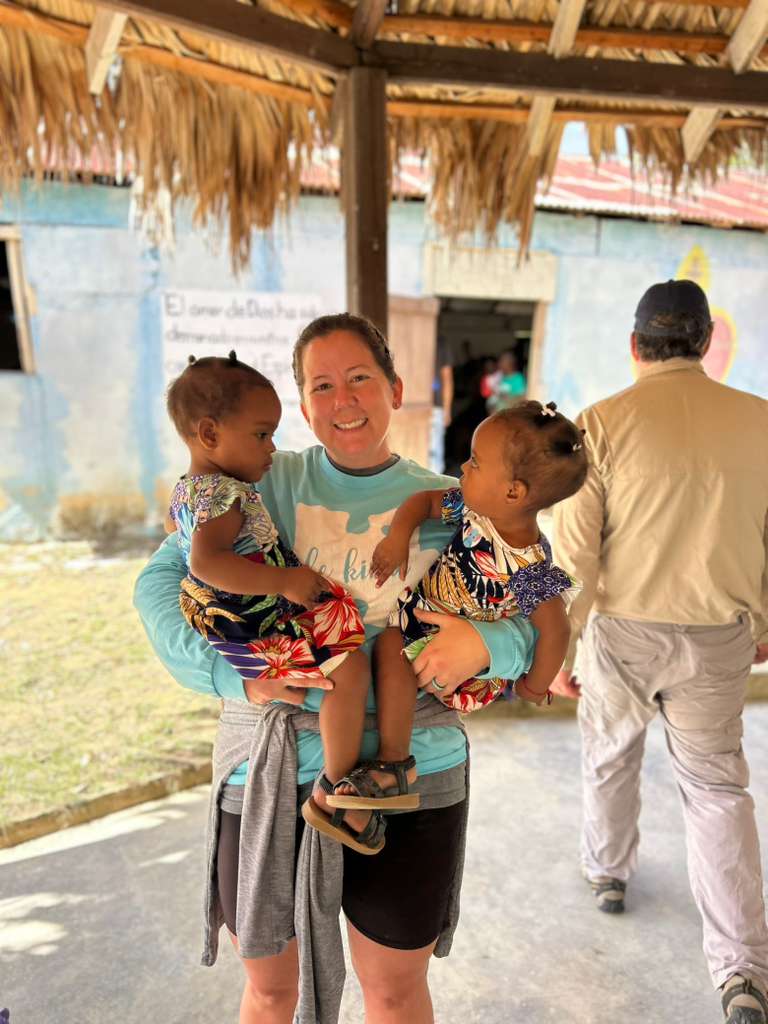
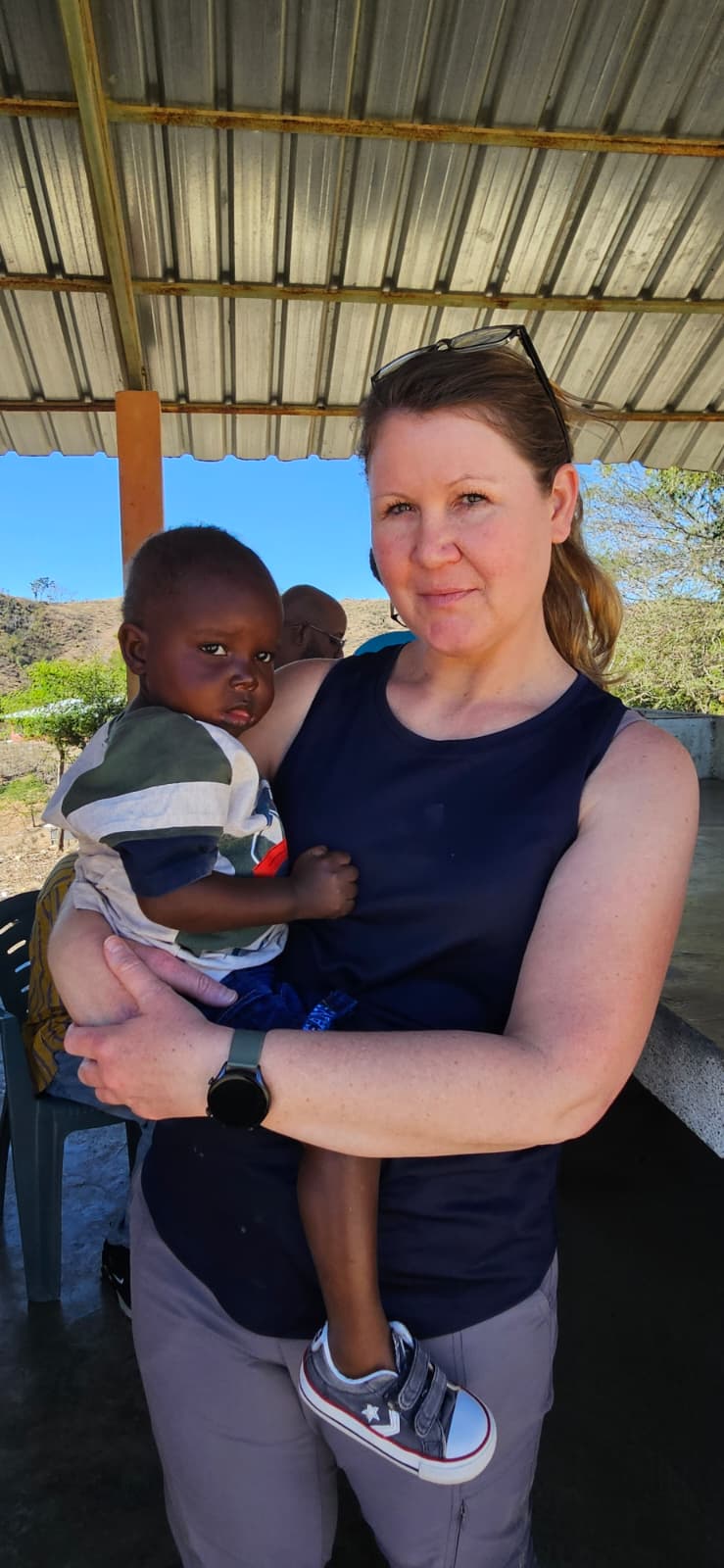
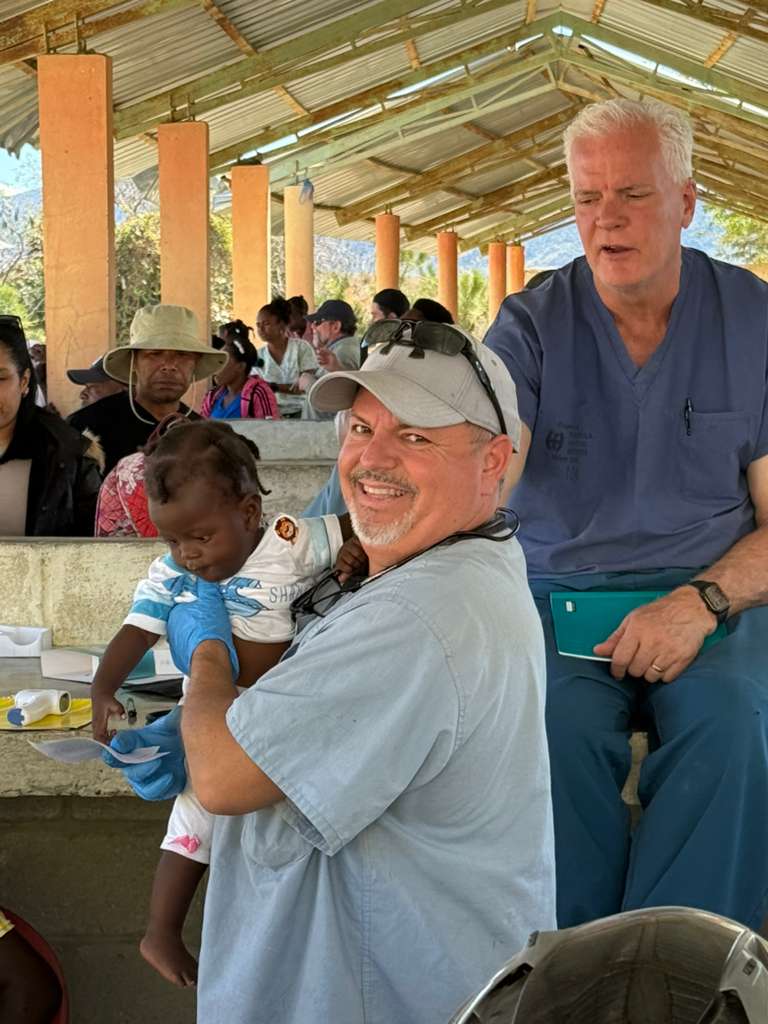
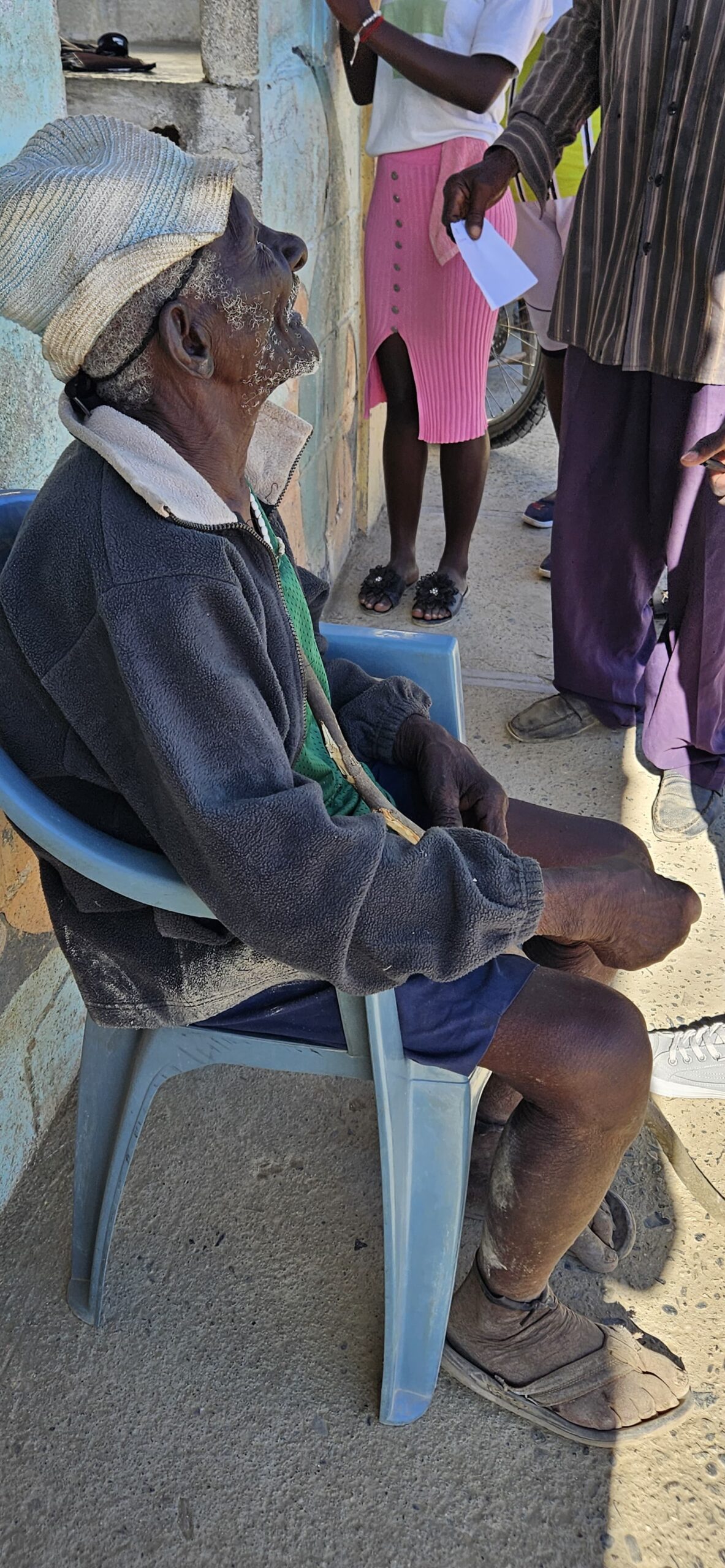
Our first session was a whirlwind of activity, serving 55 patients in just three hours. The clinic saw a remarkable range of people, with ages spanning from one-year-old toddlers to elders claiming to be 94 (though we suspect a few might have been rounding up for effect!). It was a successful and deeply rewarding morning that left the medical team energized and eager to reach even more people in the villages to come.
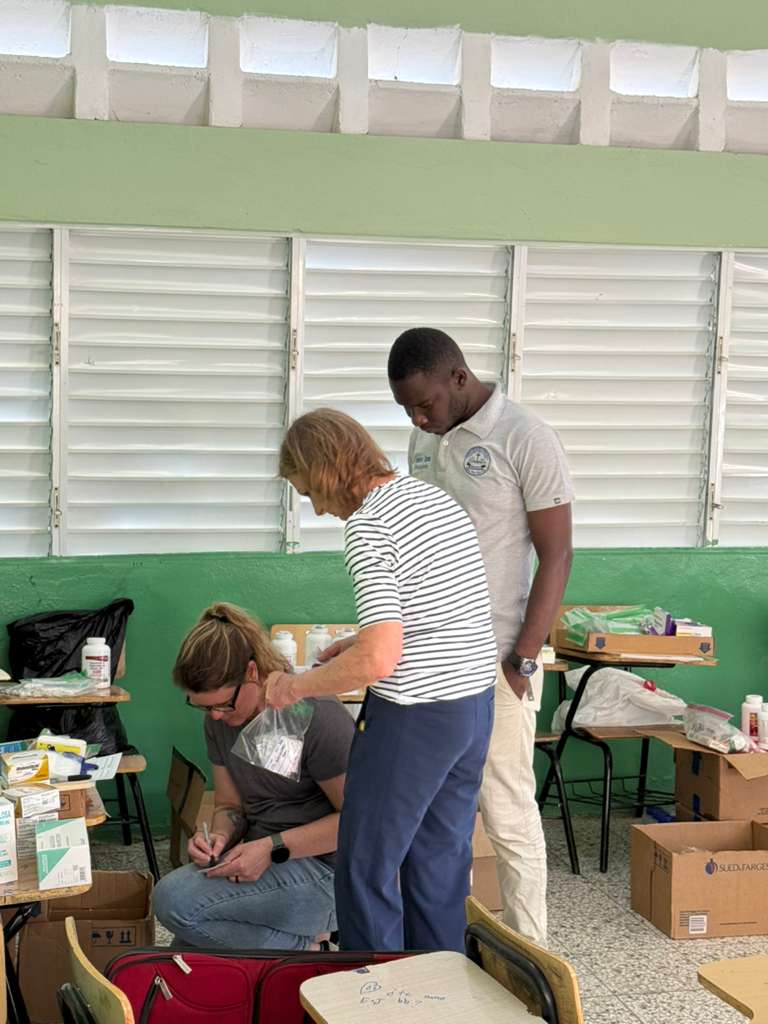
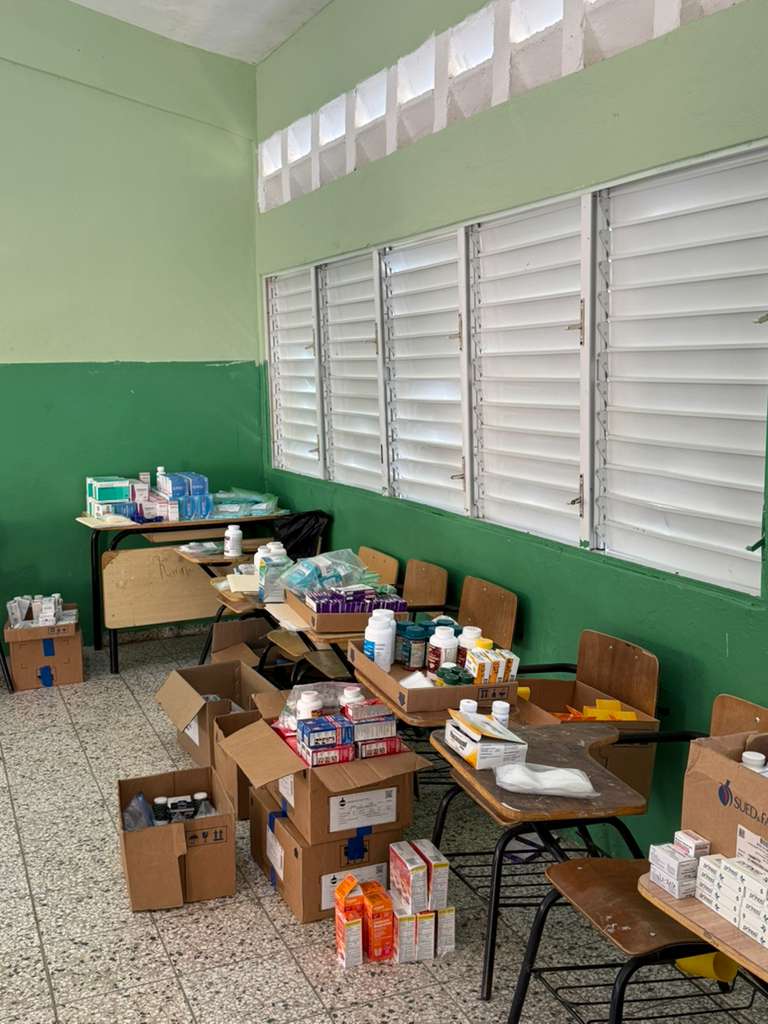
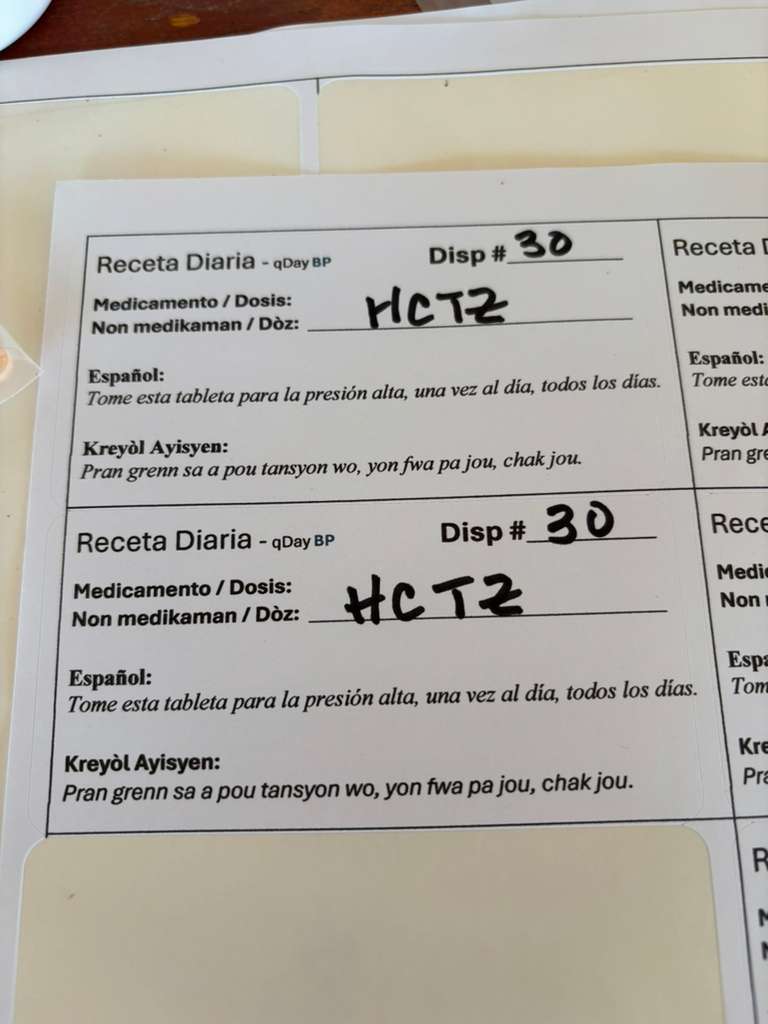
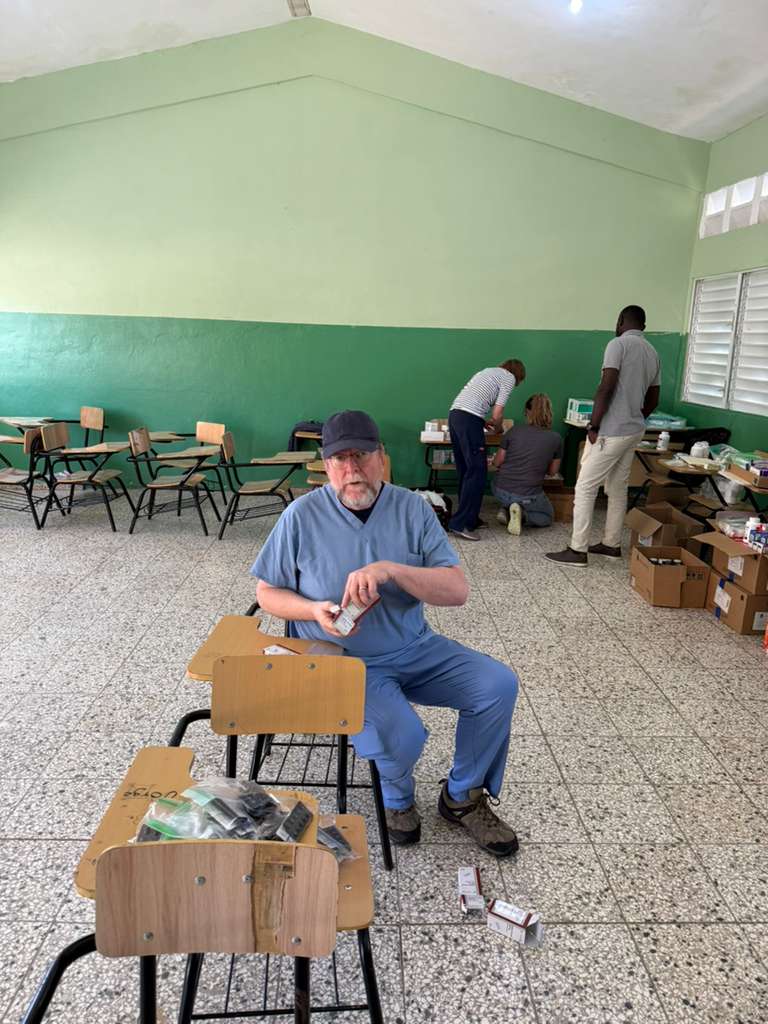
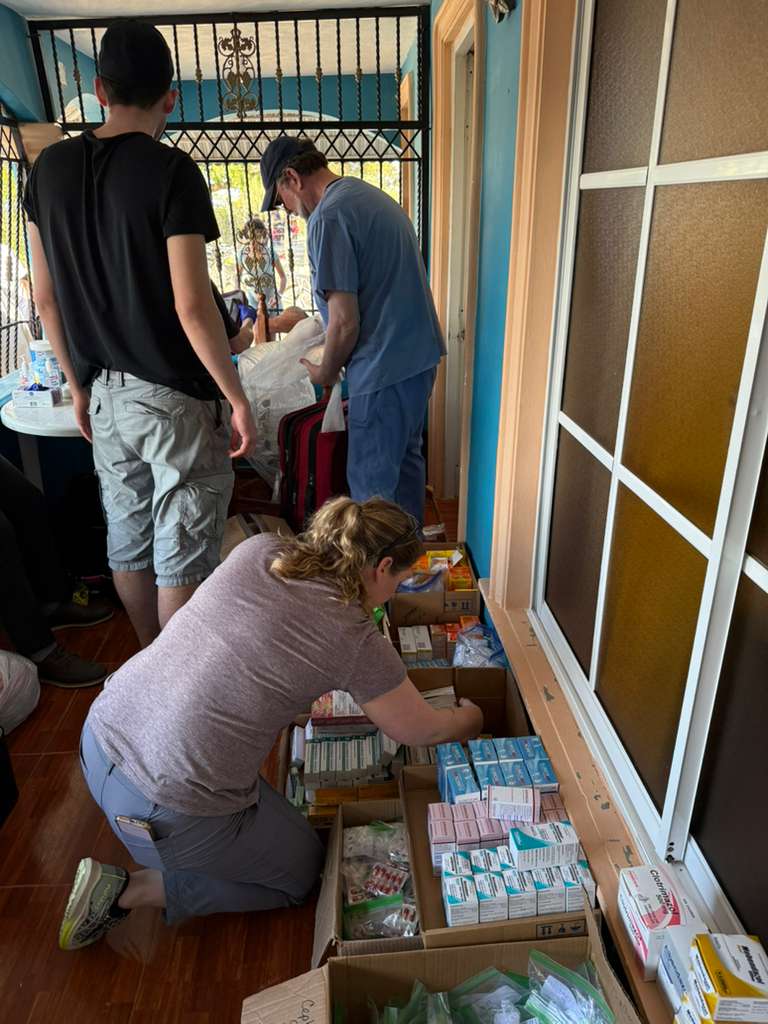
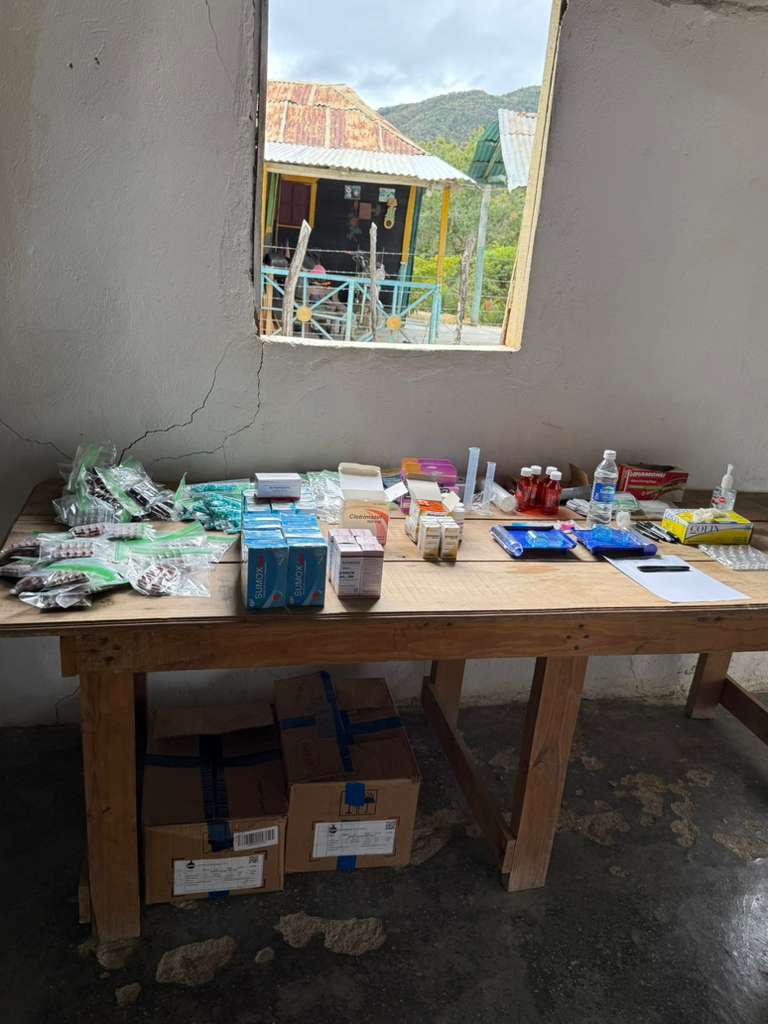
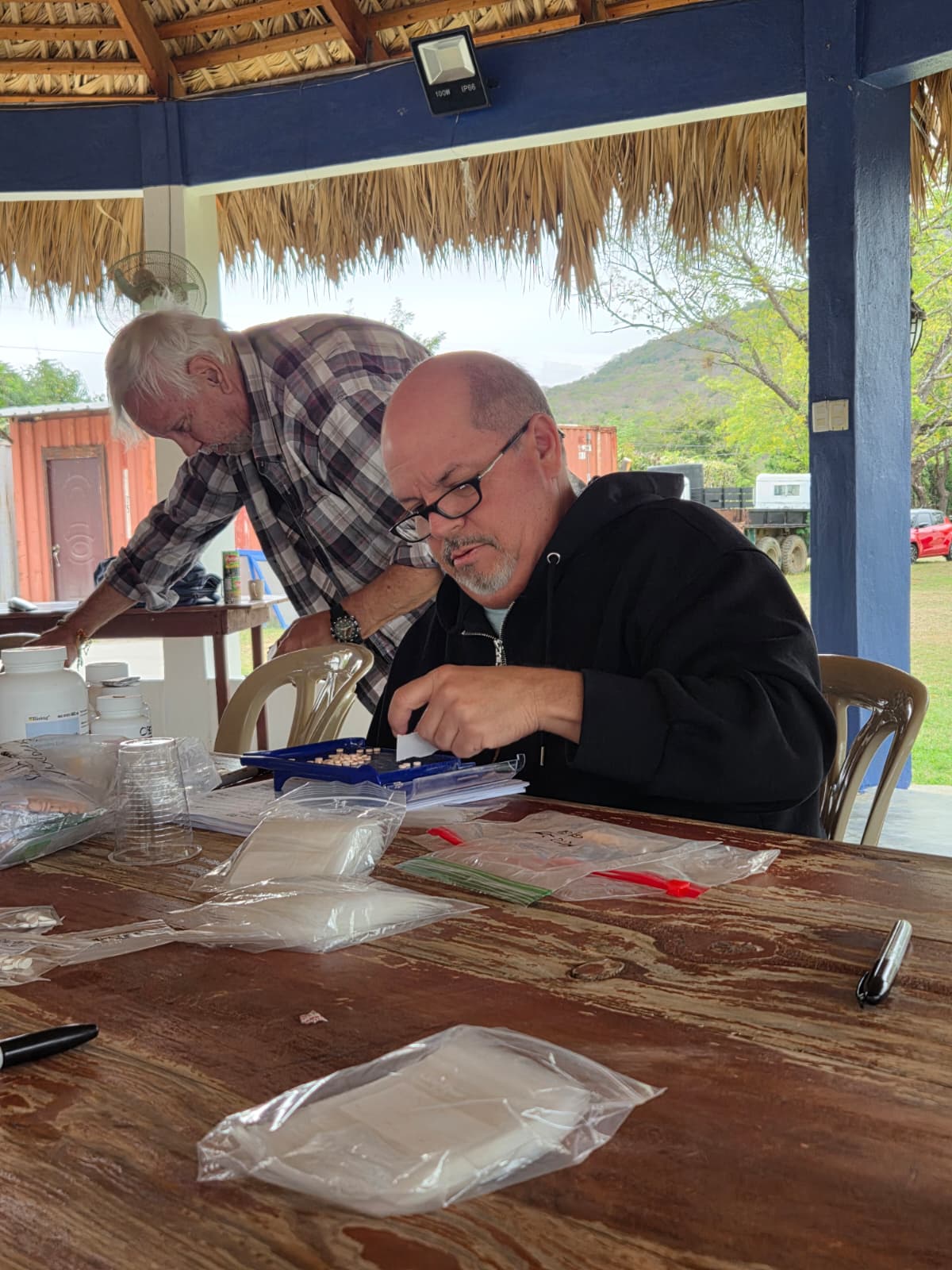
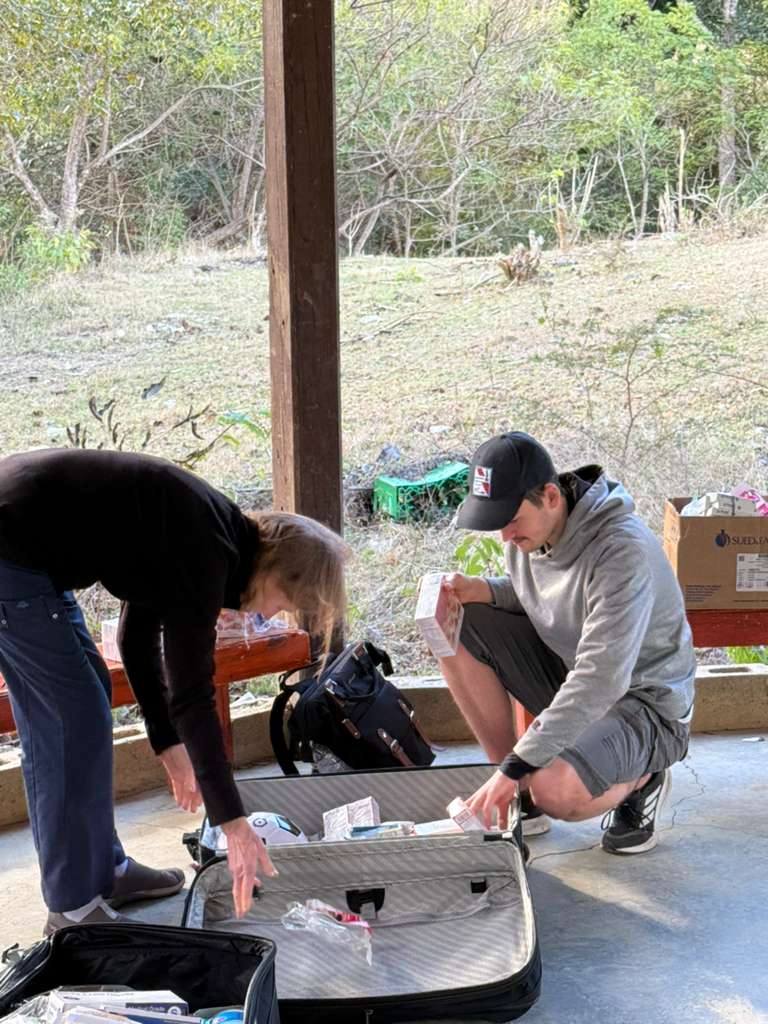
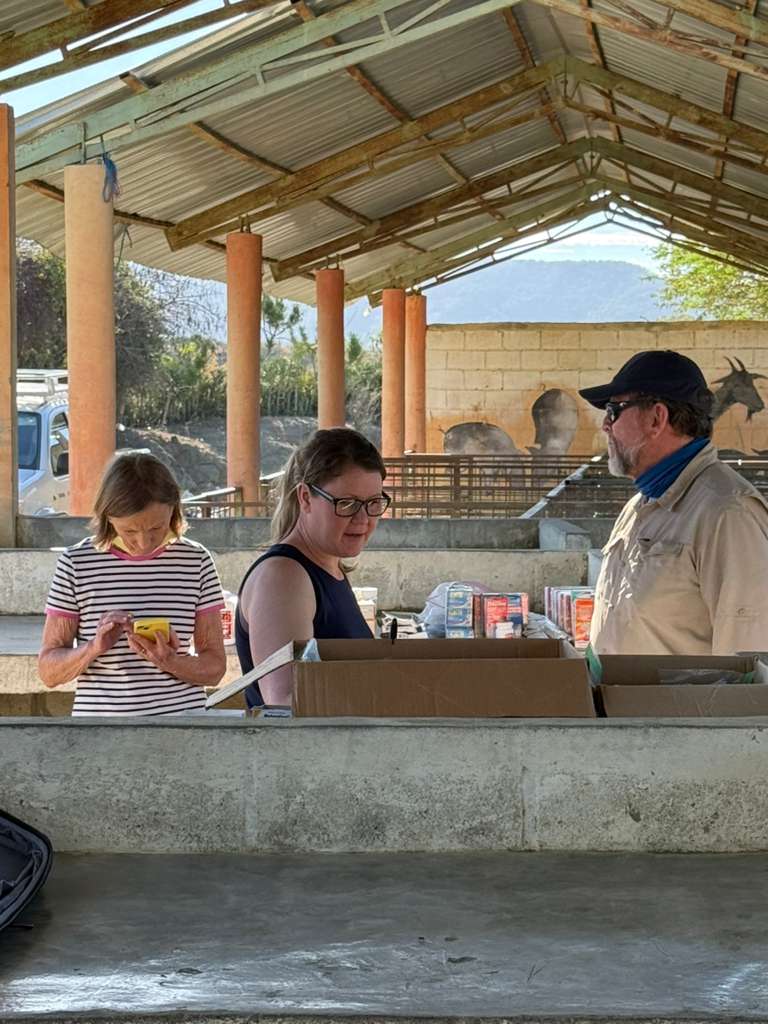
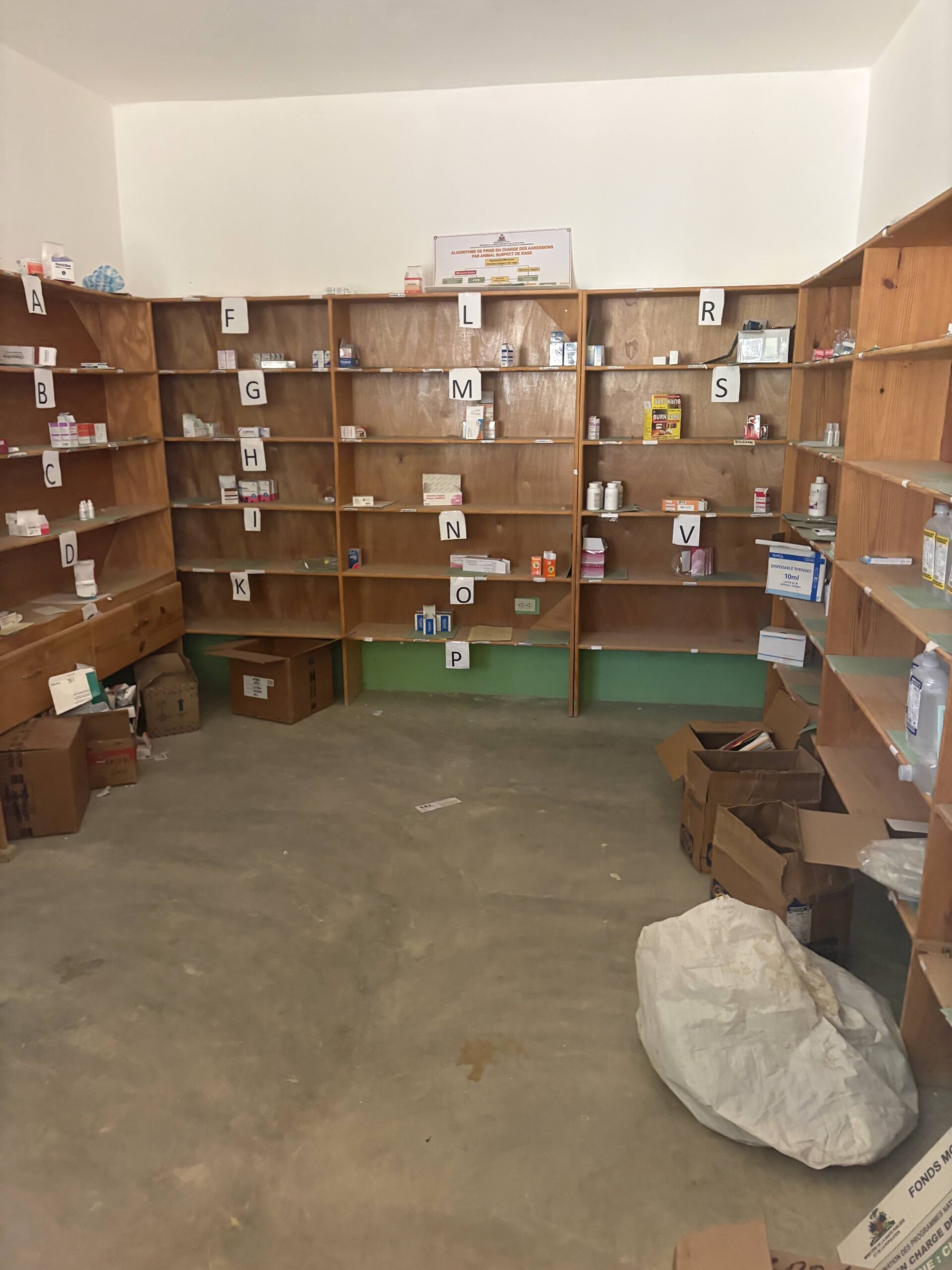
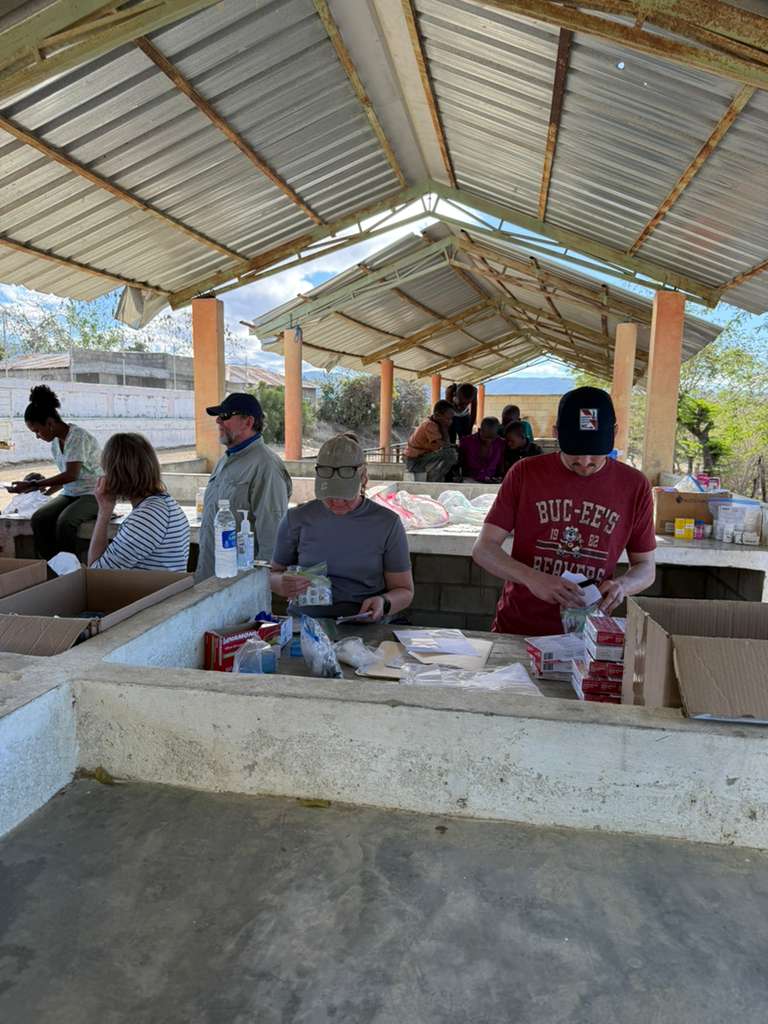
The work continued back at the Center through the afternoon as we pivoted to pharmacy logistics. We spent several hours sorting through our inventory and organizing medications to ensure everything is staged and ready for the busy days ahead. After a final team dinner and a successful first day of service, the “early bird” schedule is starting to catch up with us—we’re turning in early to rest up for tomorrow’s sunrise start.
Feb 1st, Pilon
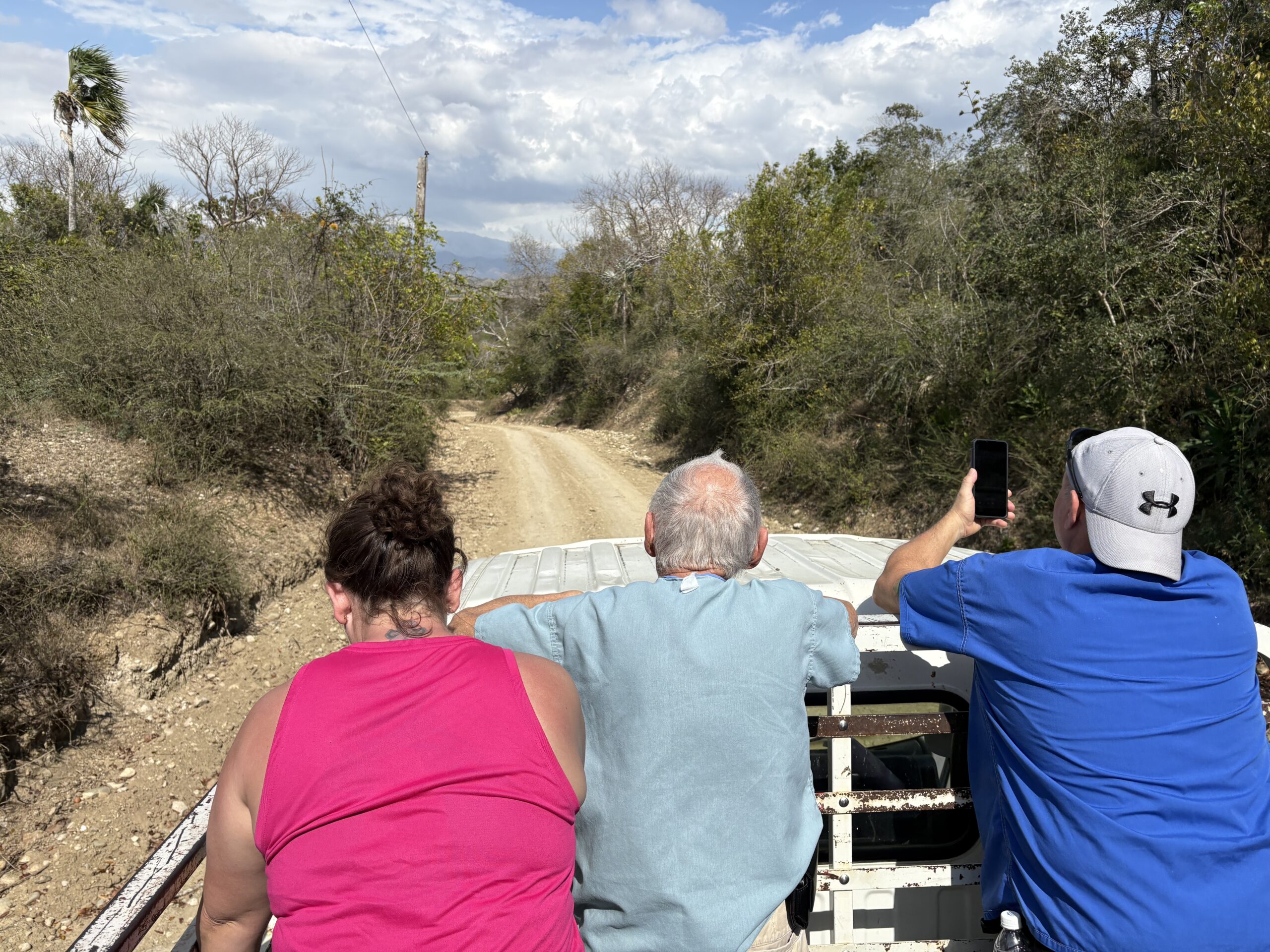
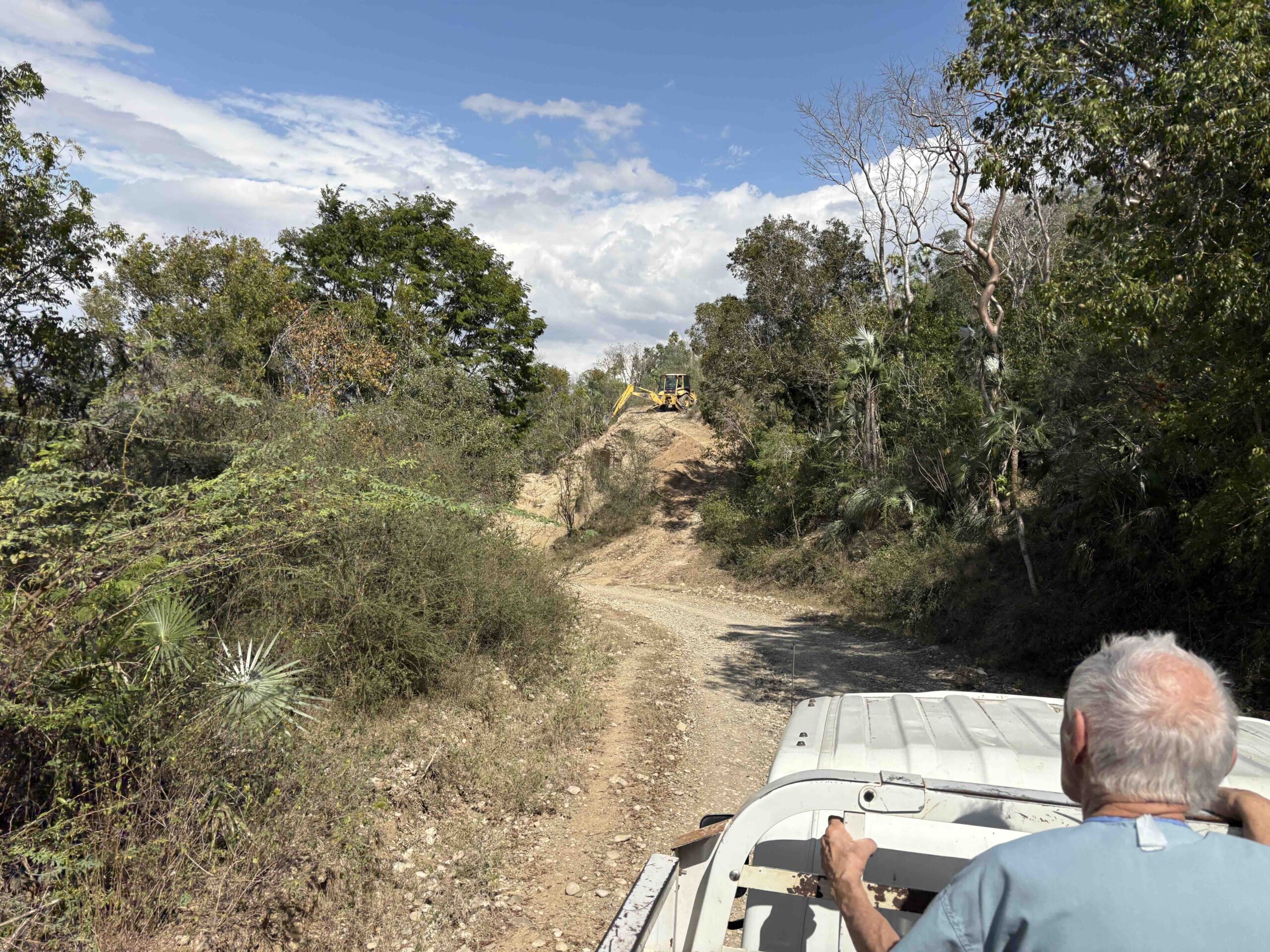
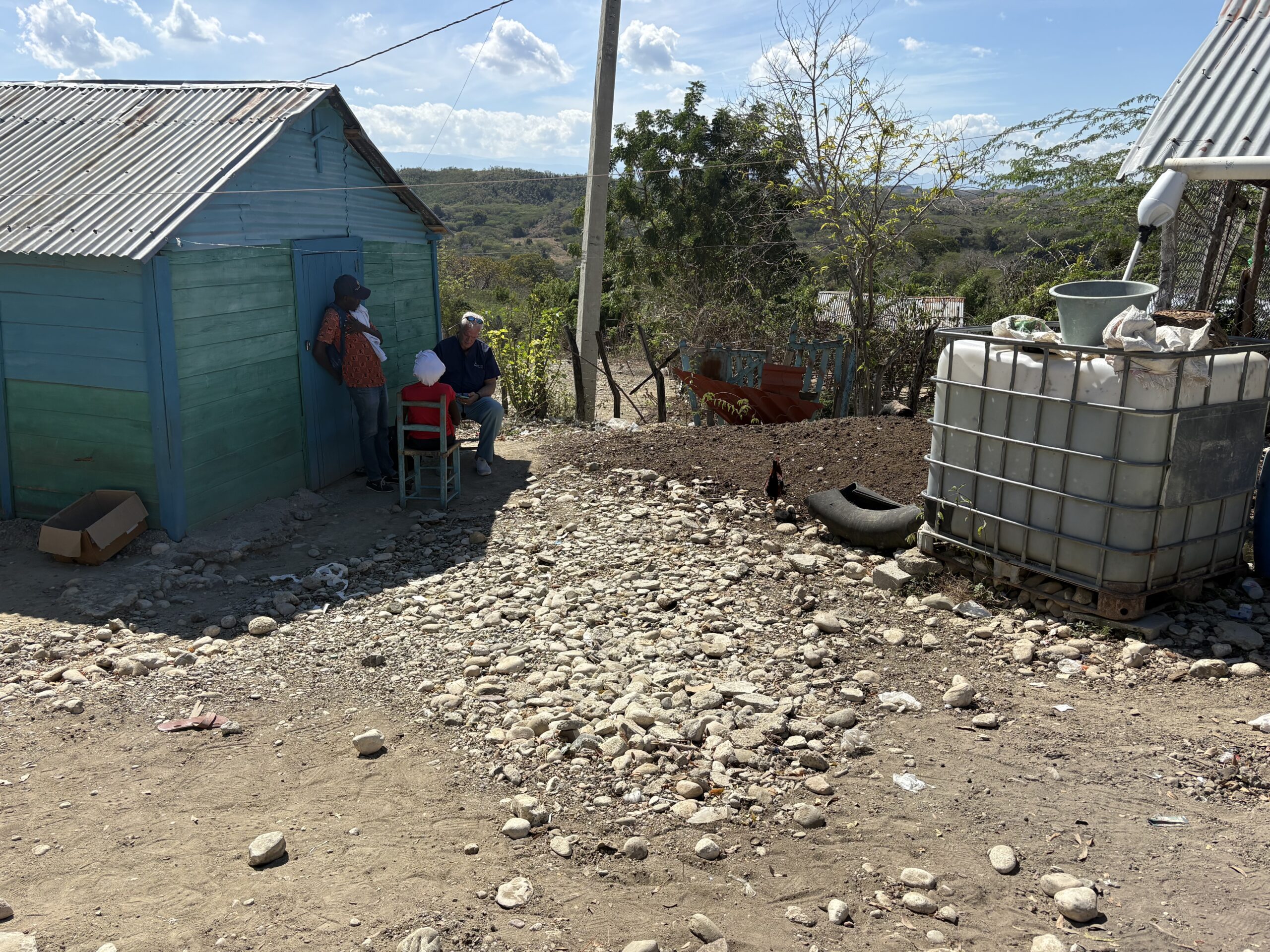
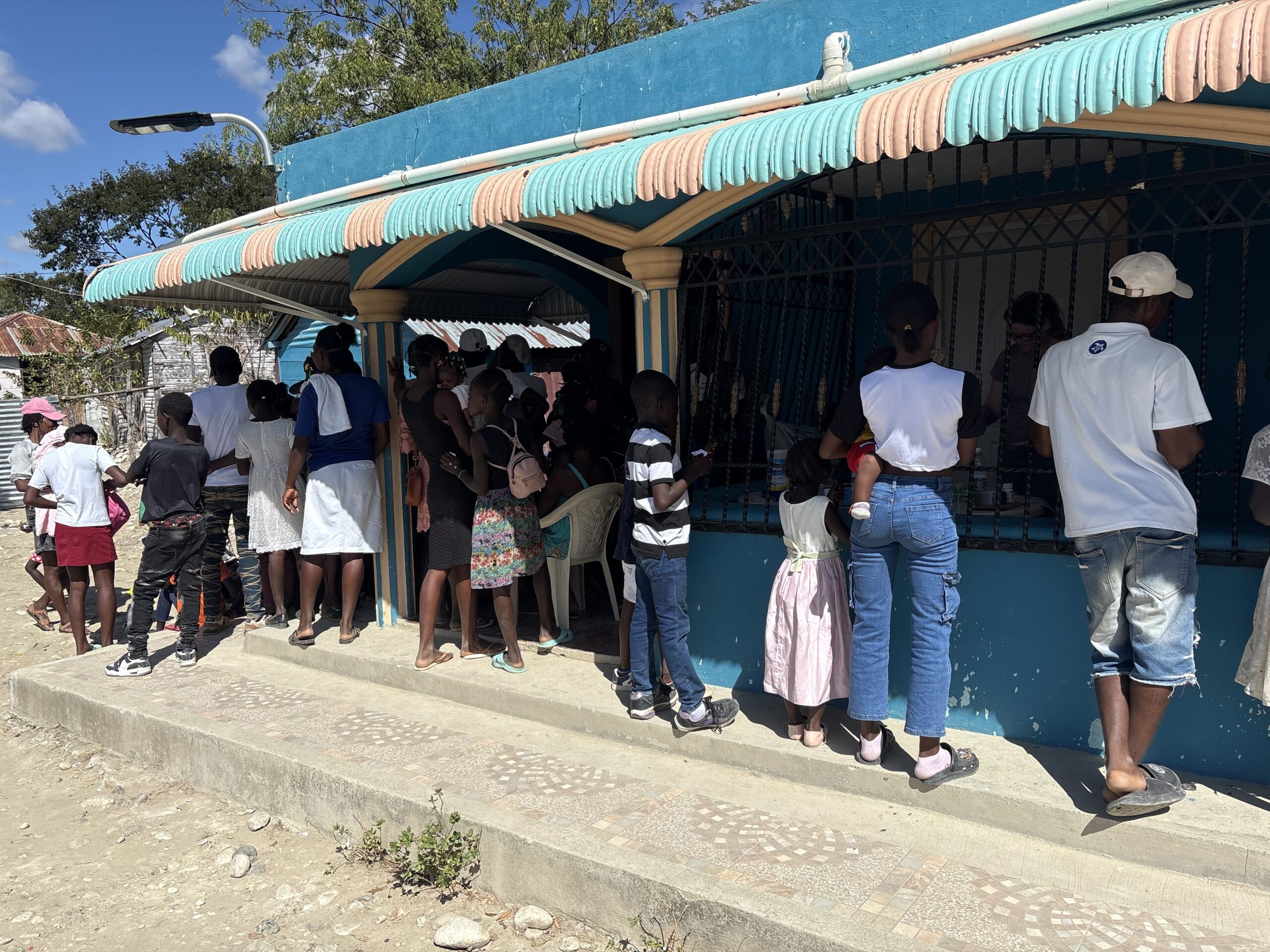
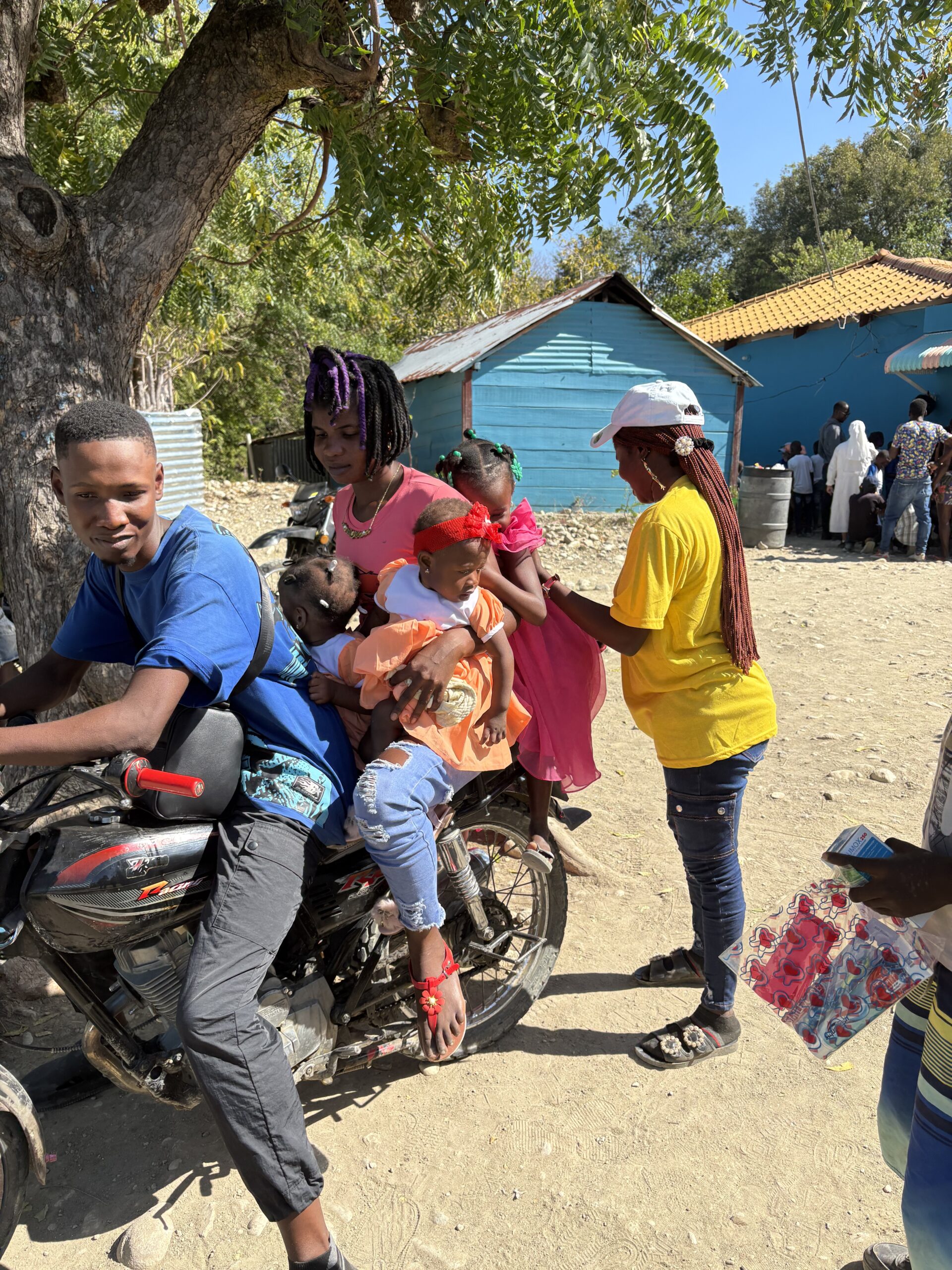
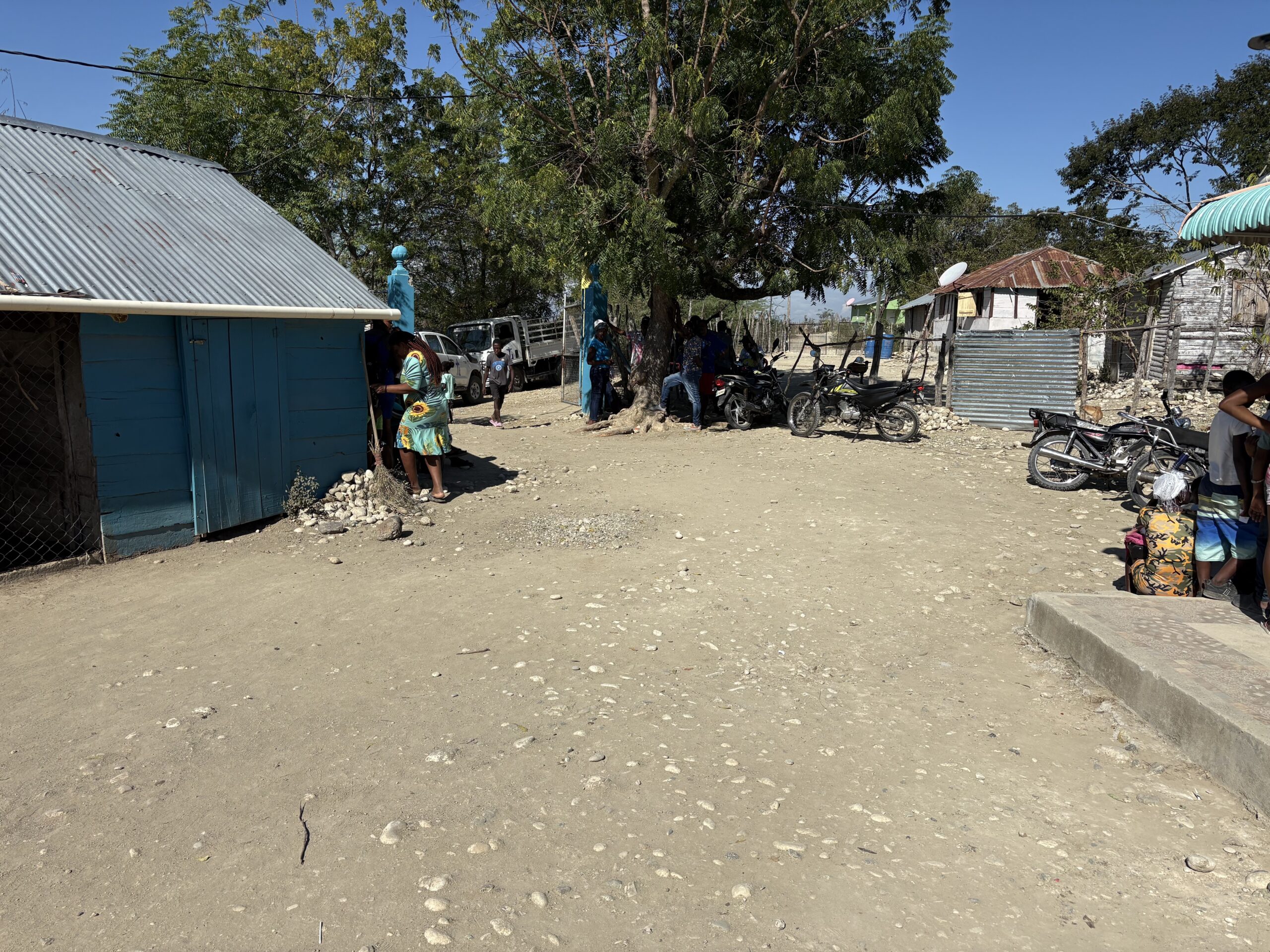
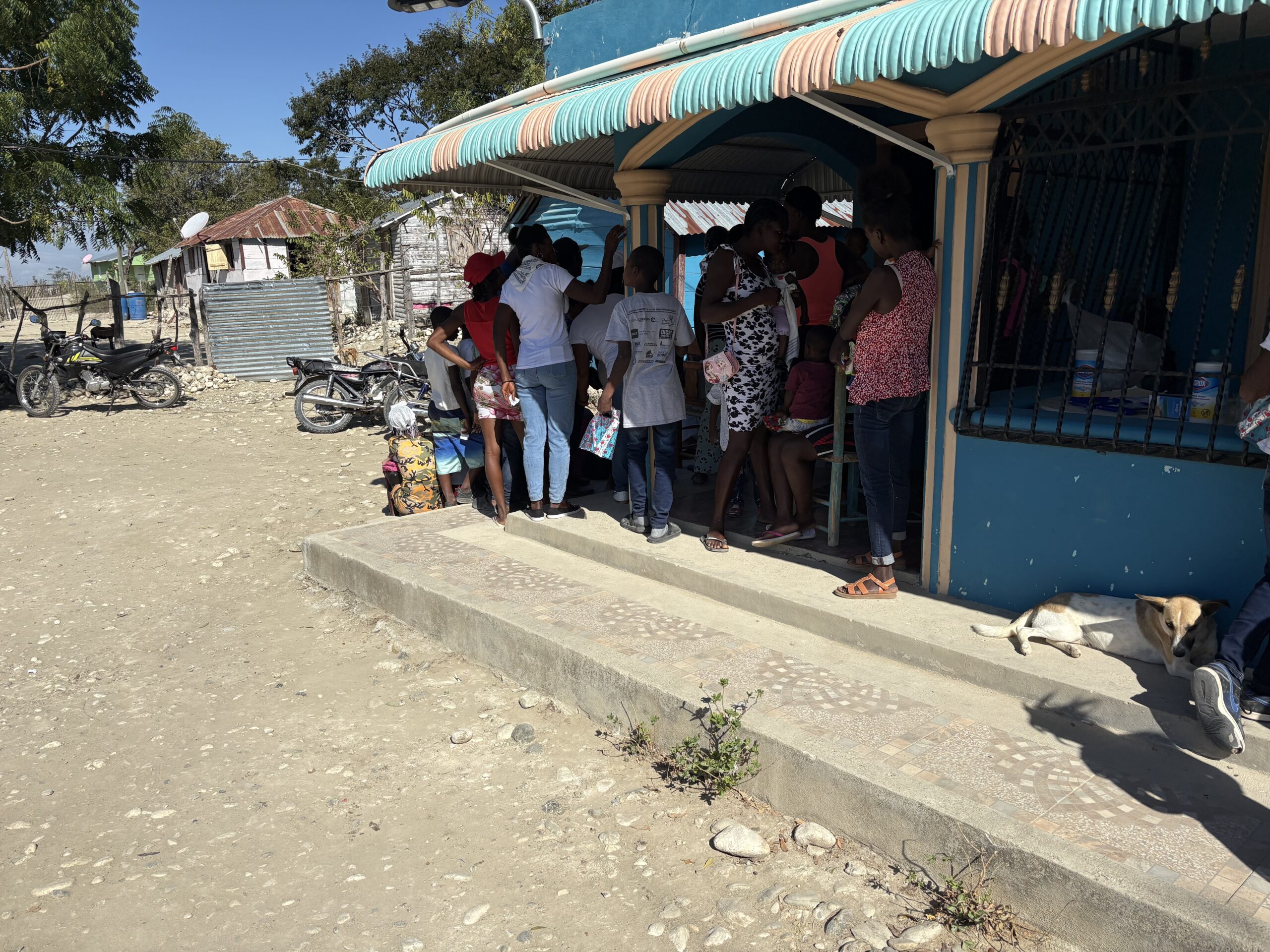
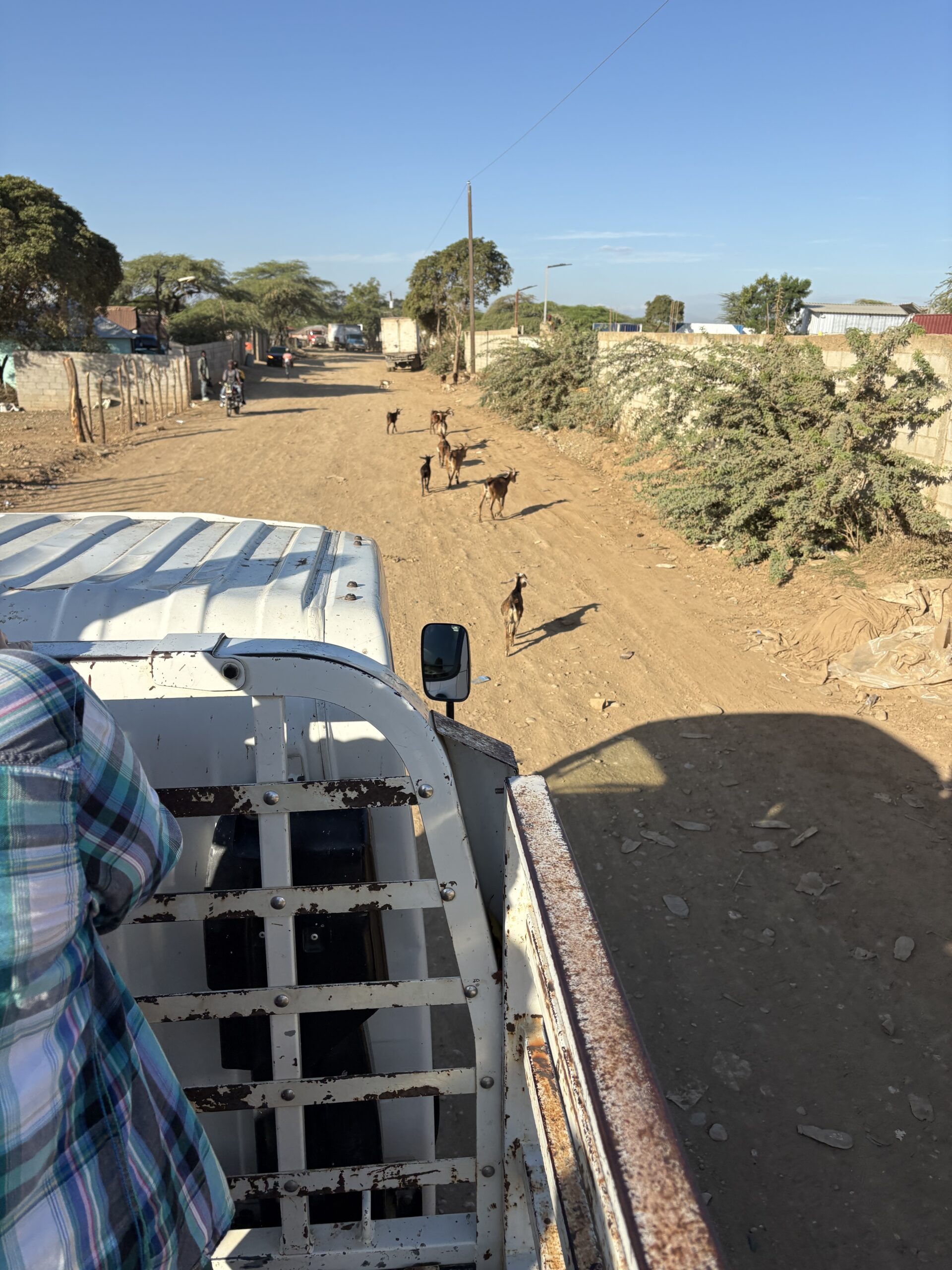
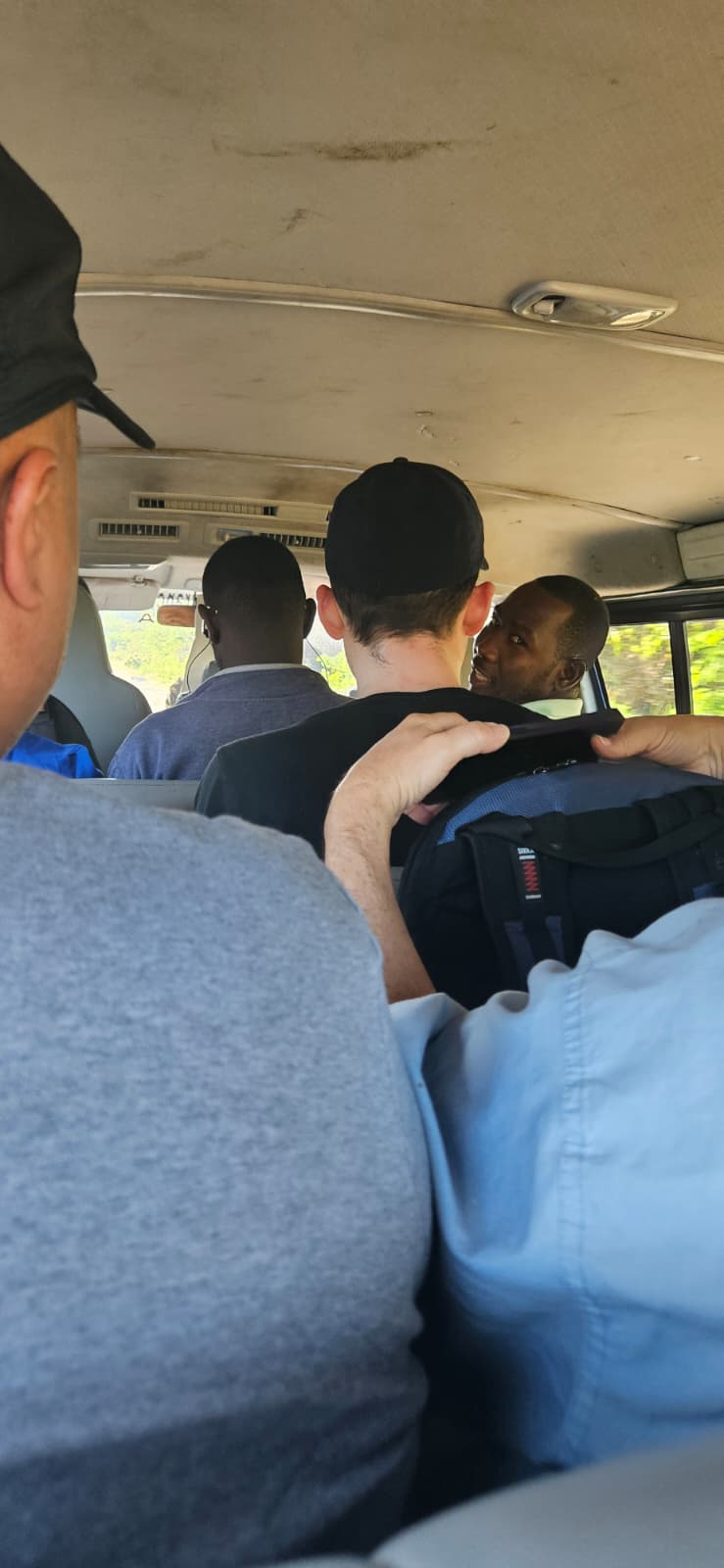
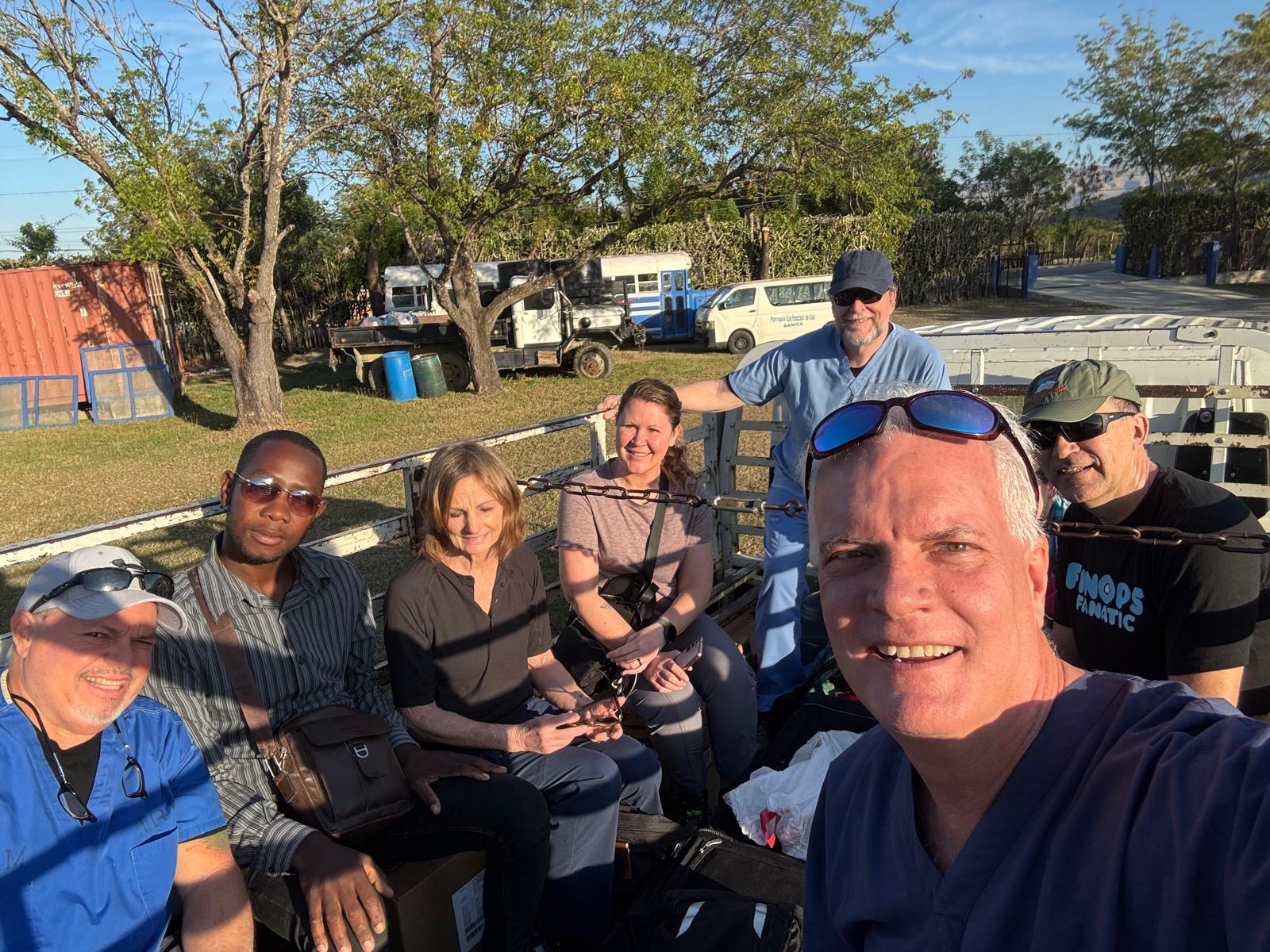
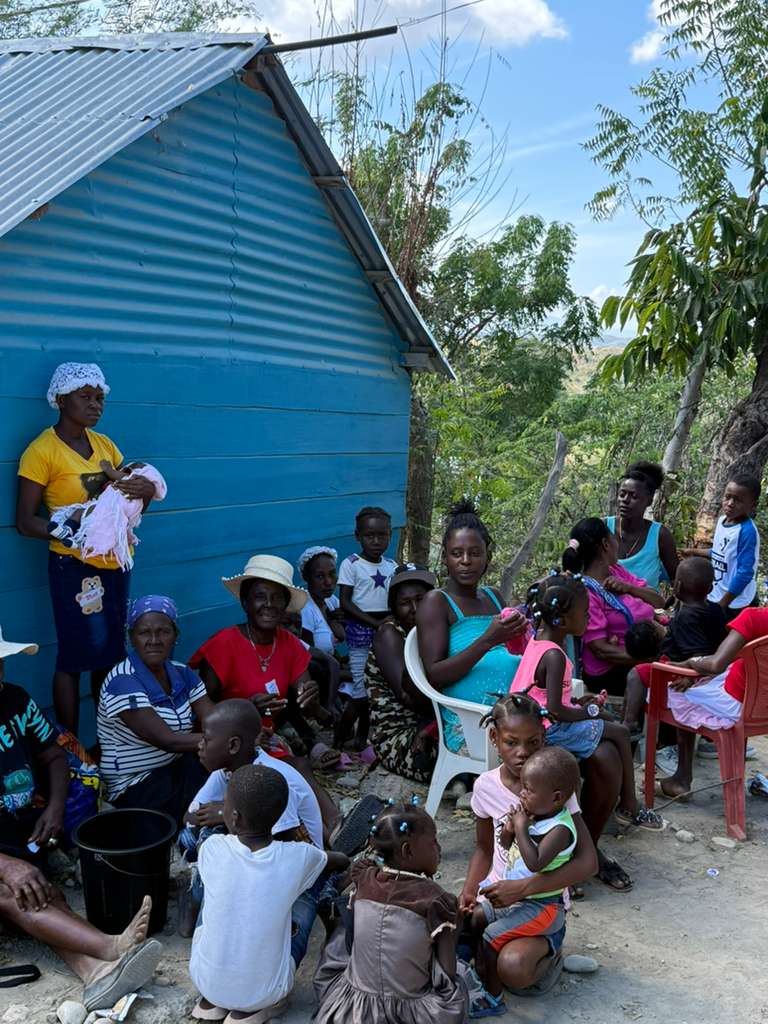
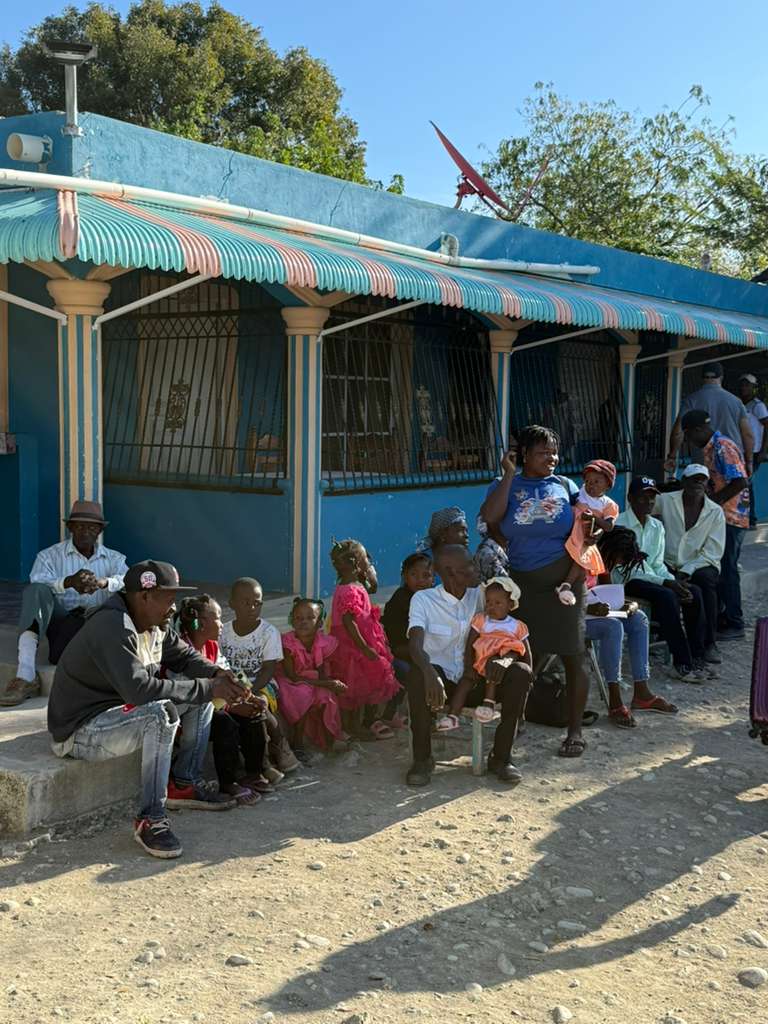
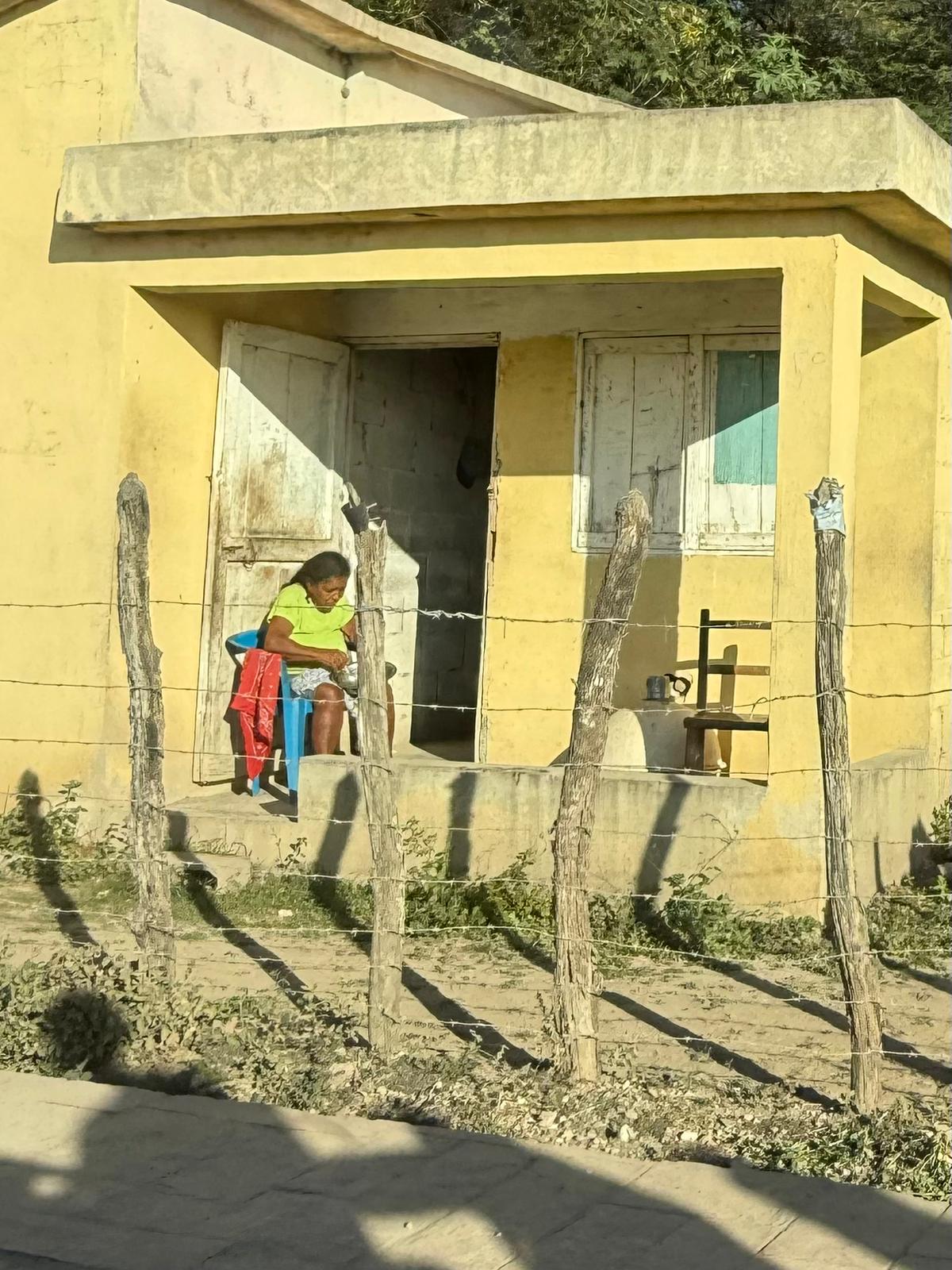
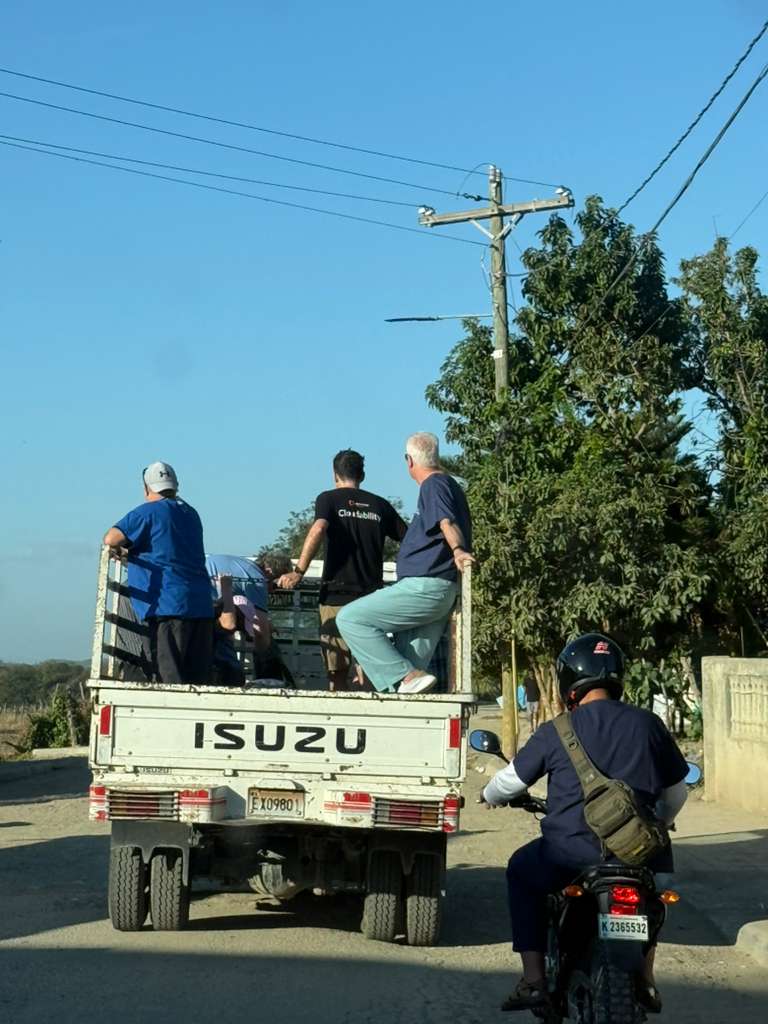
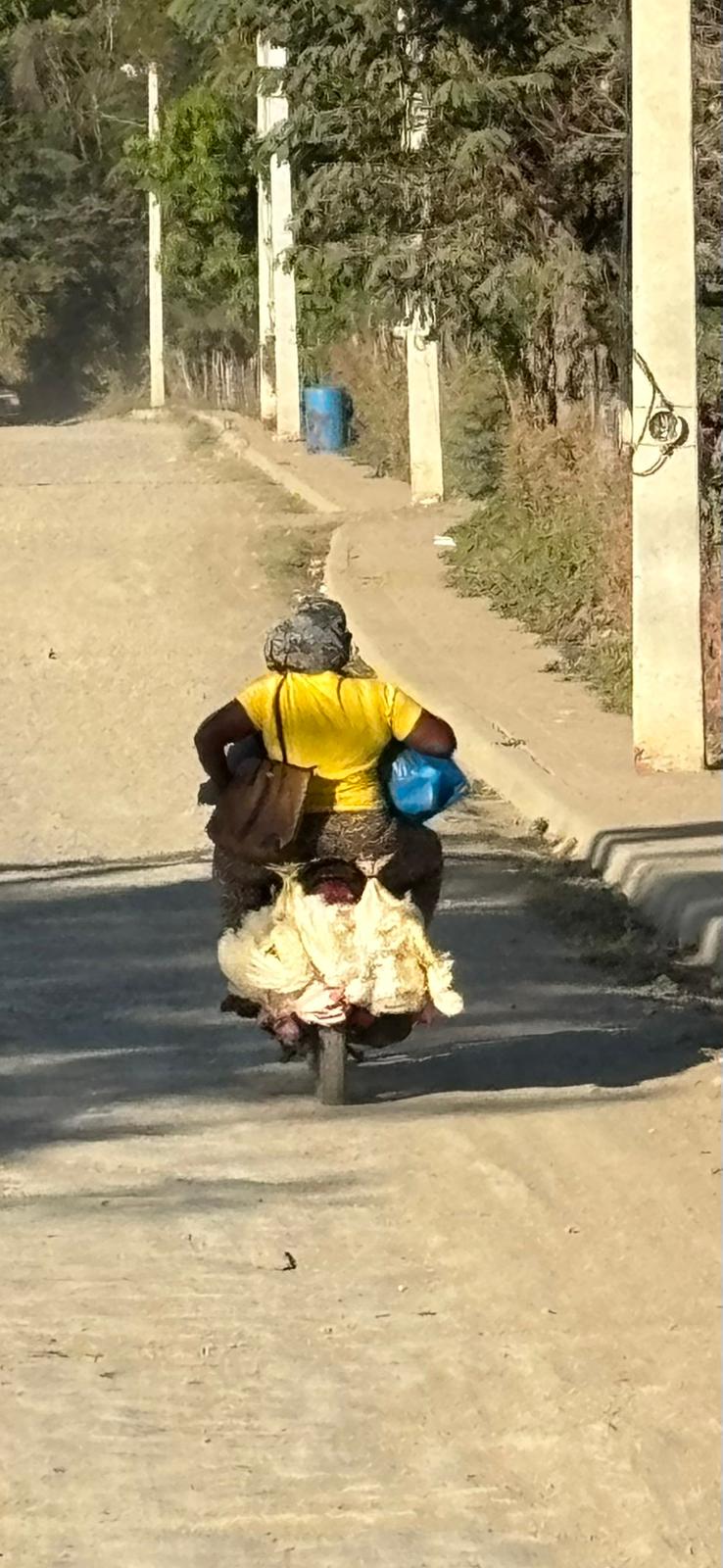
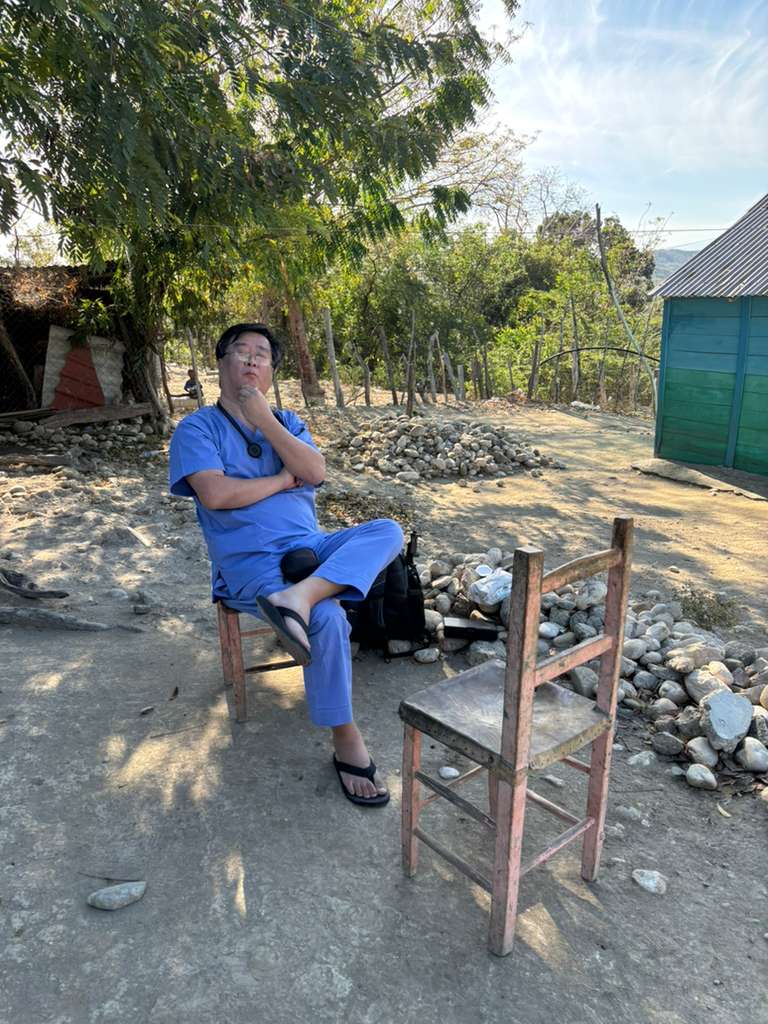
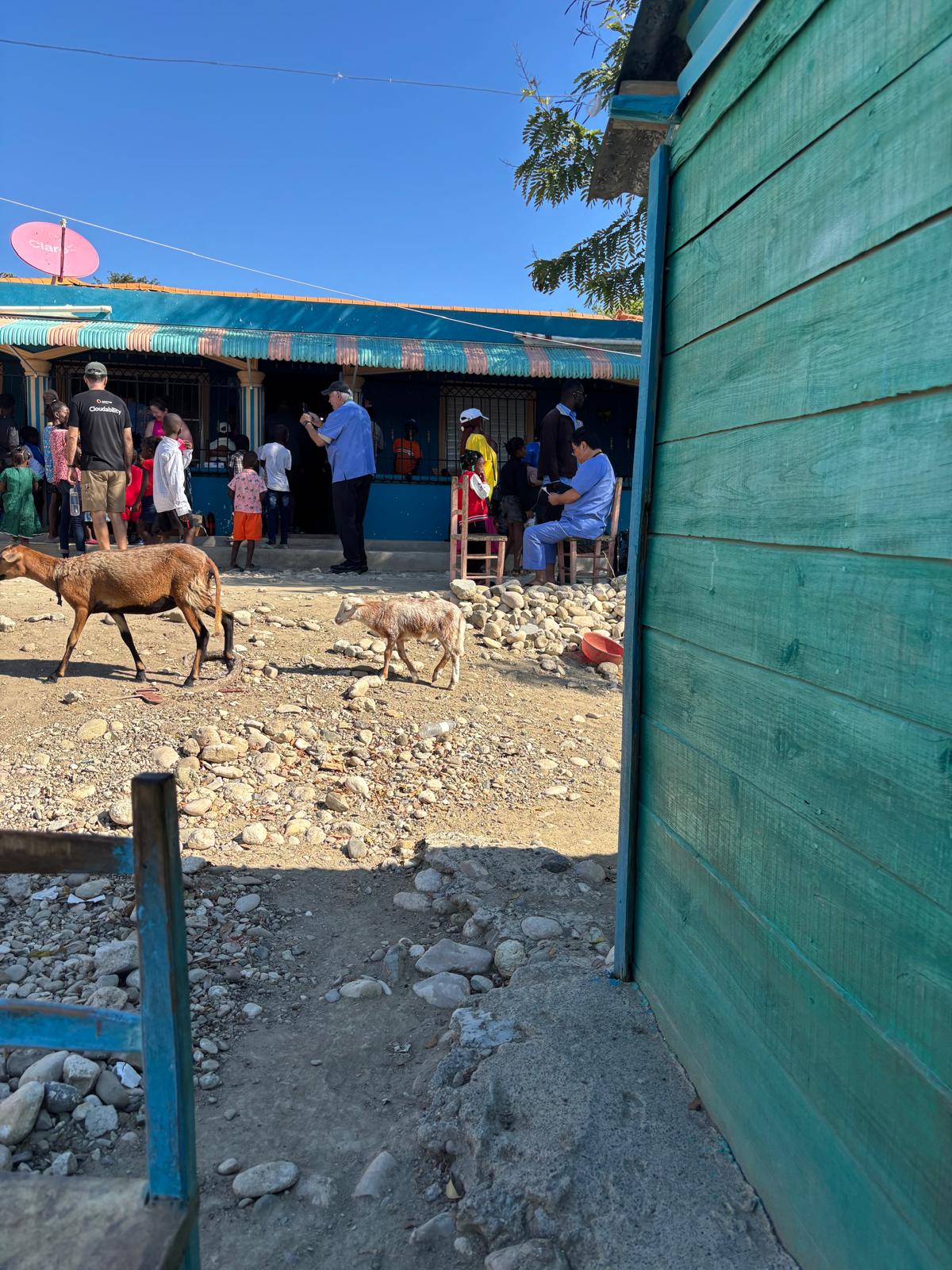
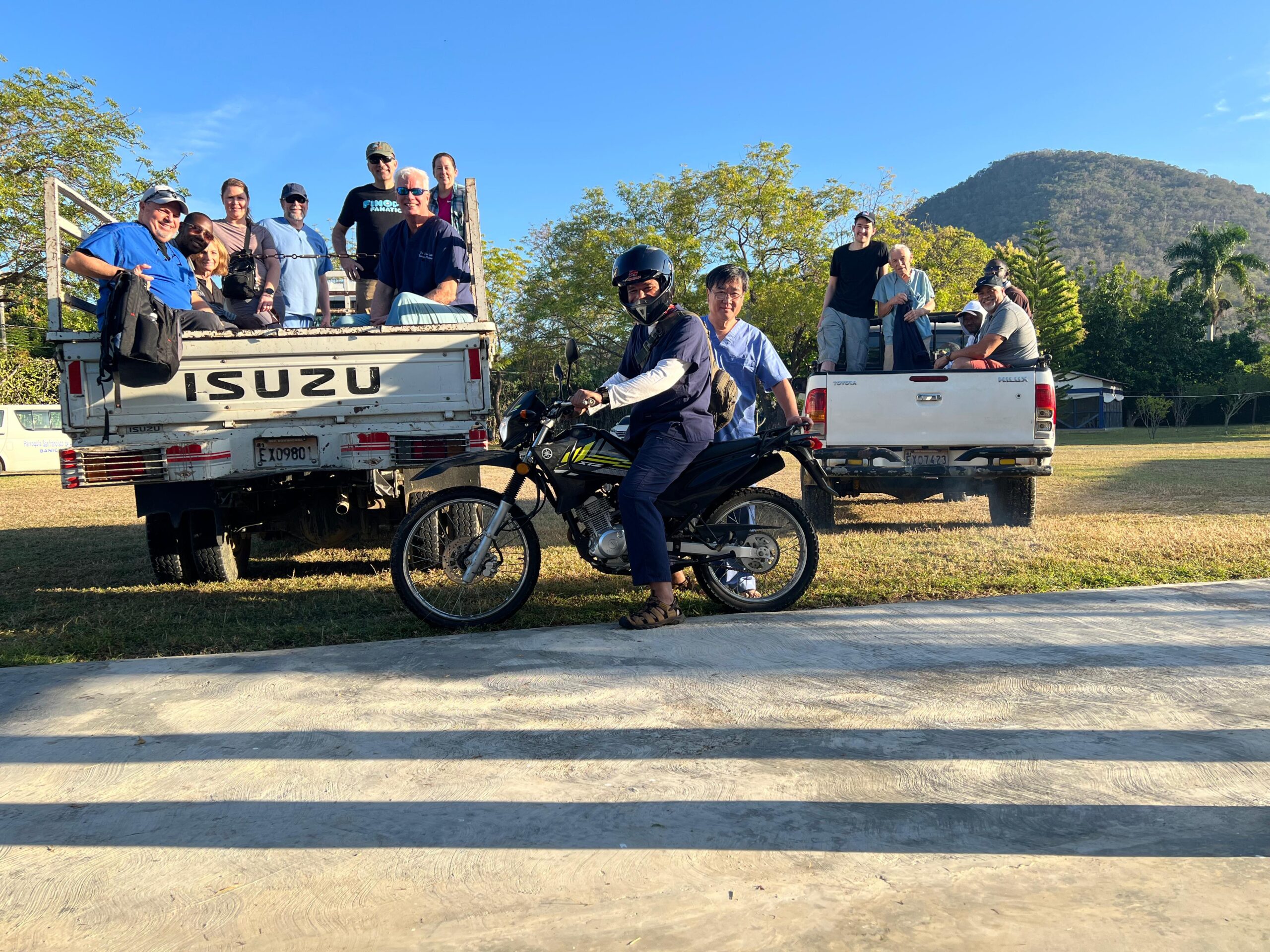
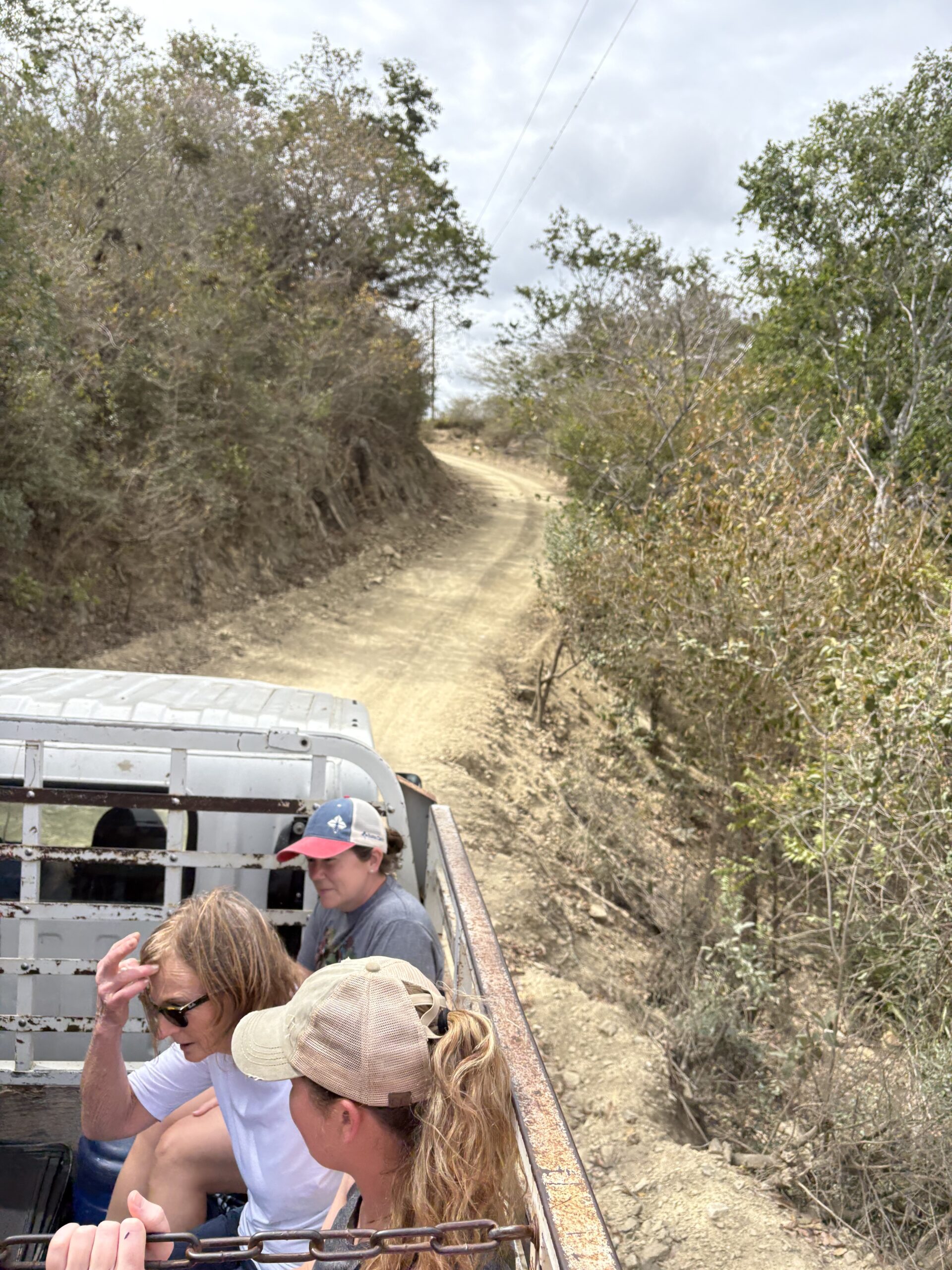
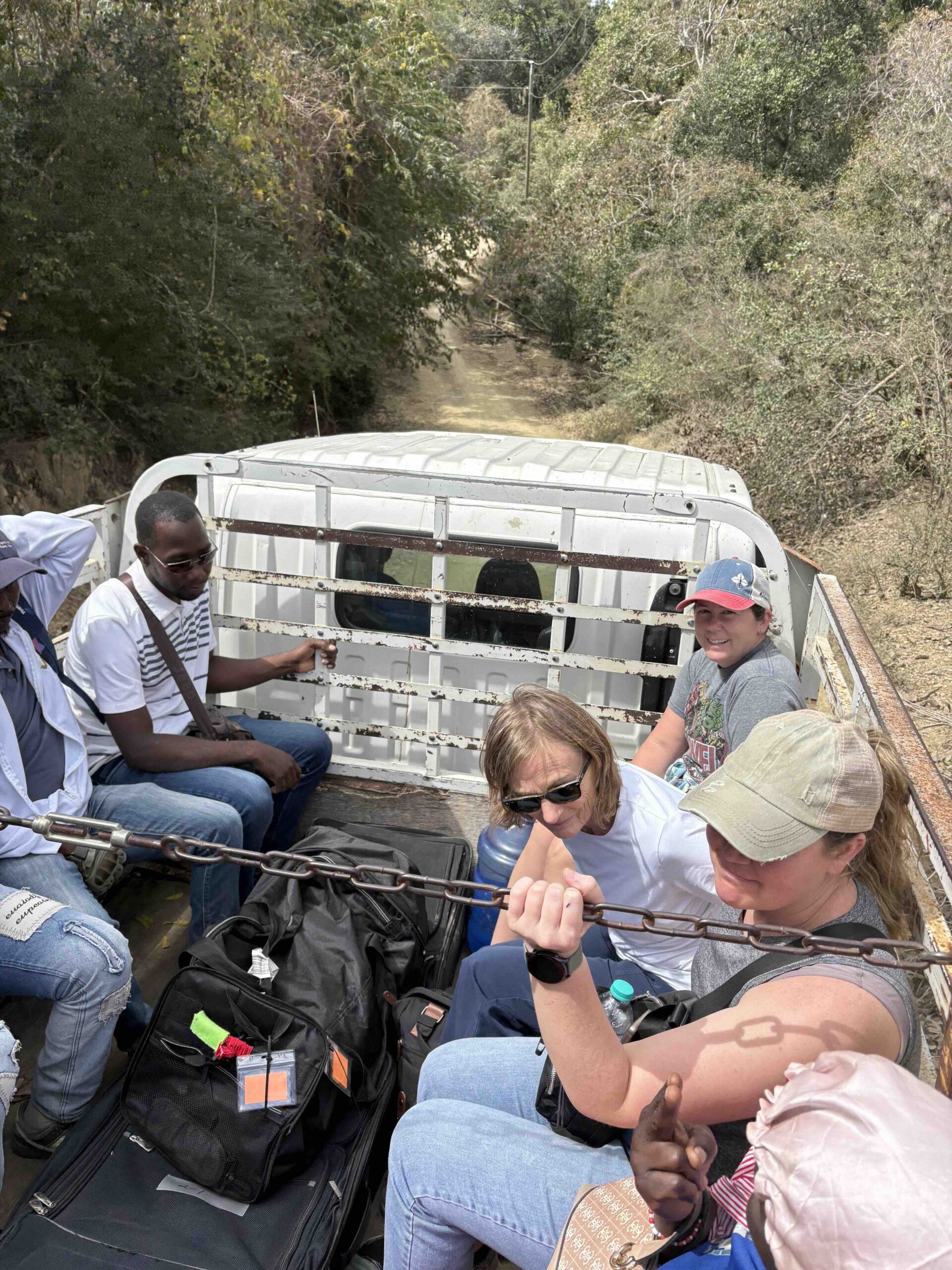
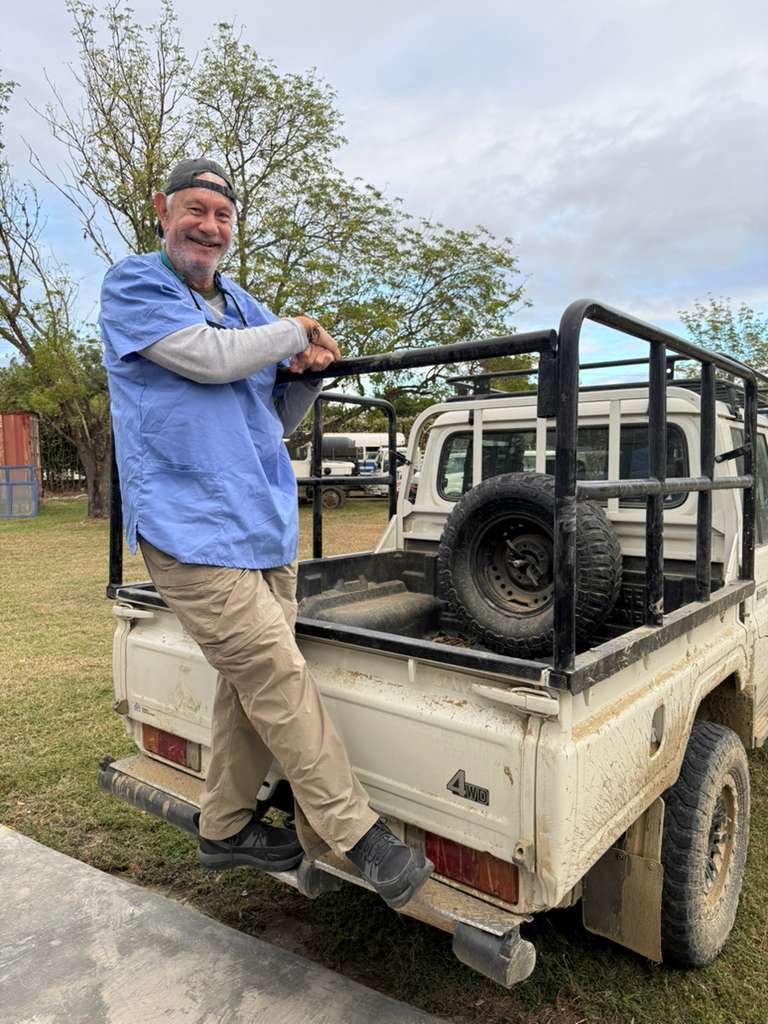
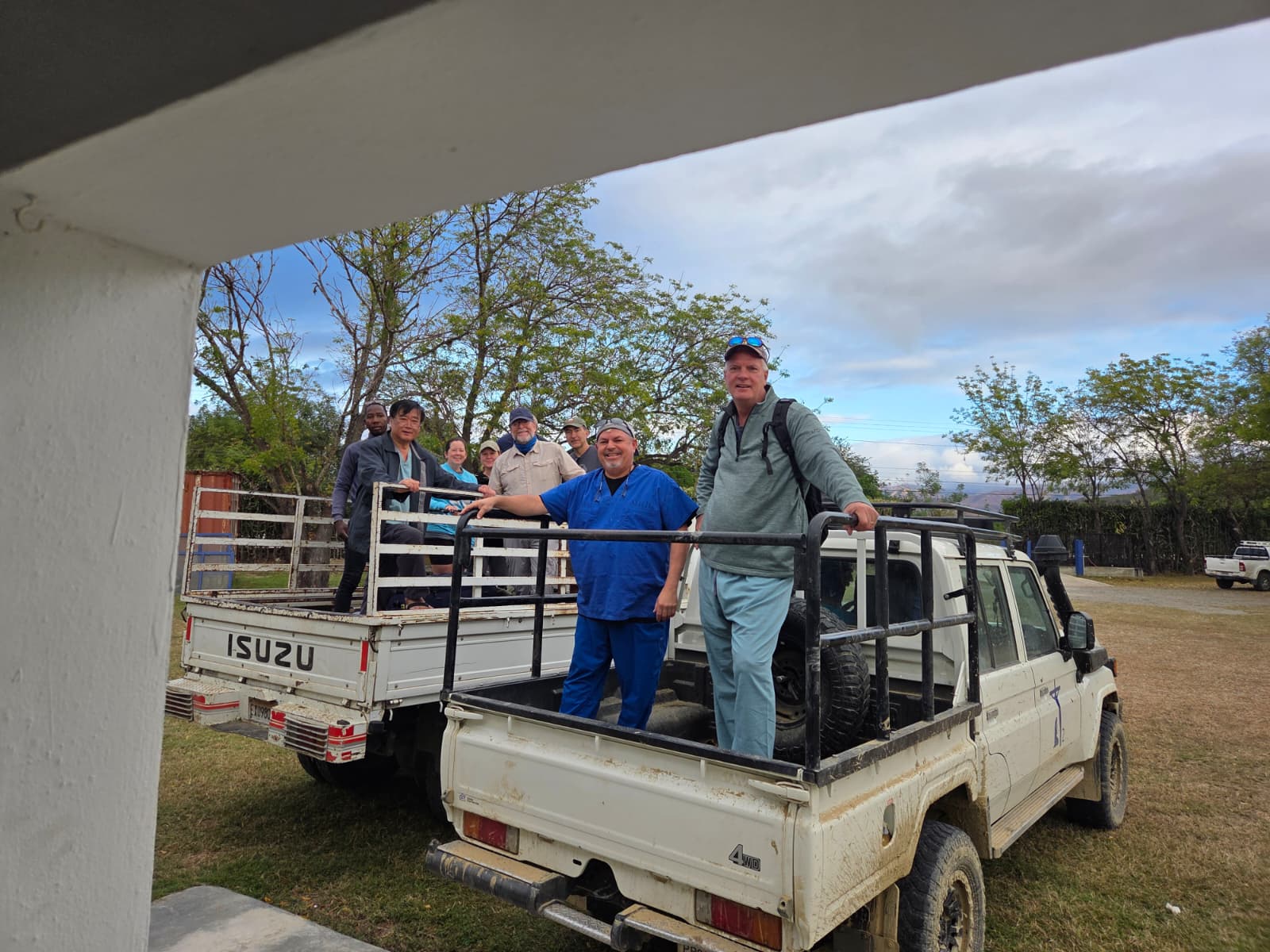
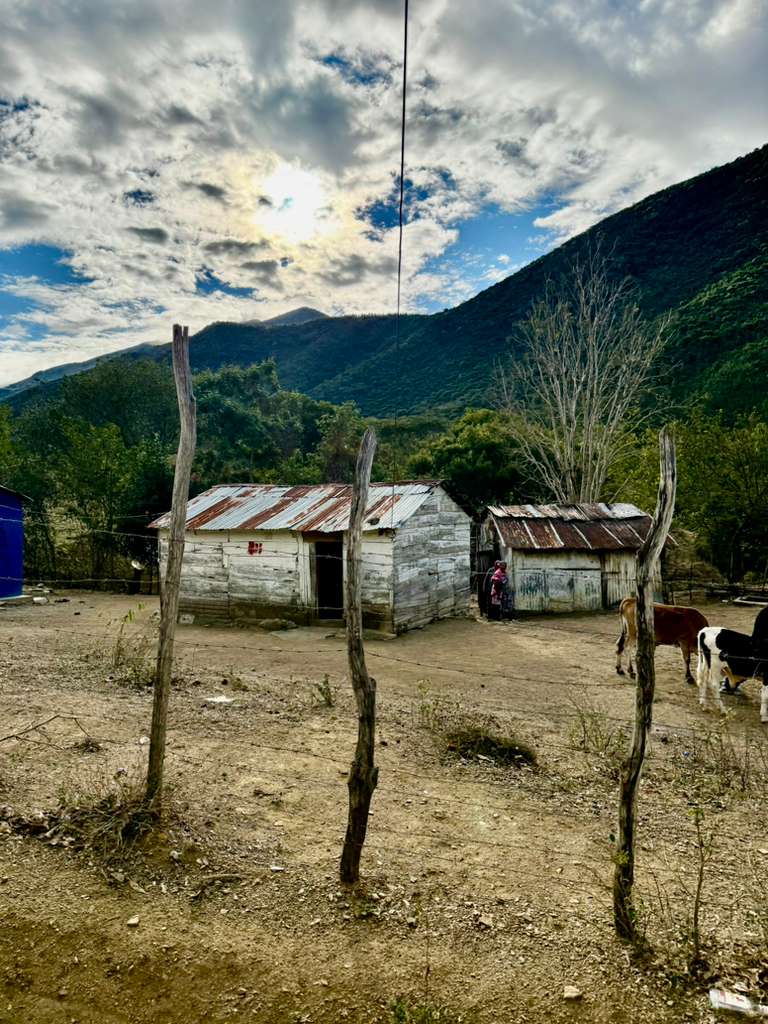
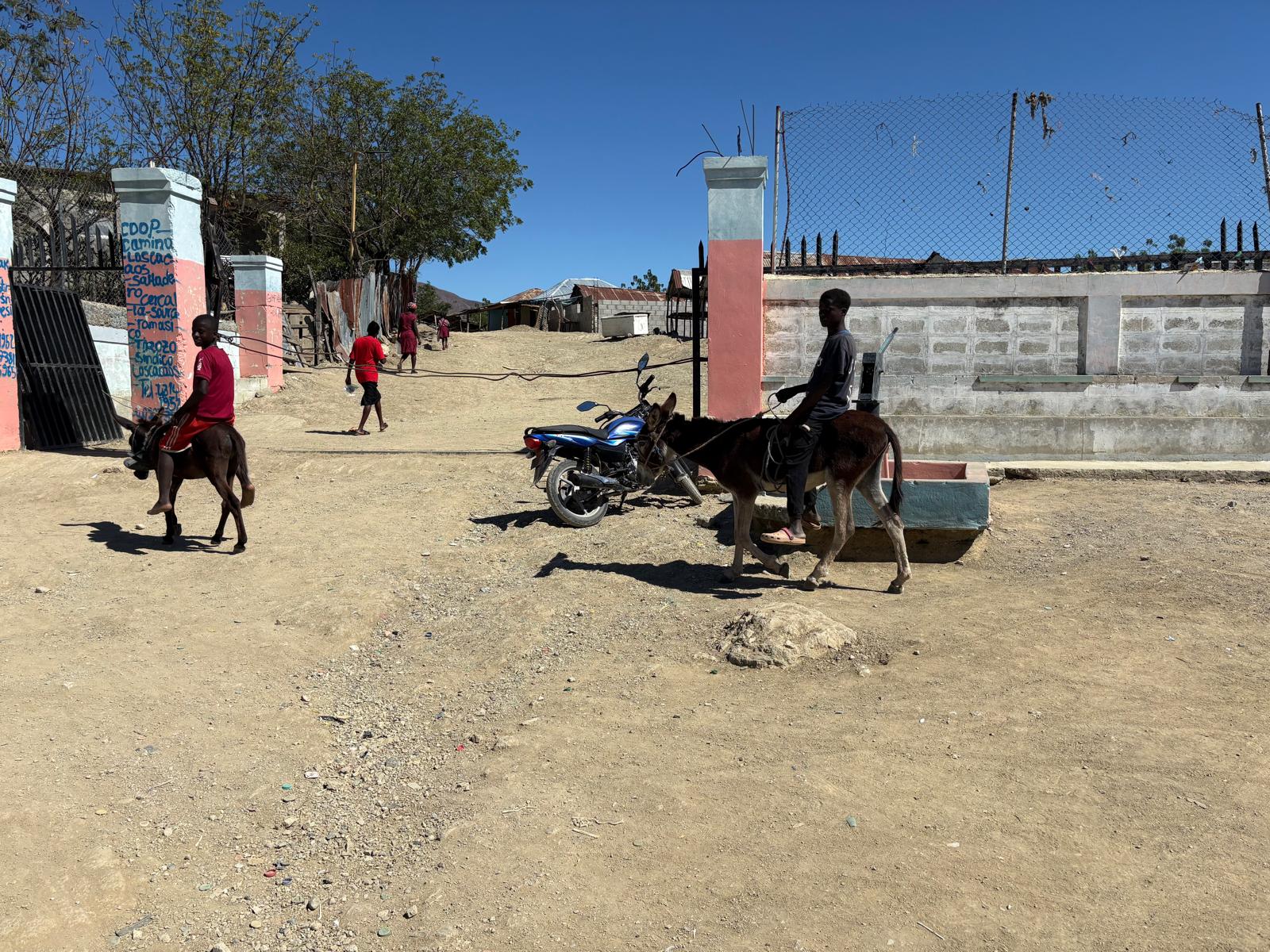
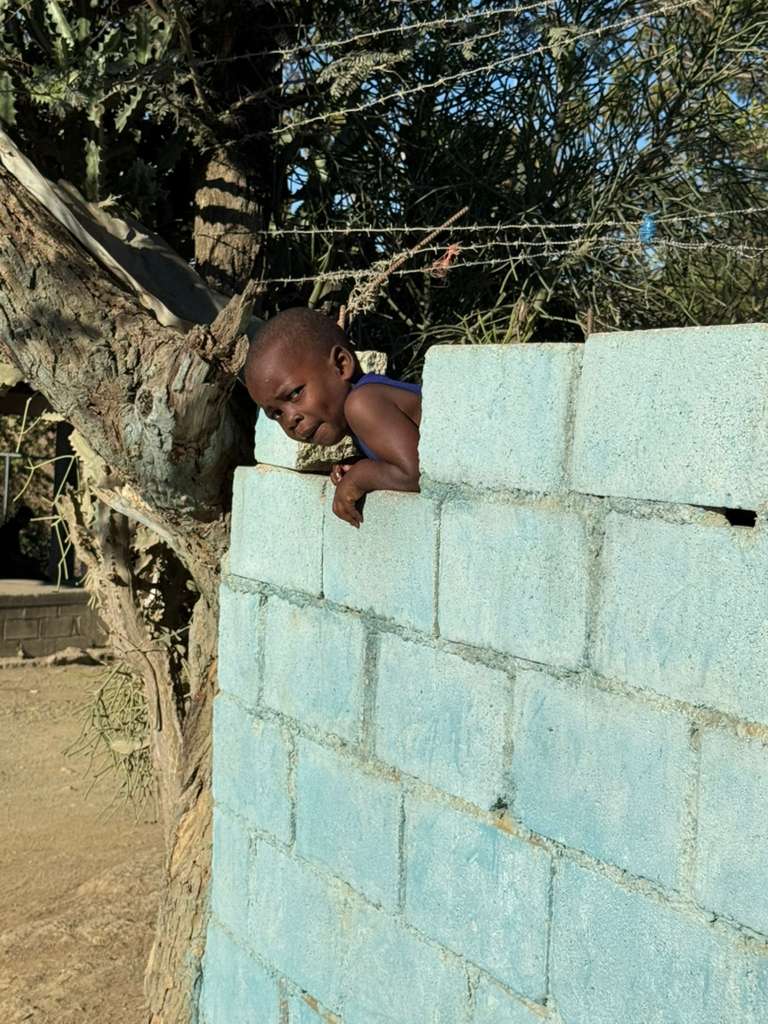
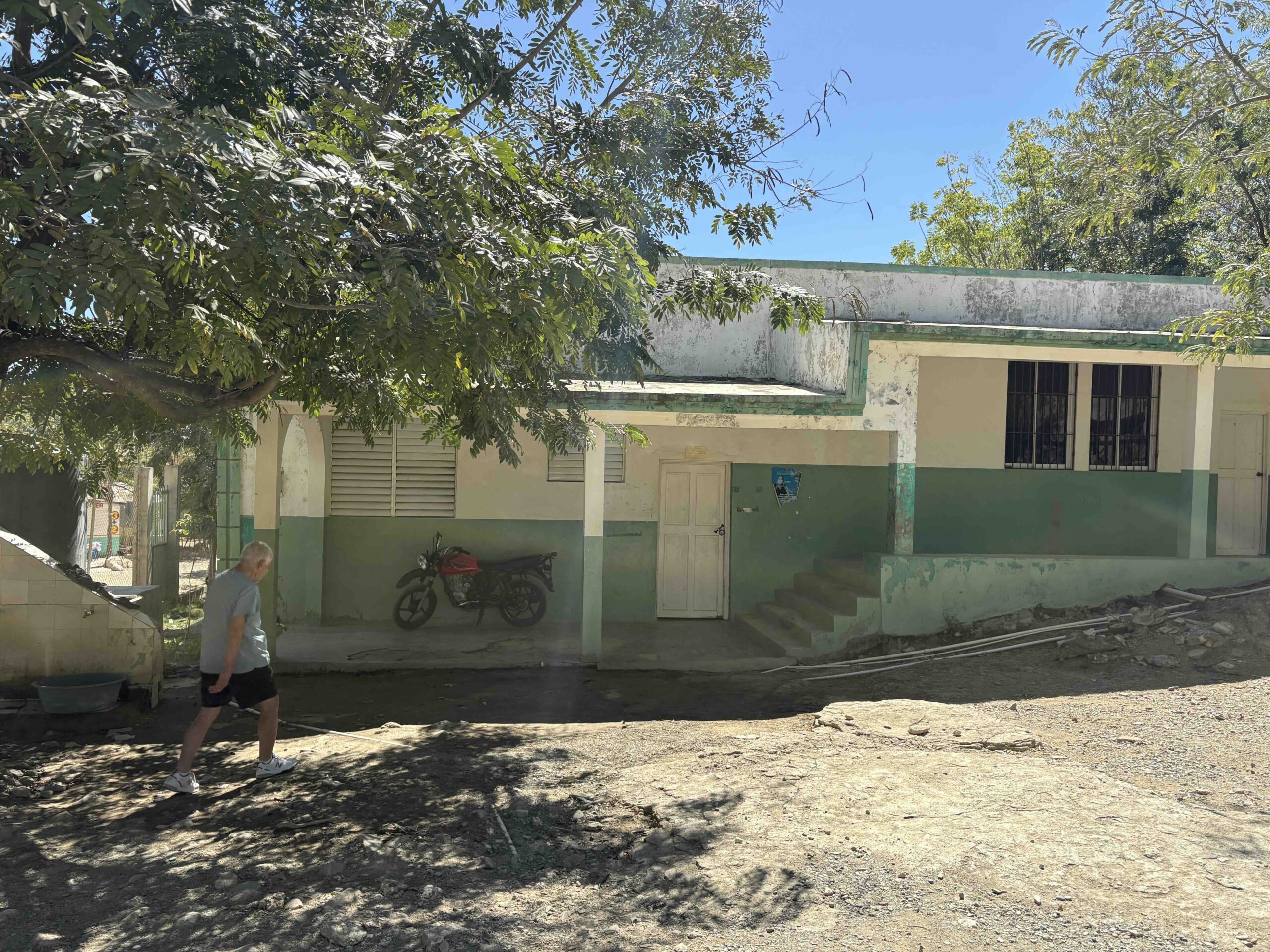
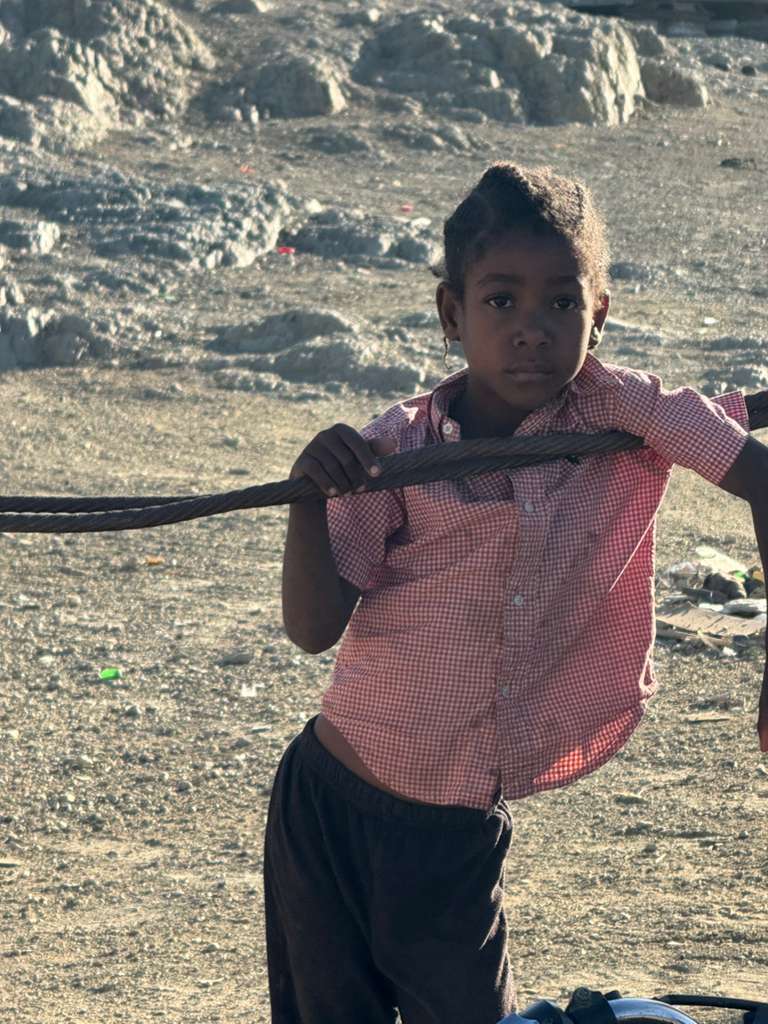
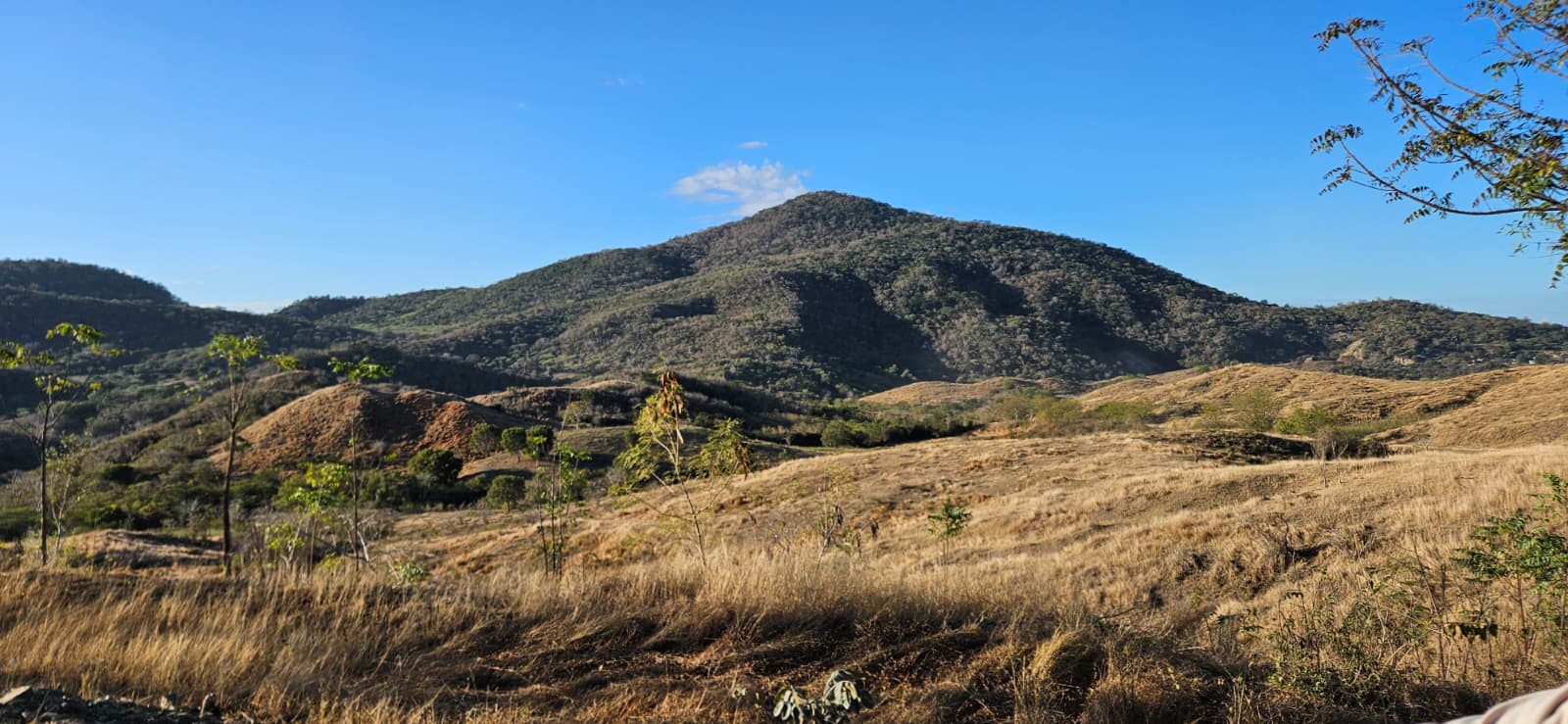
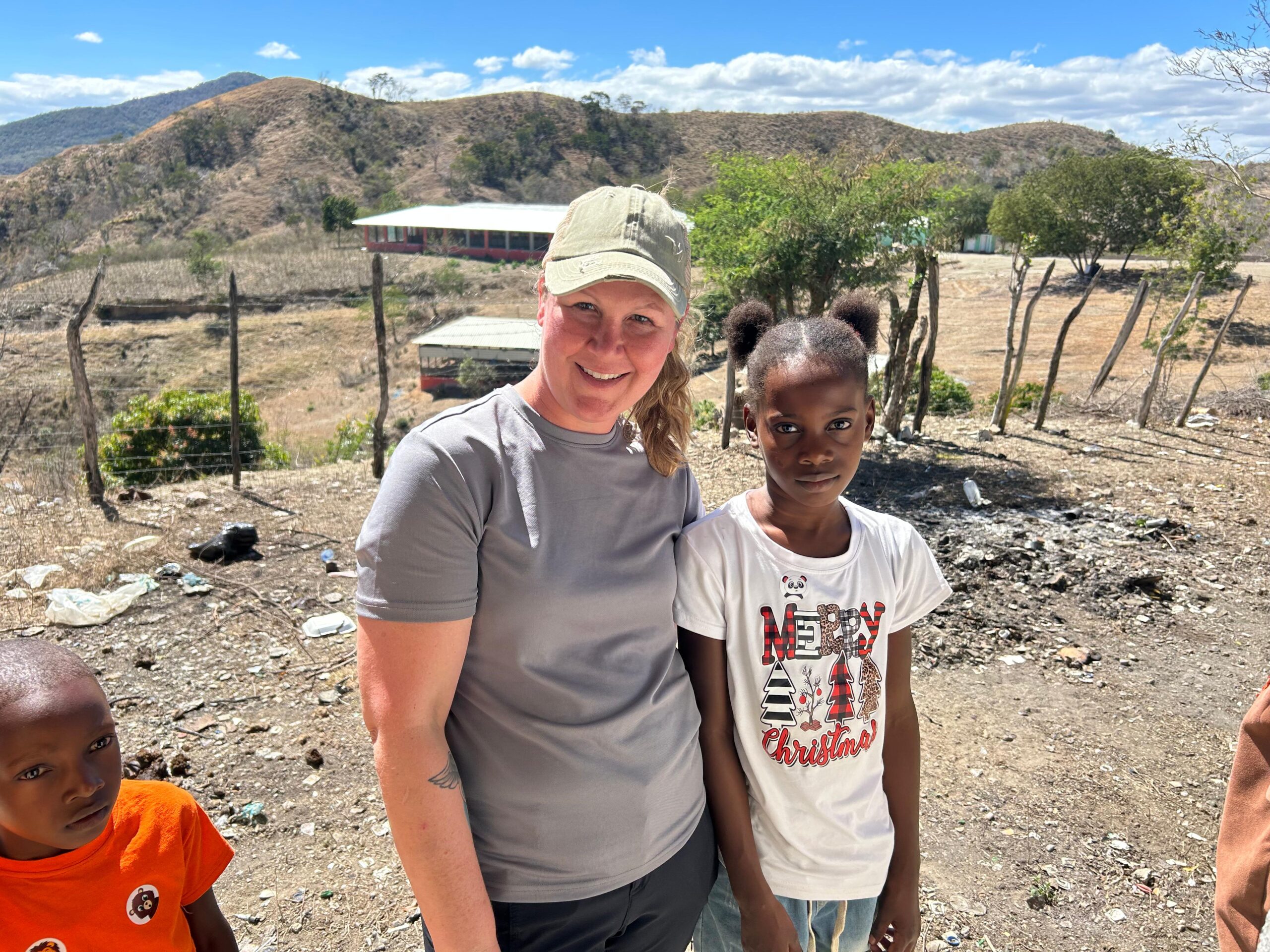
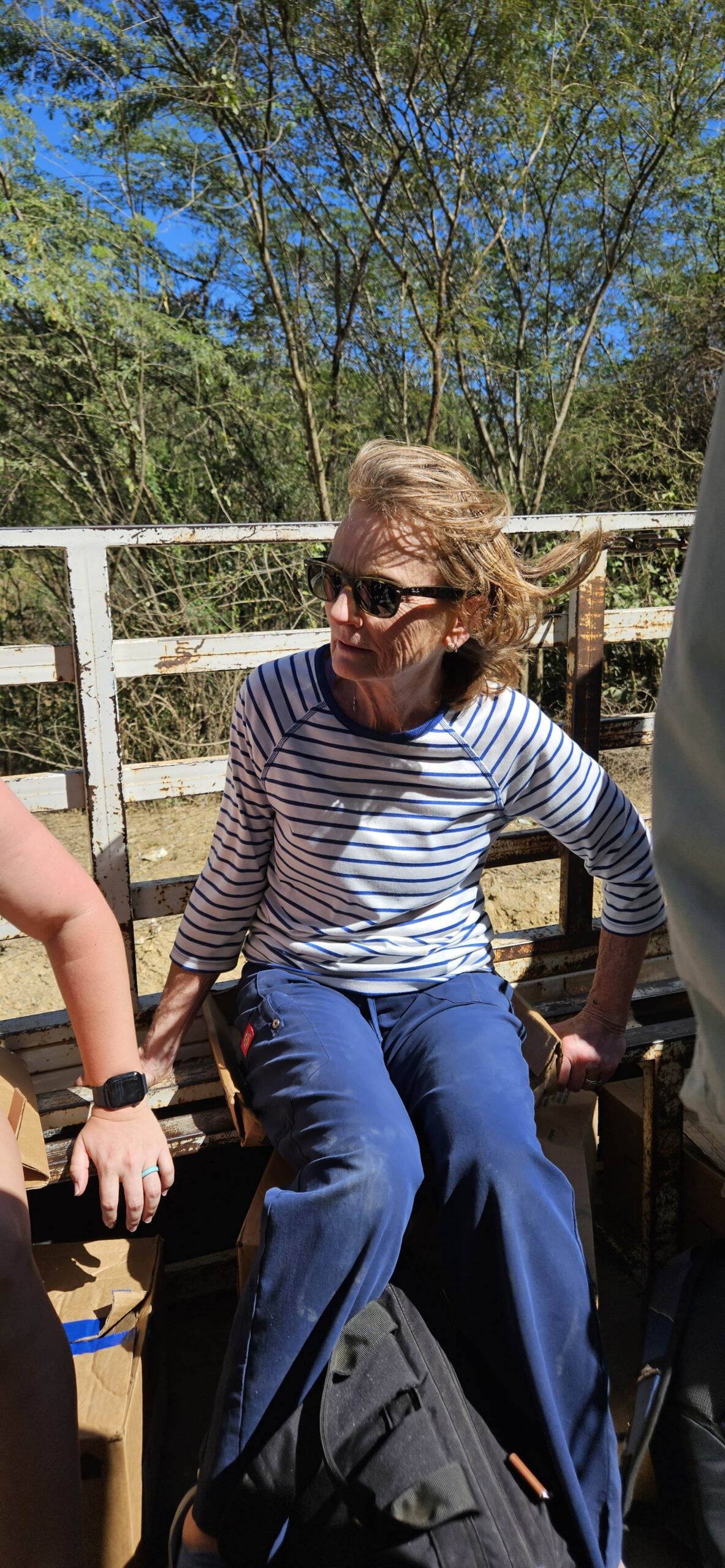
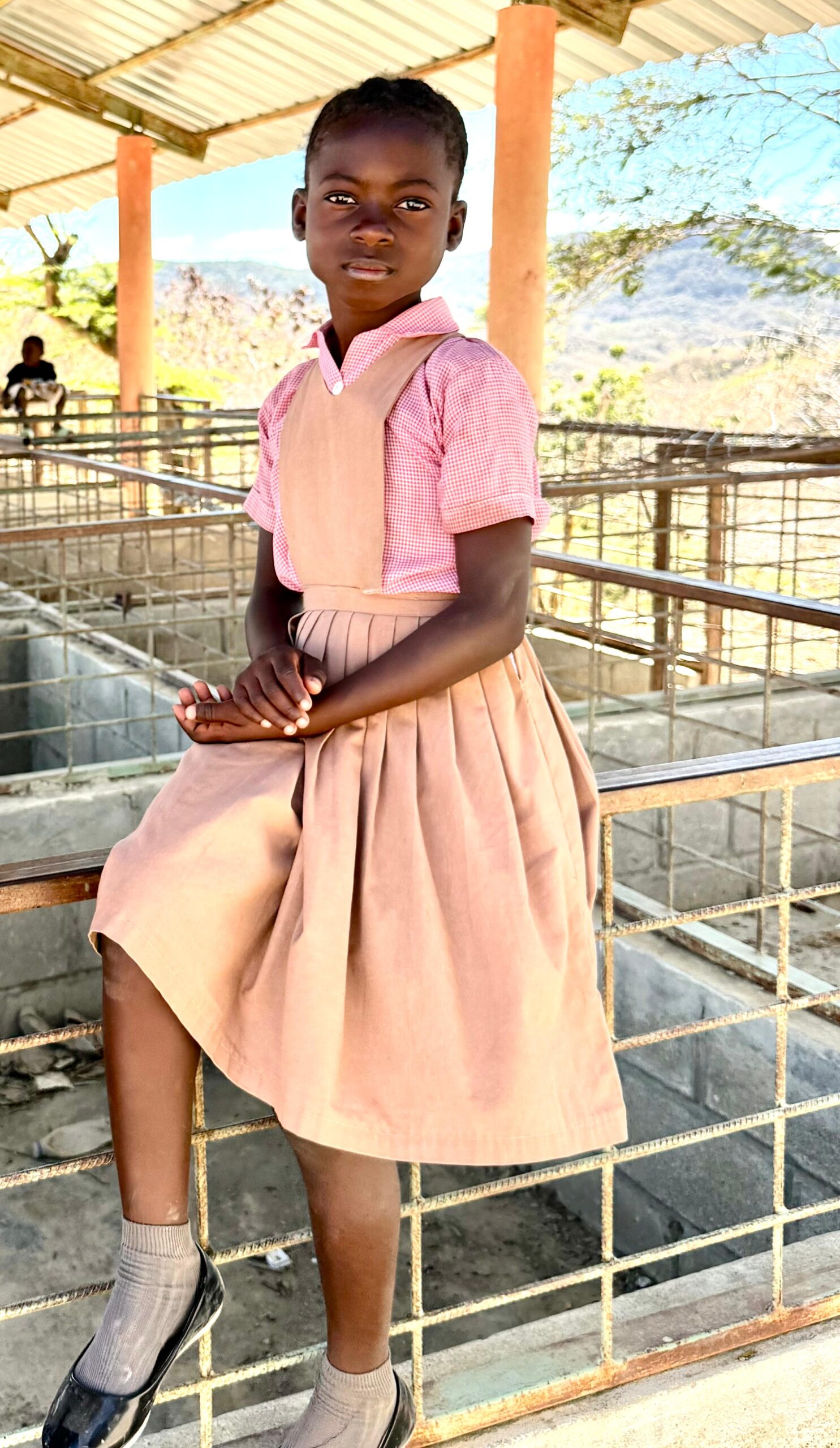
The journey to our second clinic site took us off the beaten path—literally. Traveling south from Bánica in open-air trucks, we spent over 30 minutes navigating rugged, unpaved roads that wound through steep hills and rural landscapes. The drive offered a raw look at the local environment, passing free-roaming livestock and humble homes before arriving at the village of Pilon. Even before we could offload our gear, a crowd of over 30 people was already waiting, signaling just how much our presence was needed in this remote area.
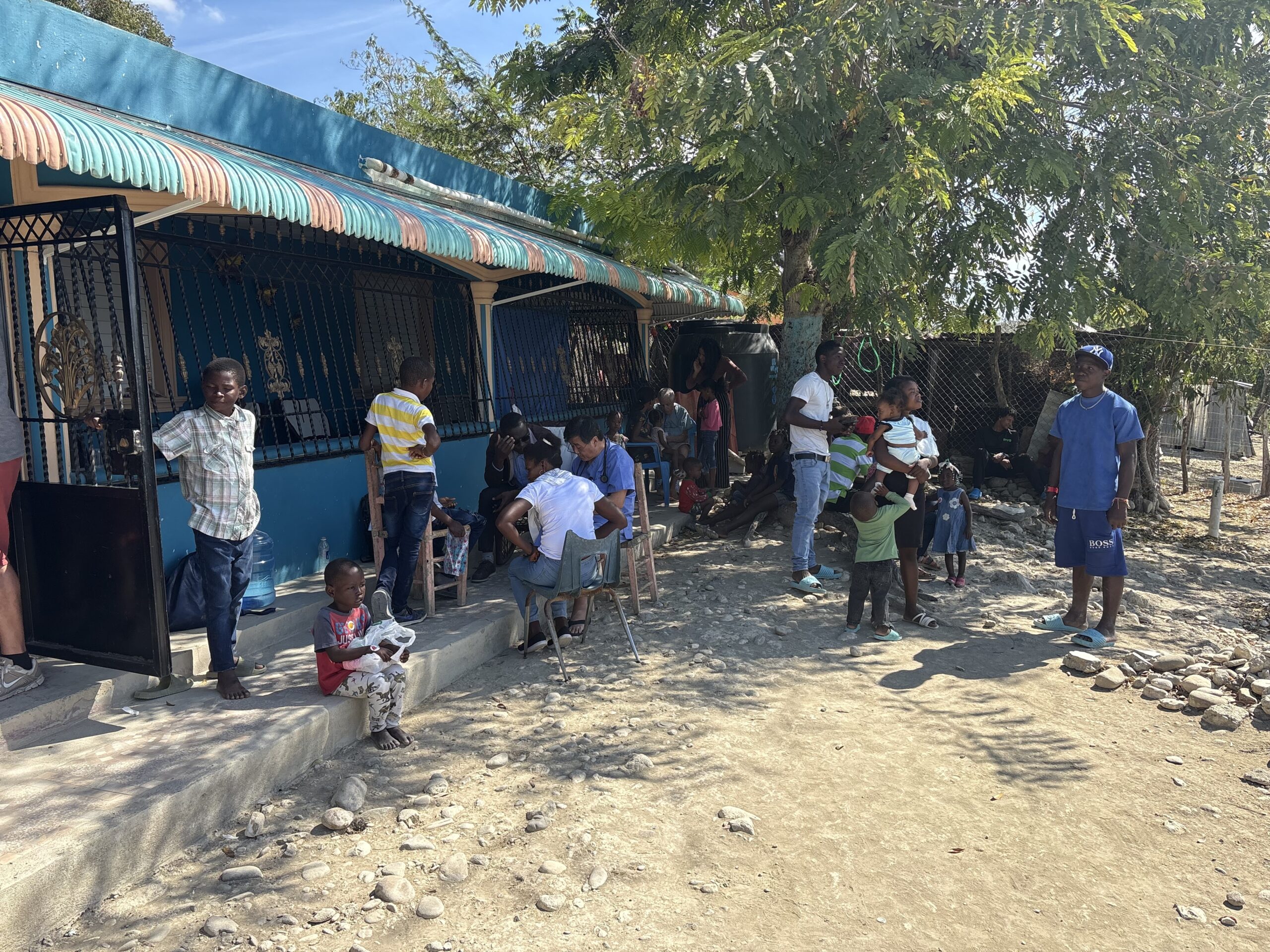
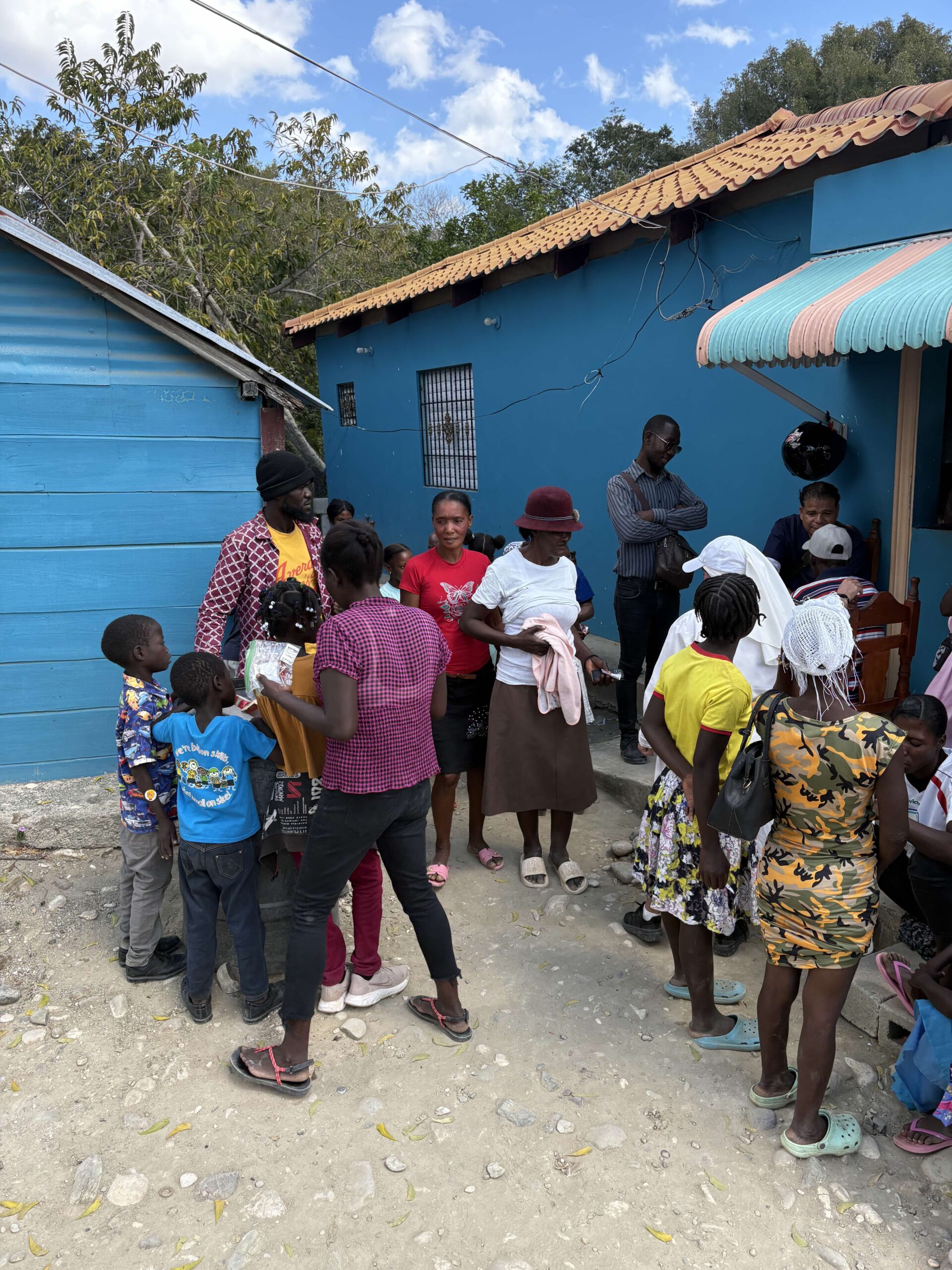
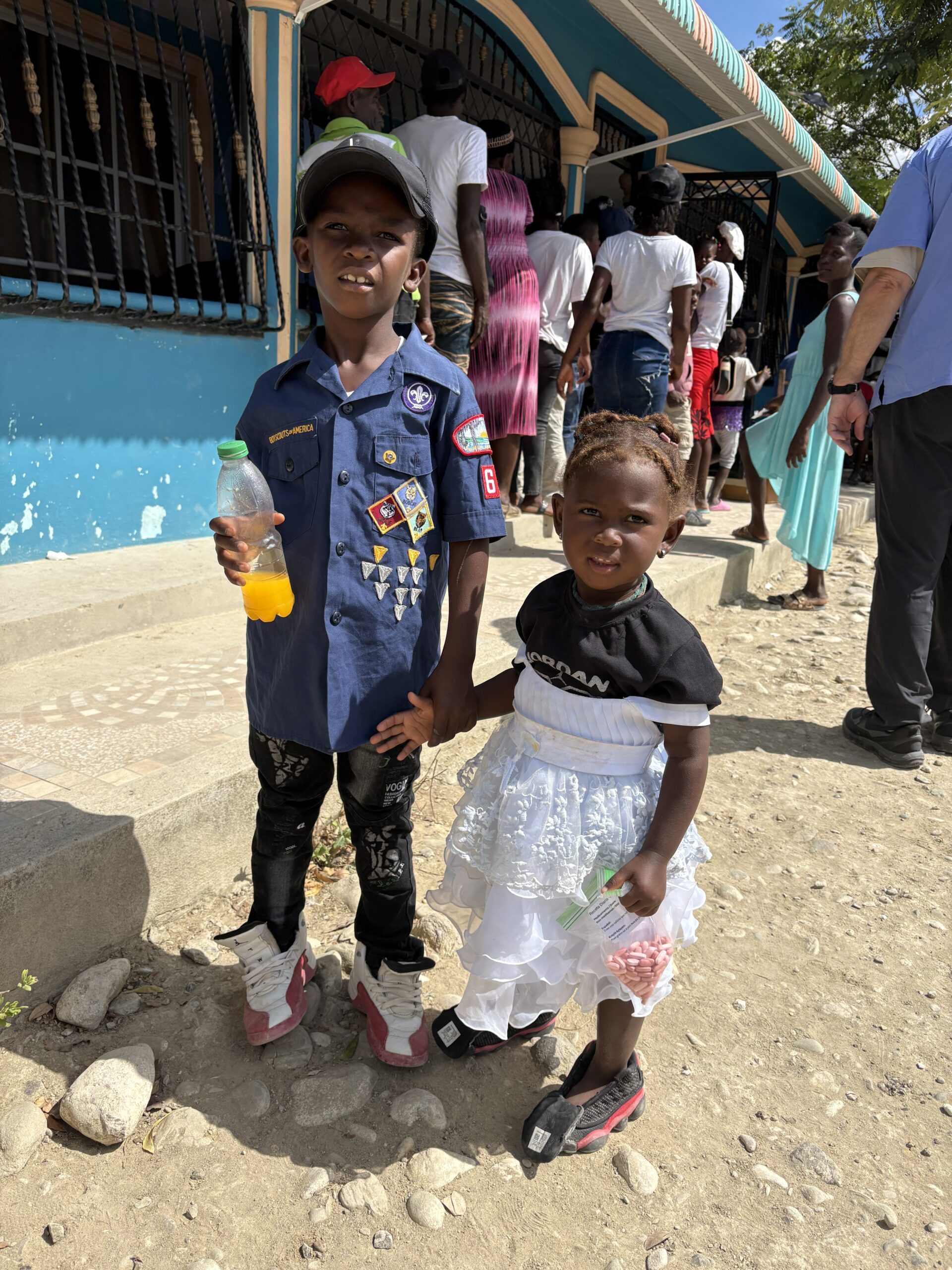
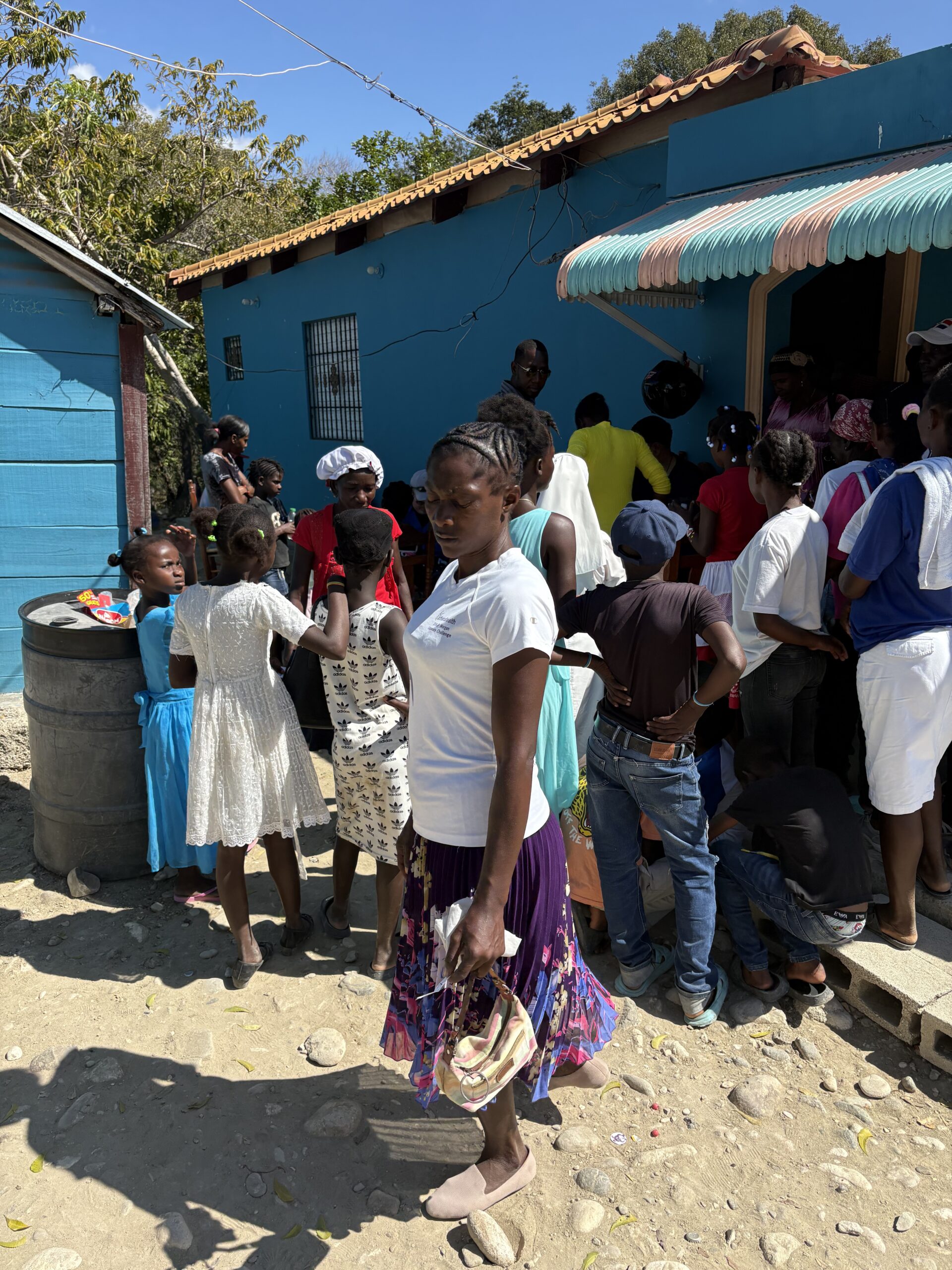
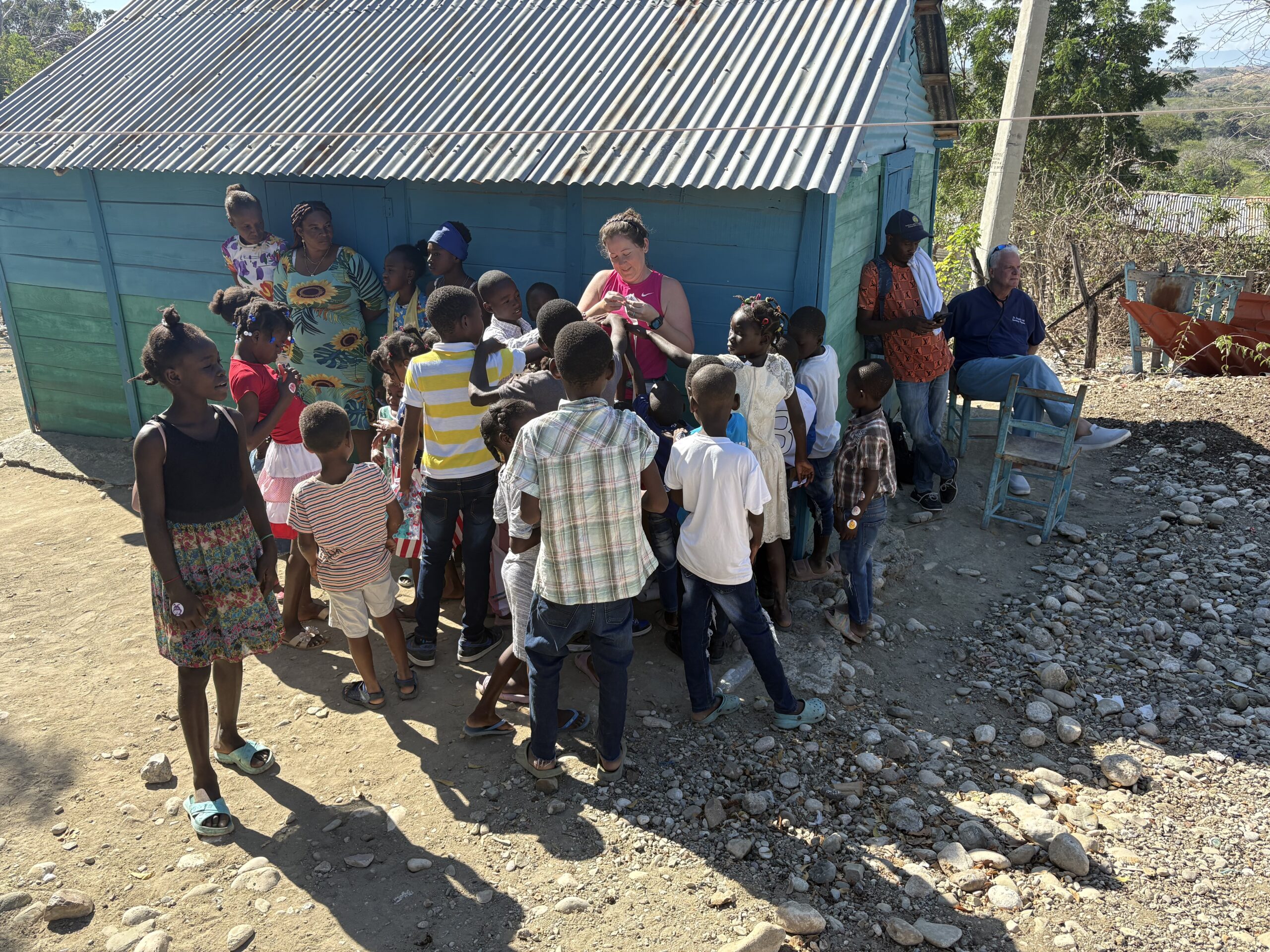
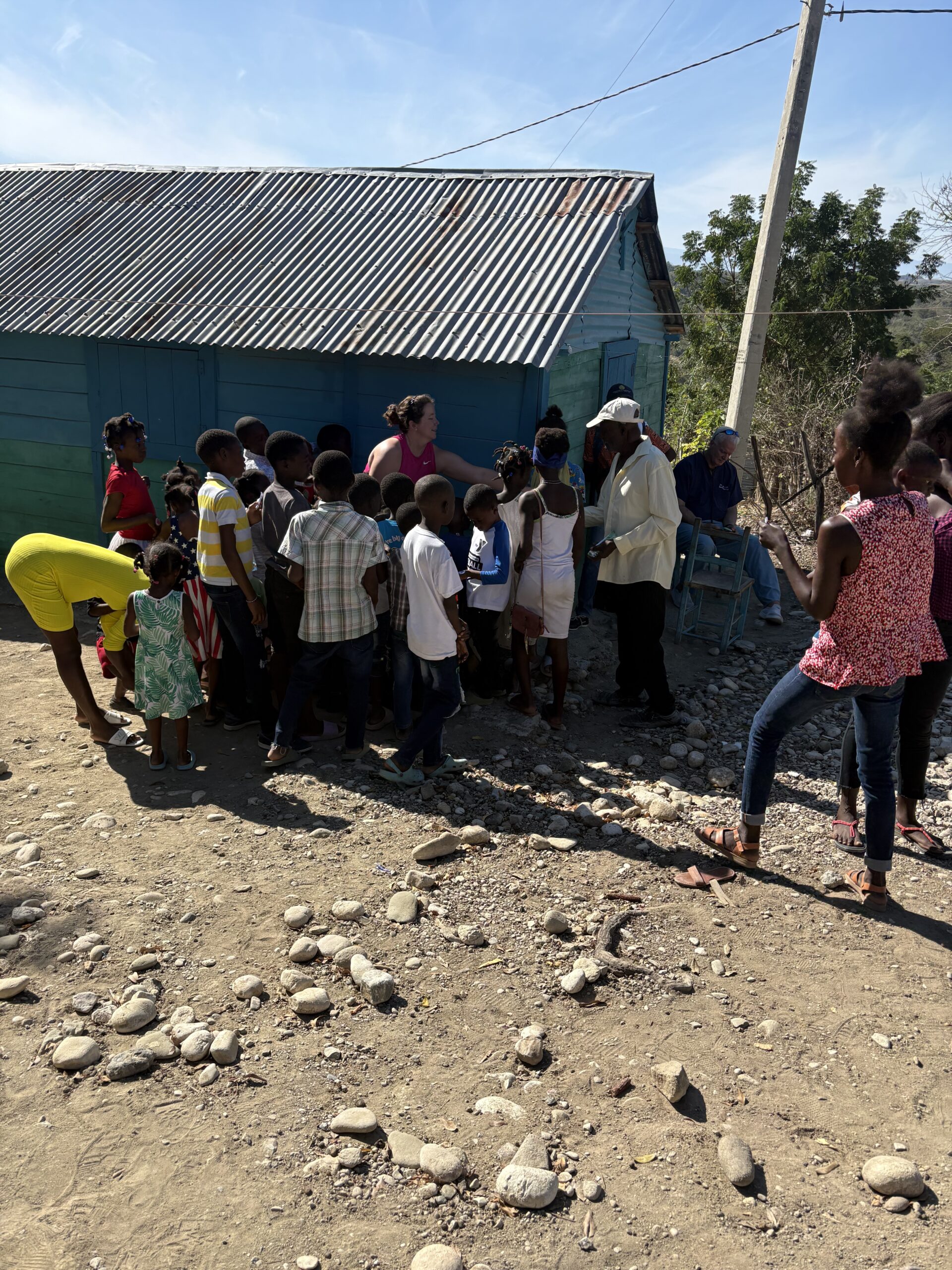
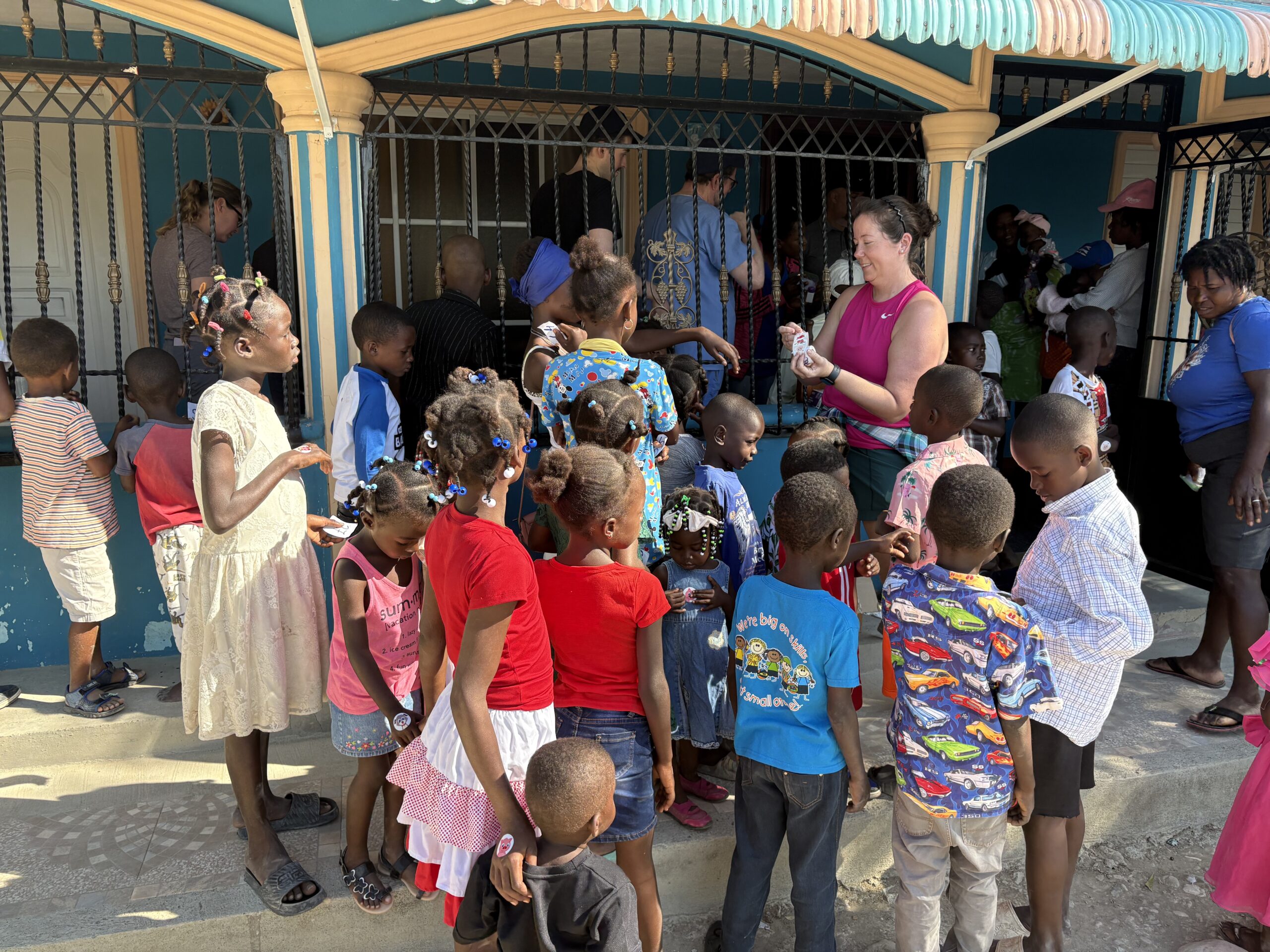
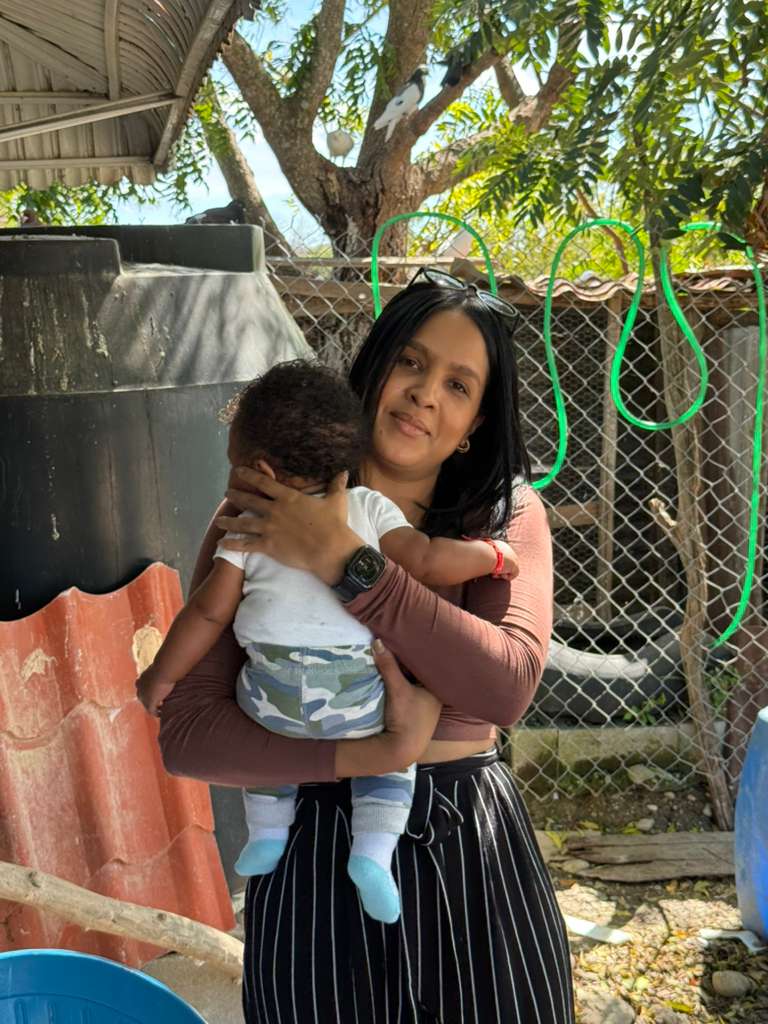
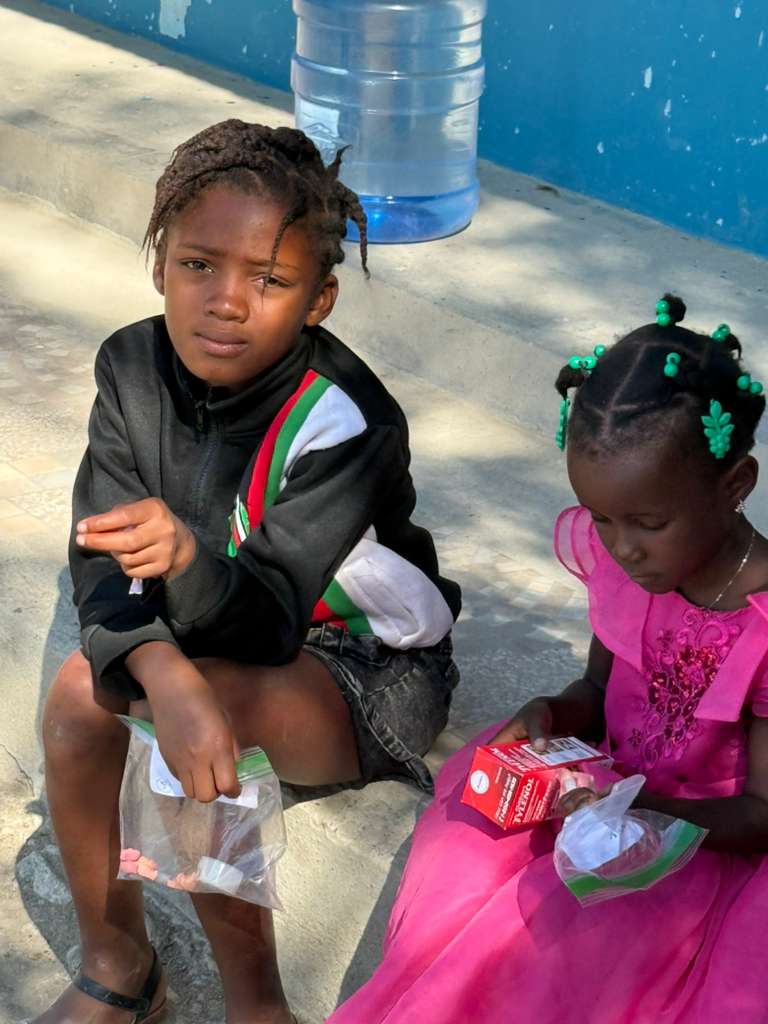
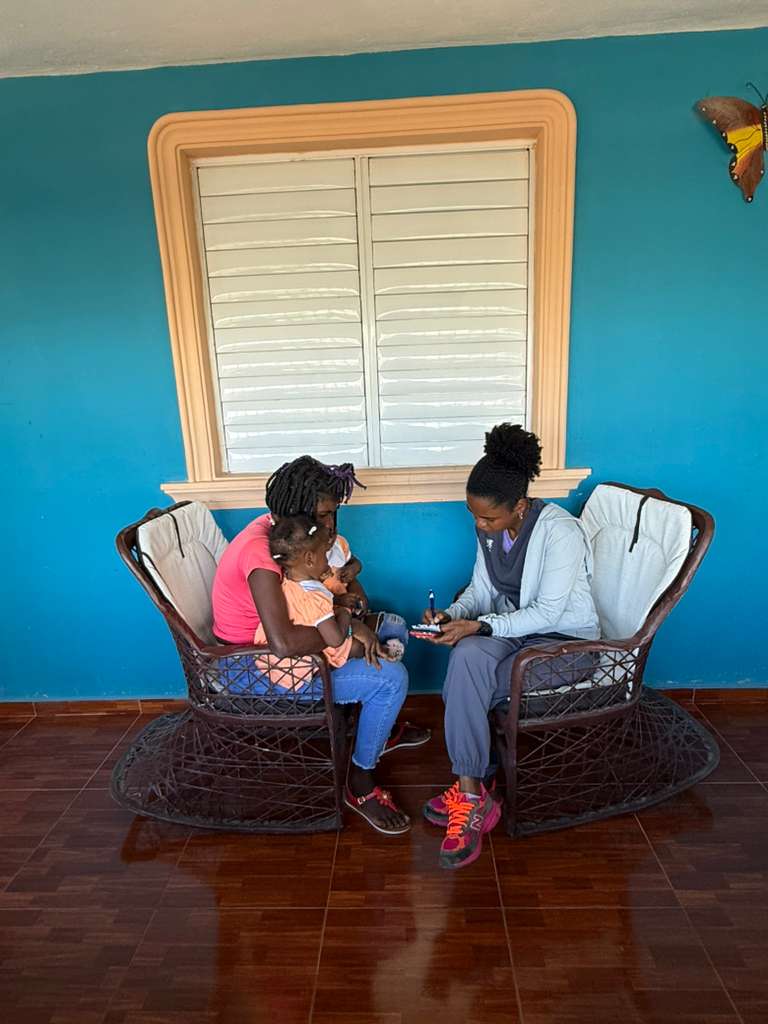
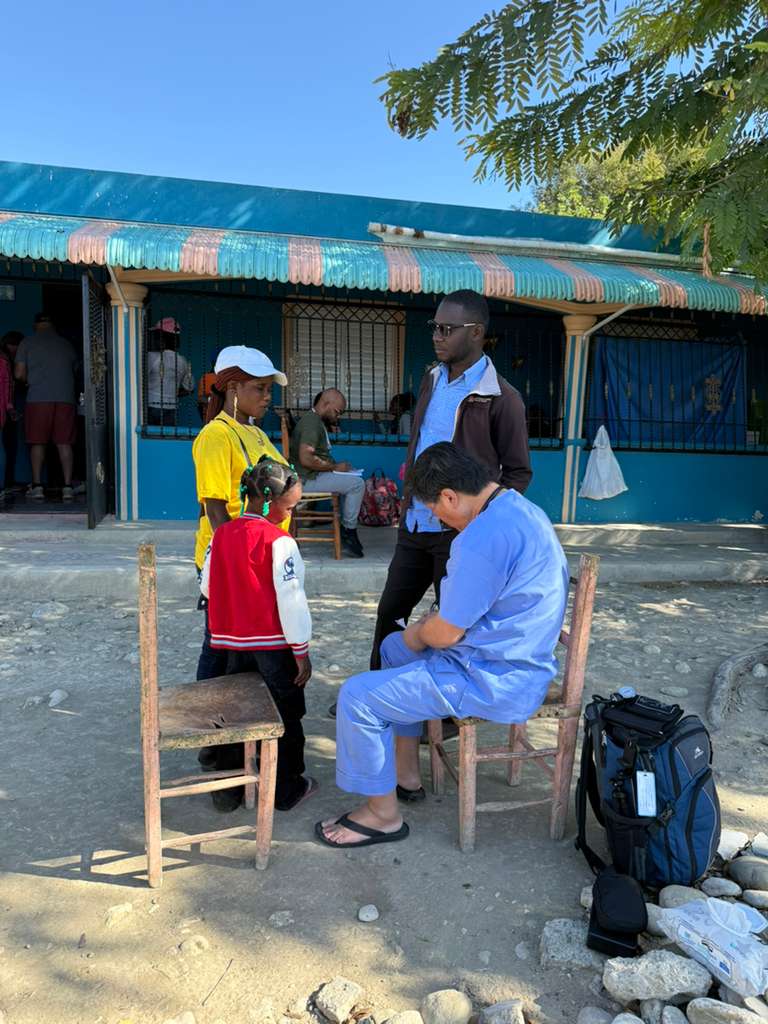
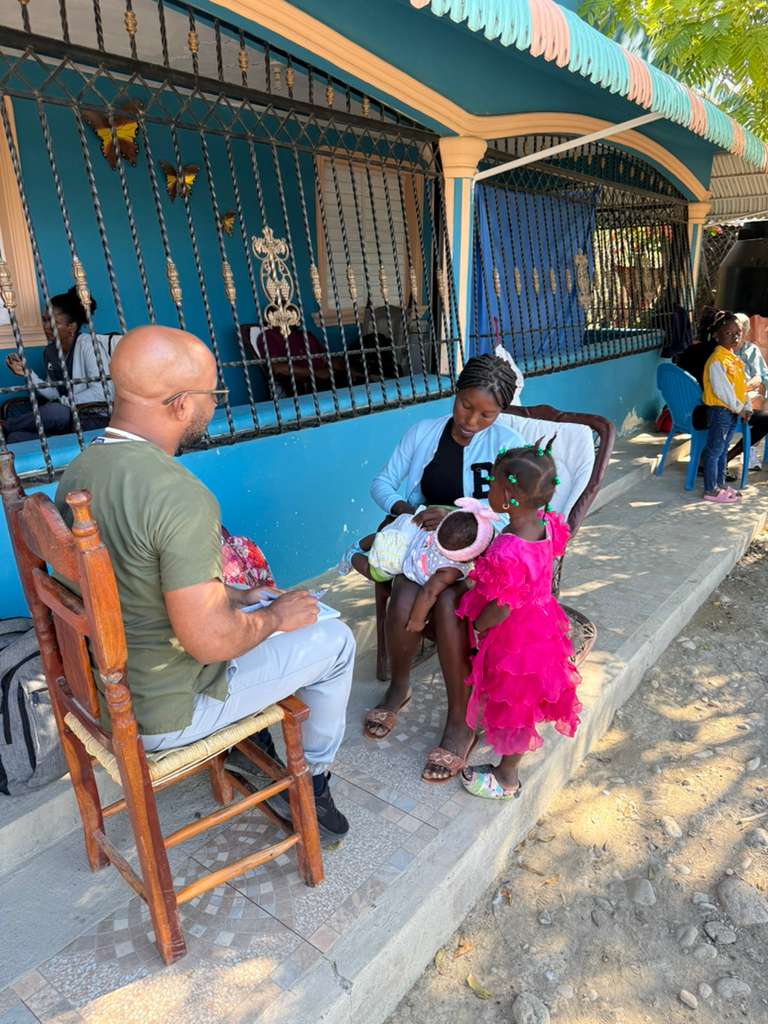
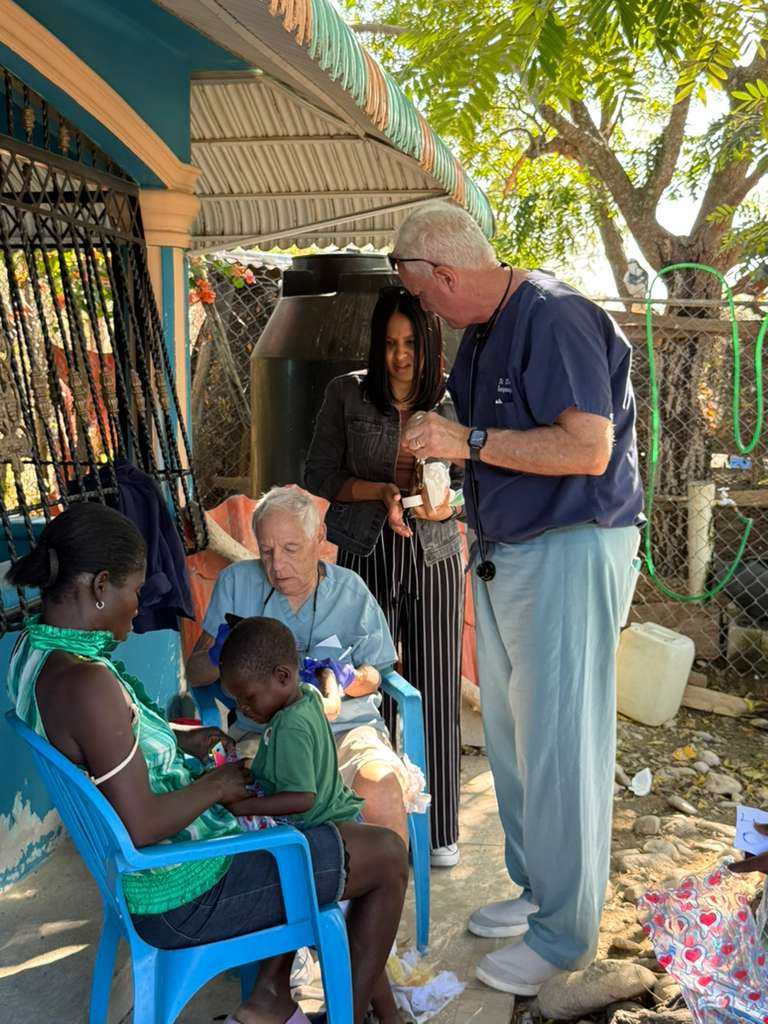
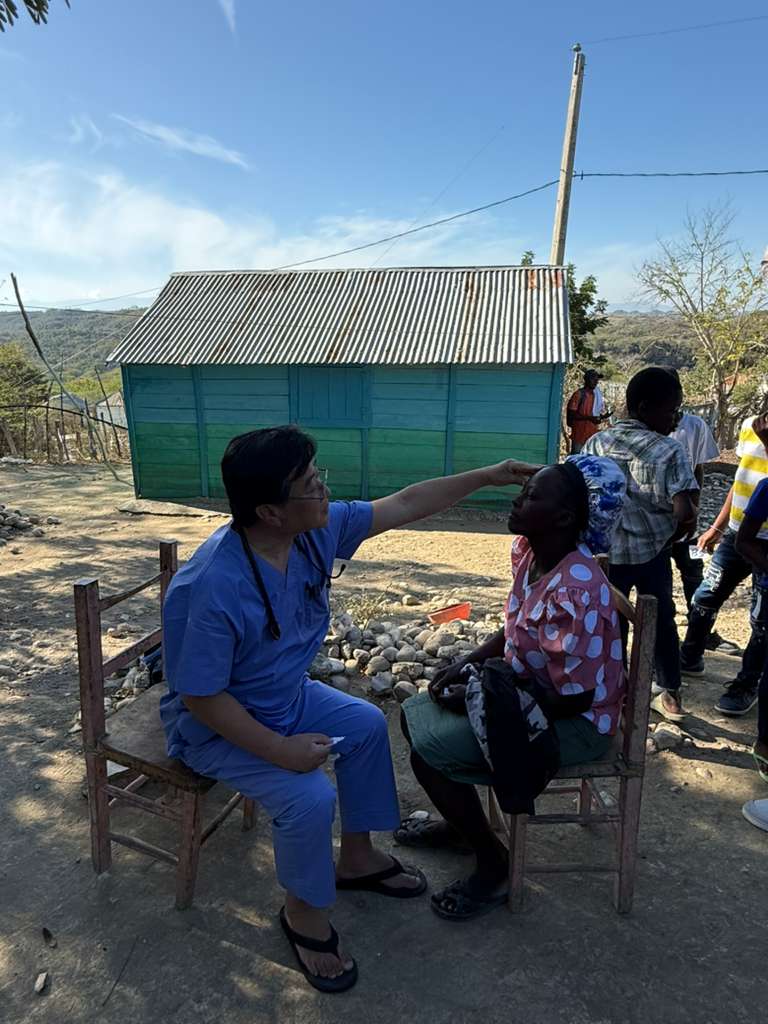
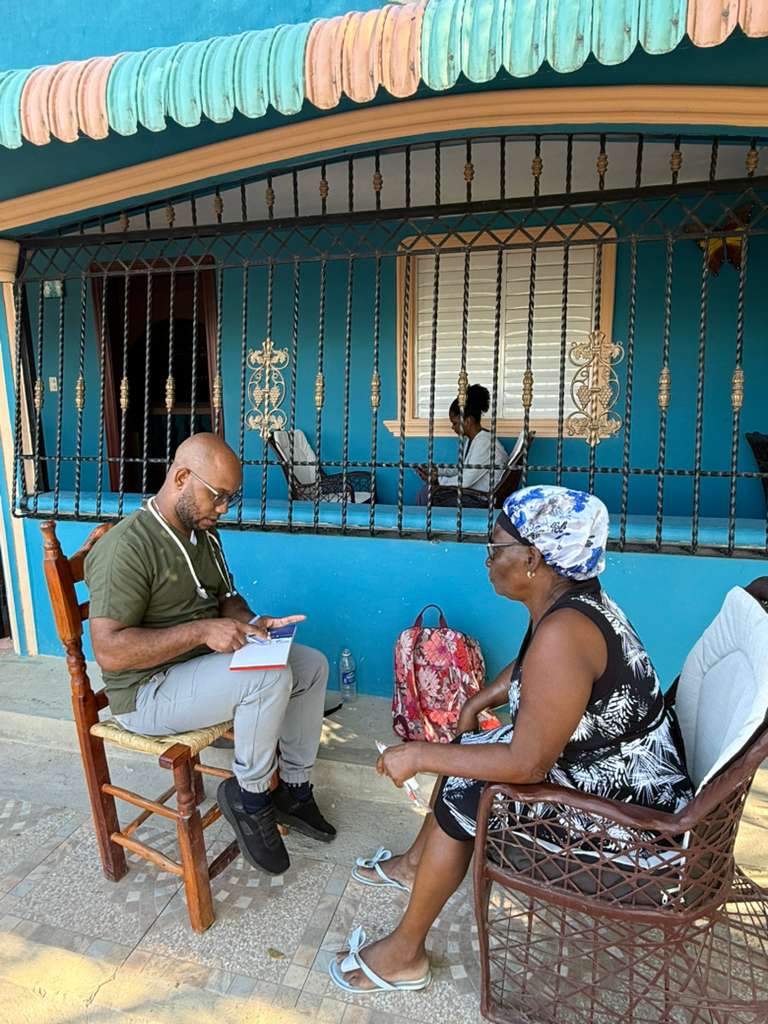
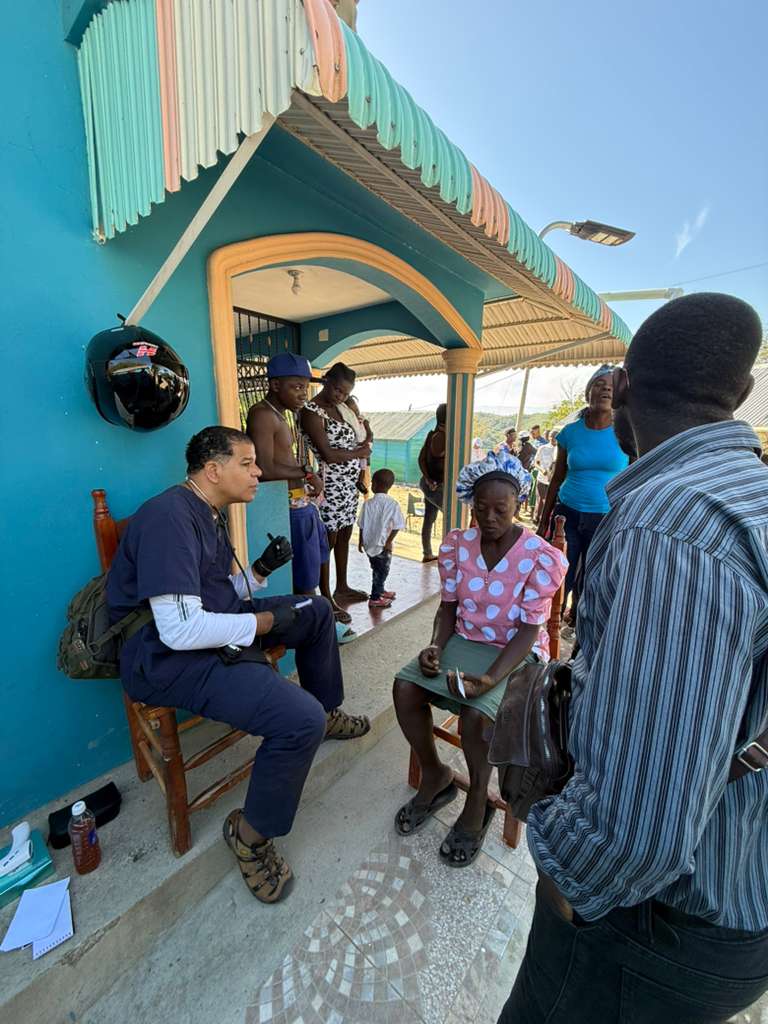
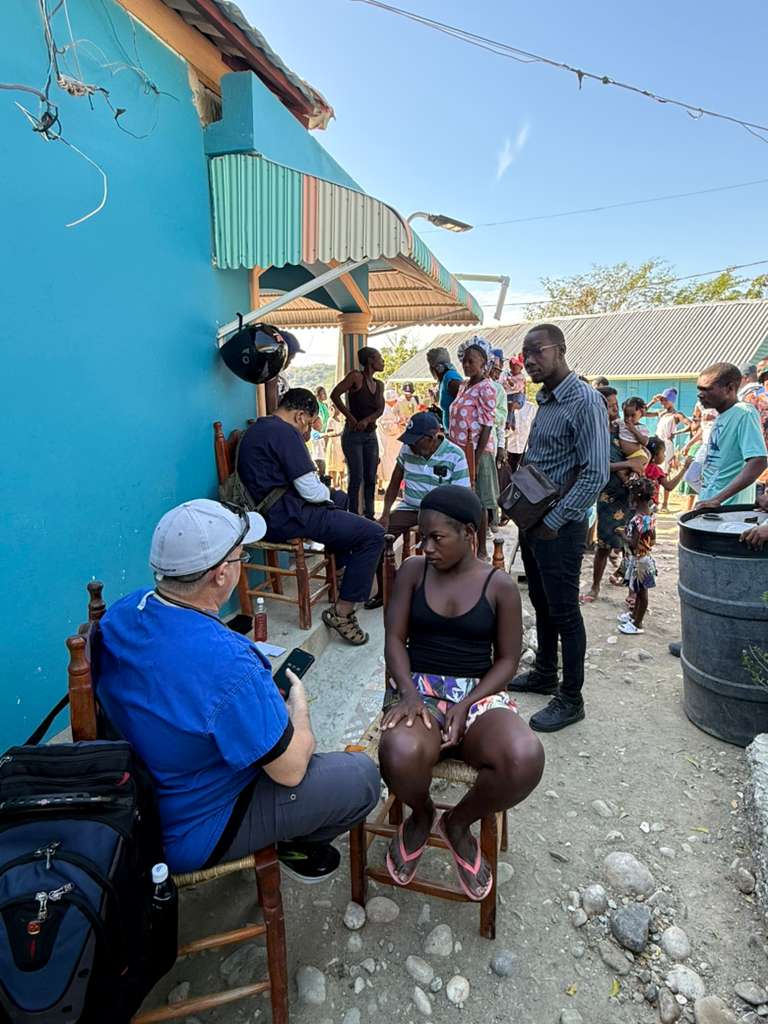
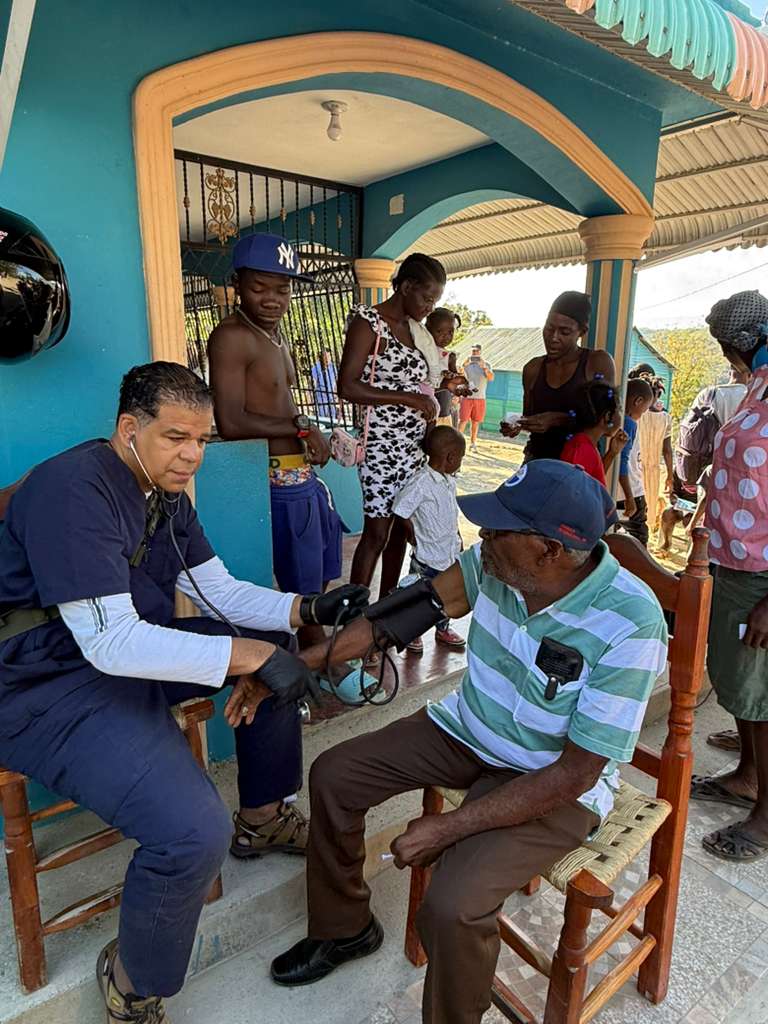
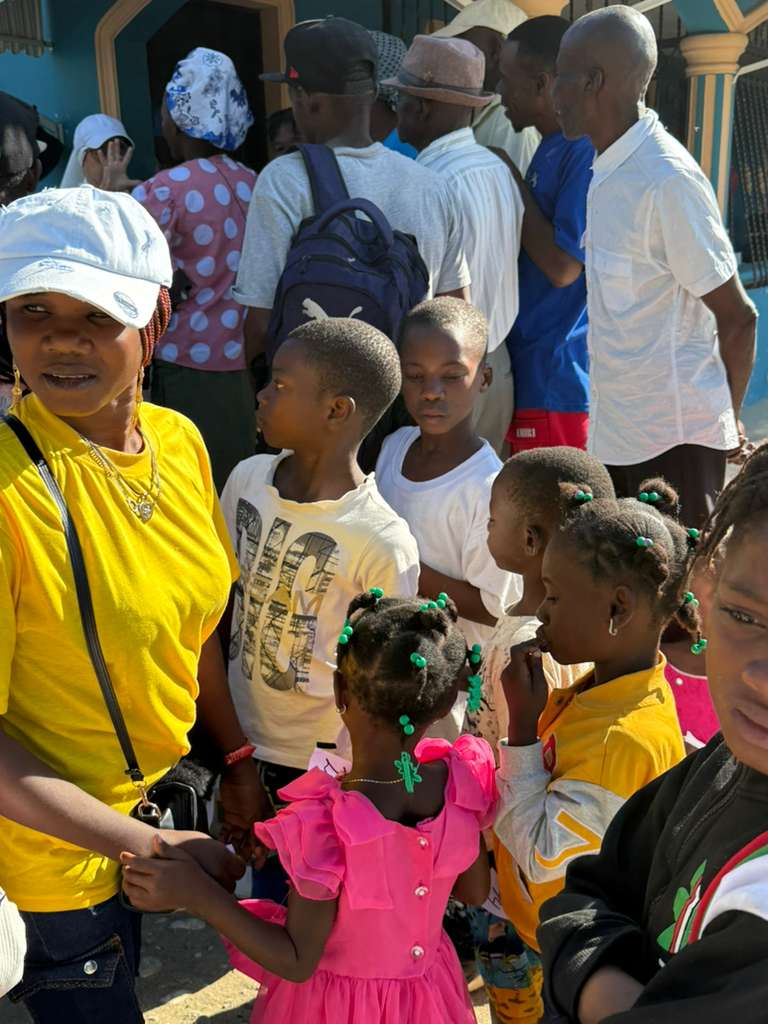
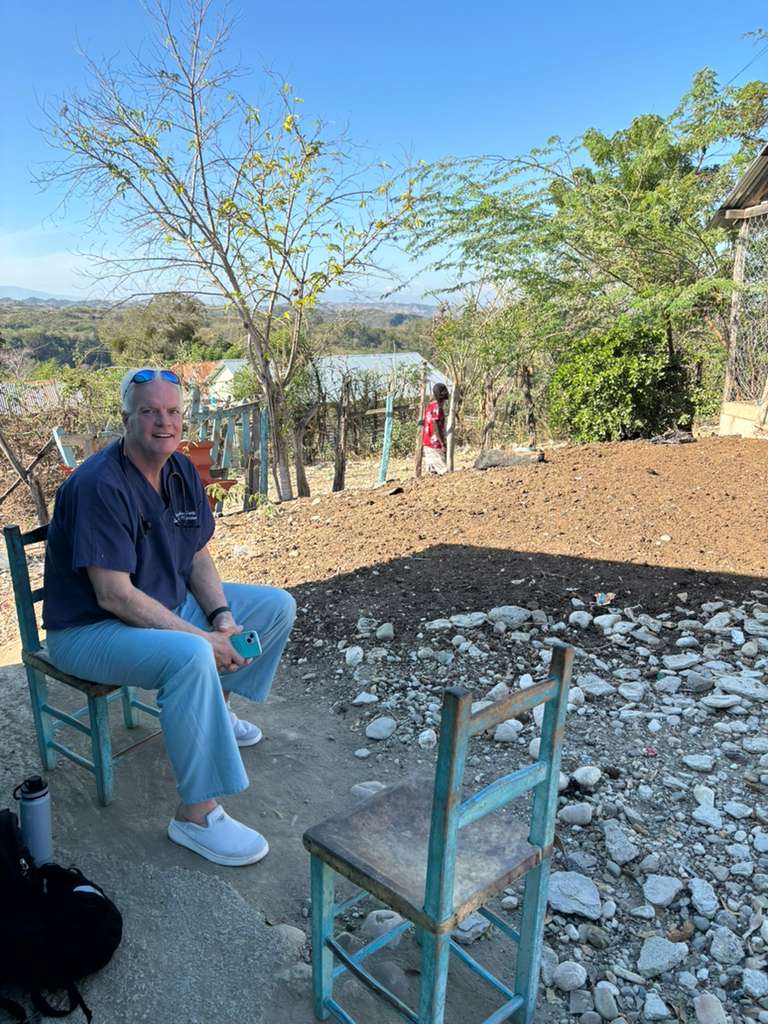
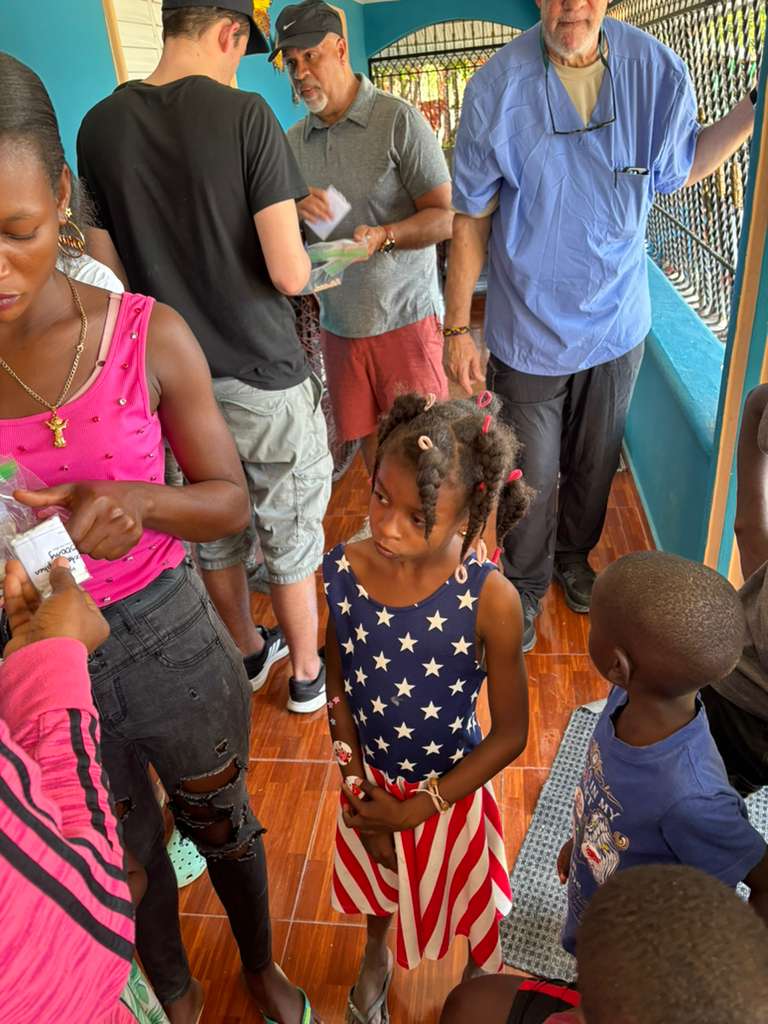
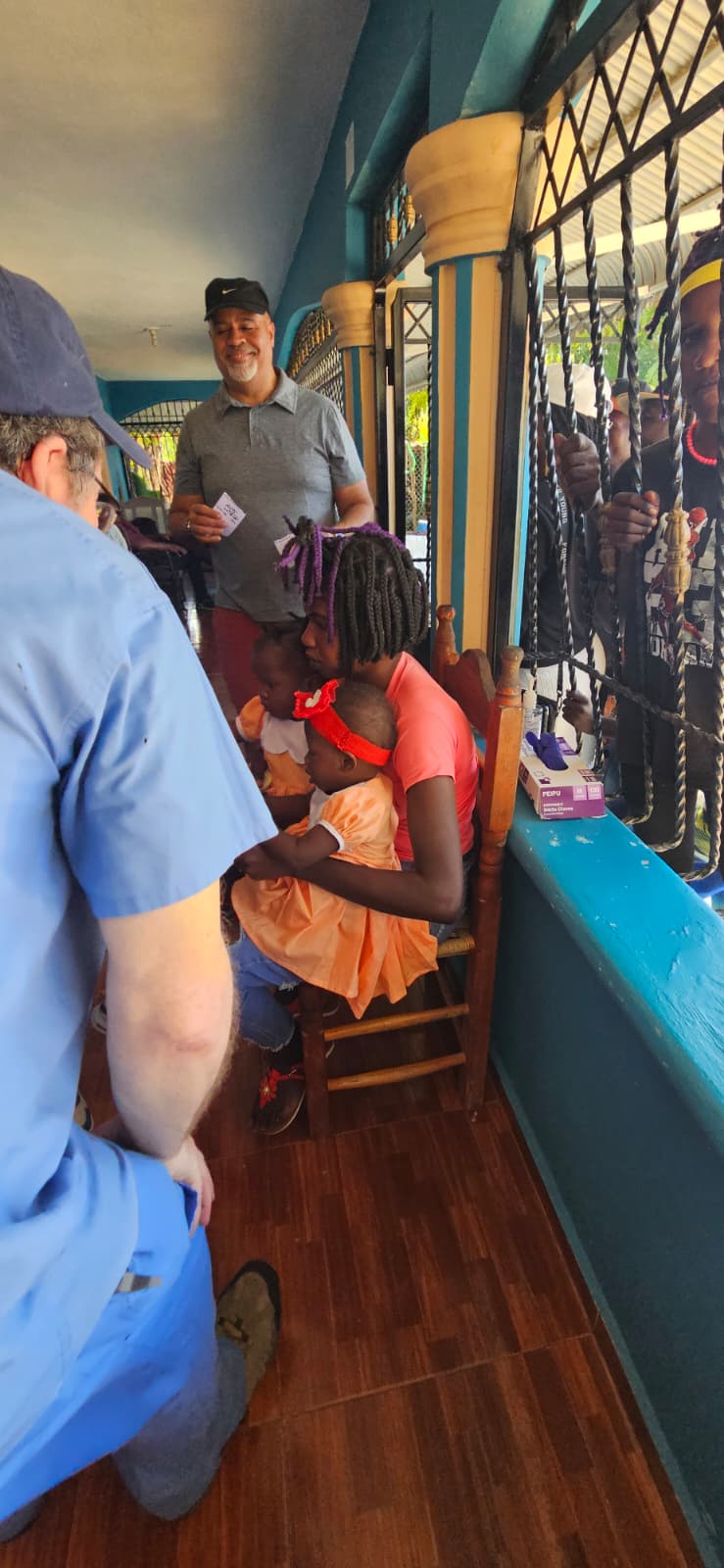
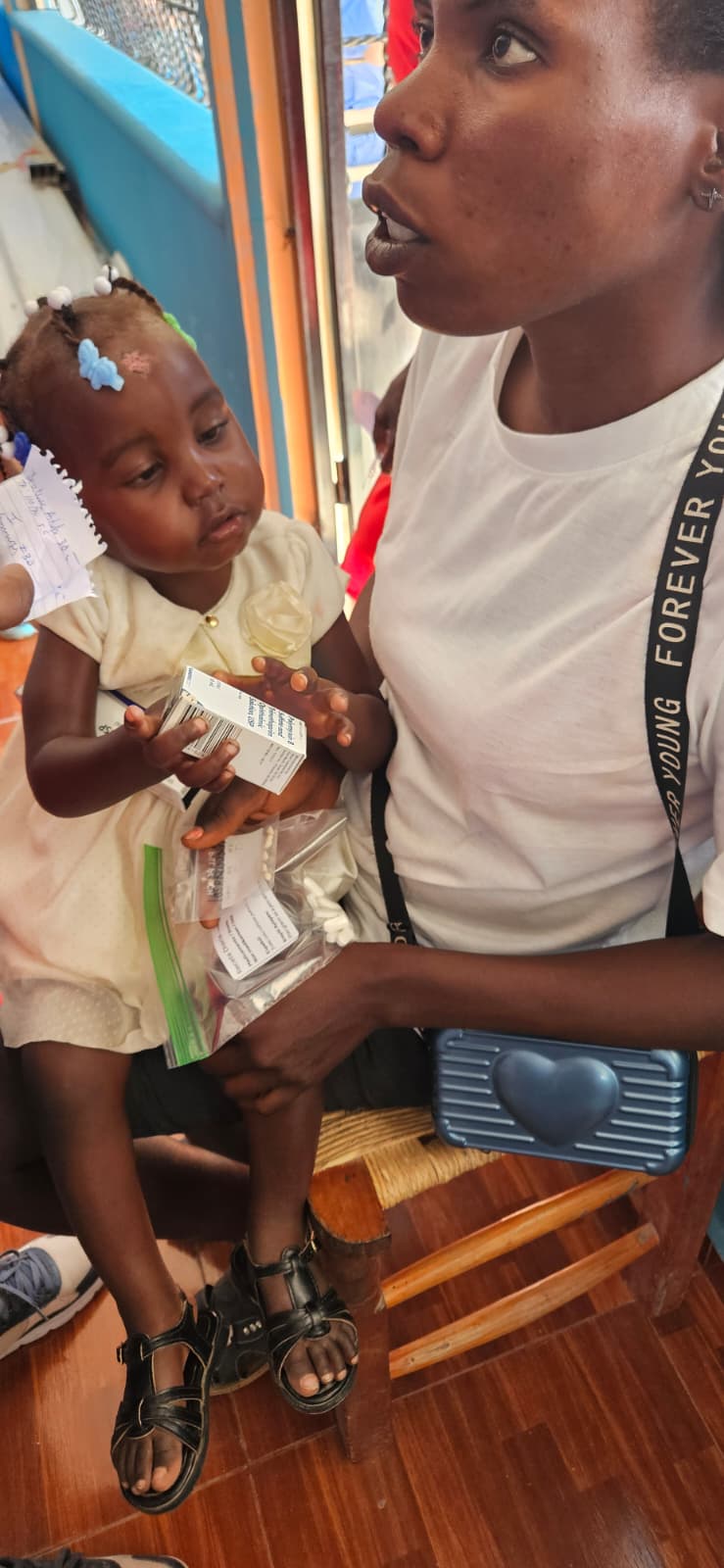
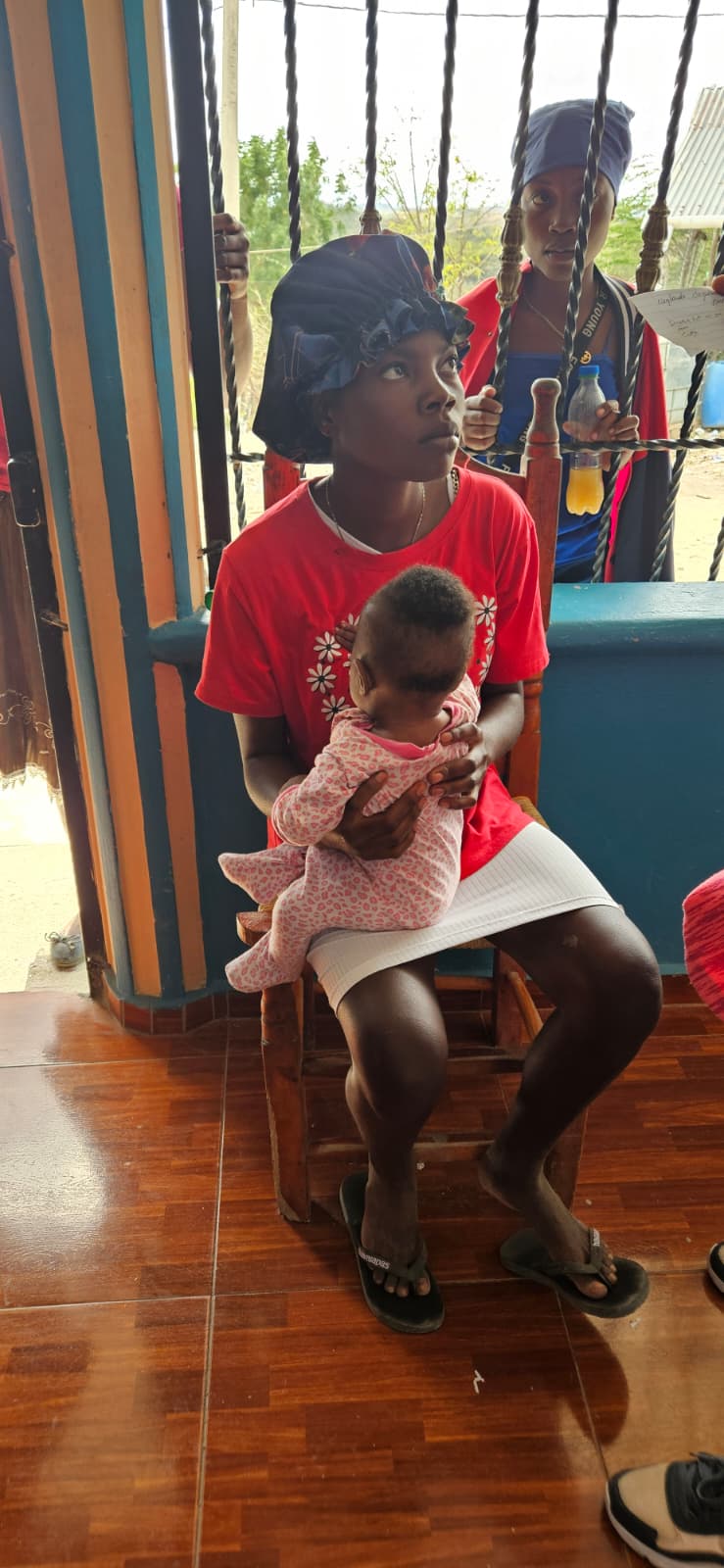
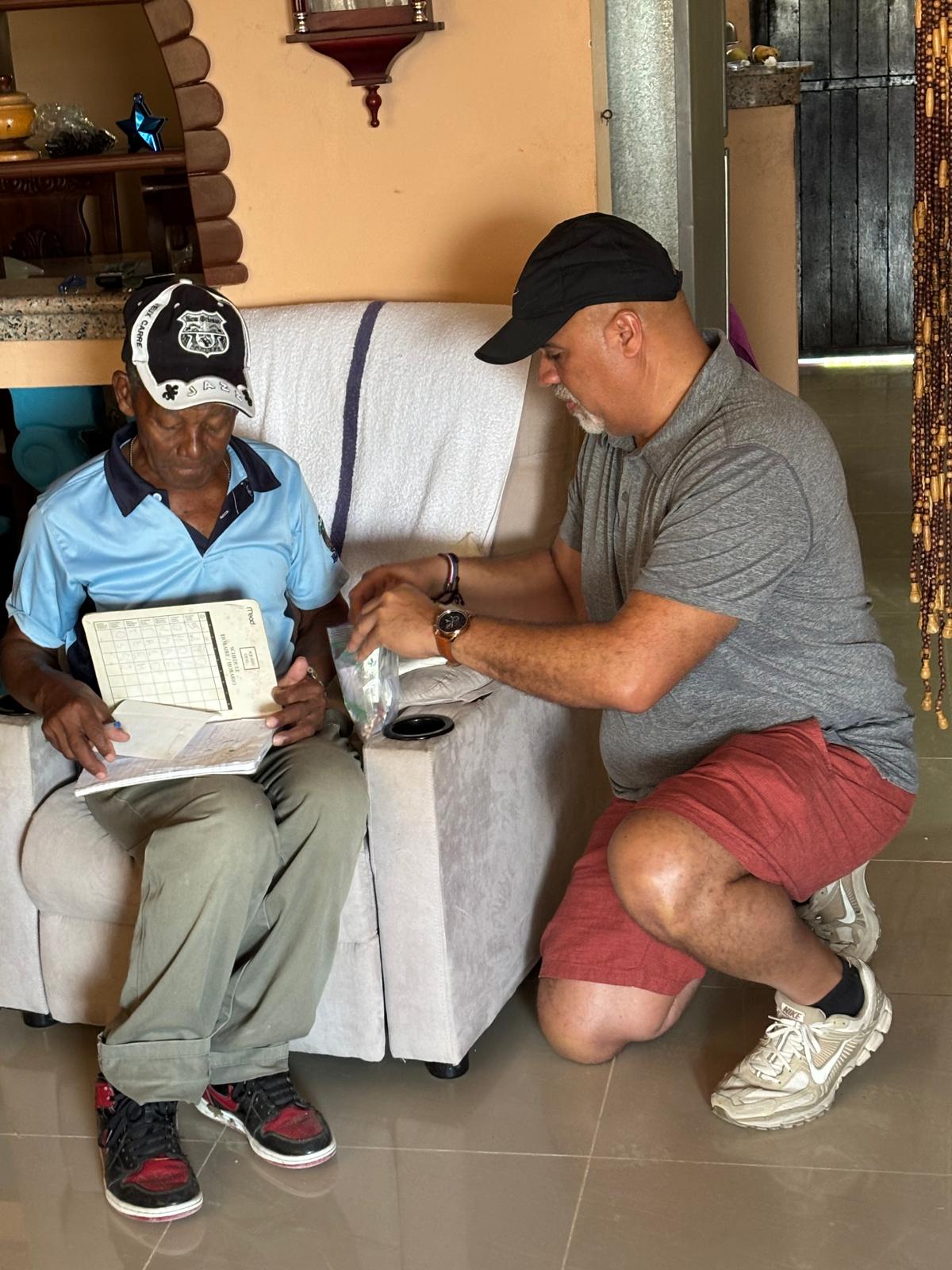
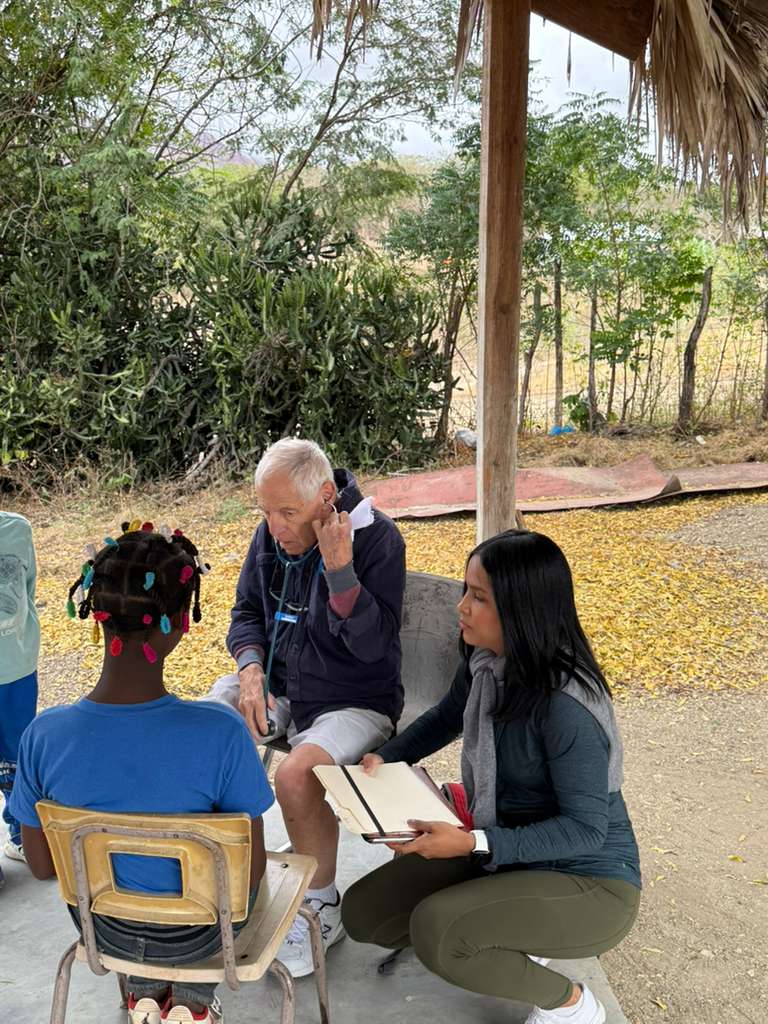
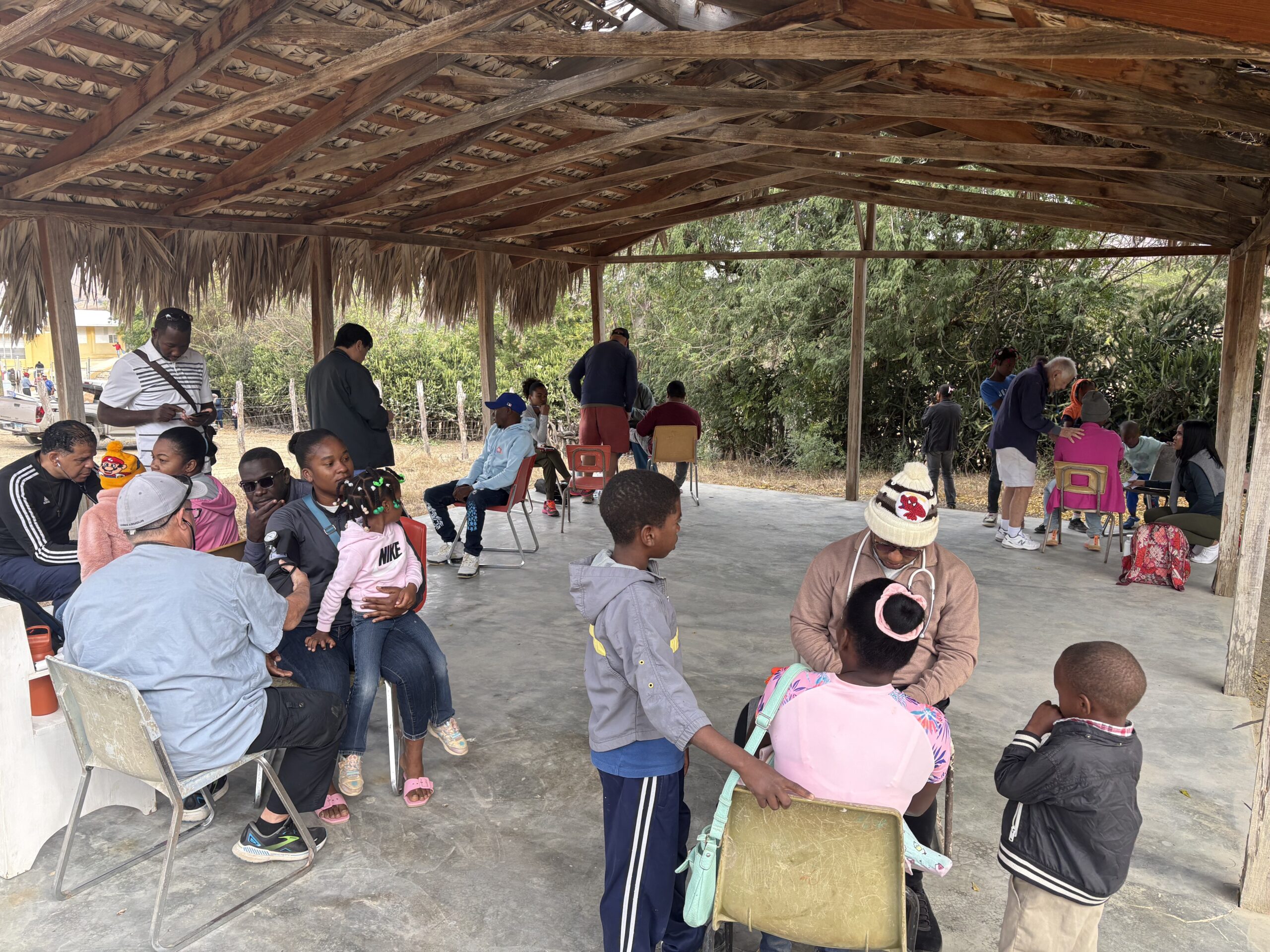
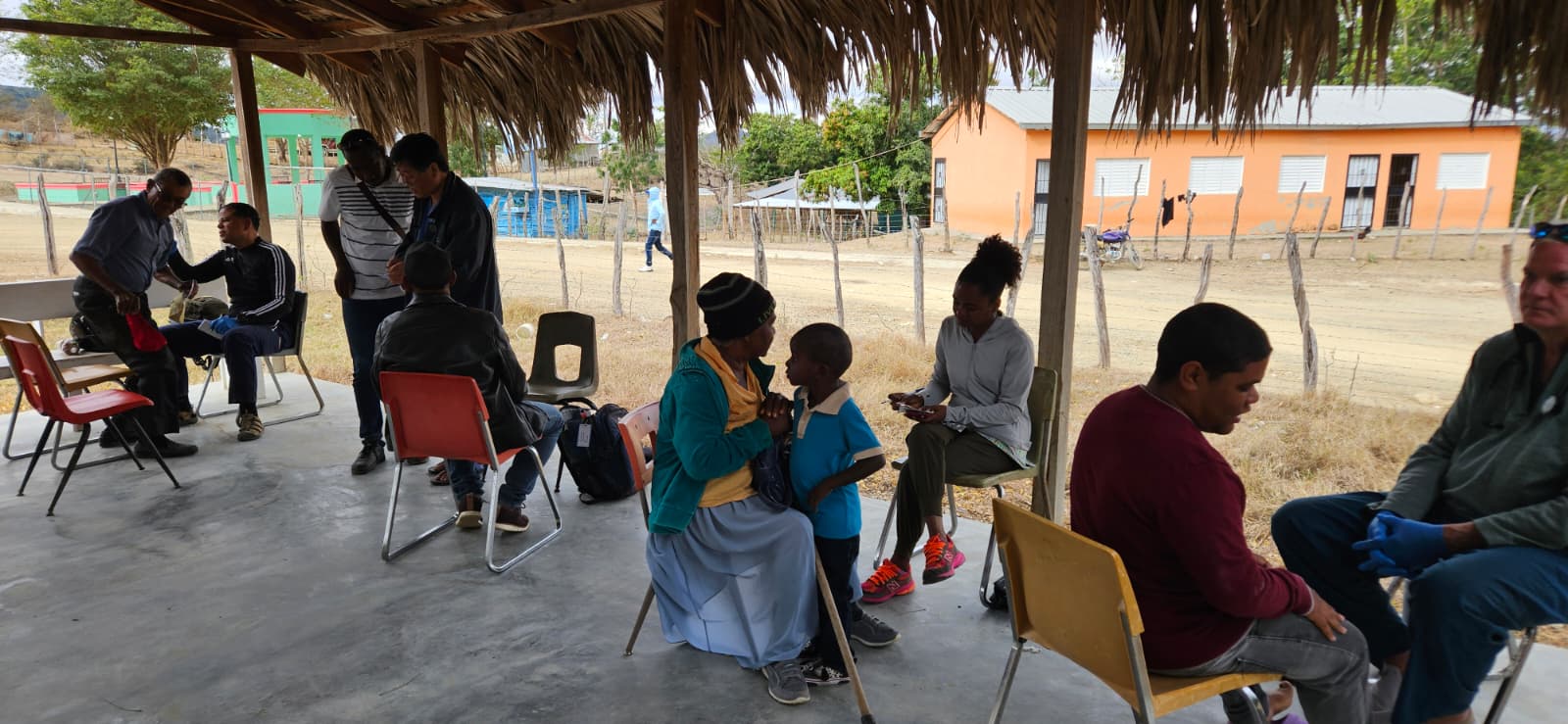
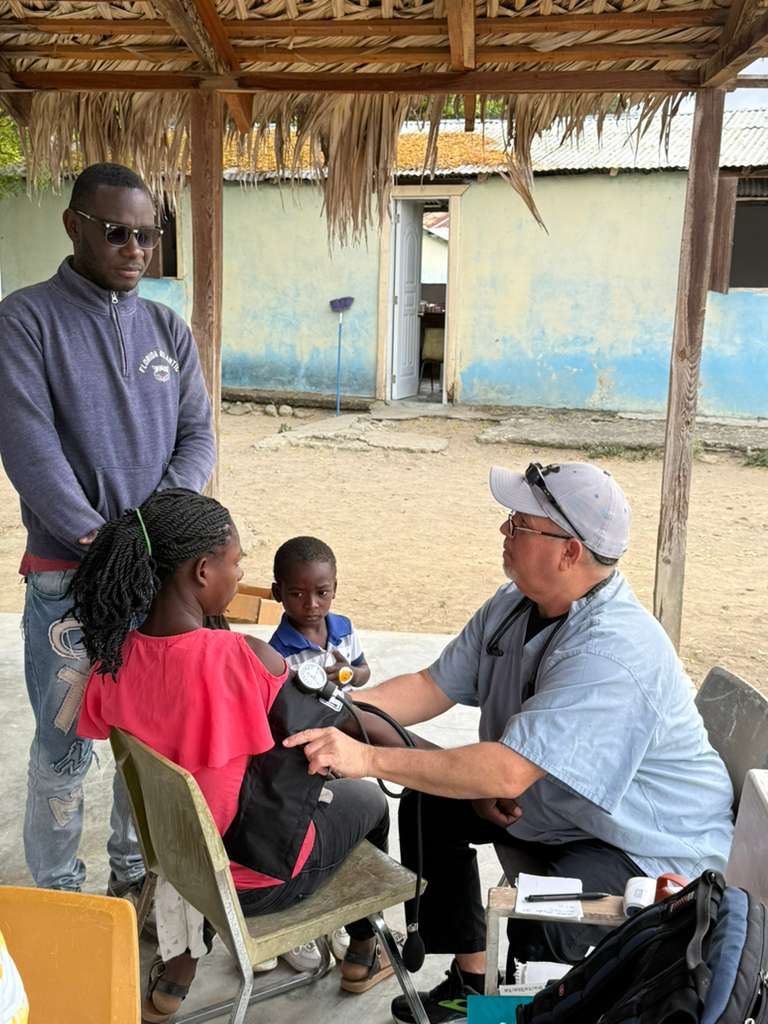
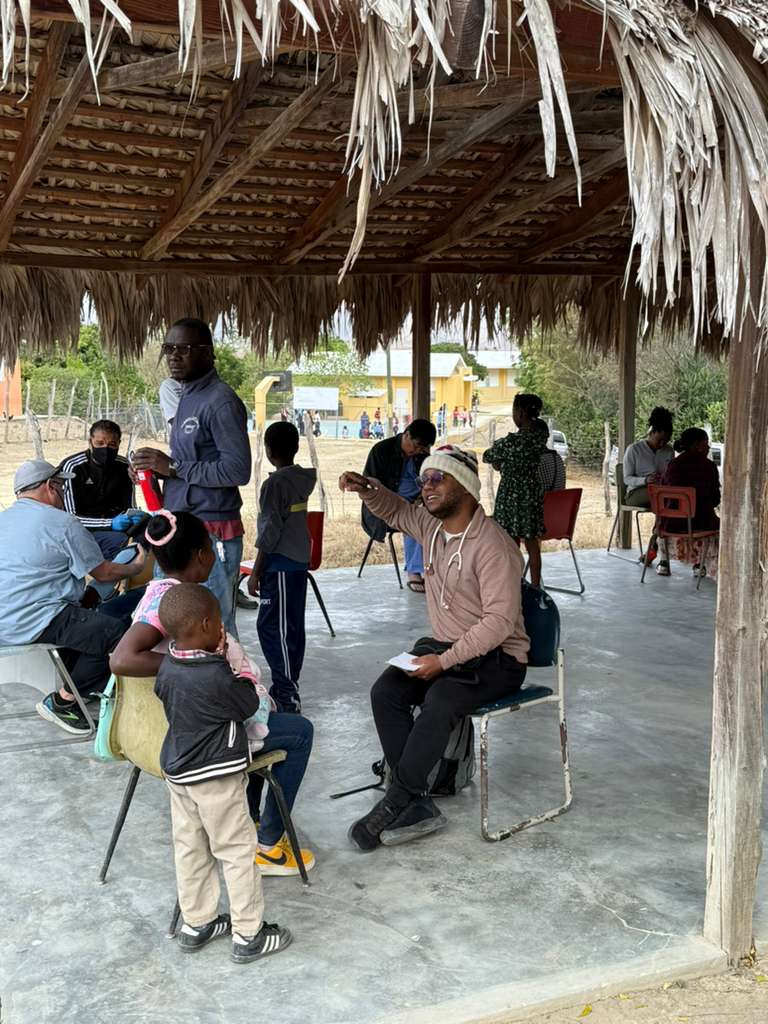
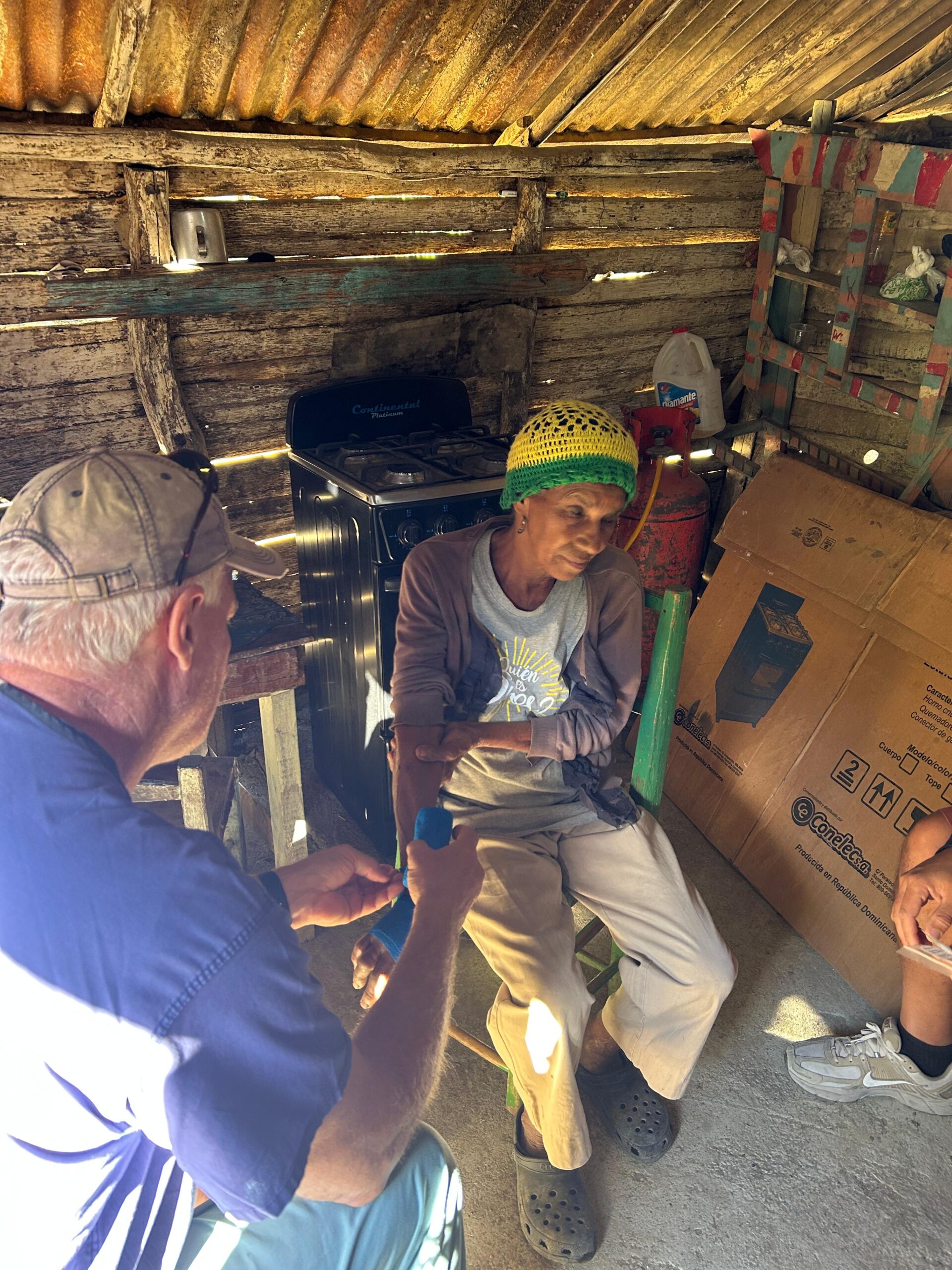
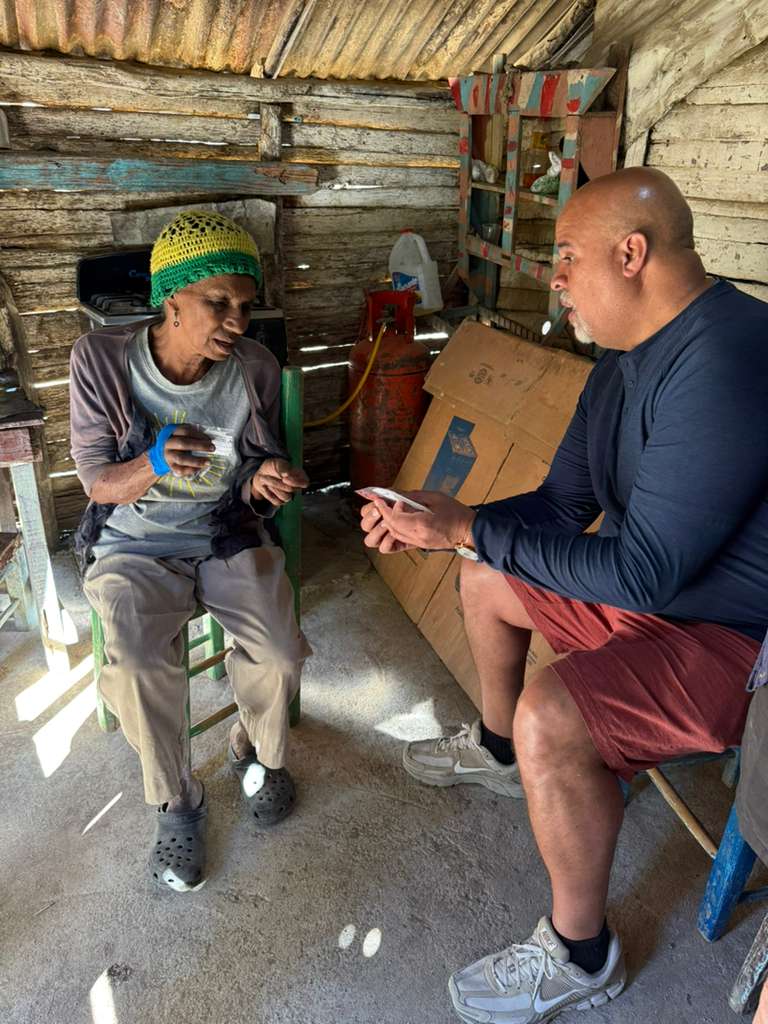
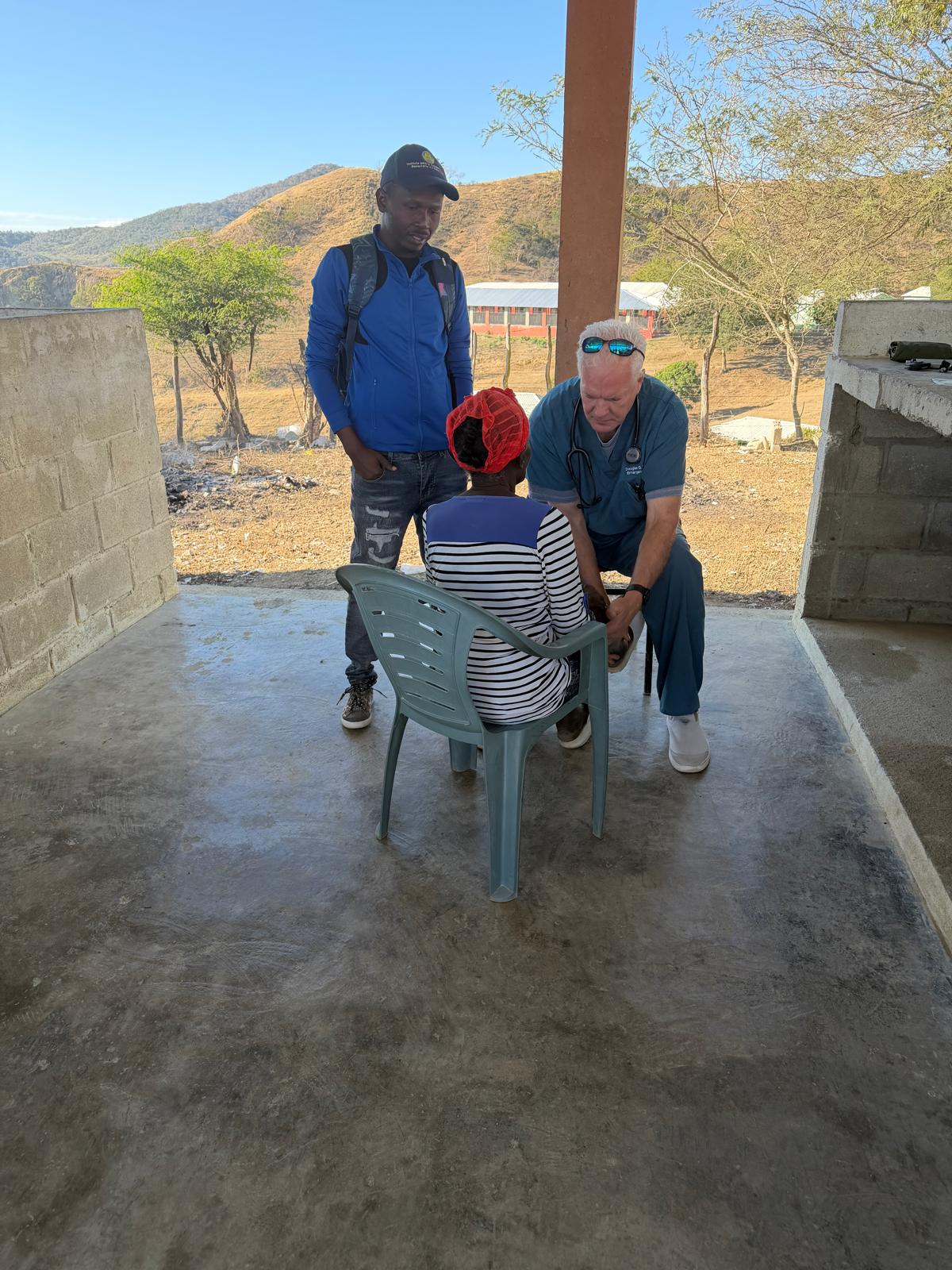
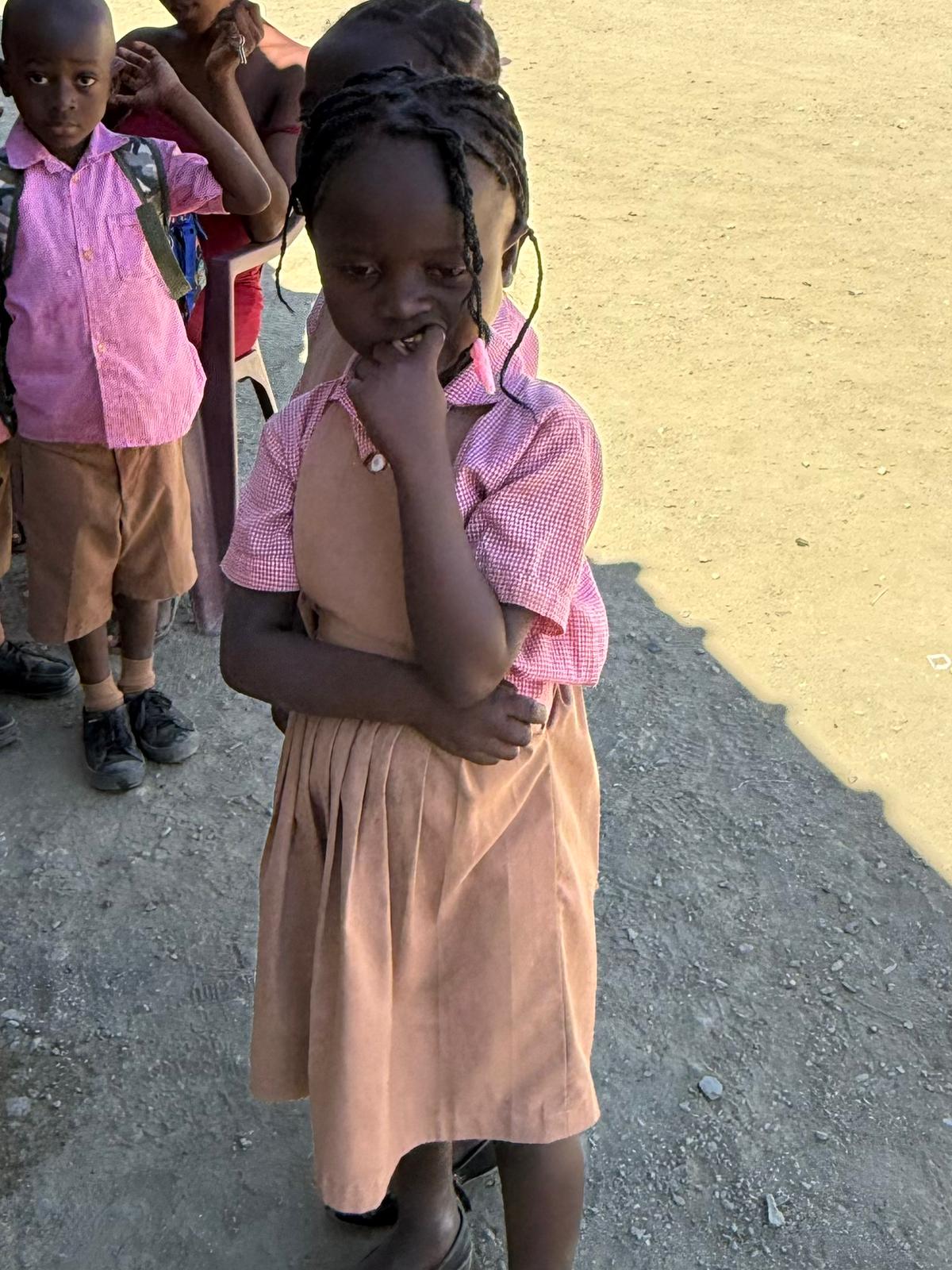
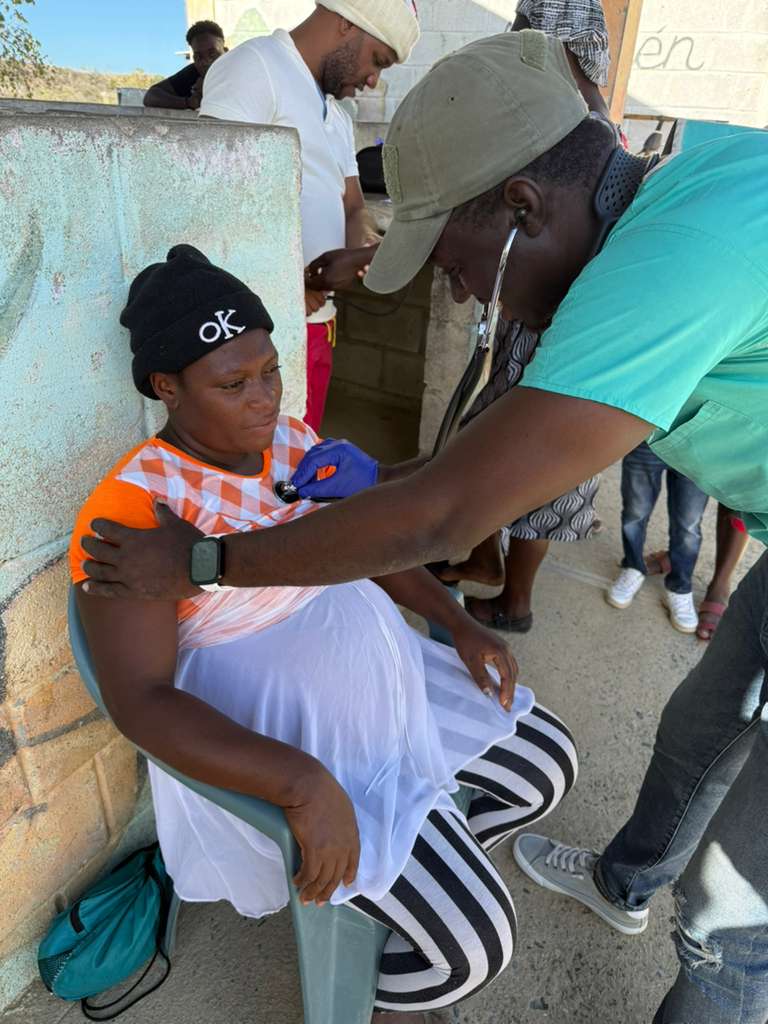
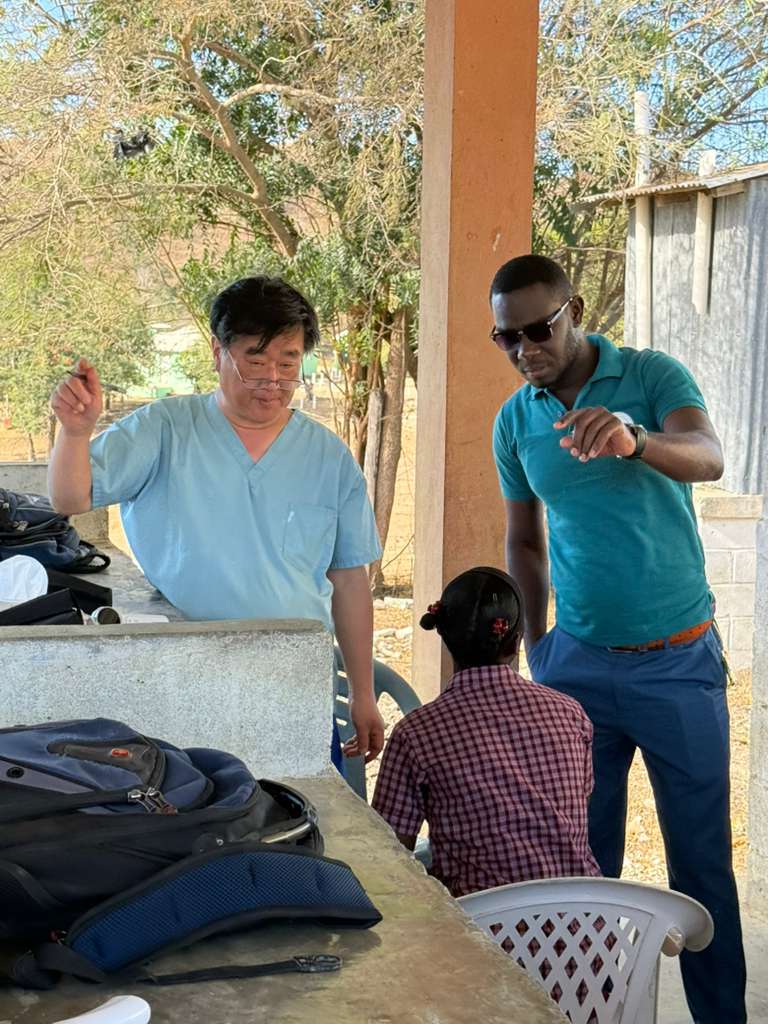
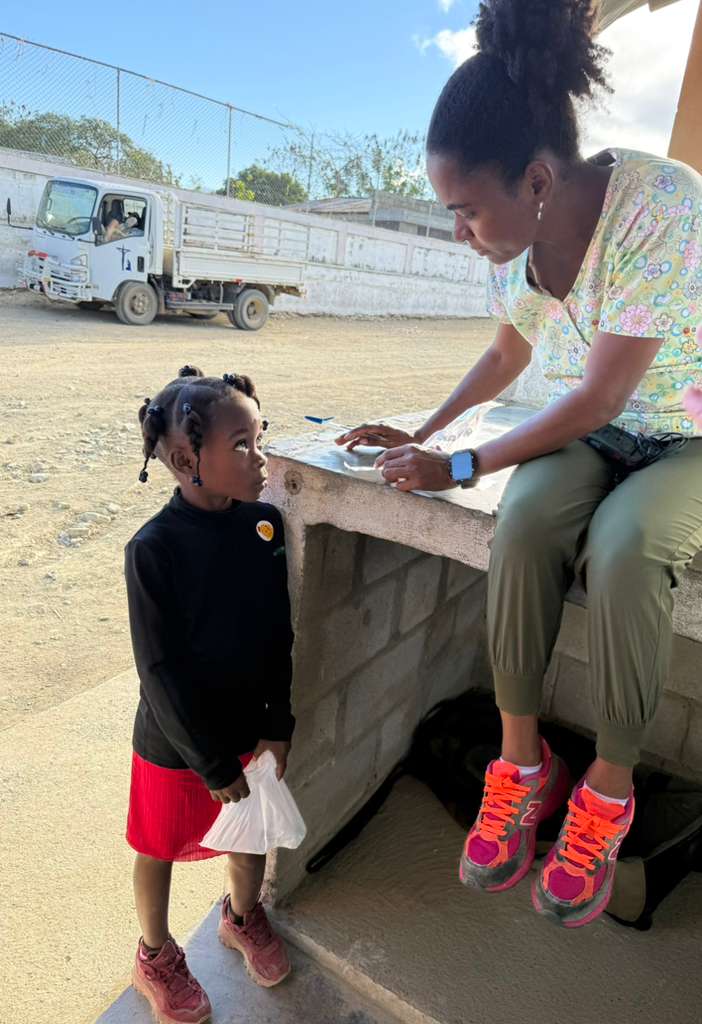
Setting up the clinic was an exercise in “organized chaos.” We transformed a local home and its surrounding yard into a full-service medical center, with doctors stationed both on the shaded veranda and out in the open air. Managing the flow of 225 patients required constant coordination—balancing intake, numbering, and crowd control to ensure everyone was seen in an orderly fashion. Despite the logistical challenges of keeping everyone in line while the pharmacy worked at top speed, the team moved with incredible efficiency, providing care to everyone from infants to the elderly.
The day didn’t end when the last patient was seen. Back at the Center, the team shifted gears into administrative and preparatory work. While some organized the pharmacy for tomorrow’s site, others focused on digitizing patient records to ensure the data from our 225 consultations was preserved for future reporting. We capped off the exhausting but fulfilling day with a traditional Dominican stew and a deep discussion about the long-term impact of medical missions, grateful for the chance to serve such a community.
Feb 2nd - El Corbano
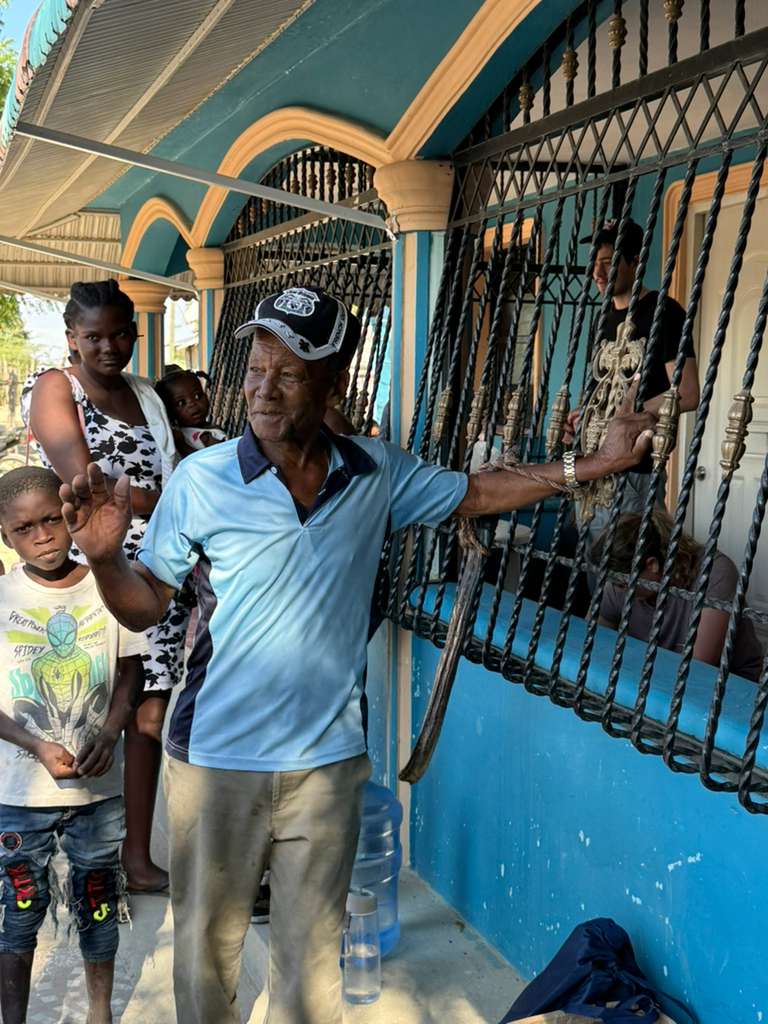
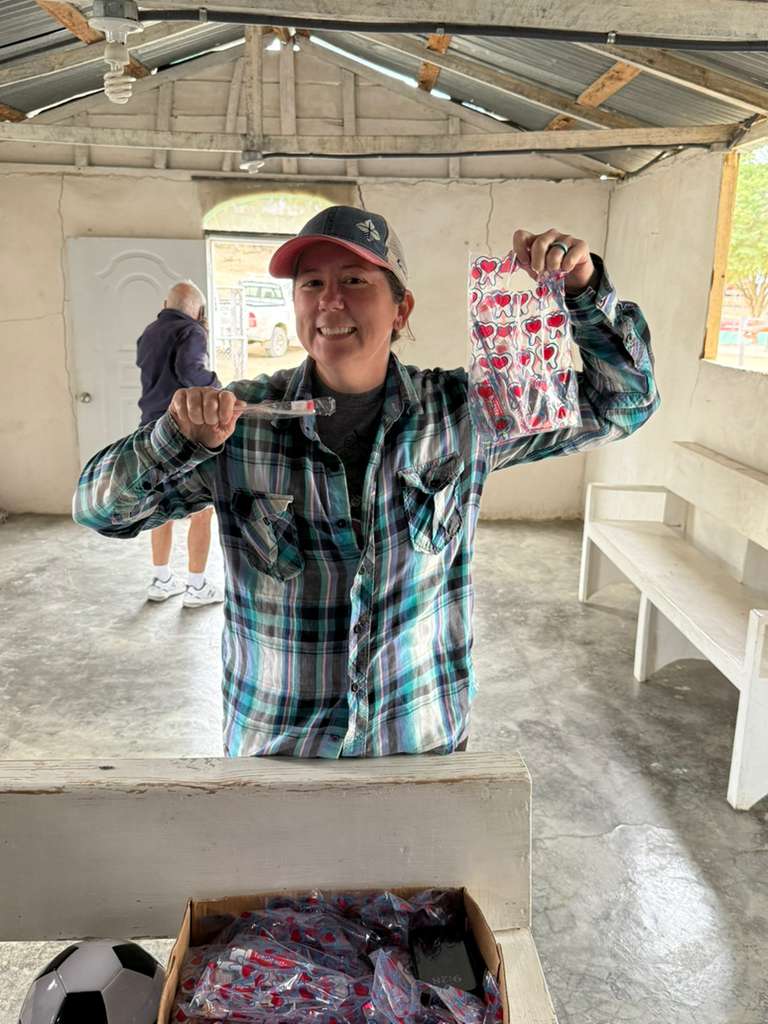
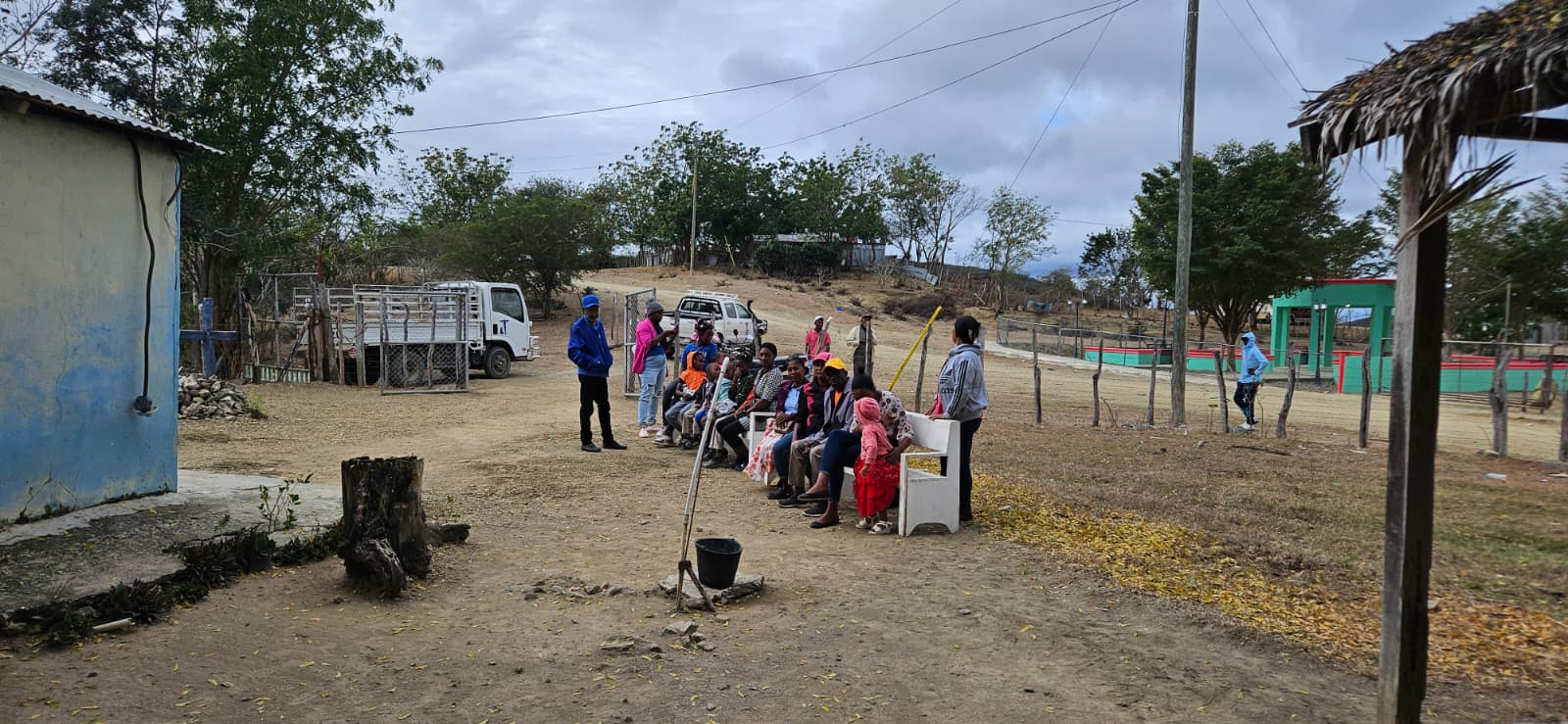
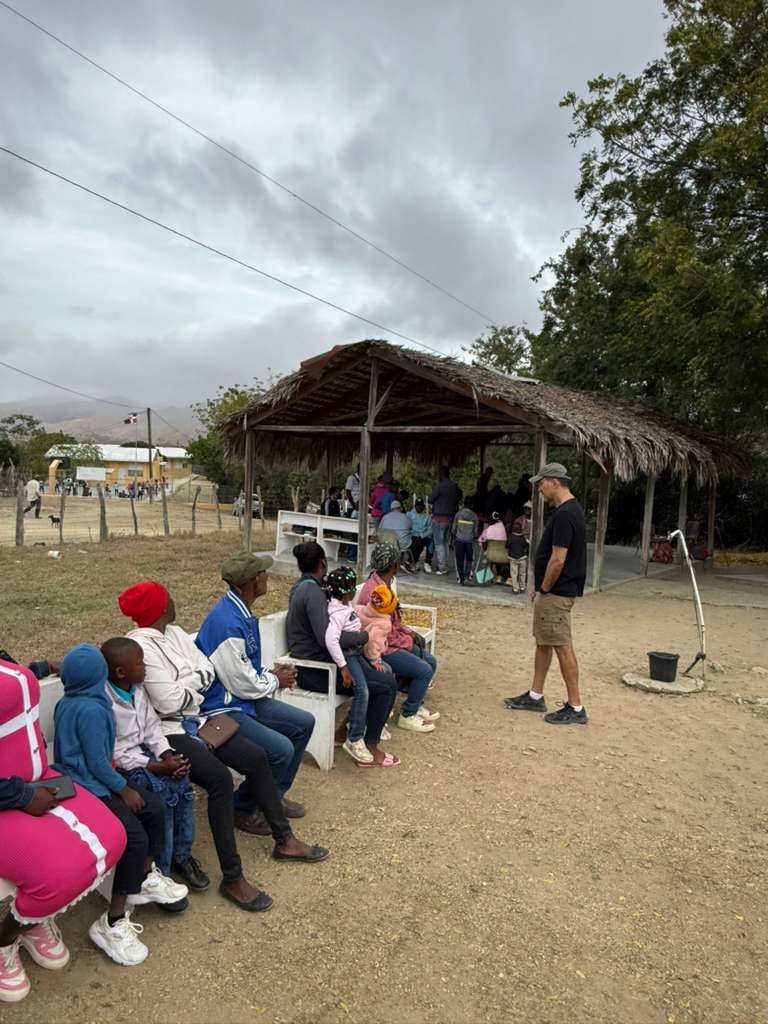
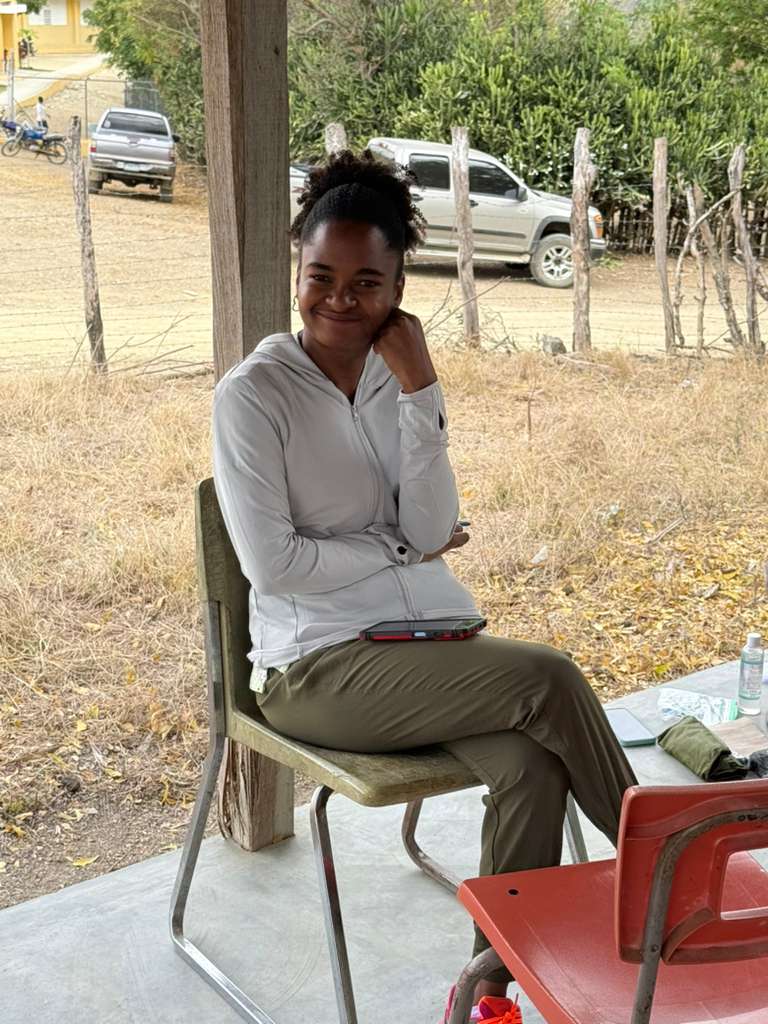
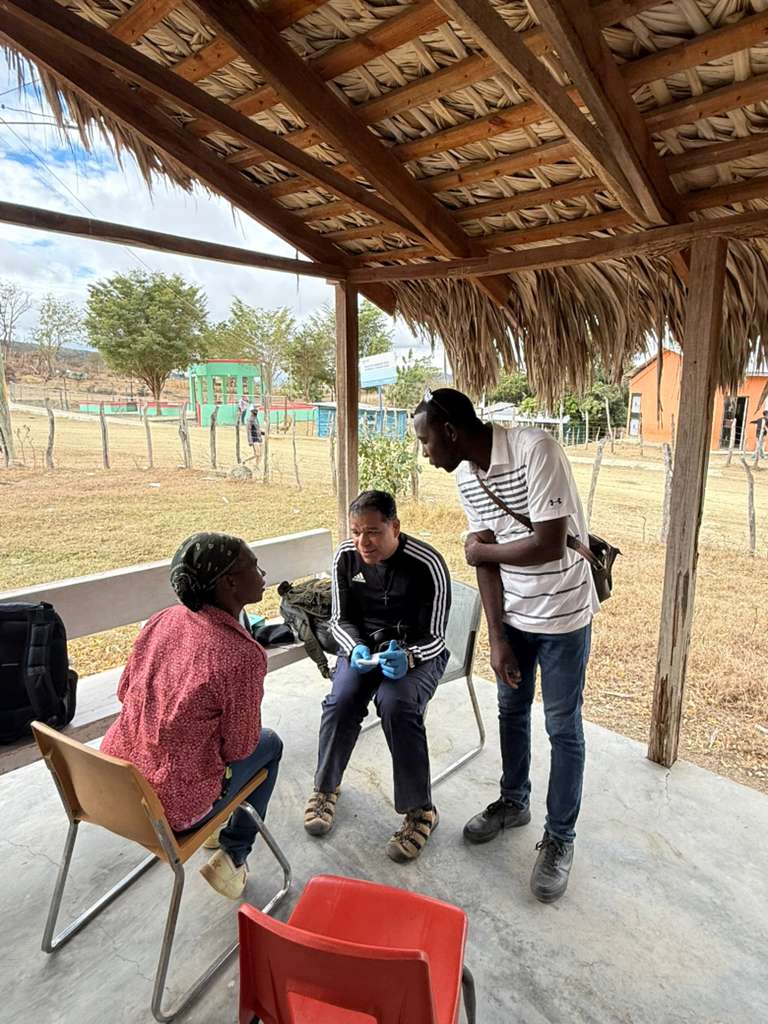
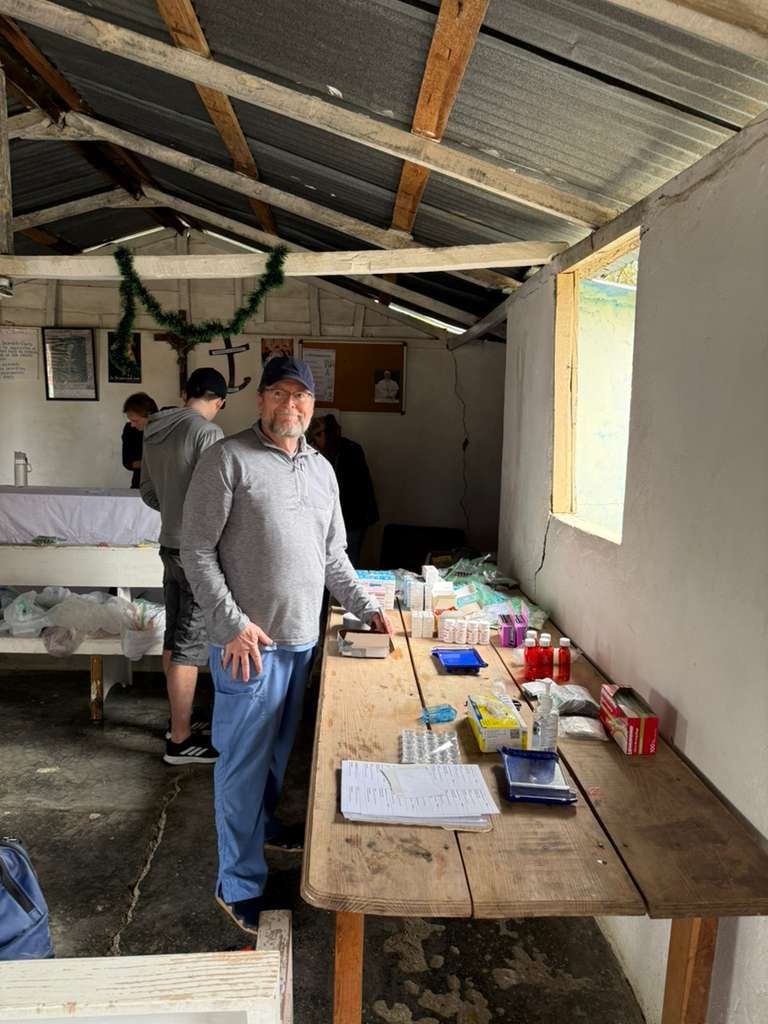
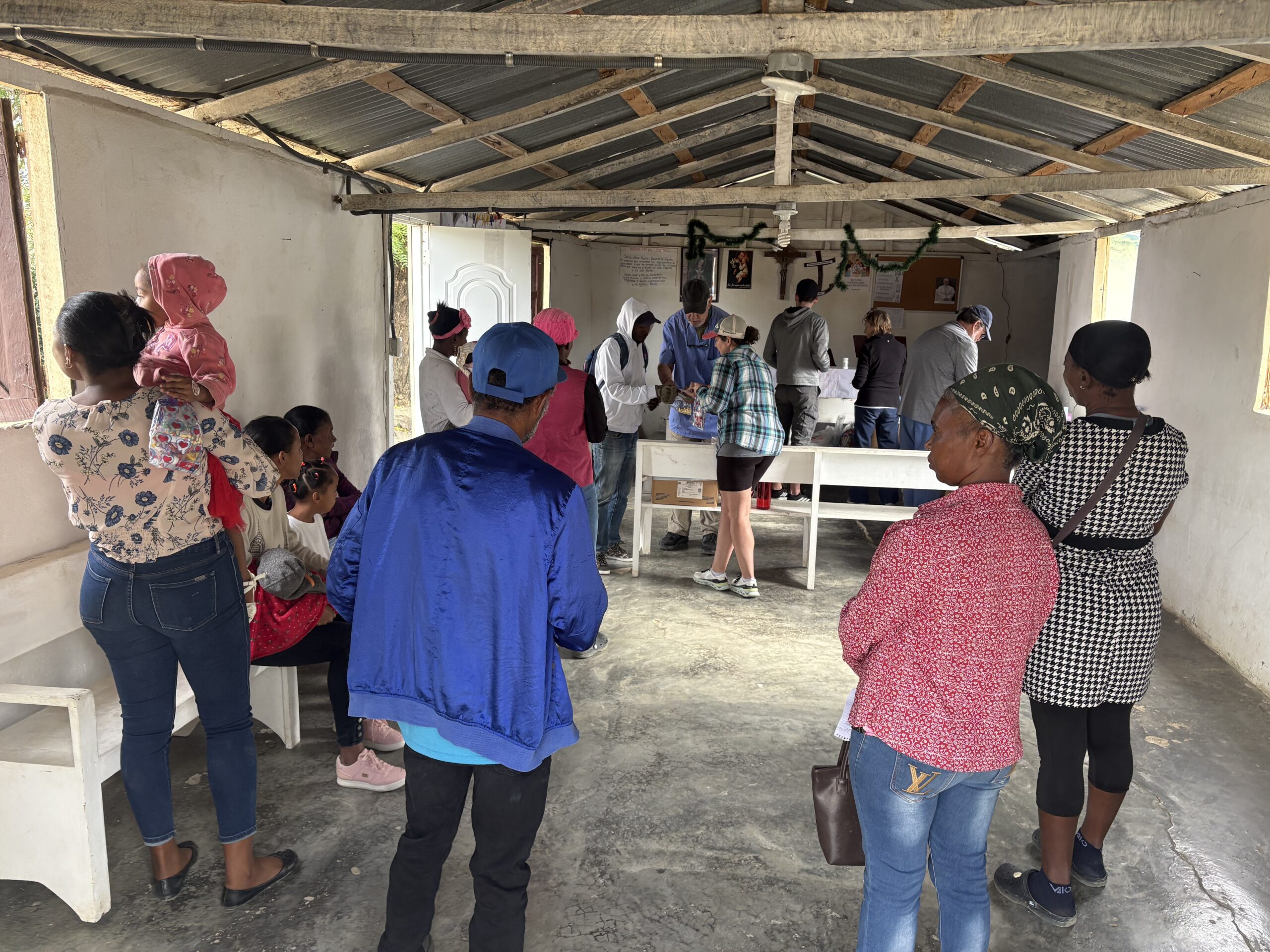
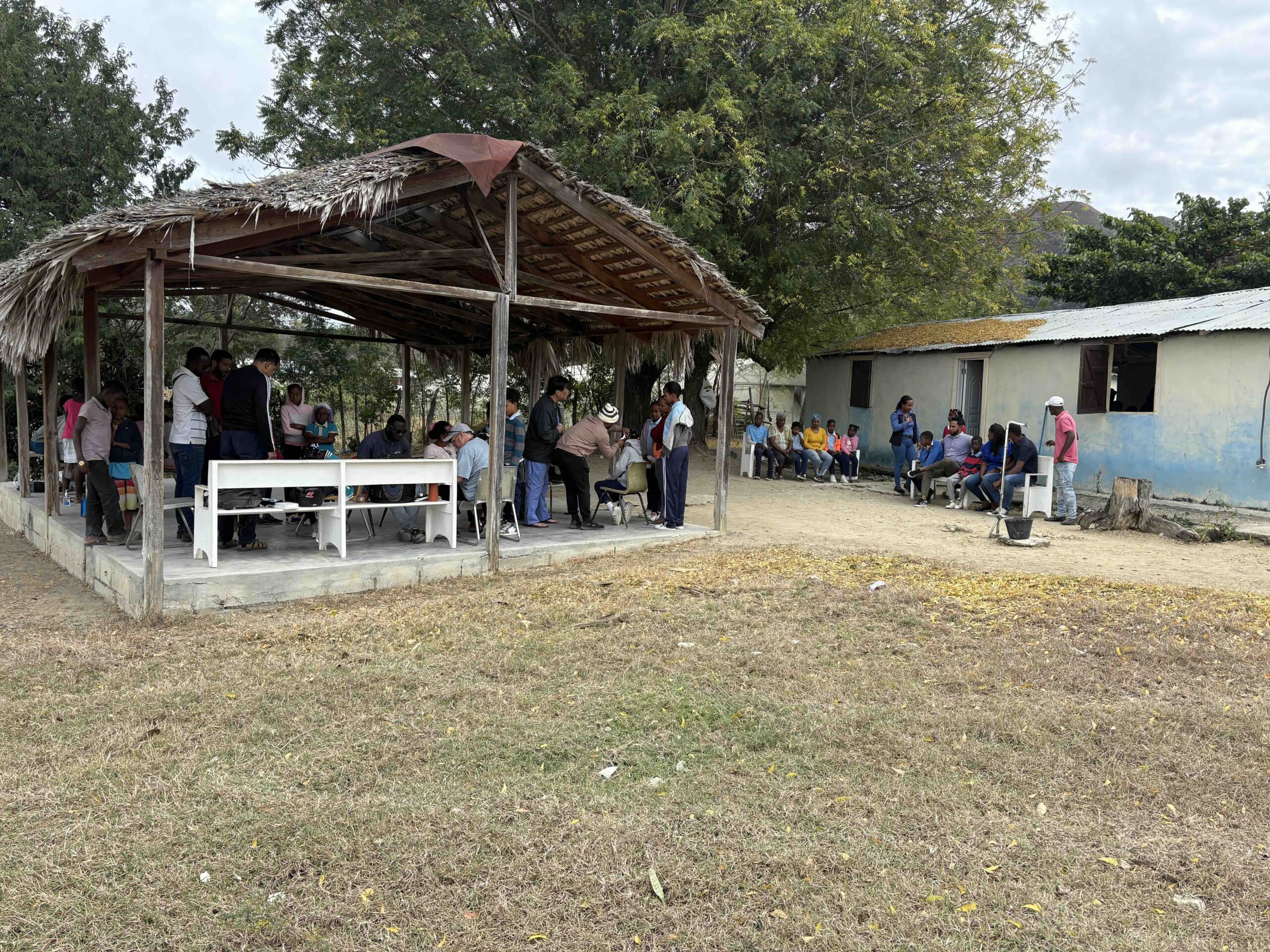
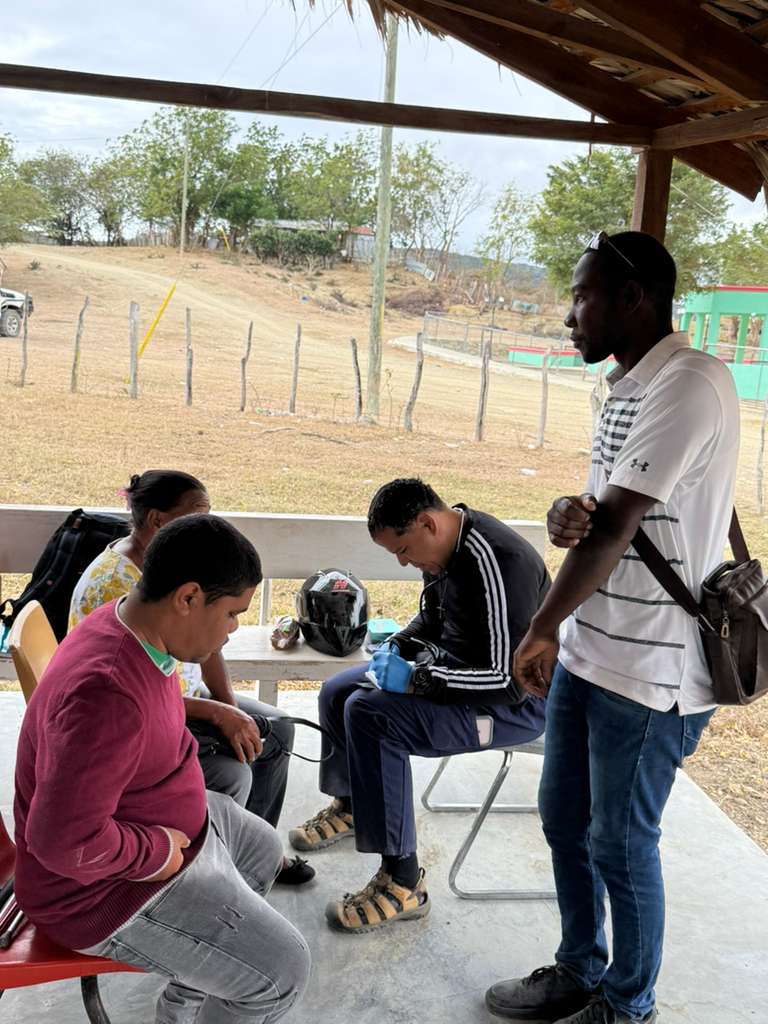
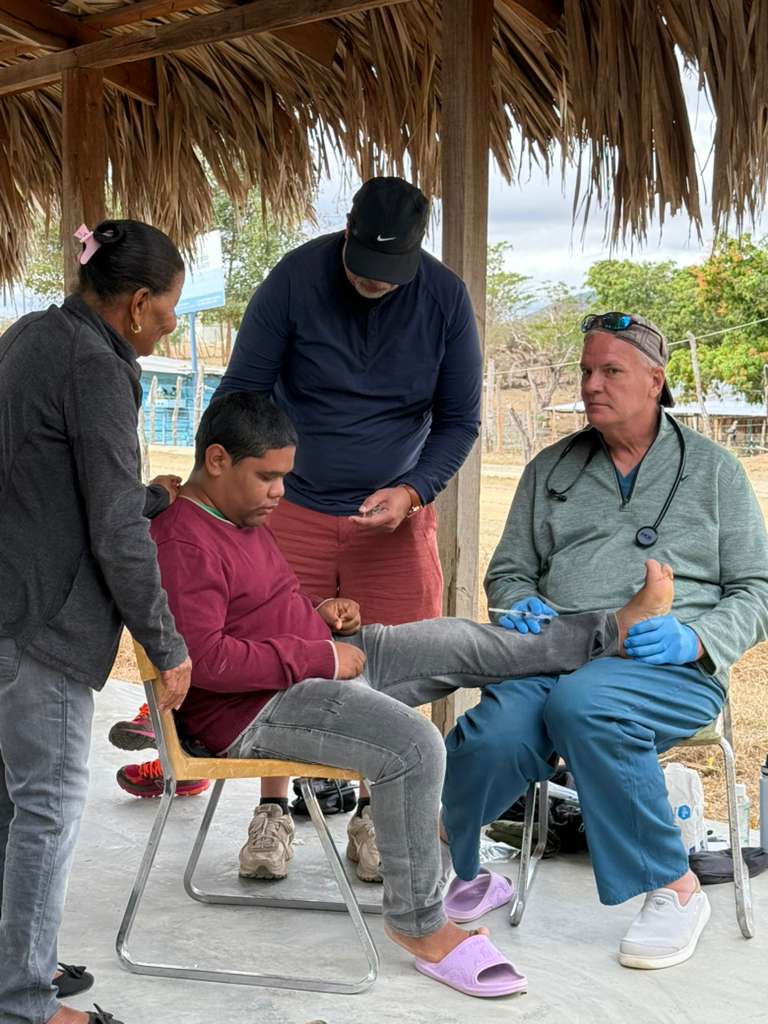
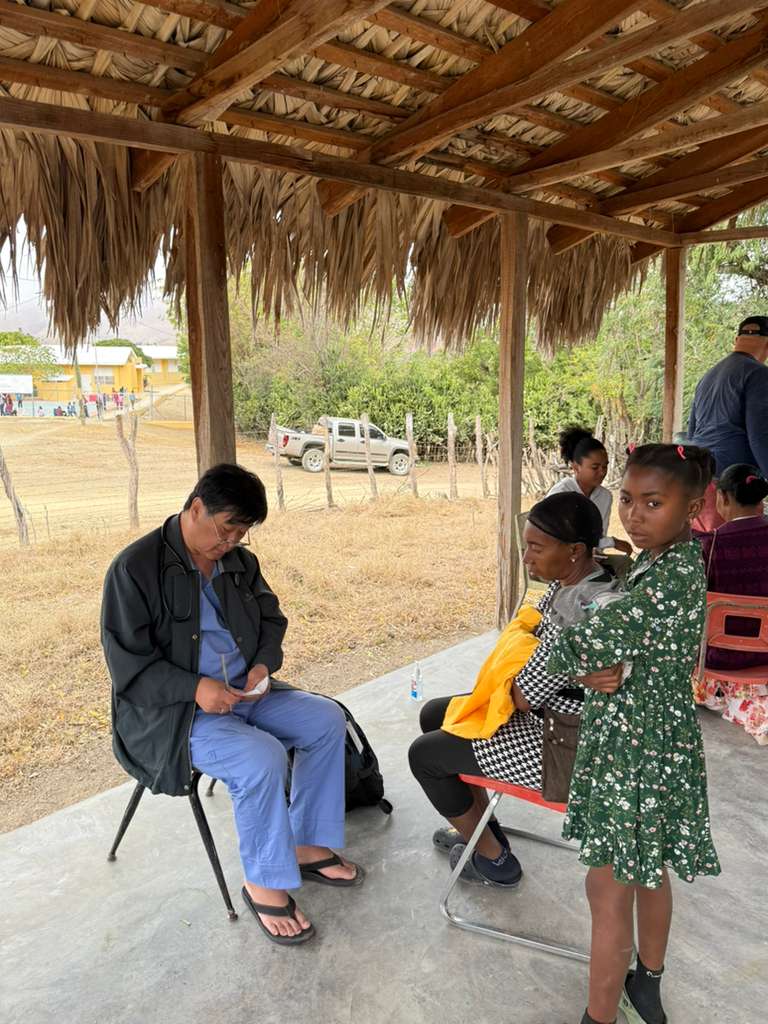
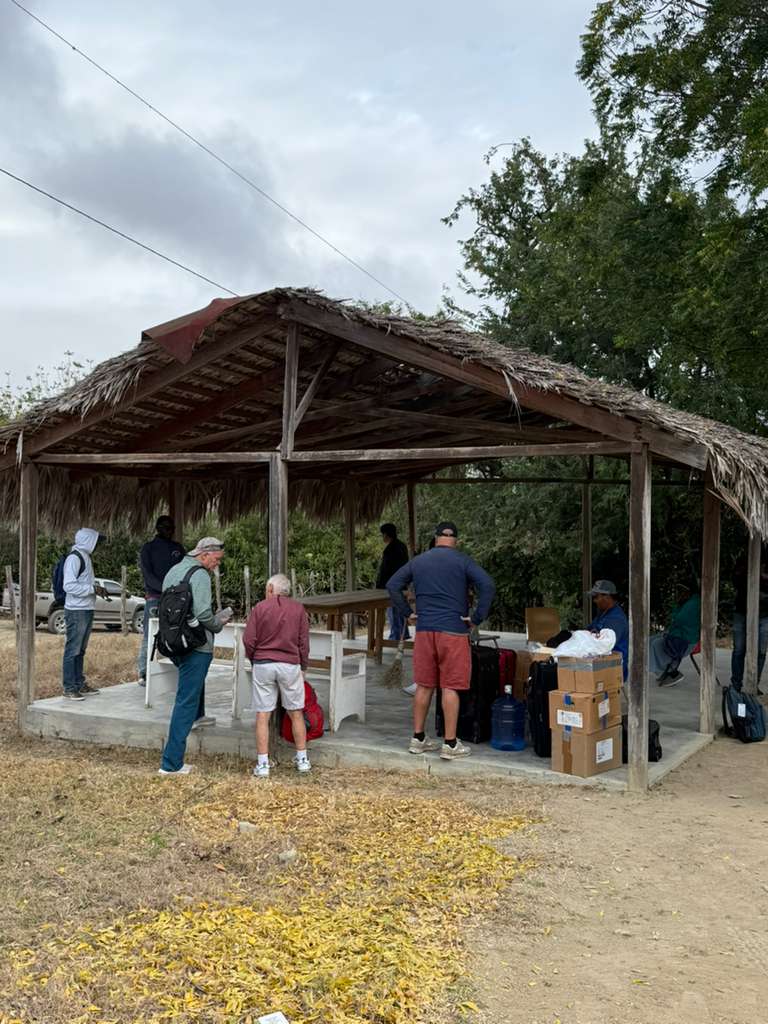
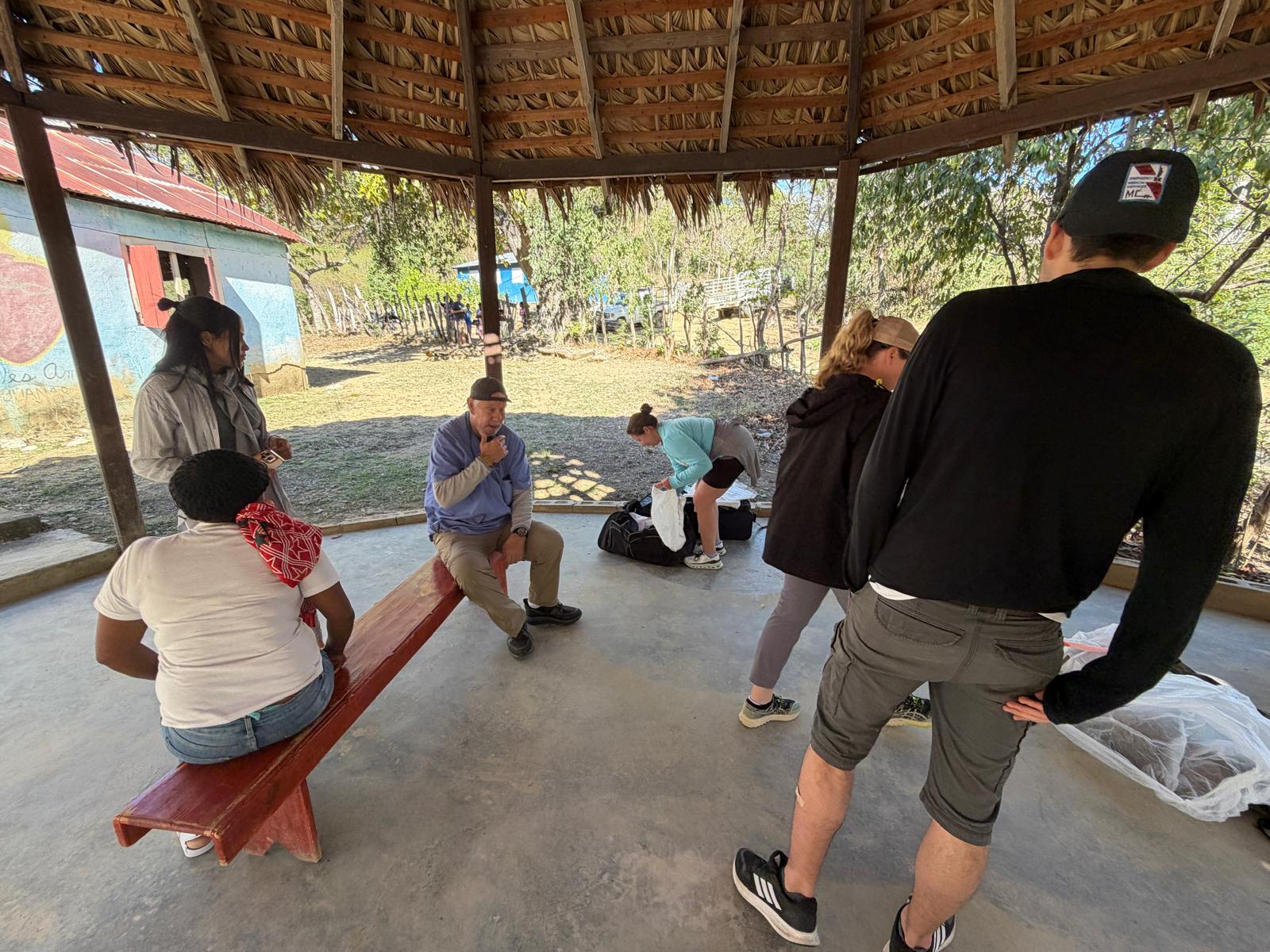
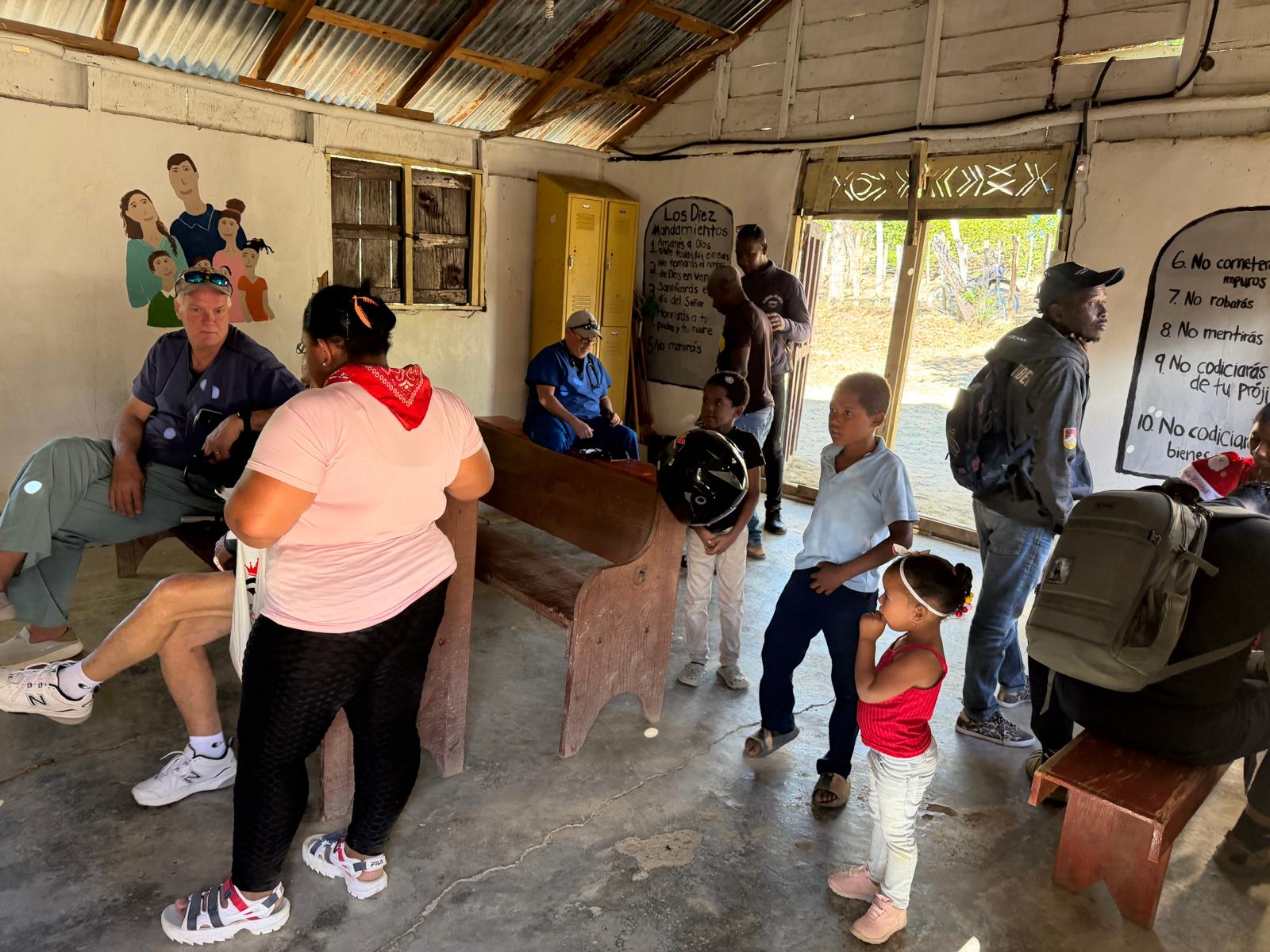
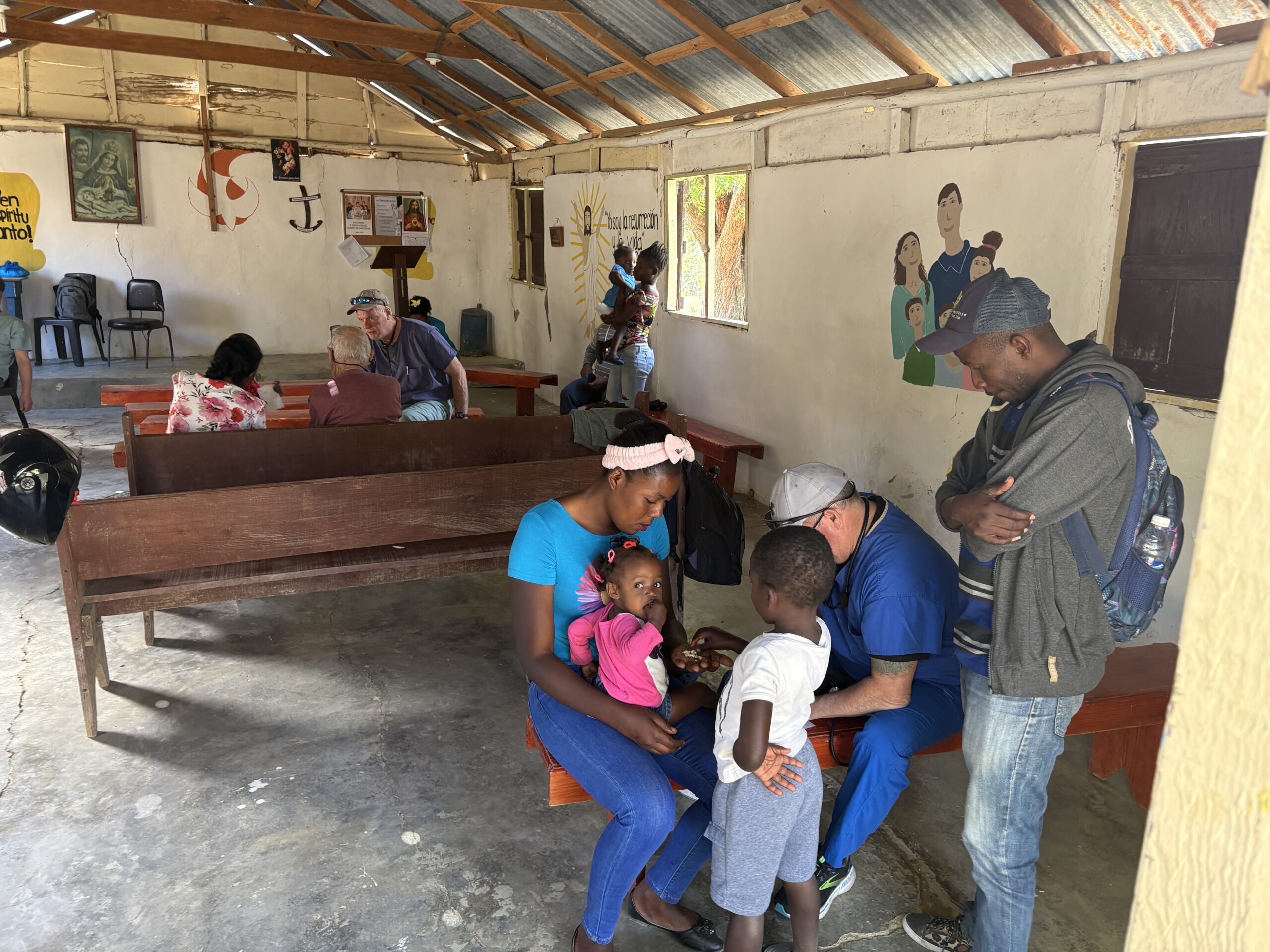
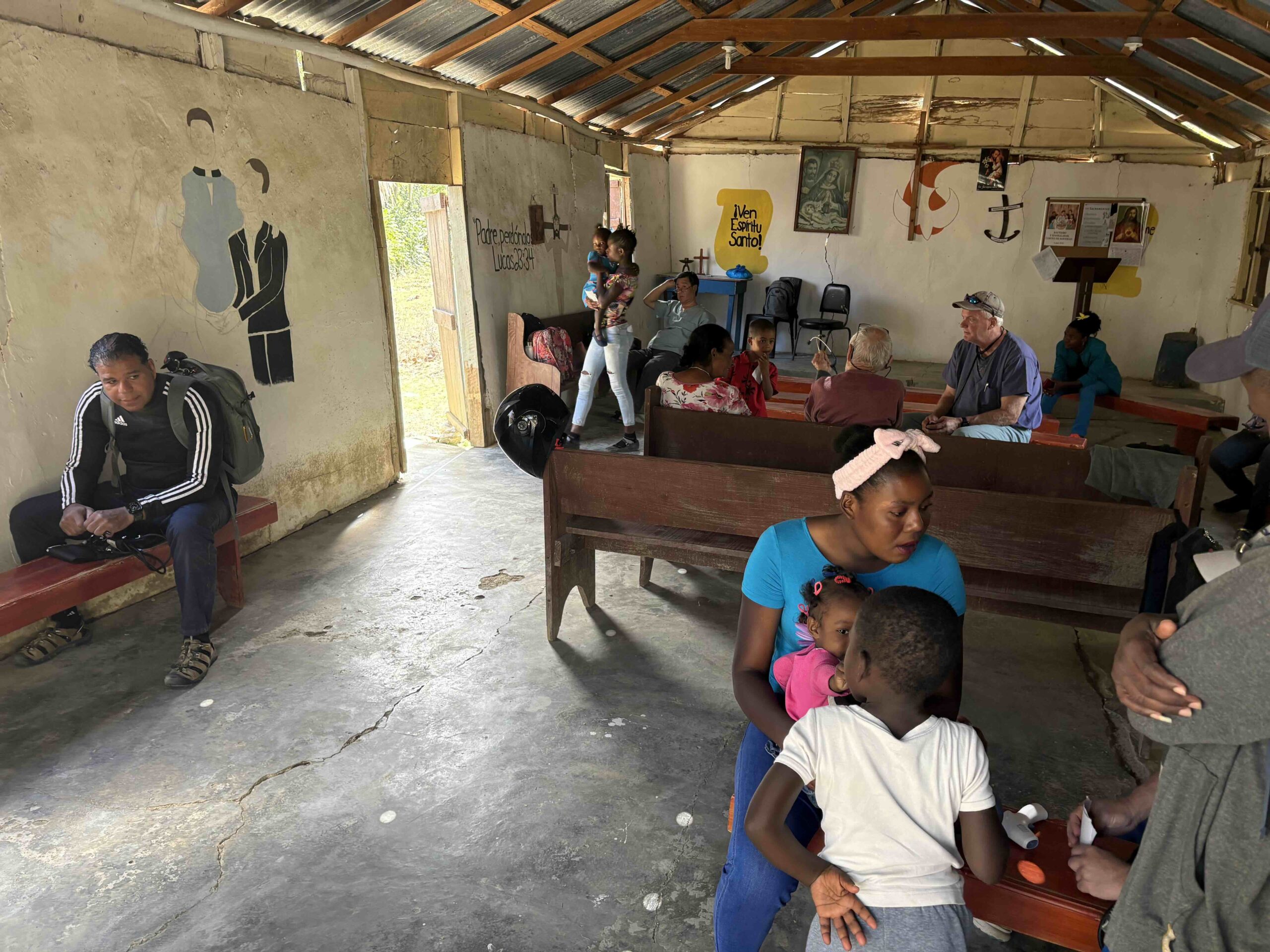
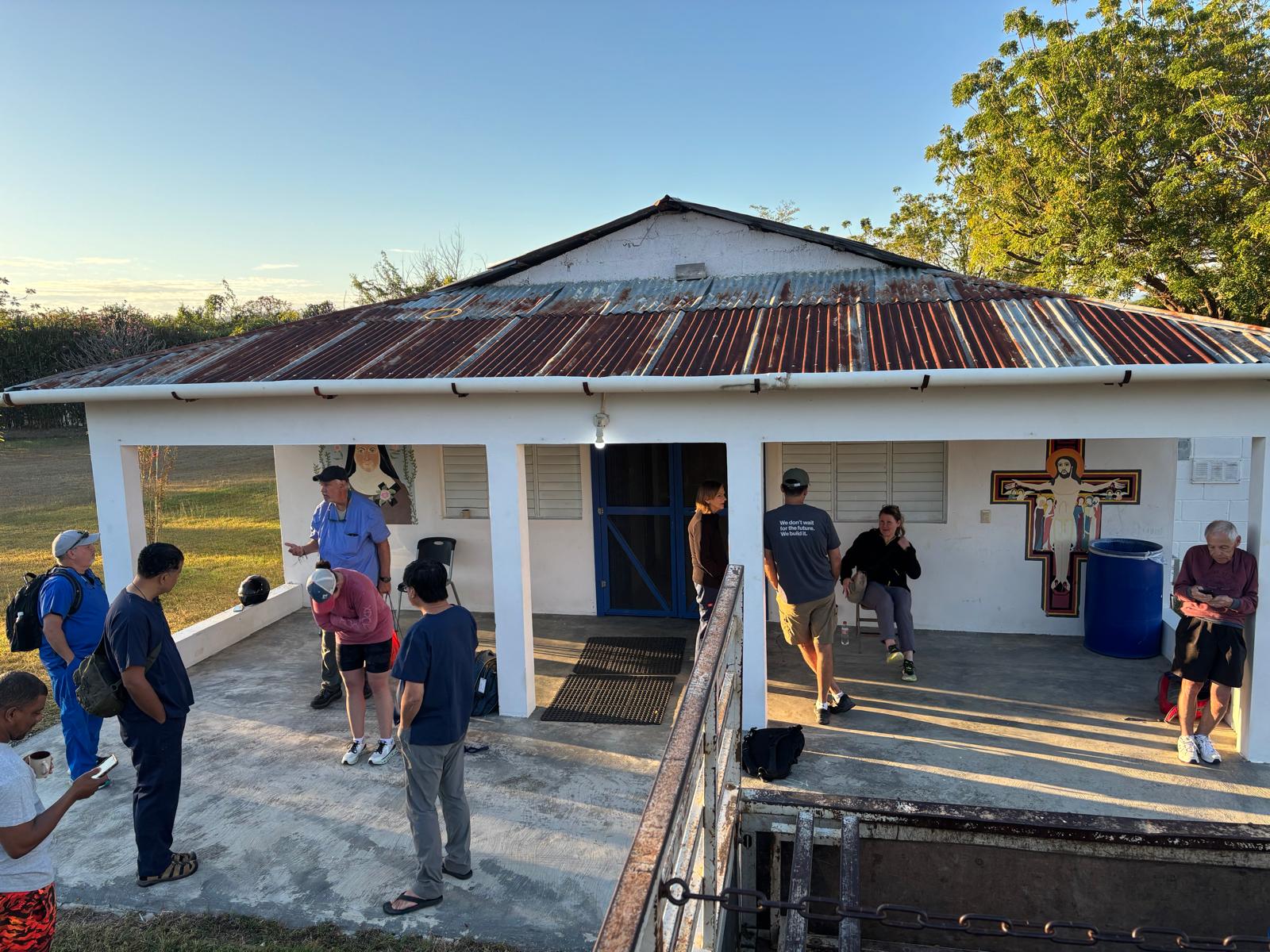
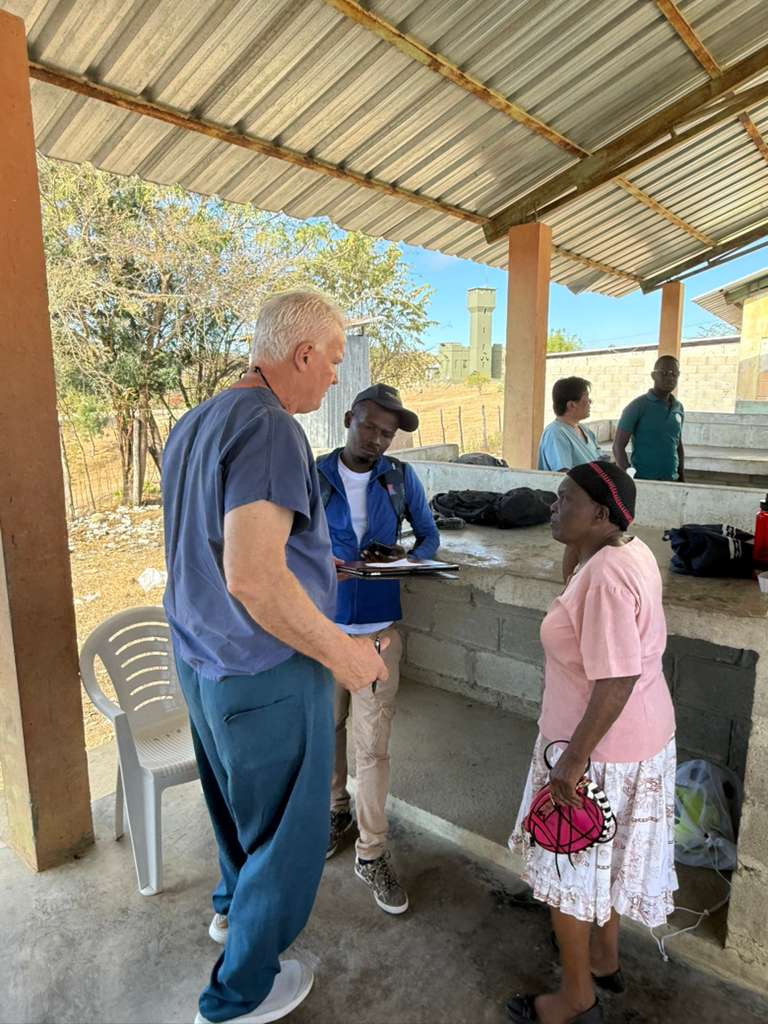
The morning began with a crisp, cool breeze—a welcome change of pace as the team fueled up with a warm breakfast before heading out. By 8:15 AM, we left for El Corbano, where we quickly set to work transforming a small compound into a functioning medical site. Using a covered outdoor area for intake and consultations and a local chapel for our pharmacy, we were able to create an organized flow that respected the local space while maximizing our efficiency.
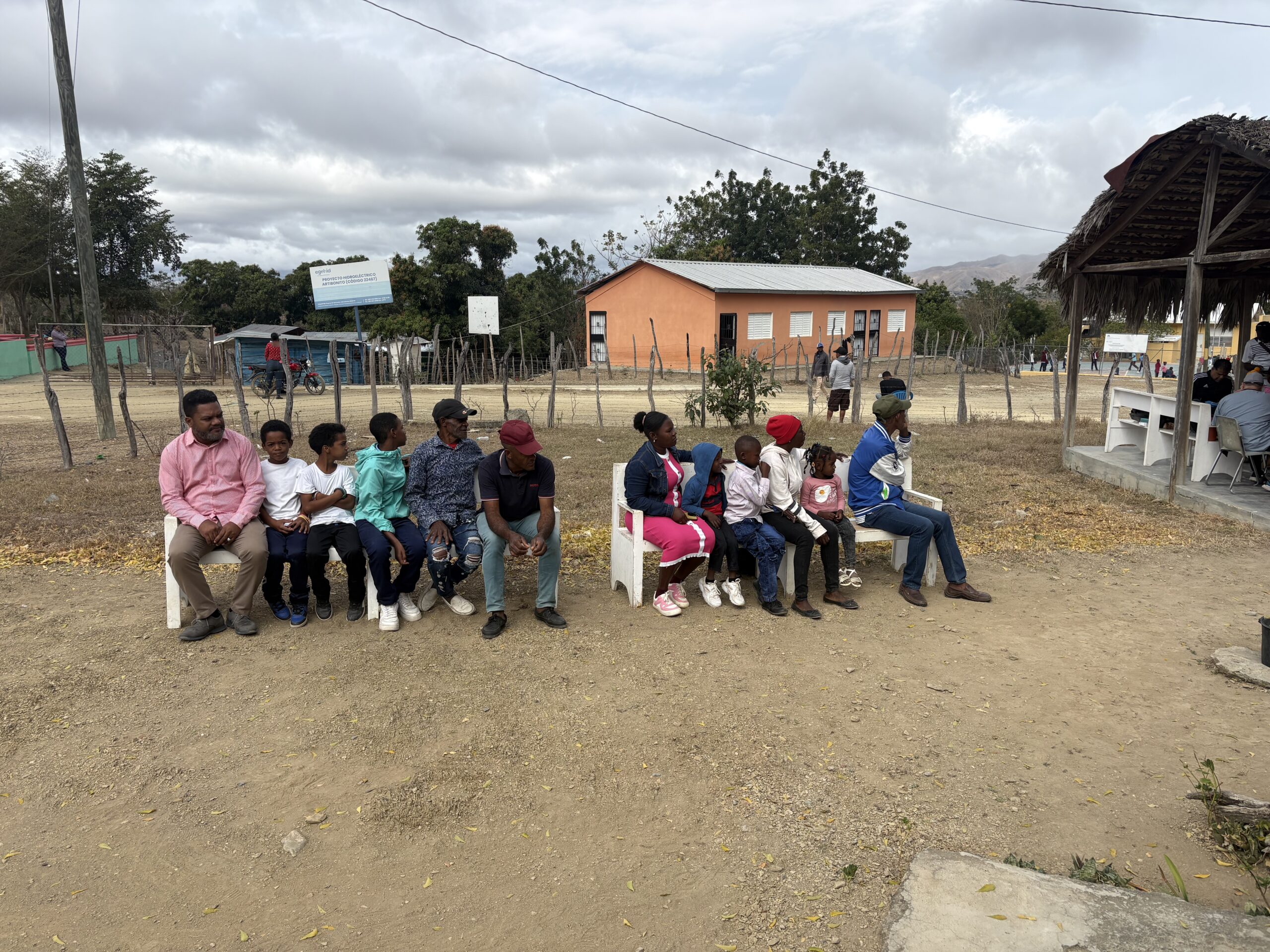
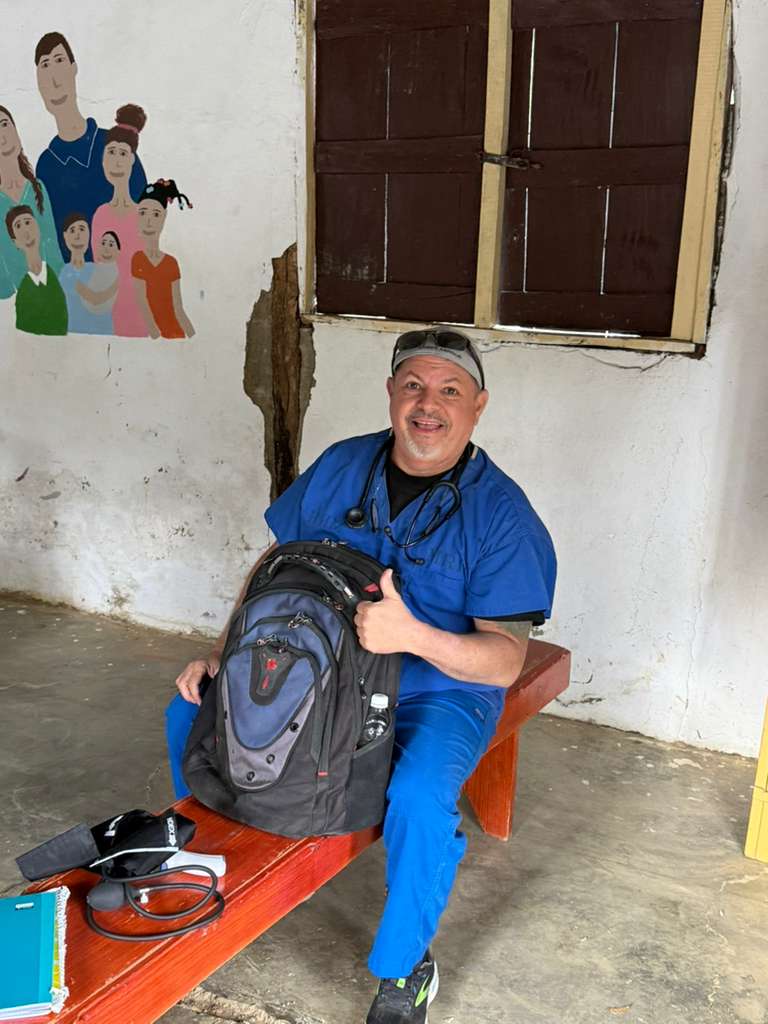
Managing the clinic required some creative logistics. We repurposed church pews as waiting benches to help guide patients from the compound entrance through to intake and finally to the doctors. This system allowed us to treat 145 patients by midday. Each location teaches us something new about our workflow, and we are already planning ways to further streamline the intake process to reduce wait times and see even more people in the coming days.
The afternoon provided an opportunity for the team to gain a deeper perspective on the local healthcare environment. A few members walked into Bánica to visit the local hospital and pharmacy, a sobering experience that underscored the vital importance of the mission’s work. While at the pharmacy, we were also able to procure additional essential medicines, ensuring our pharmacy remains well-stocked for the duration of the trip.
Back at the Center, the late afternoon was spent in a familiar routine: inventorying supplies and prepping for the next village. With the logistics handled and the data entered, the team enjoyed some well-earned downtime—including a few lessons in the Portuguese card game, Bisca—before gathering for a hearty spaghetti dinner.
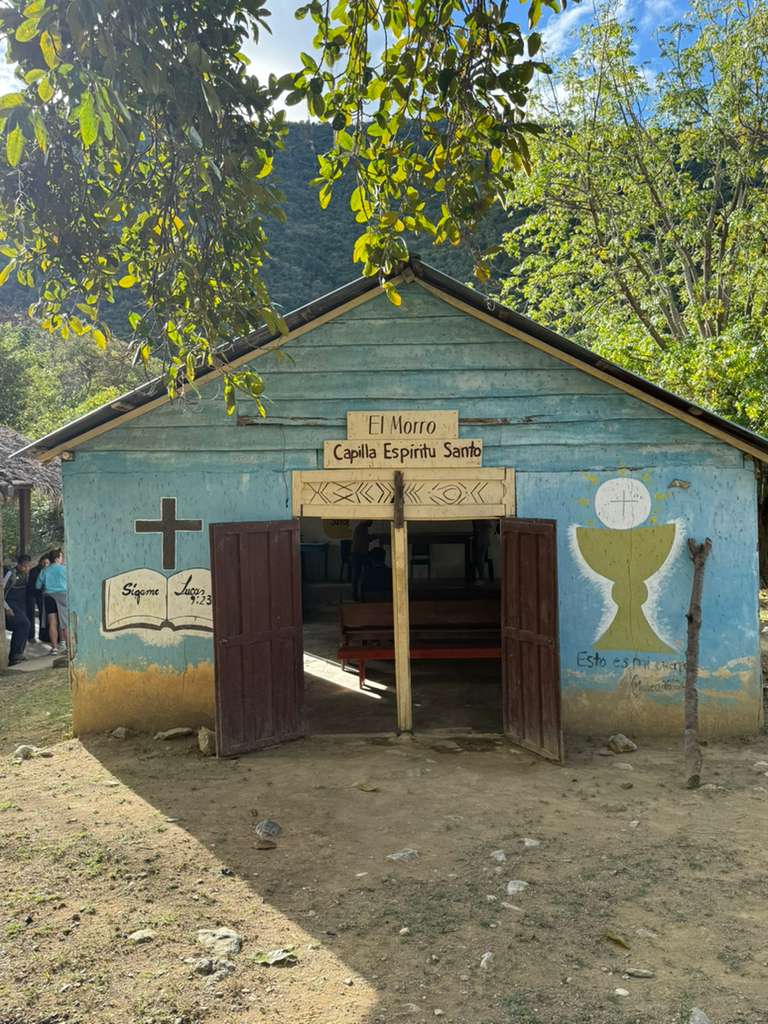
Feb 3rd - El Morro
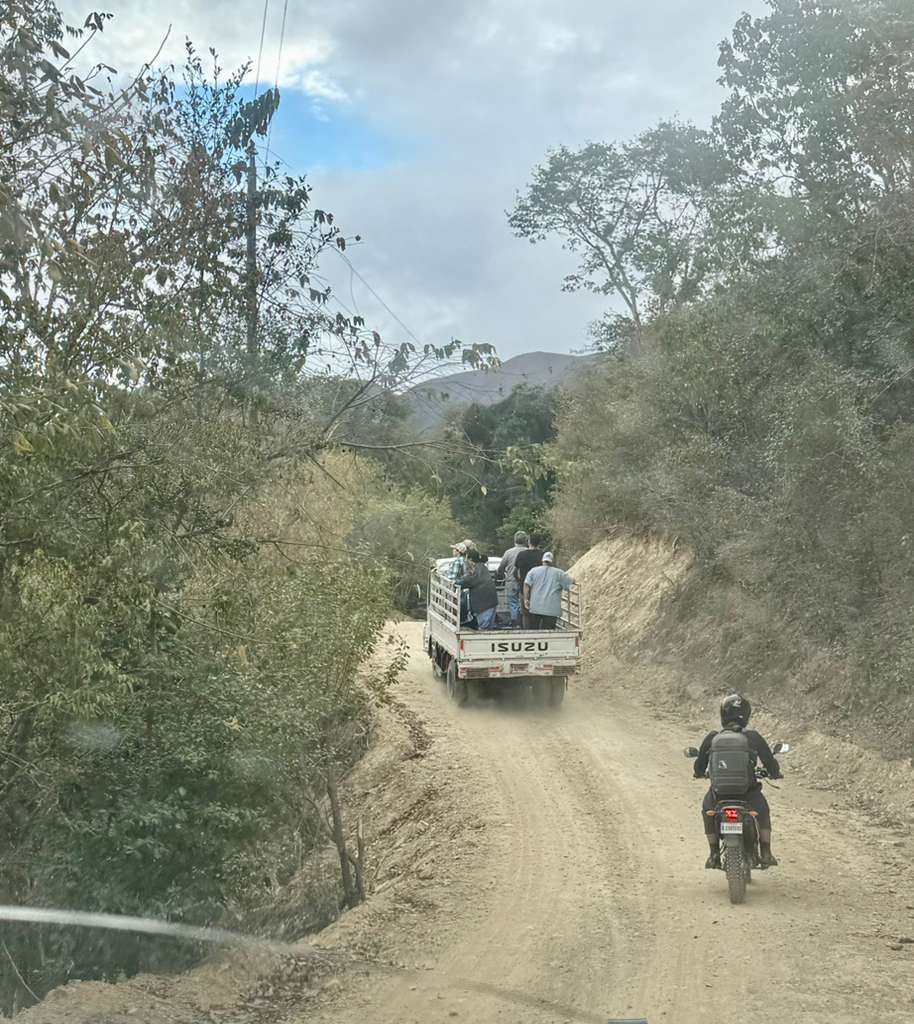
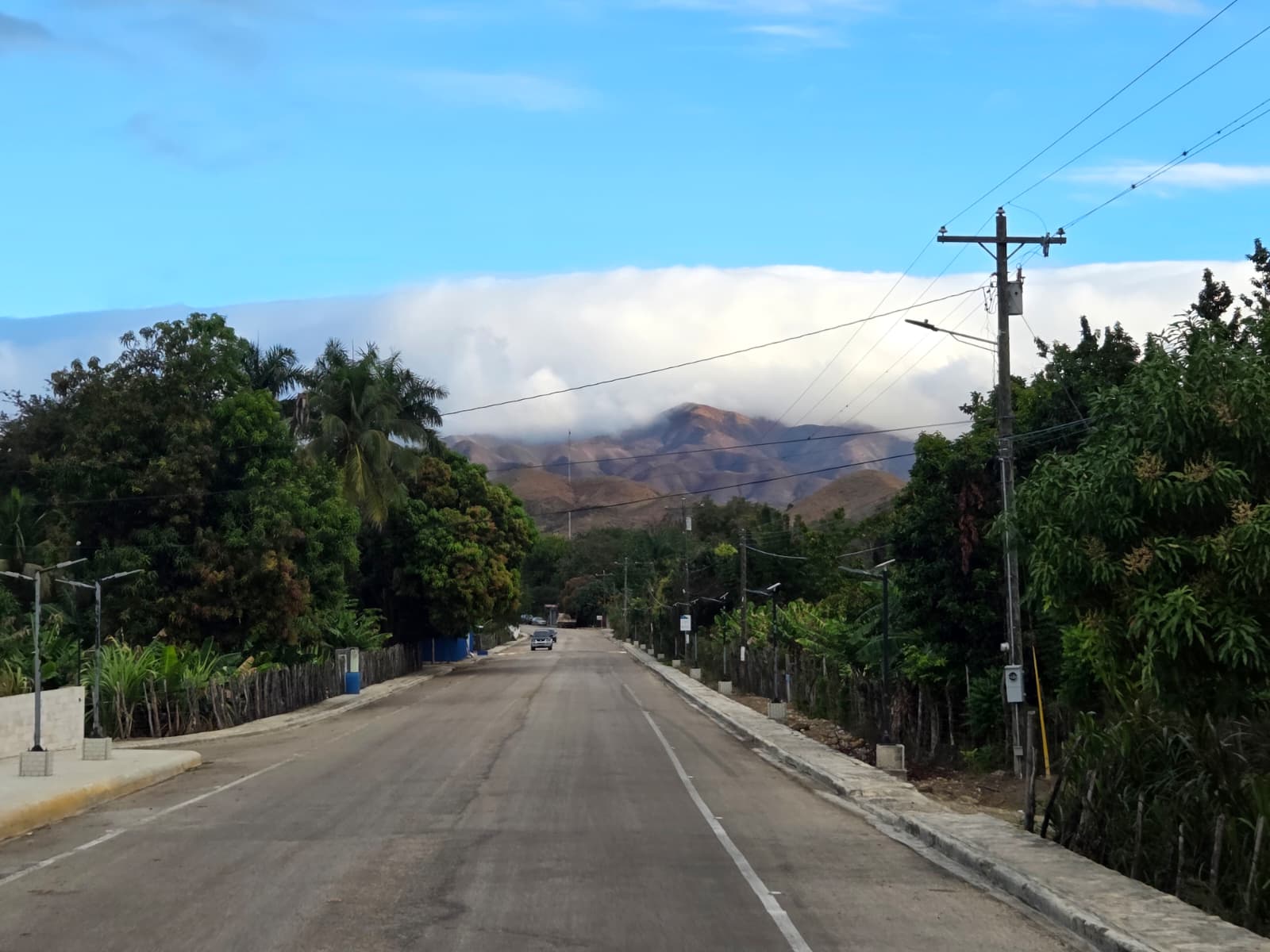
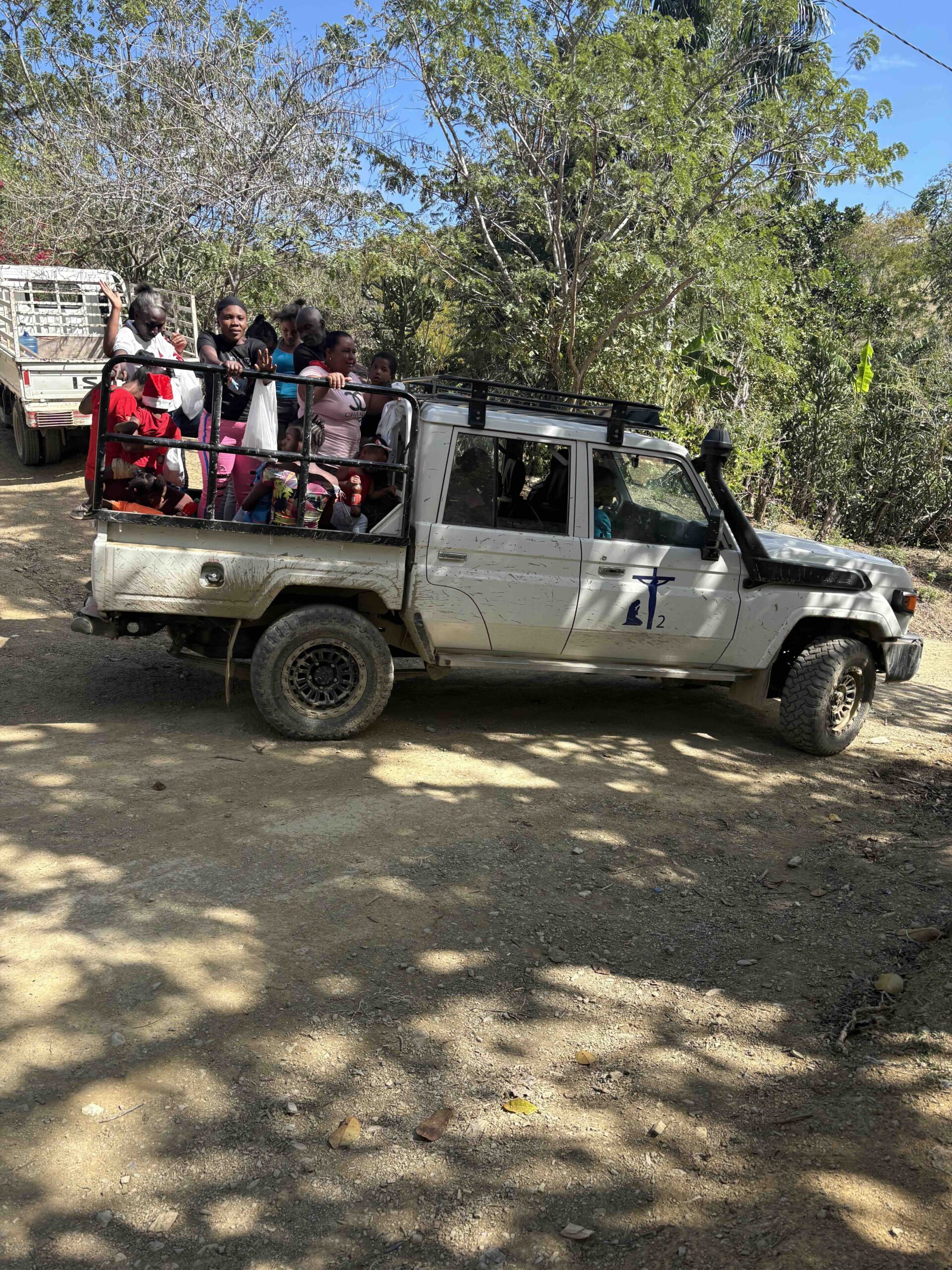
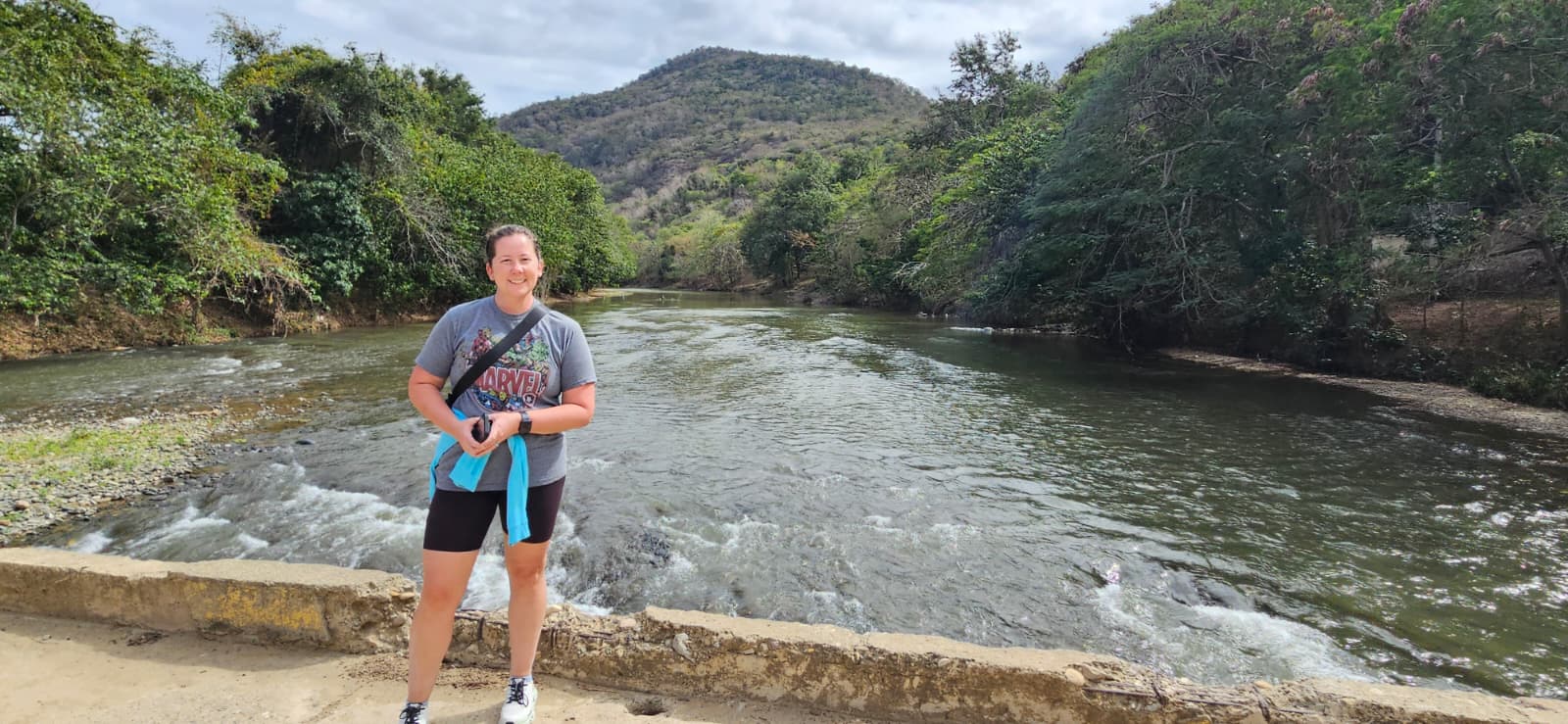
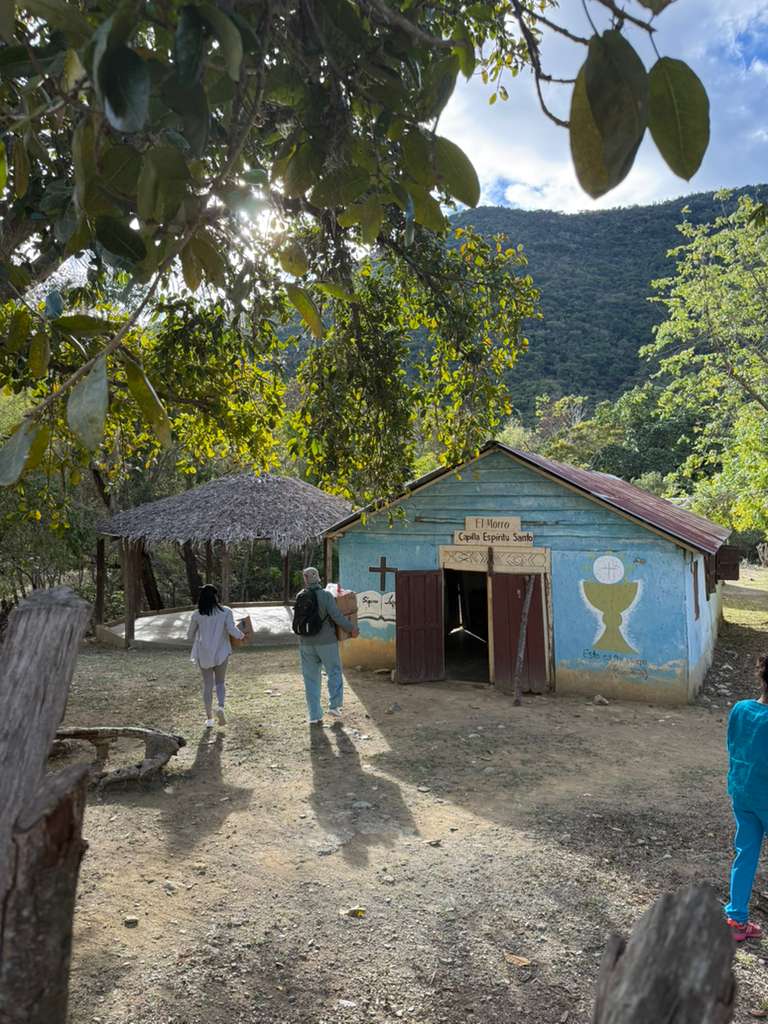
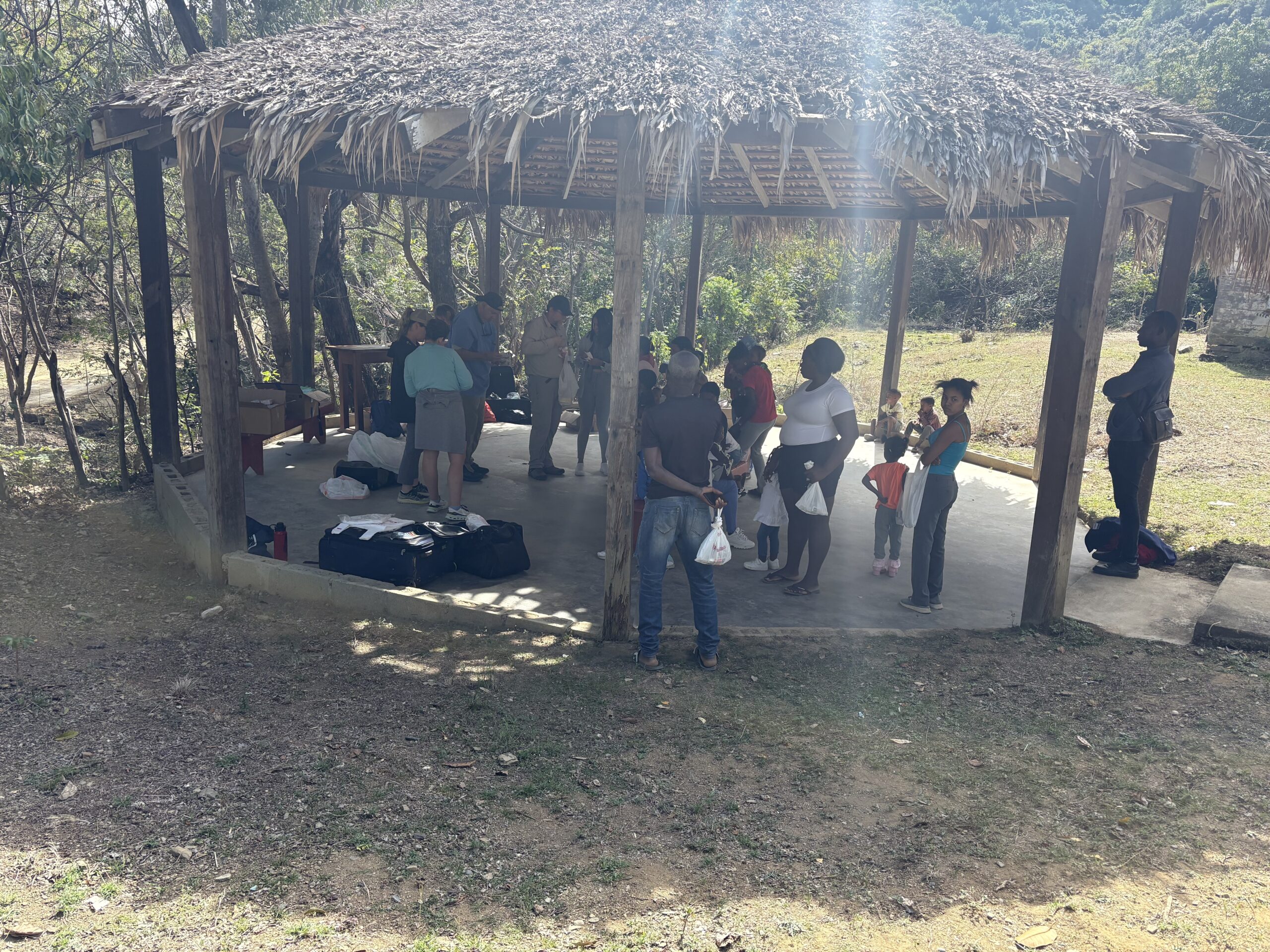
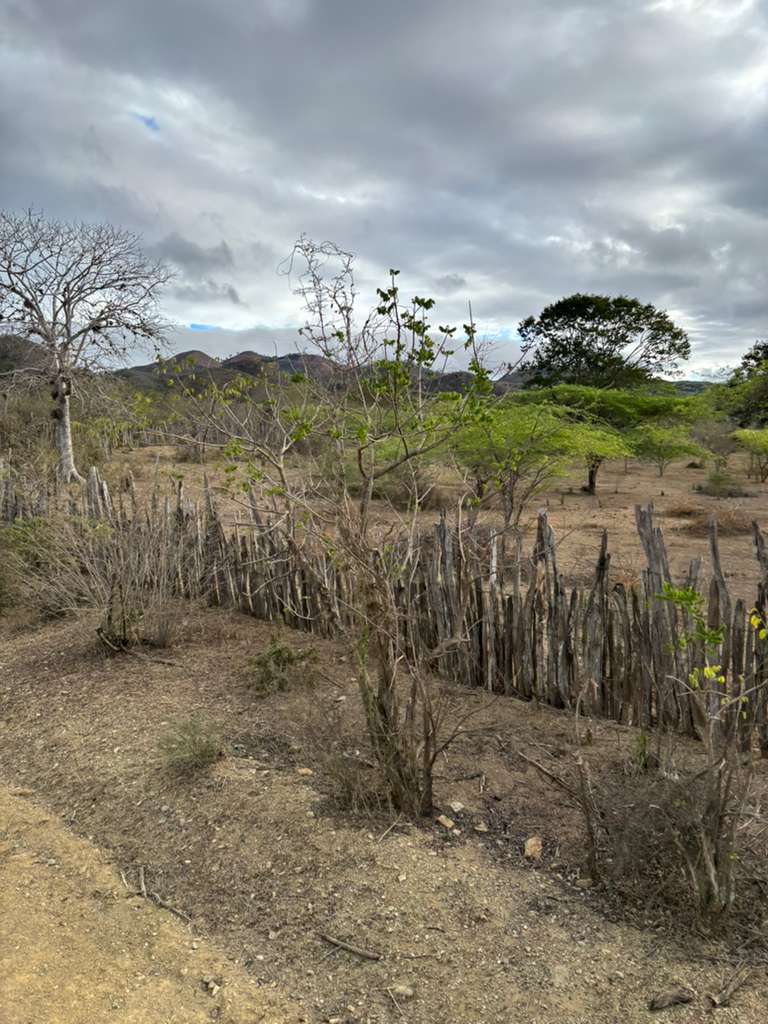
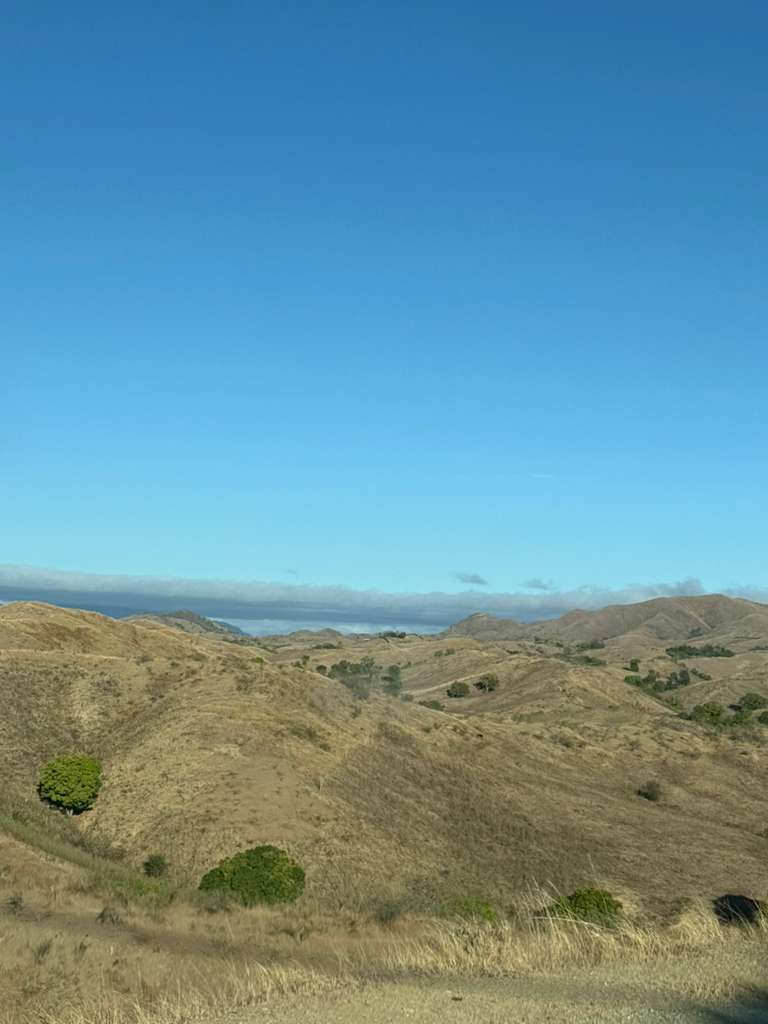
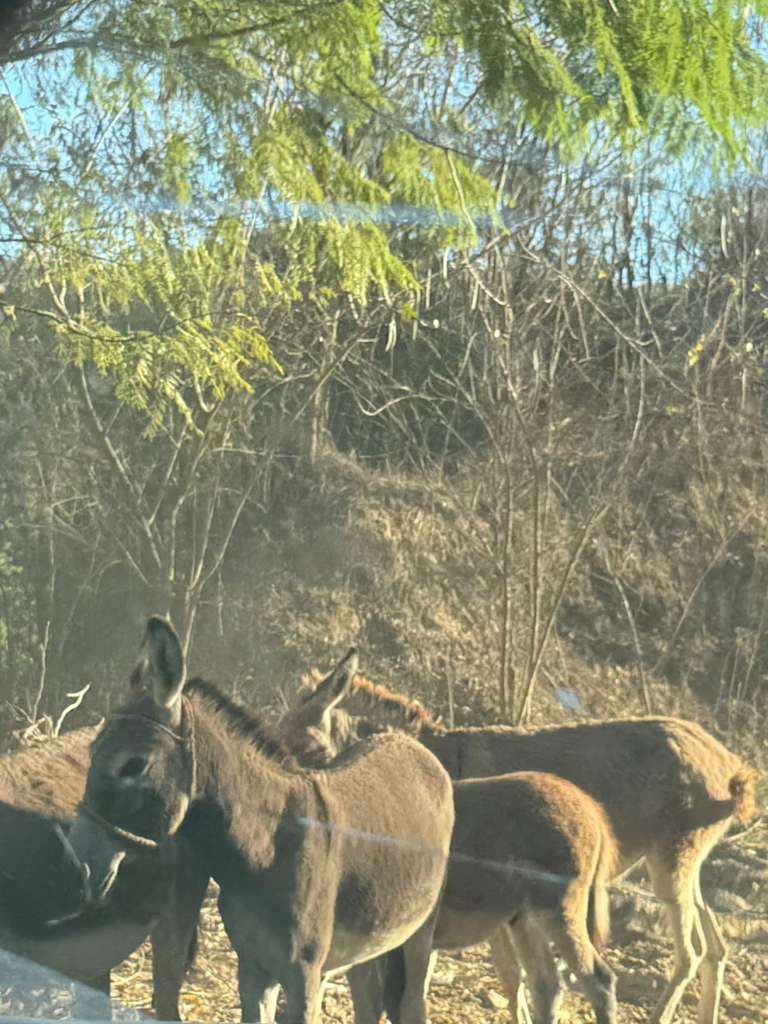
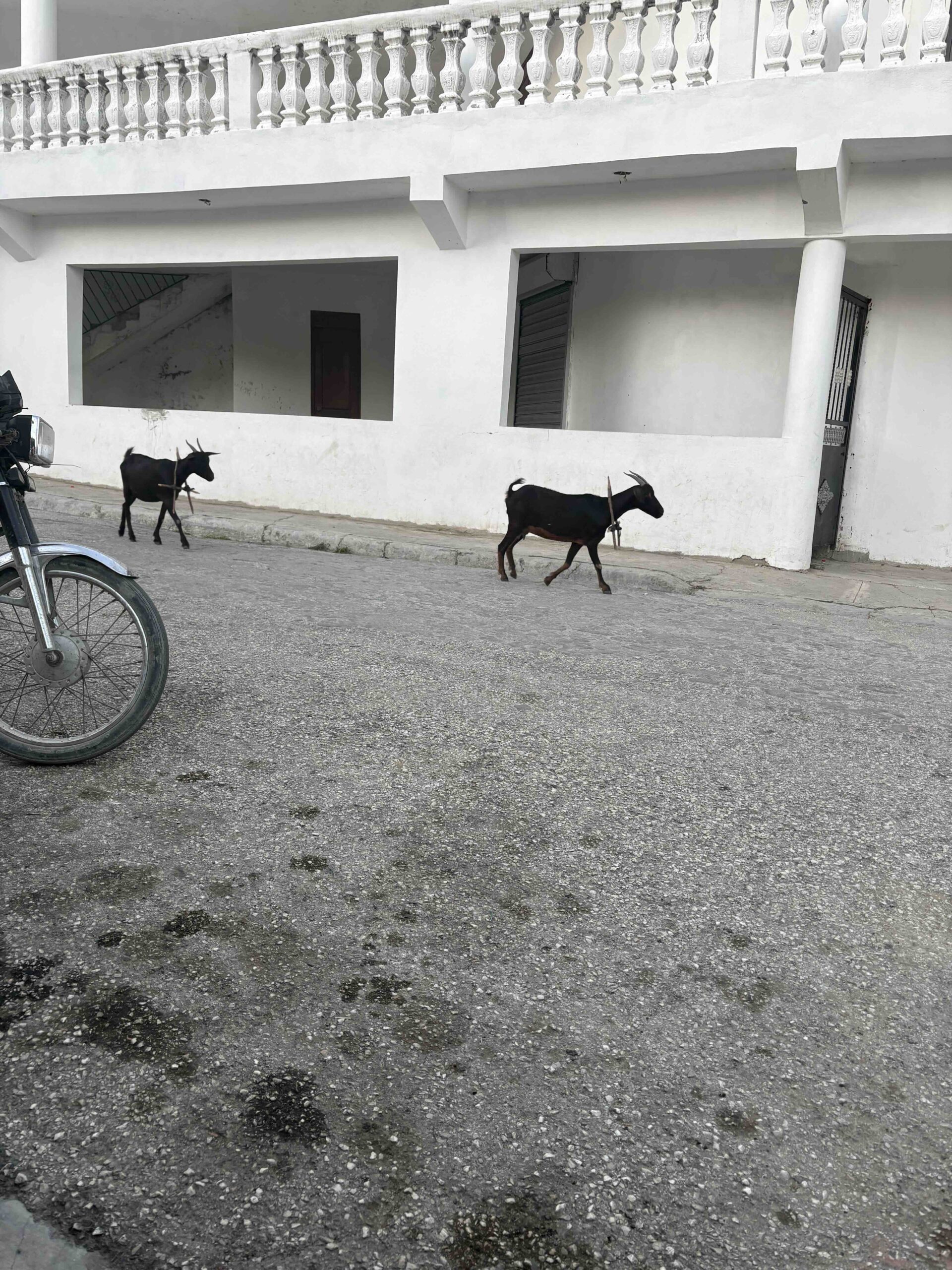
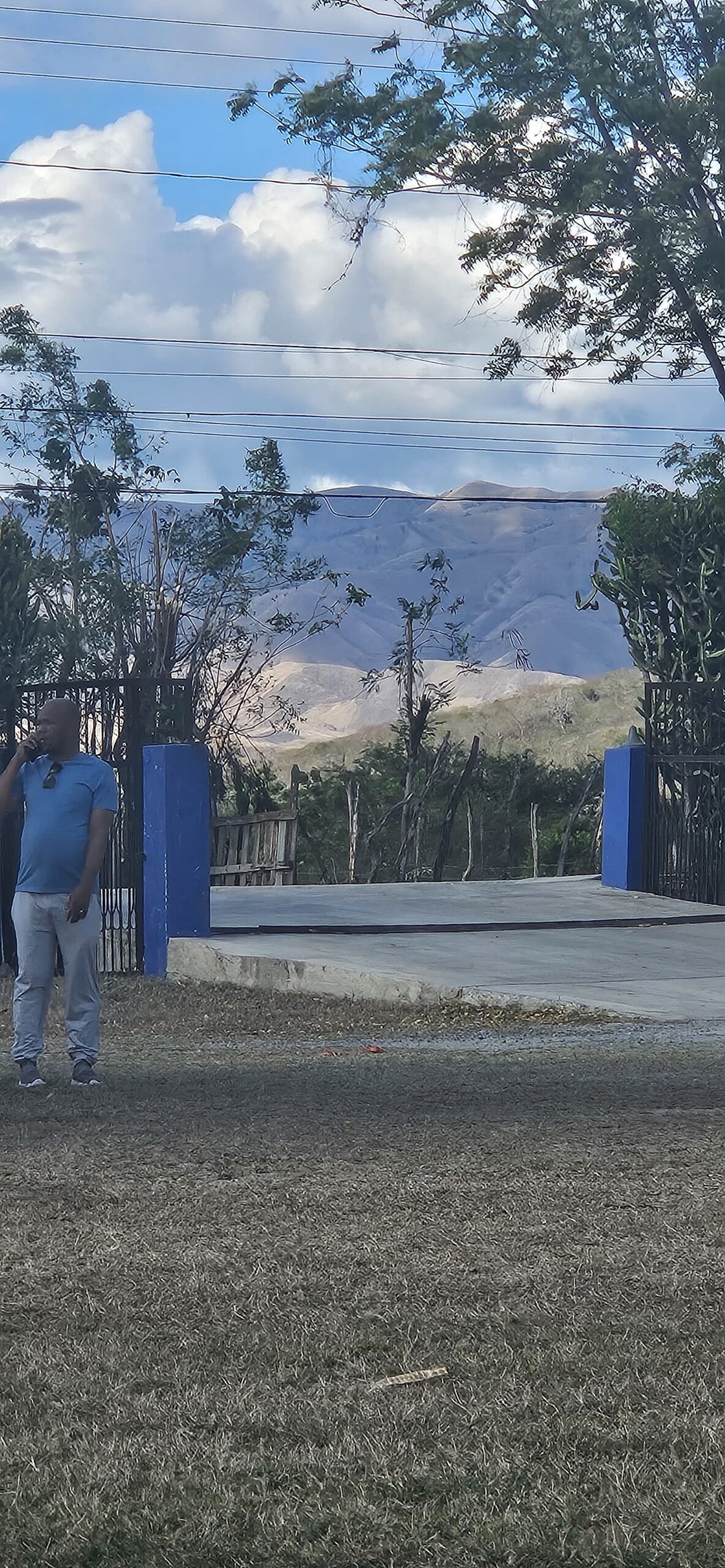
The day began with a bracing “Dominican wake-up call”—a cold shower that definitely didn’t need a water heater to feel refreshing. After a quick breakfast, we set out for El Morro at 08:15. The drive was a stunning, albeit bumpy, roller coaster through the countryside. We navigated unpaved roads and steep hills, sharing the landscape with majestic mountains and an array of local residents: goats (the baby “billies” were a team favorite), pigs, burros, and horses meandering along the route.
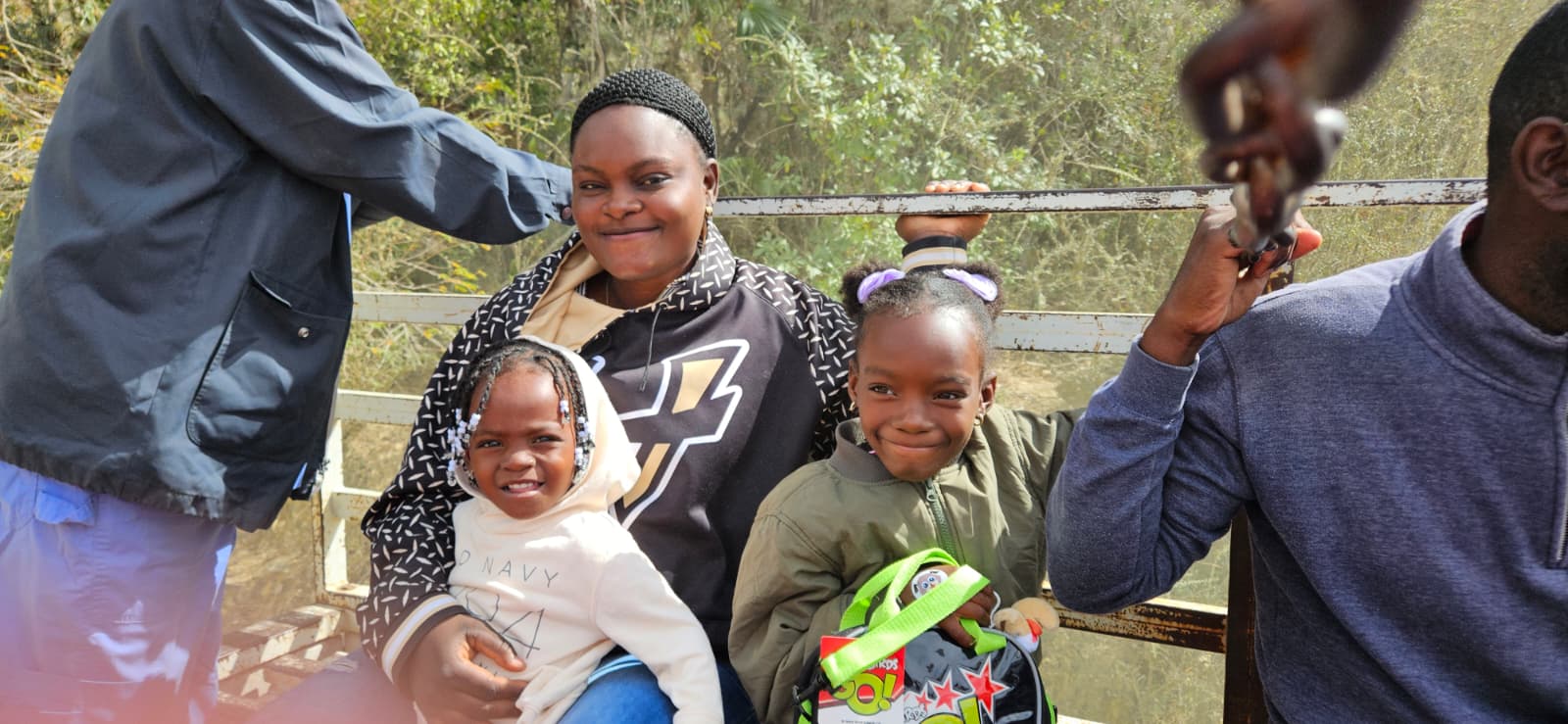
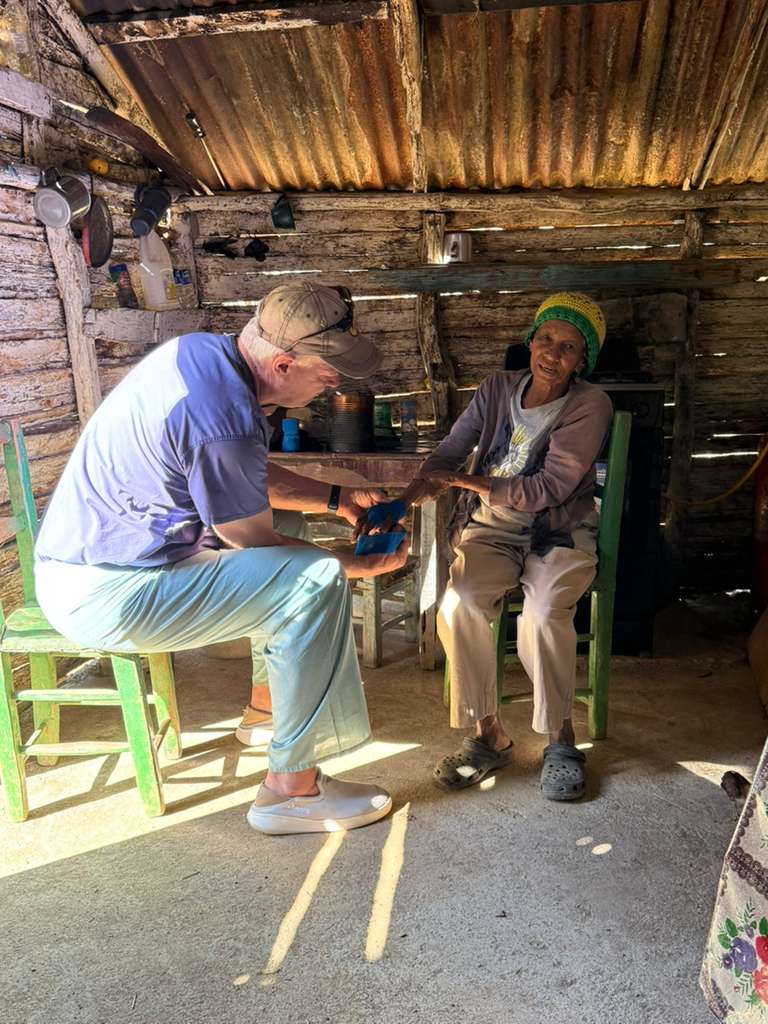
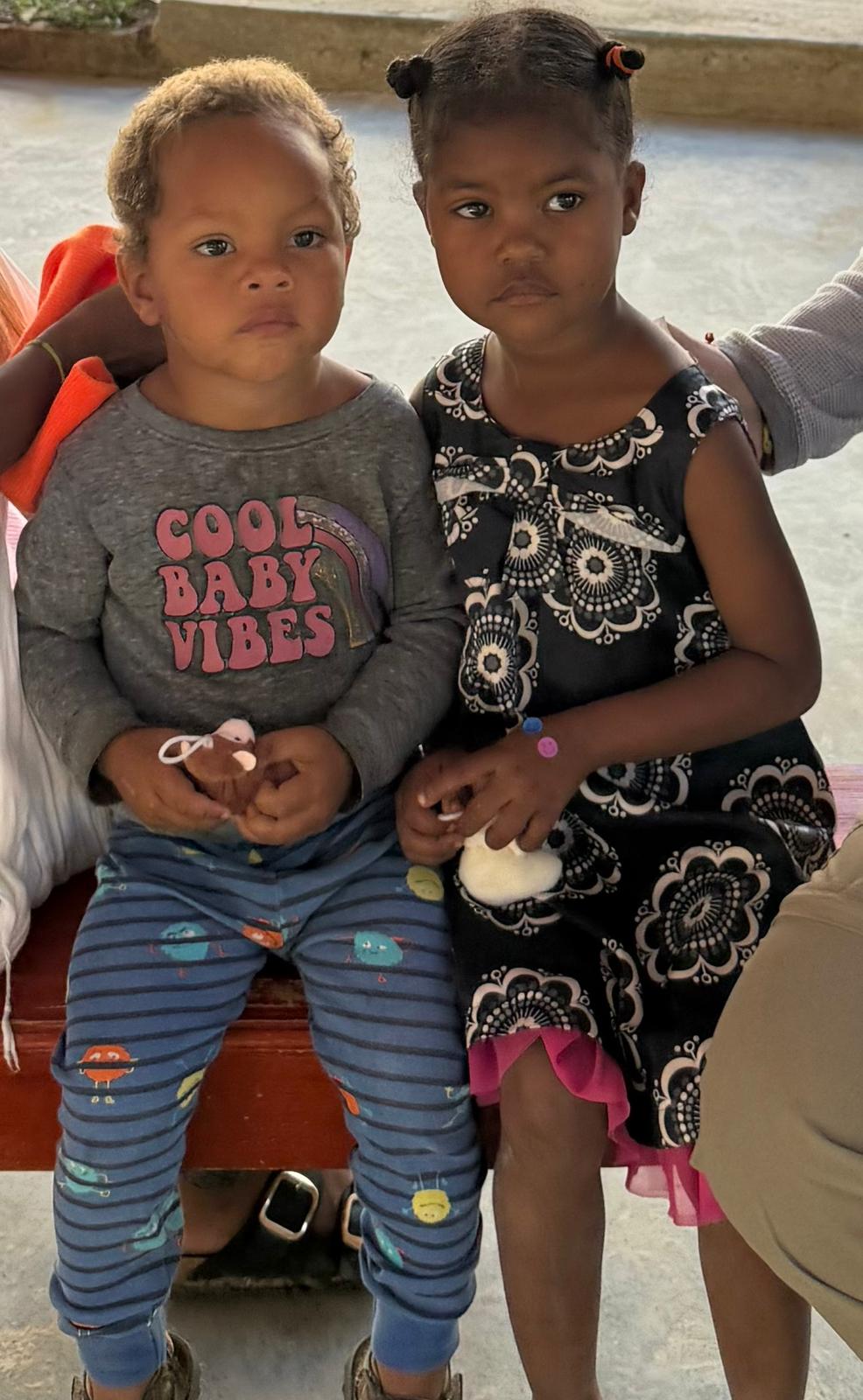
Our arrival at the clinic site was surprisingly quiet at first due to some communication gaps in the village. However, the momentum shifted quickly as word spread. Patients began arriving in waves—some walking, others piled into the back of pickups we sent to fetch them. By the time we closed up shop, we had treated 72 patients. While the turnout was lighter than expected, the flexibility of the team ensured that everyone who made the trip was seen and cared for.
As the sun set, the weather turned unexpectedly cool and windy, prompting us to move our dinner and evening “hangout” inside the kitchen. With the pharmacy inventory already staged for tomorrow and the patient data logged into our records, we enjoyed a rare bit of quiet downtime.
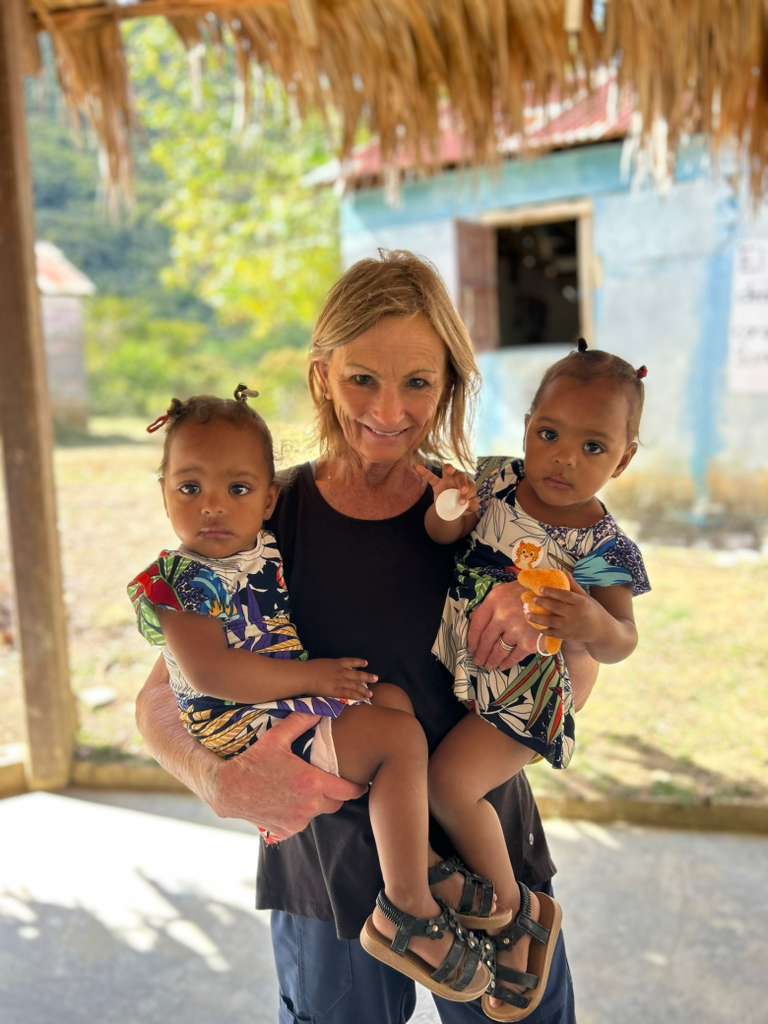
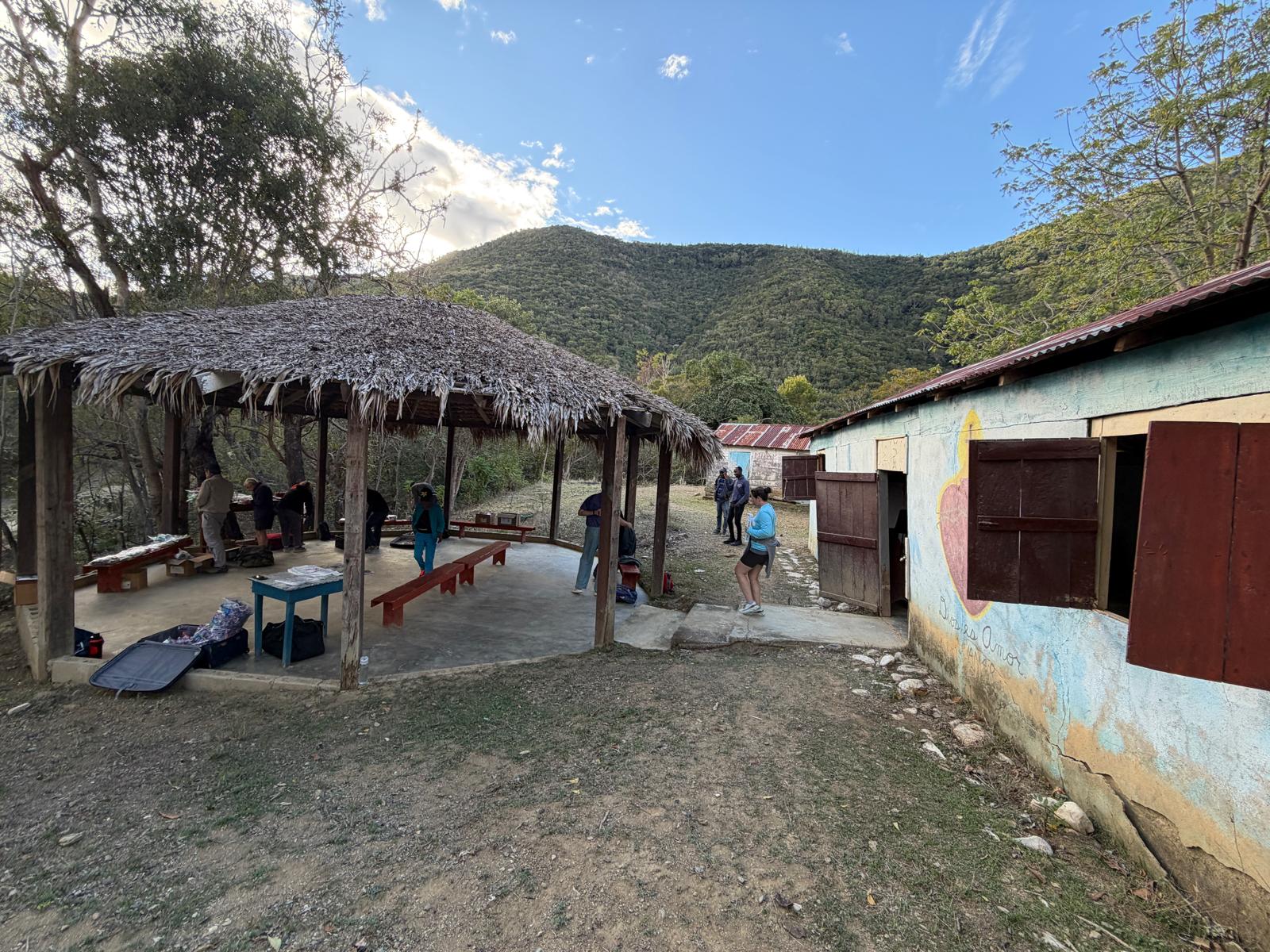
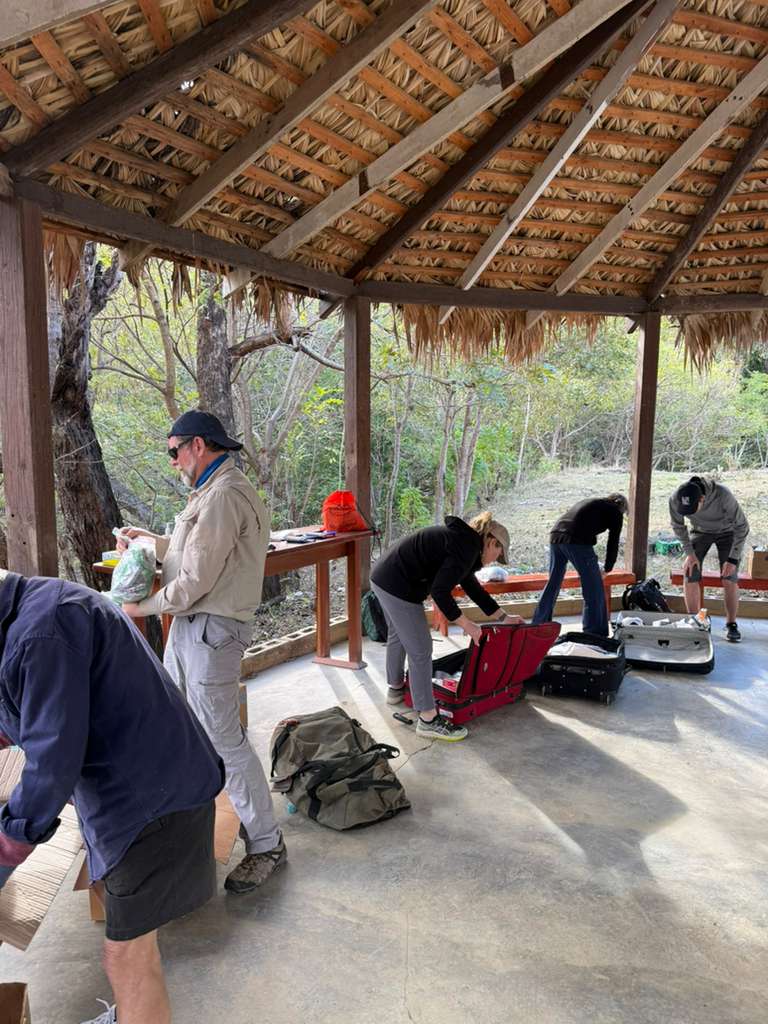
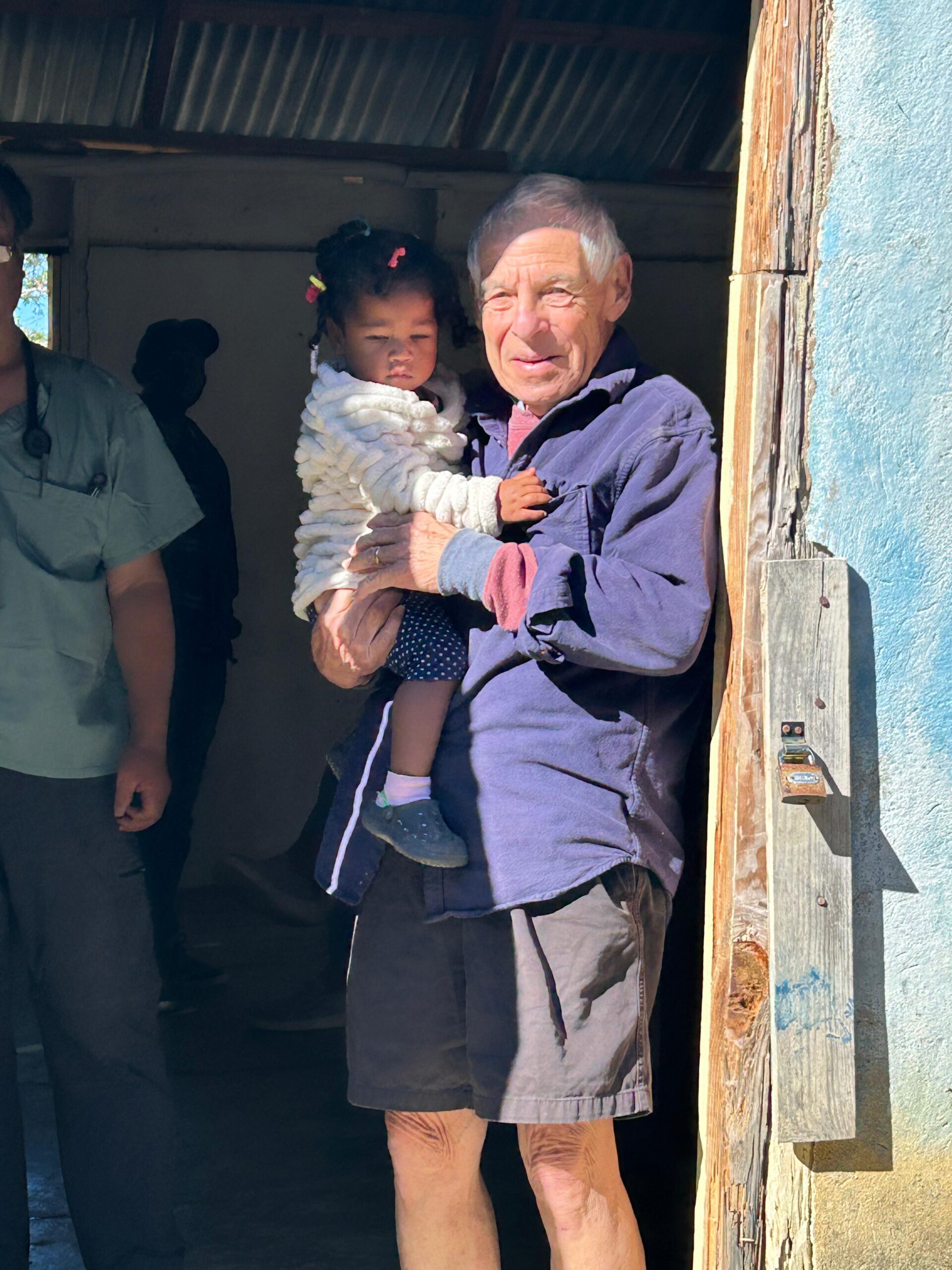
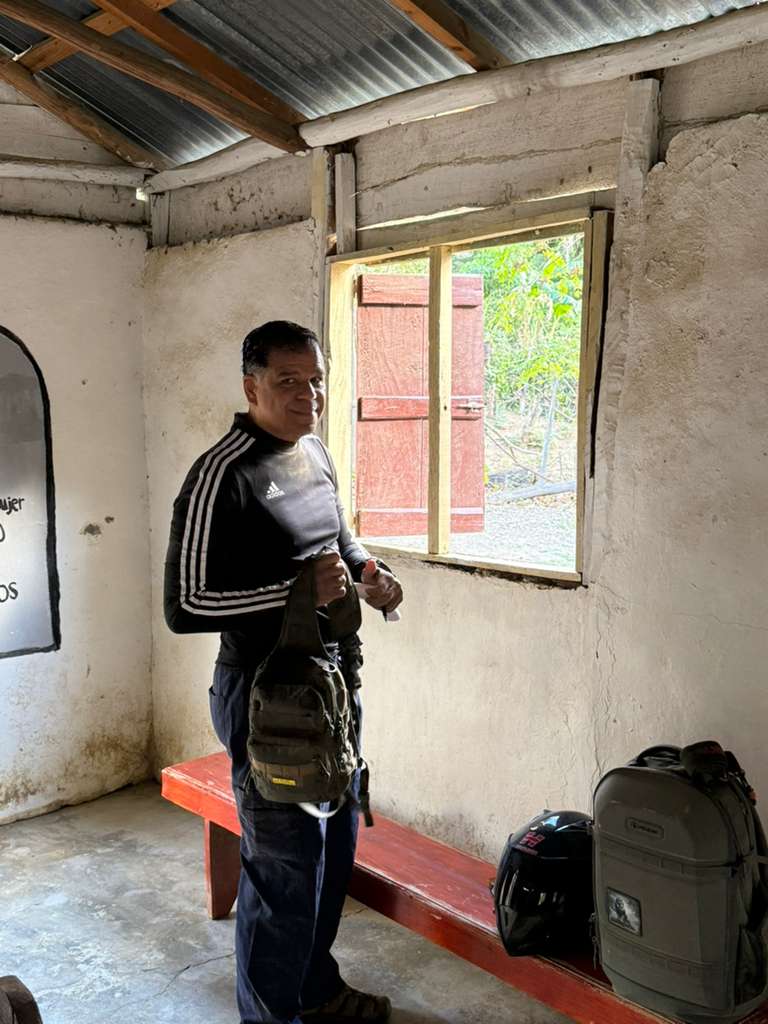
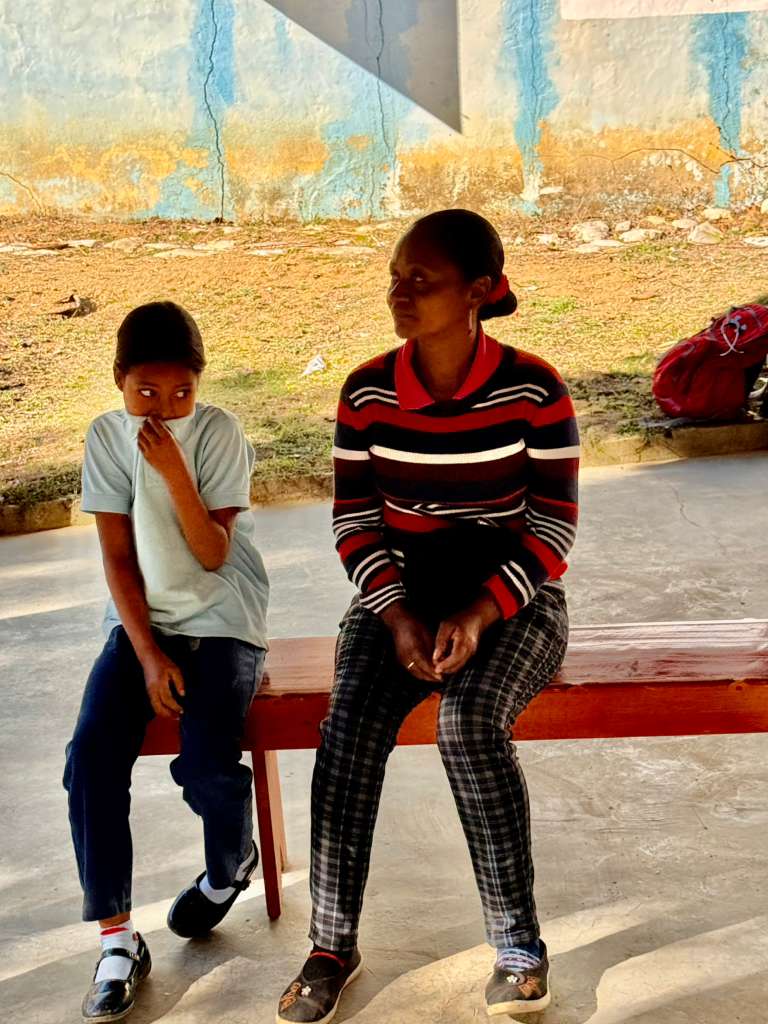
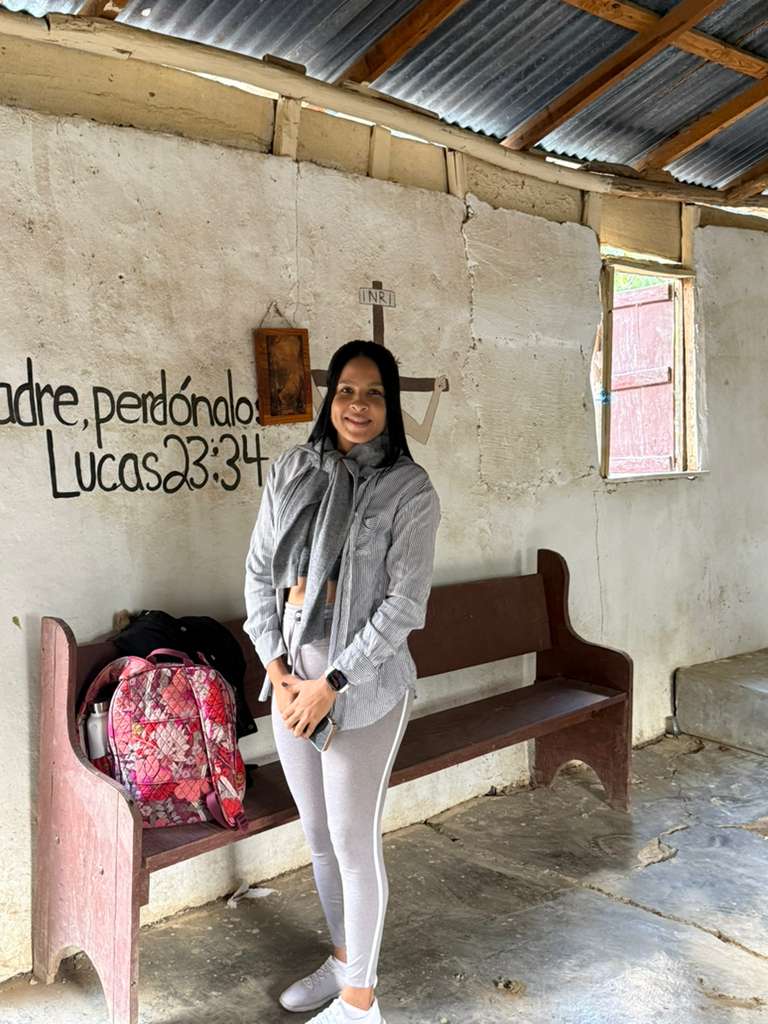
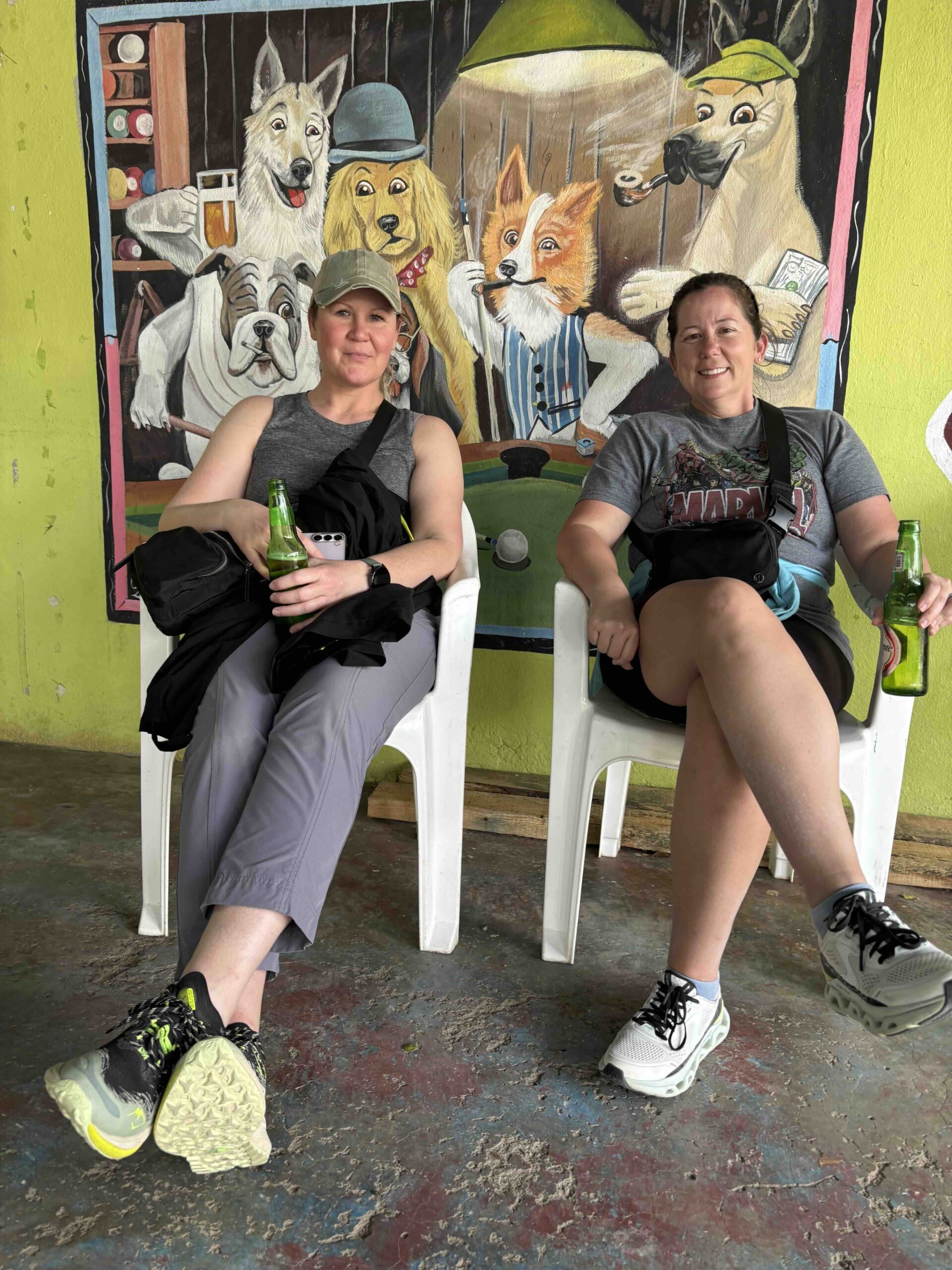
Feb 4th - Los Cacaos
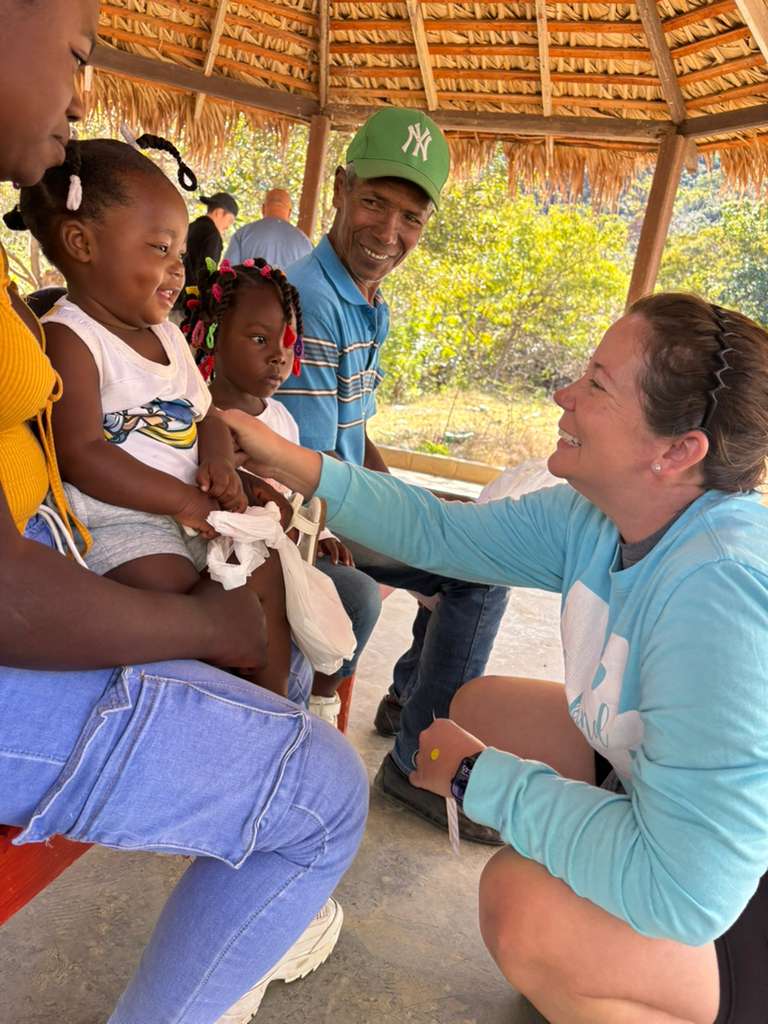
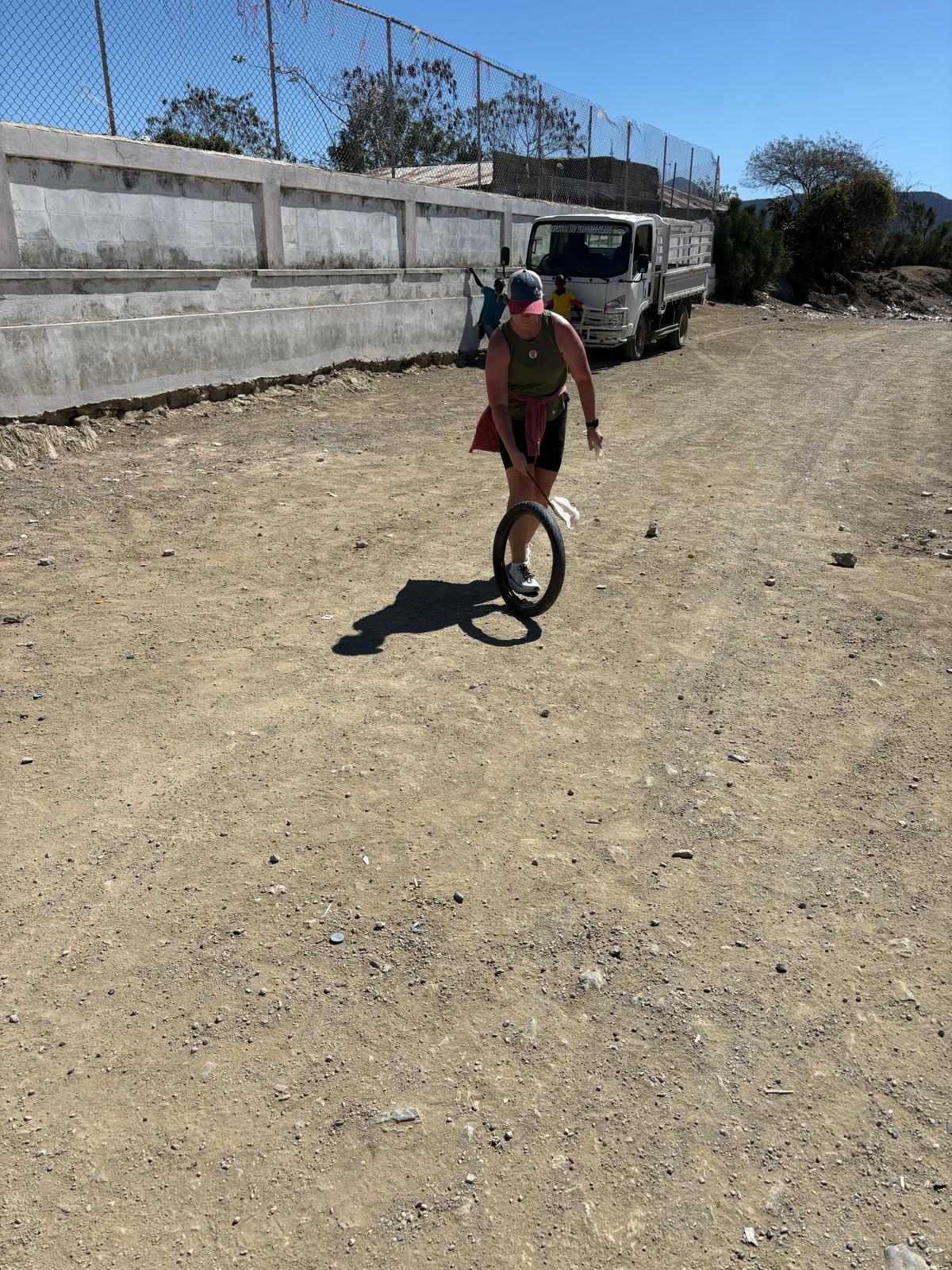
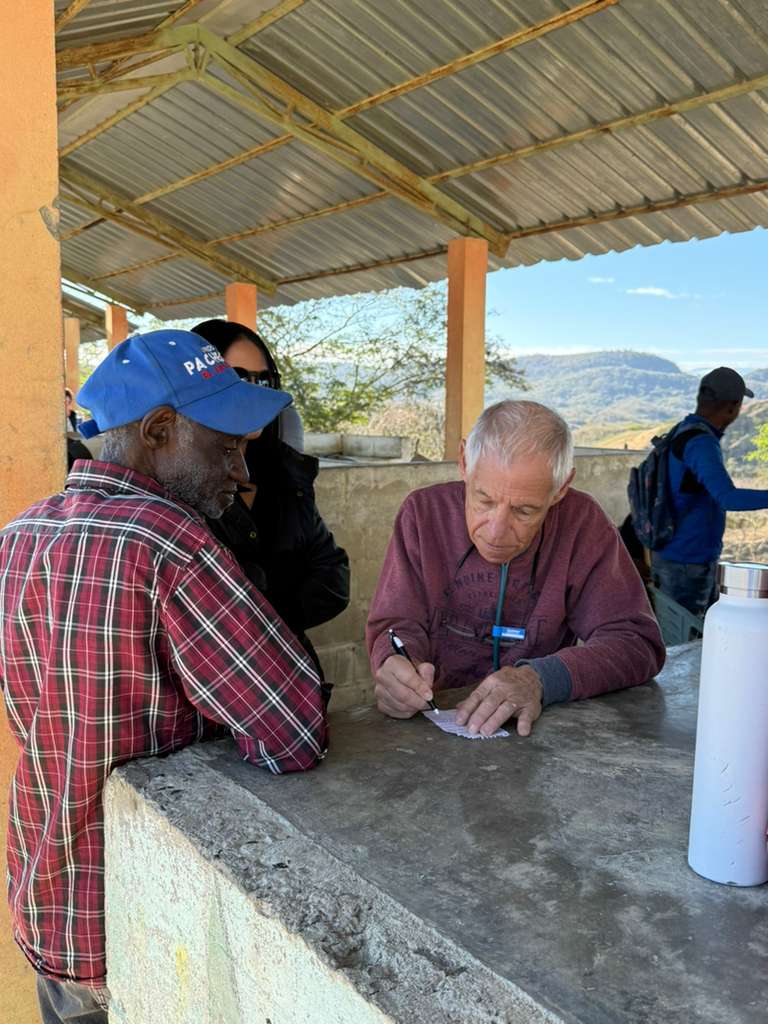
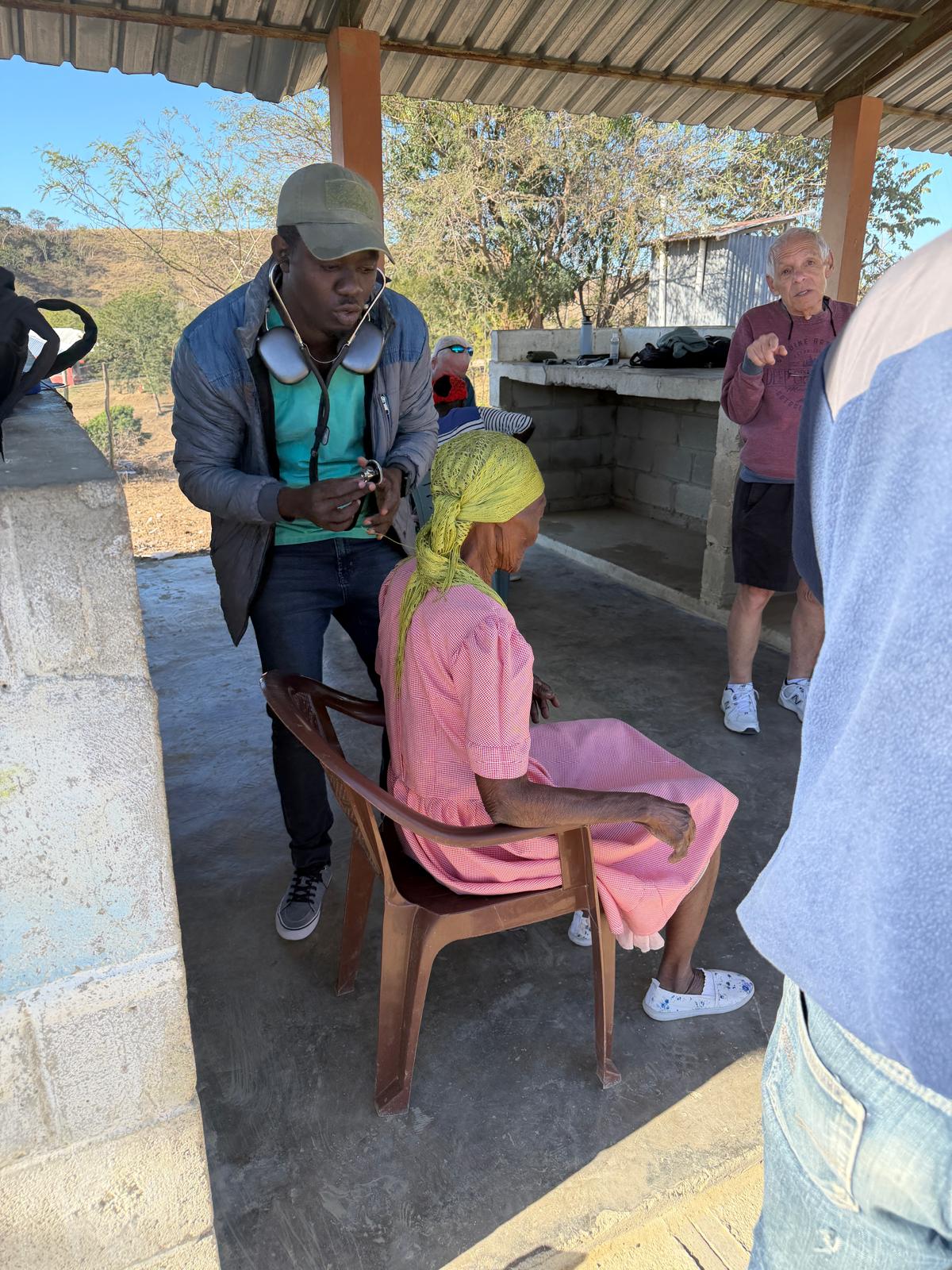
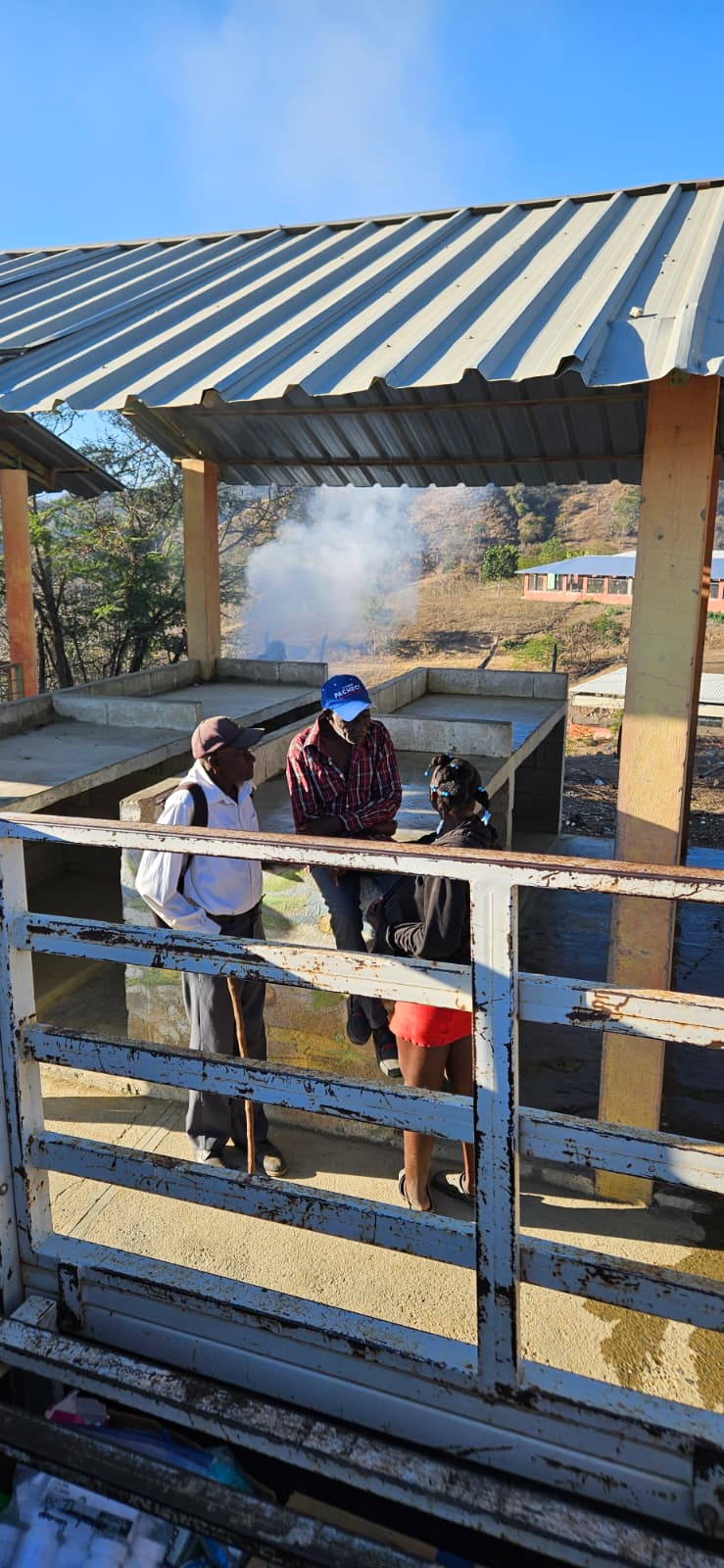
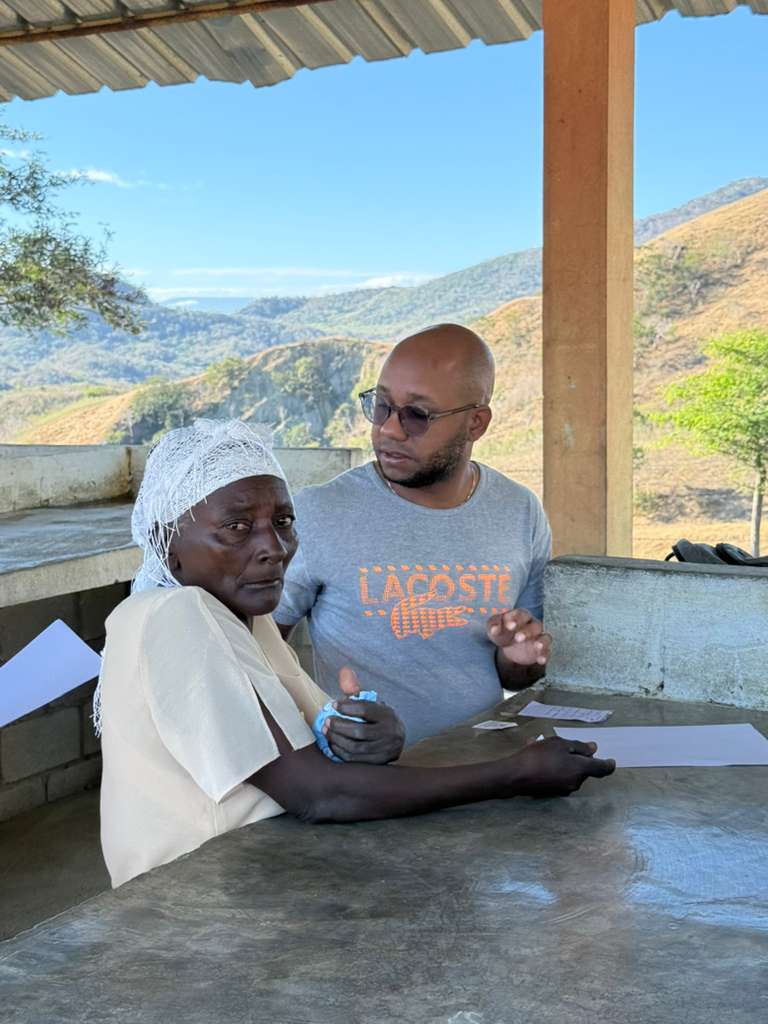
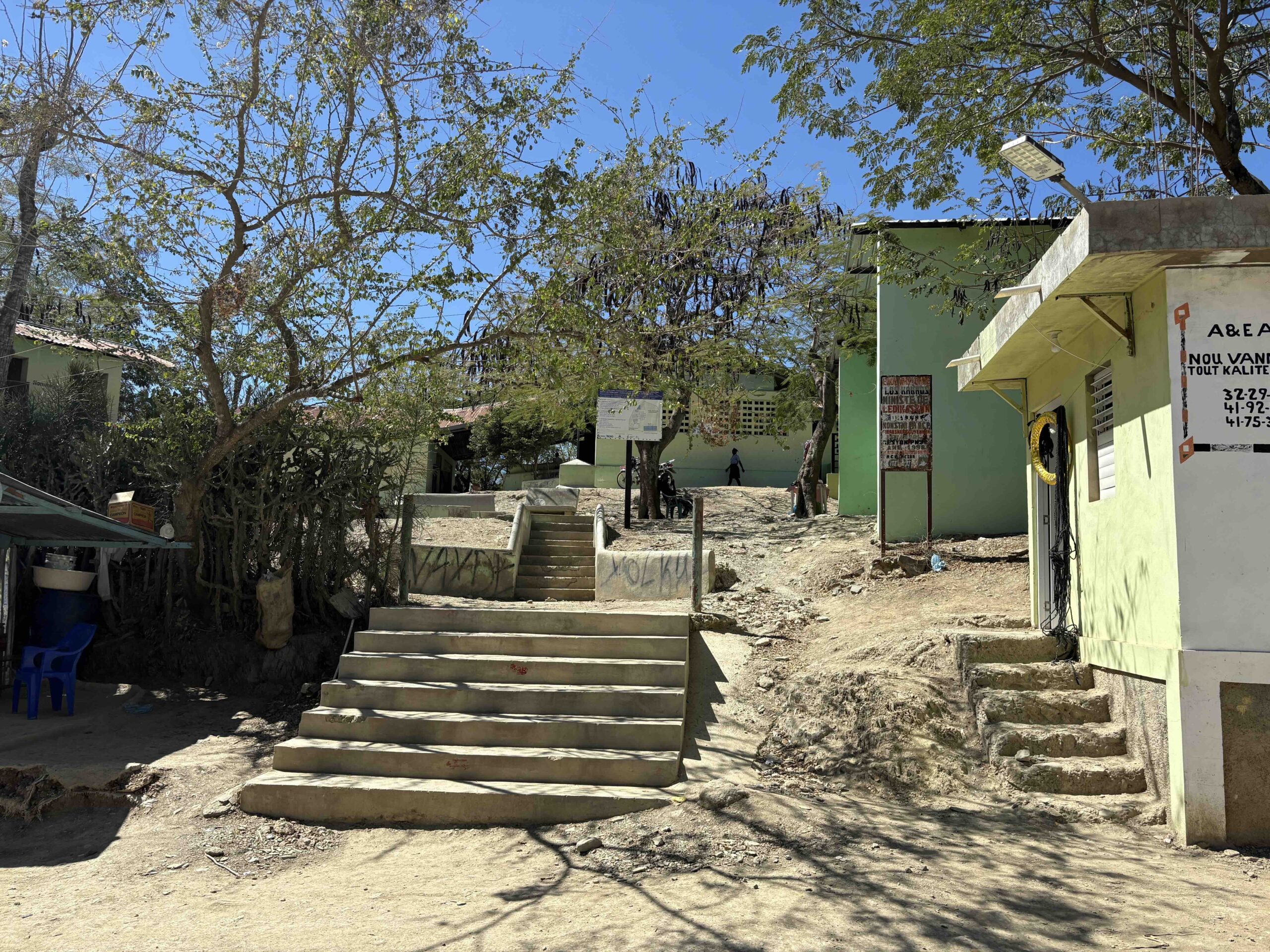
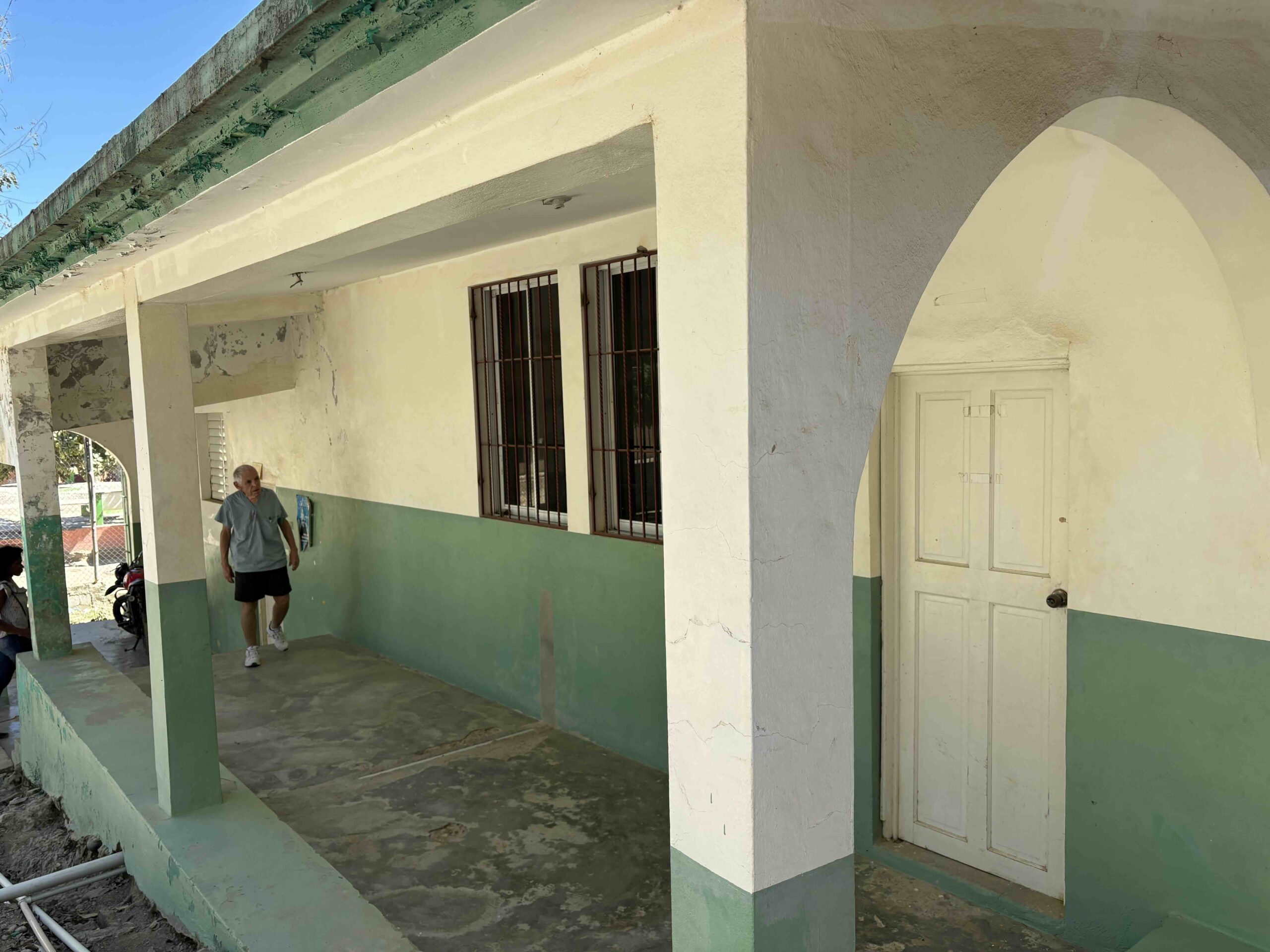
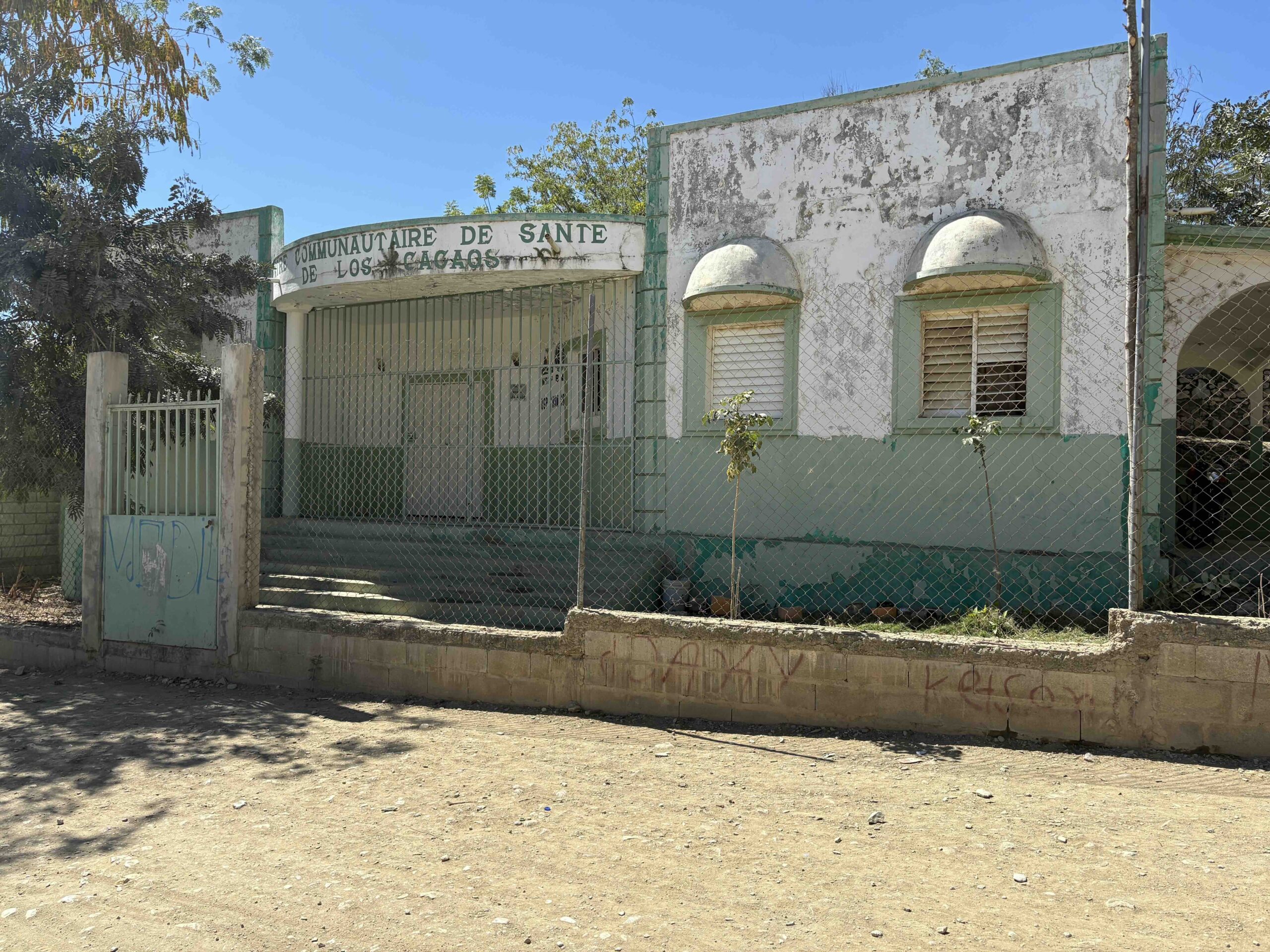
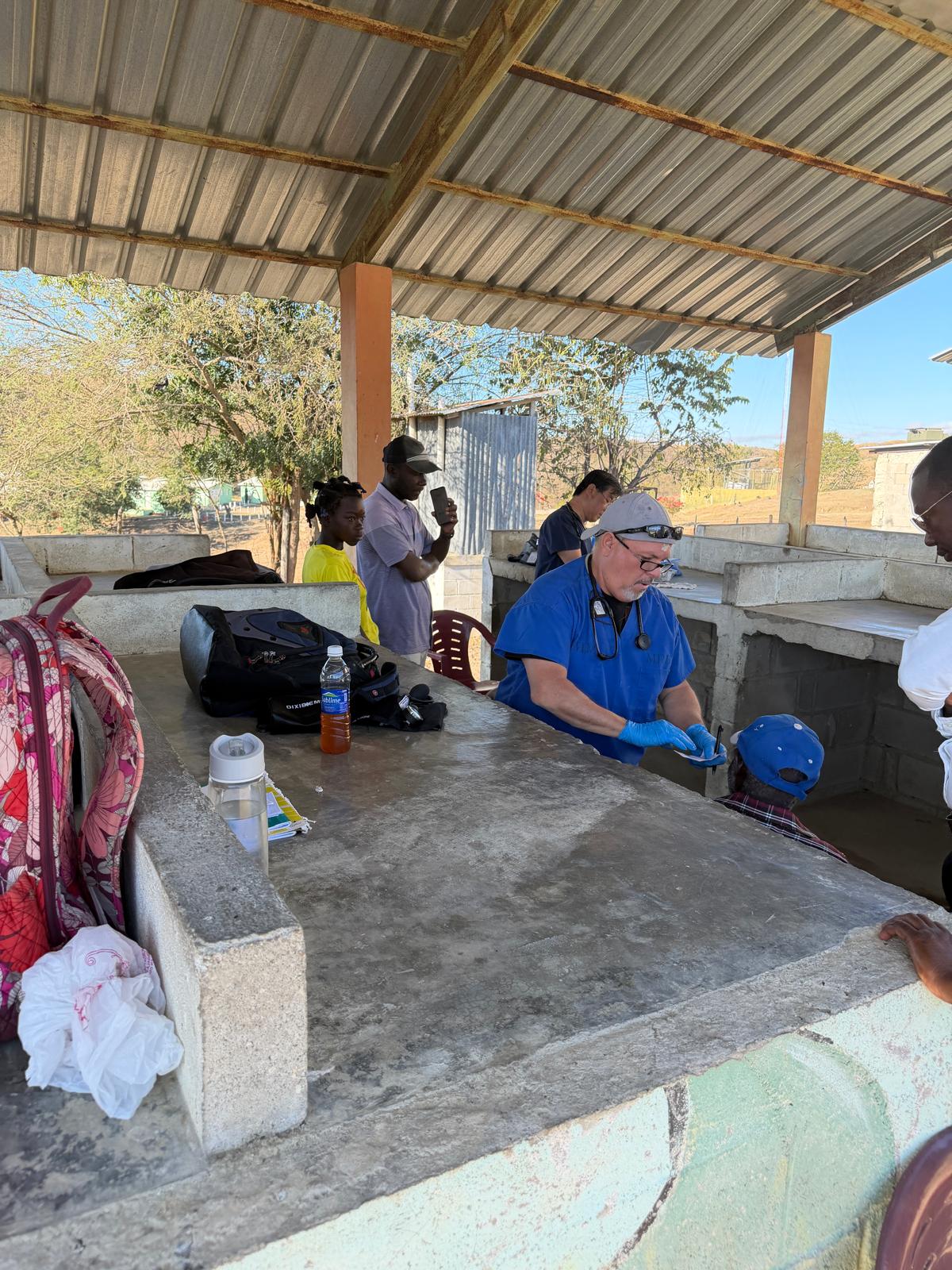
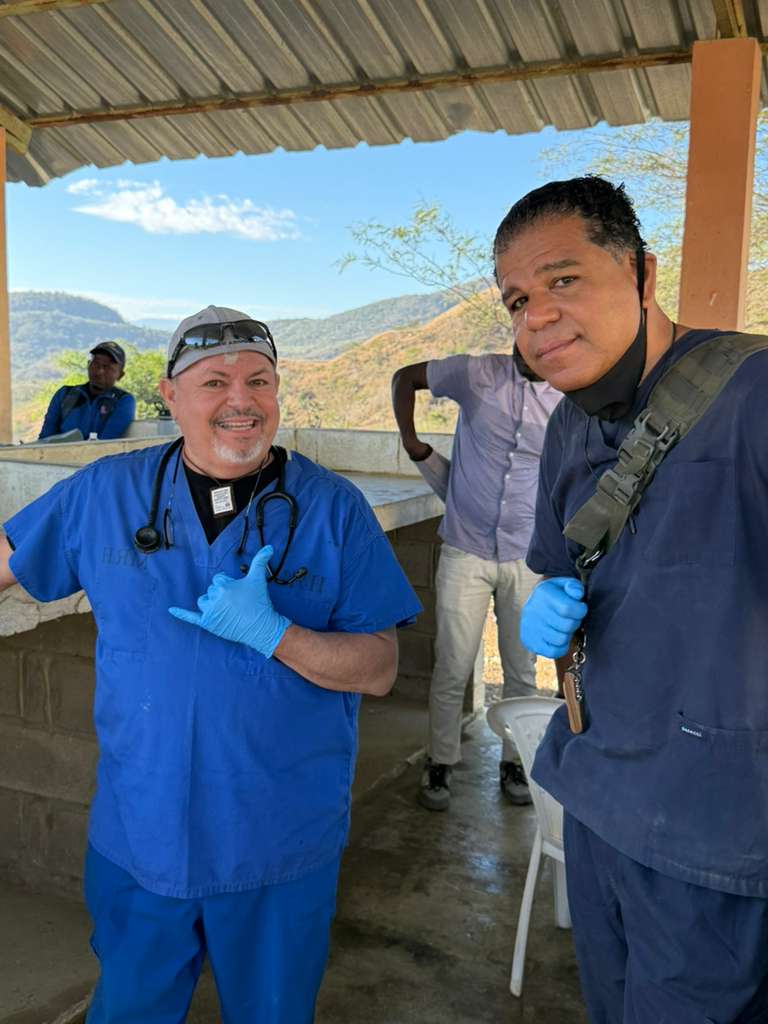
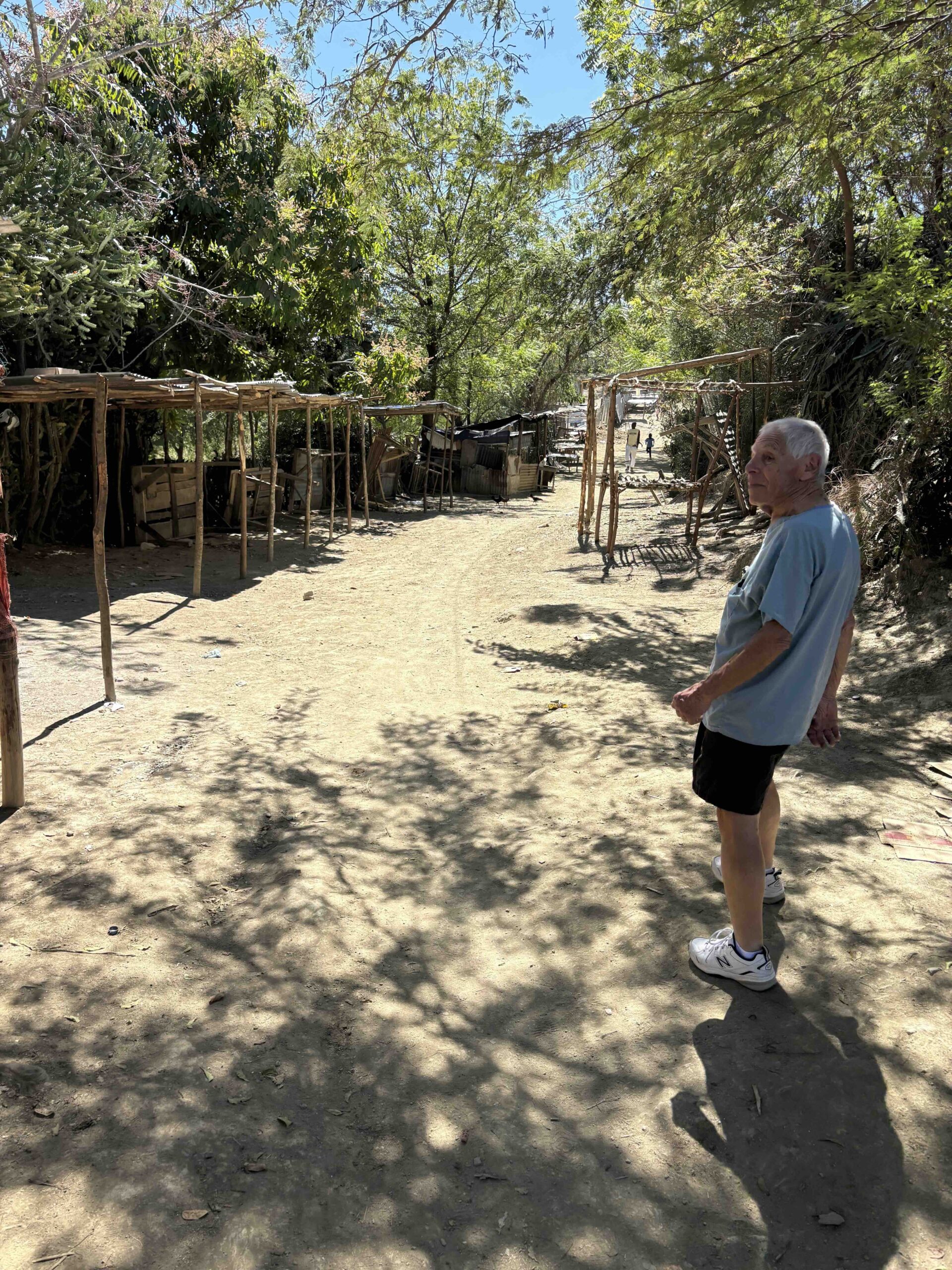
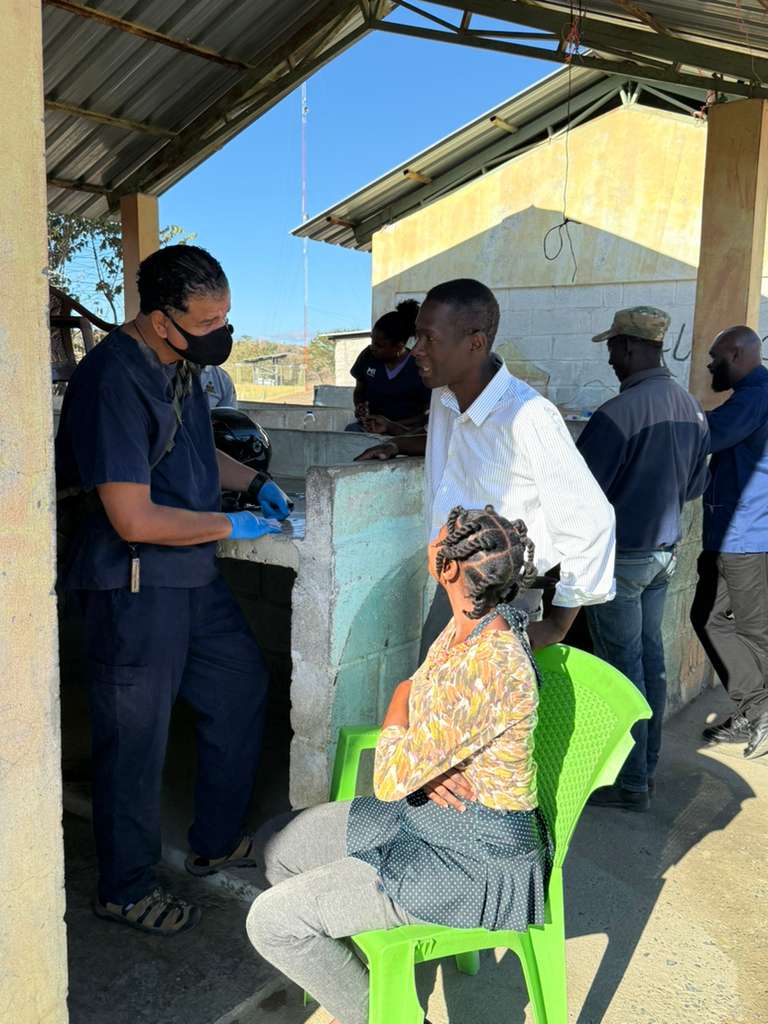
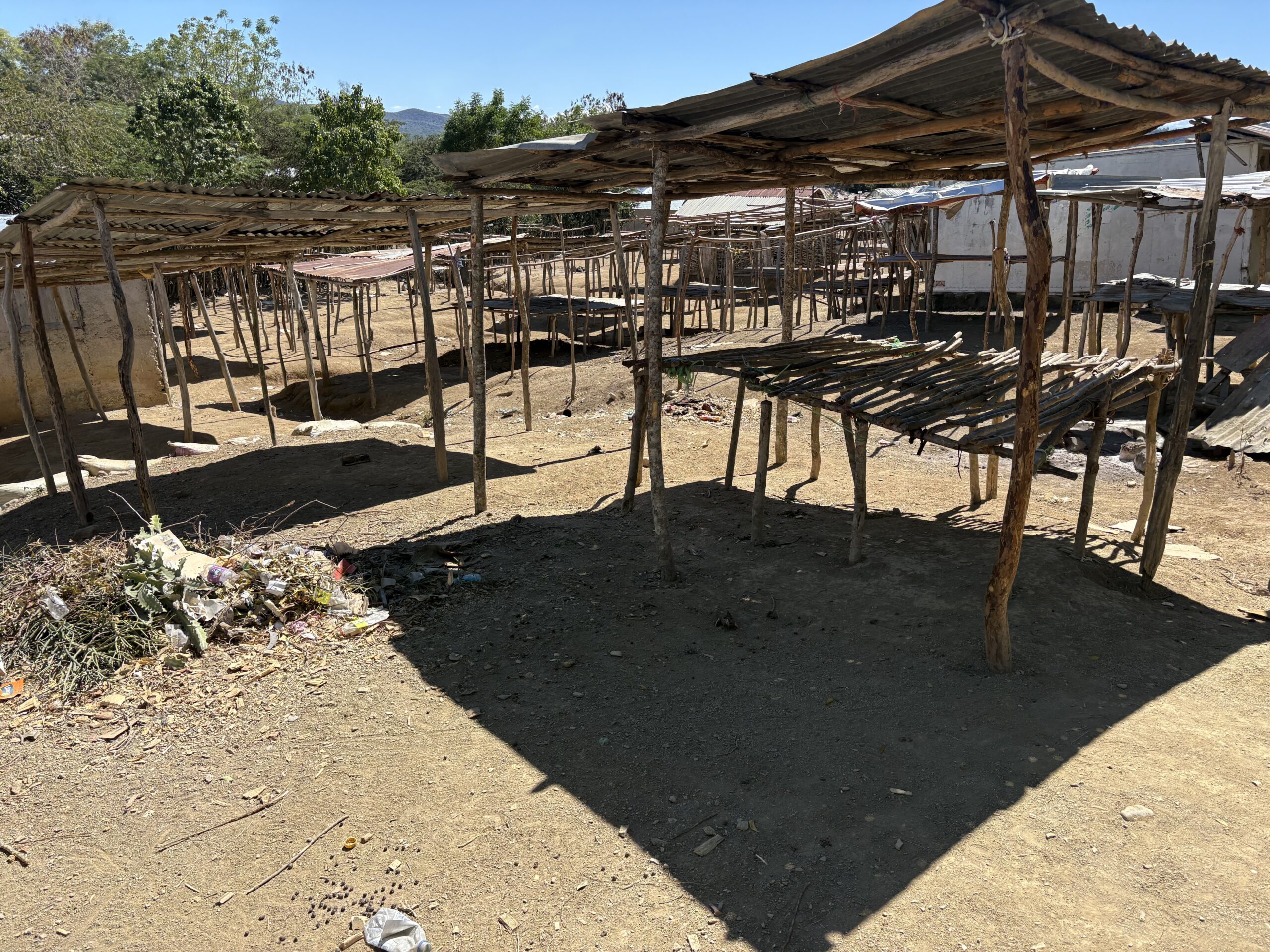
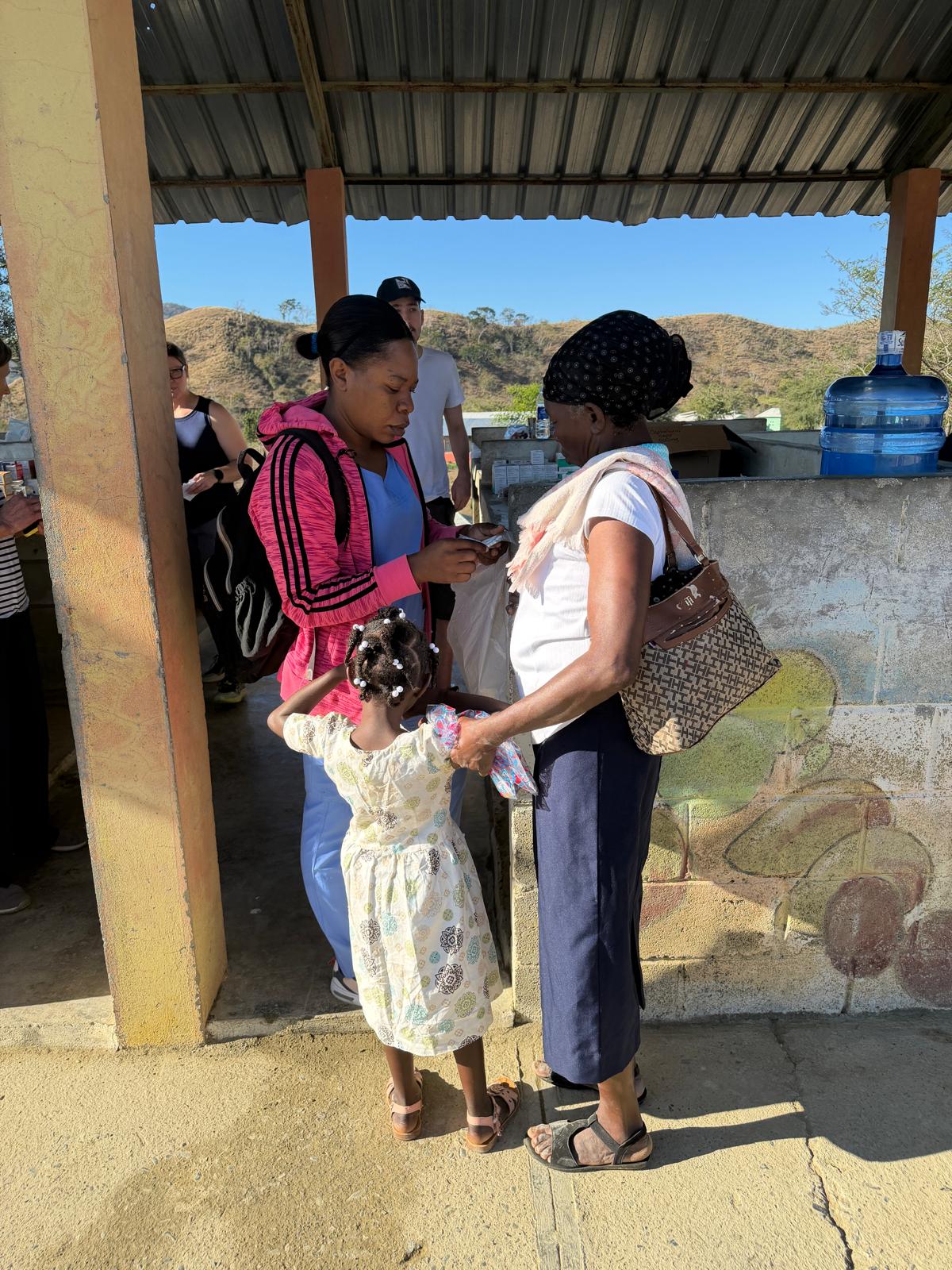
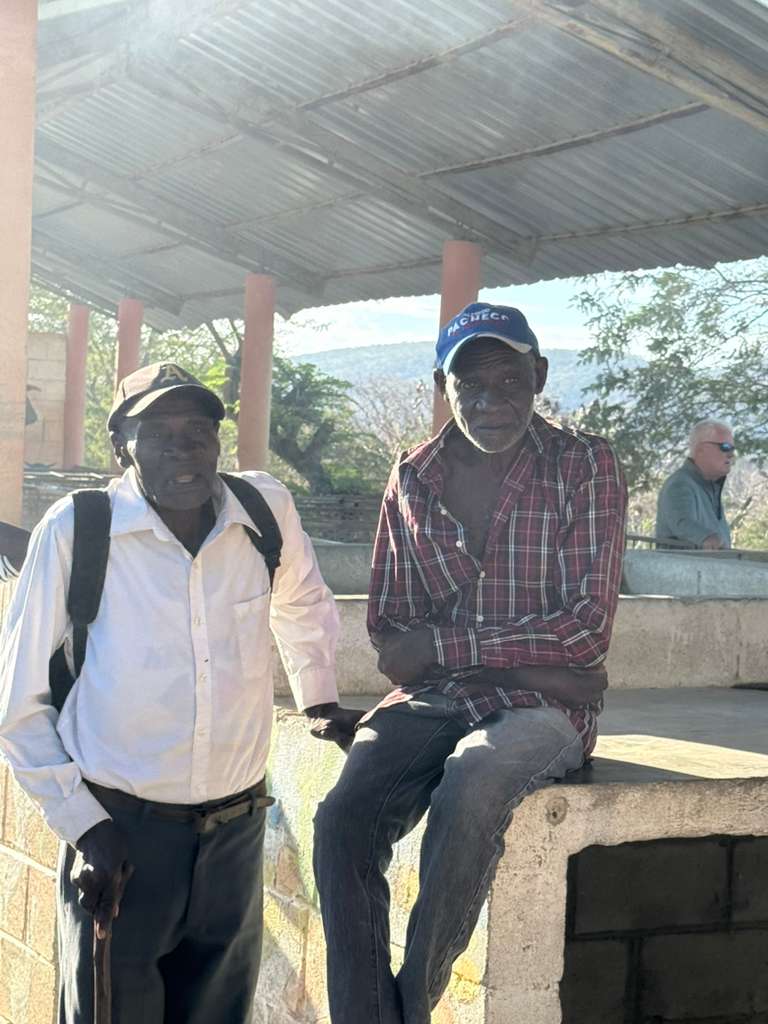
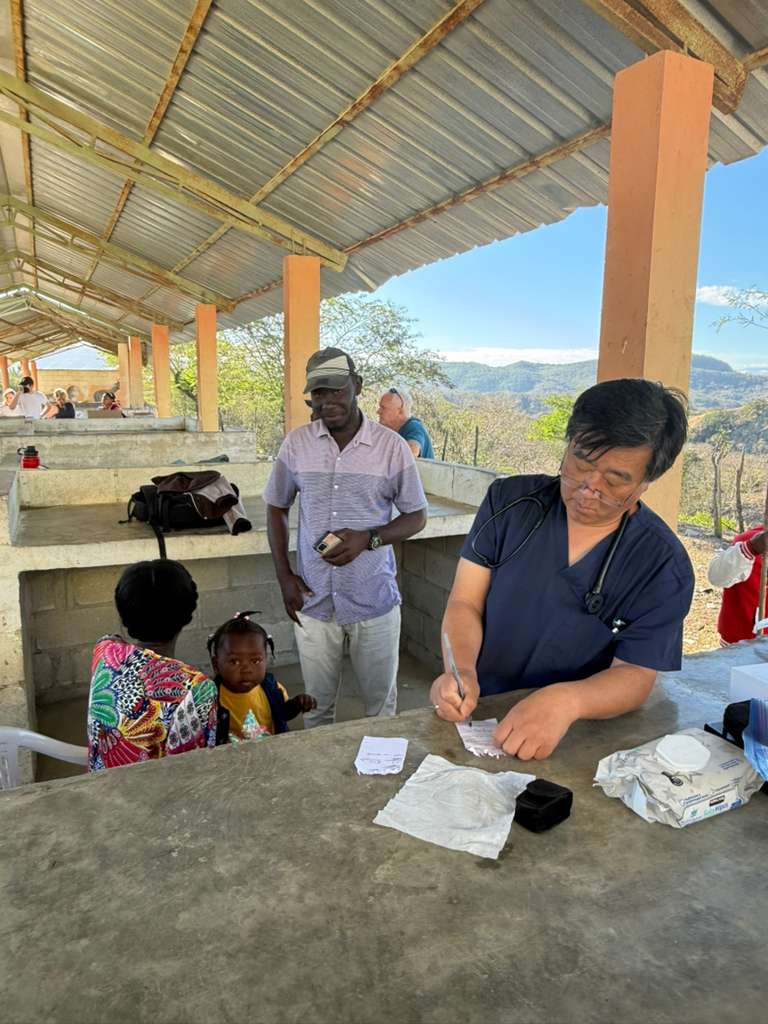
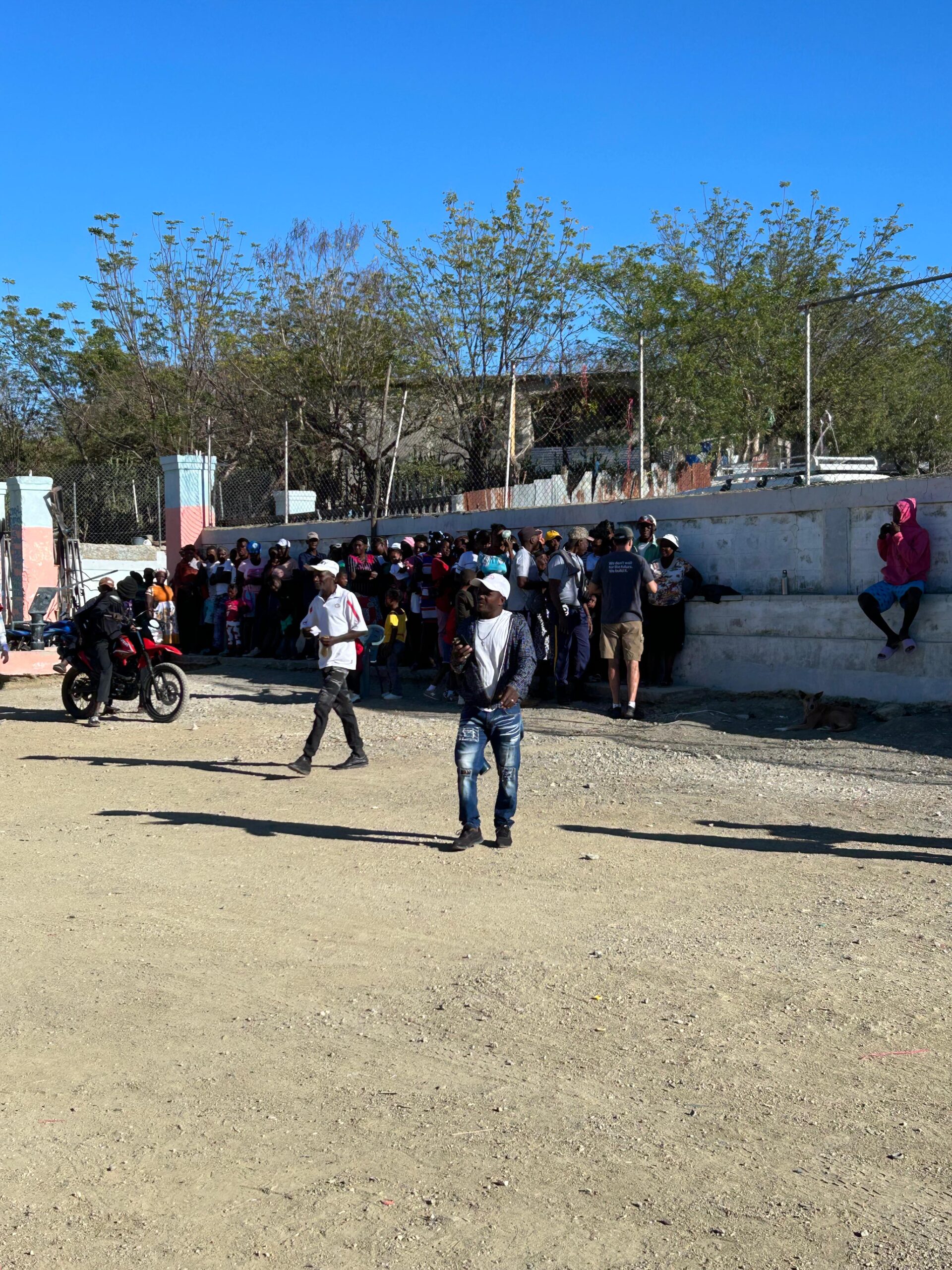
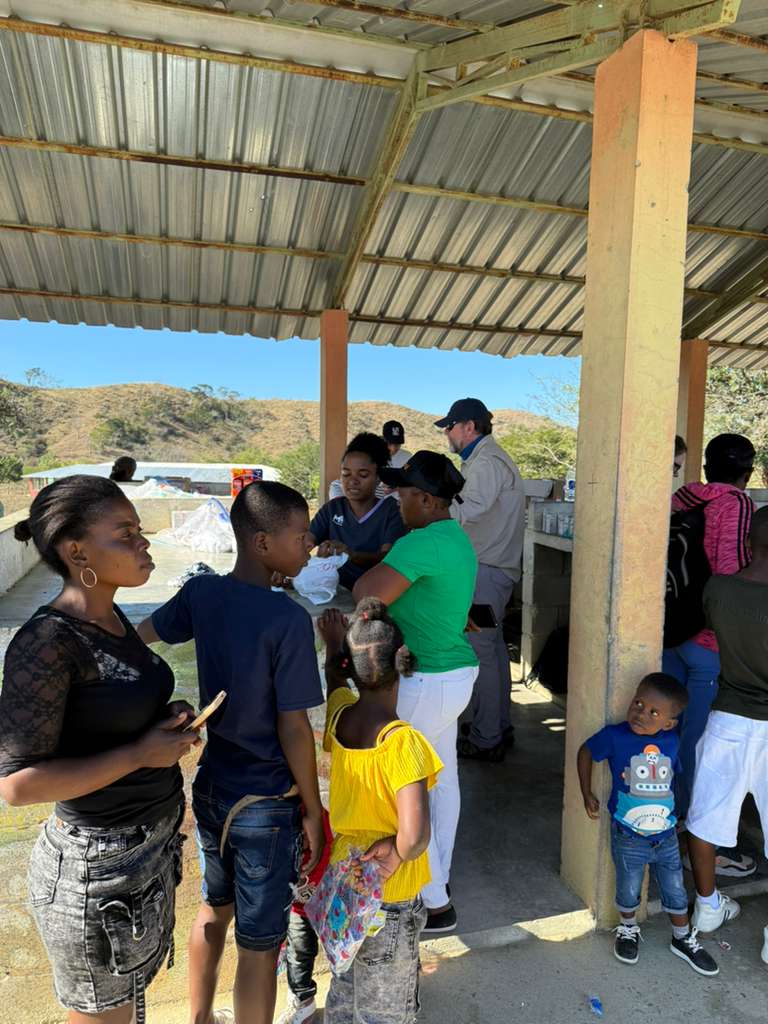
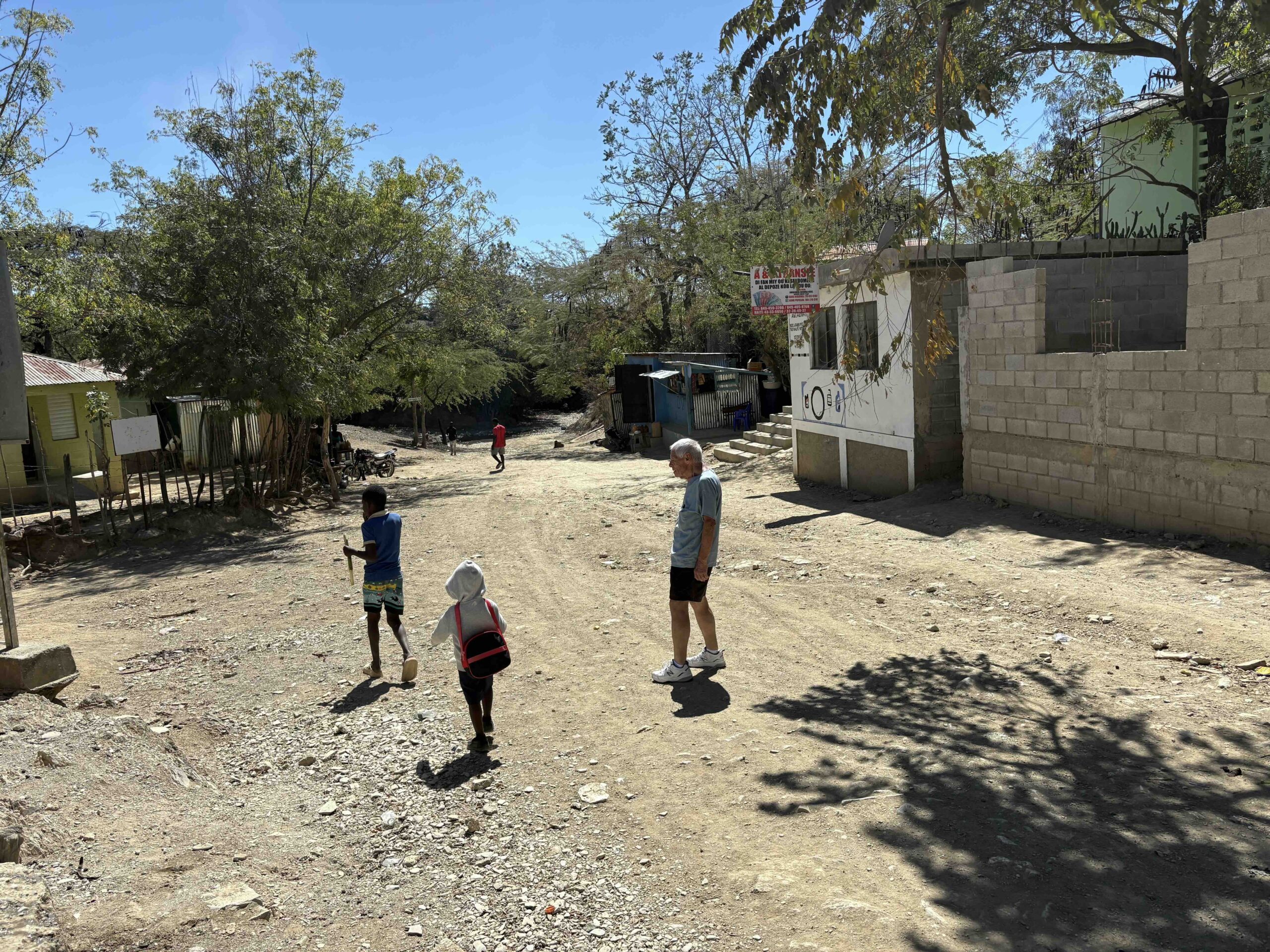
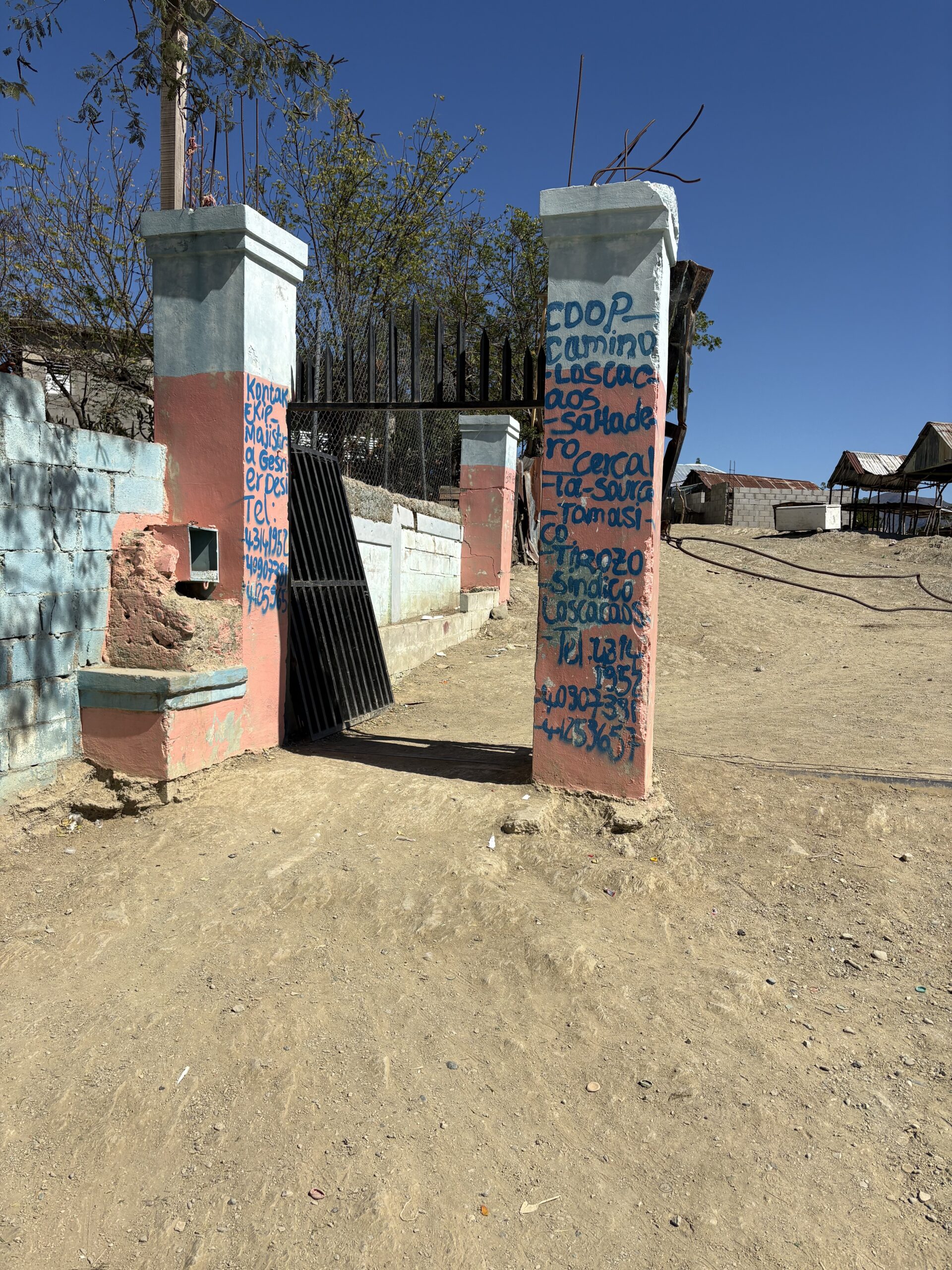
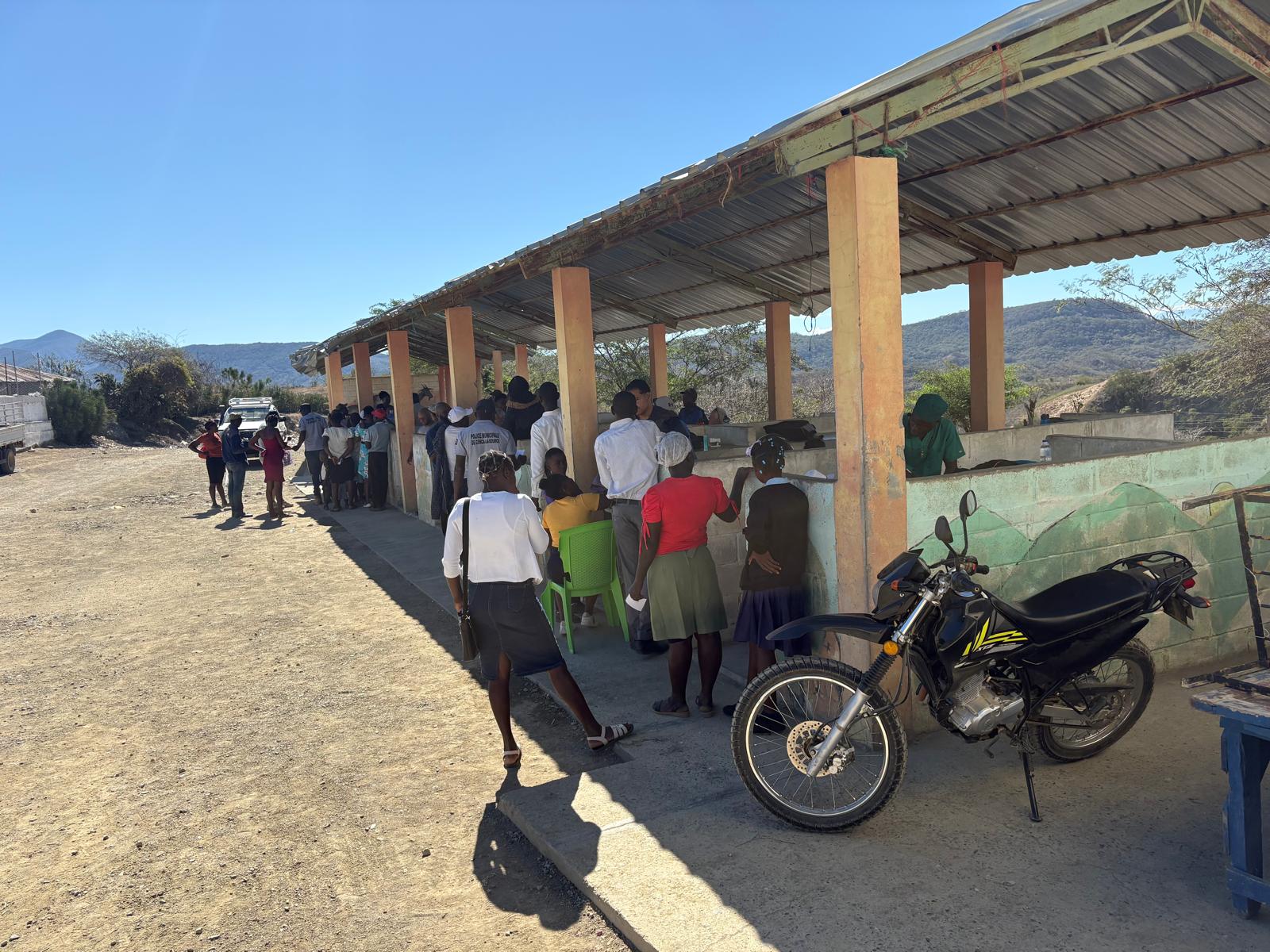
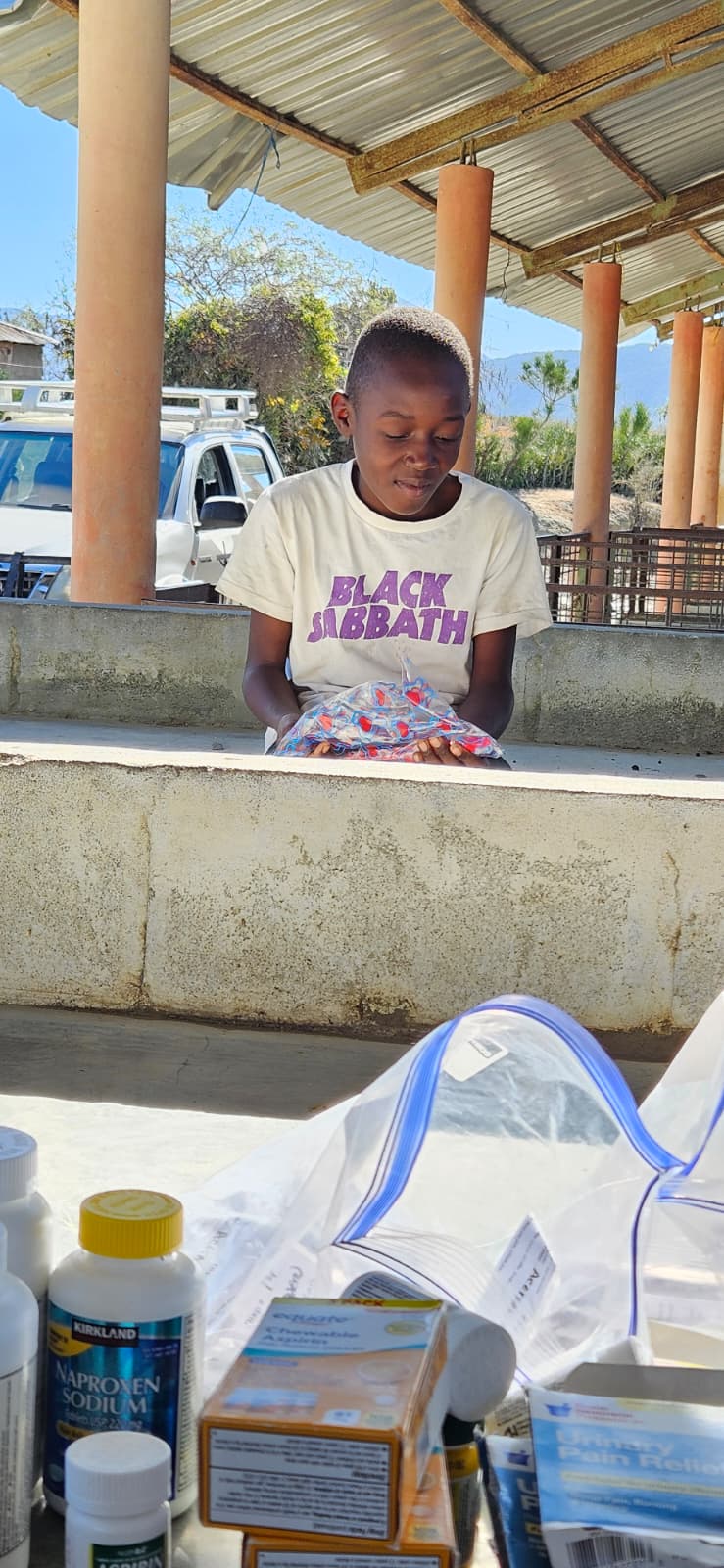
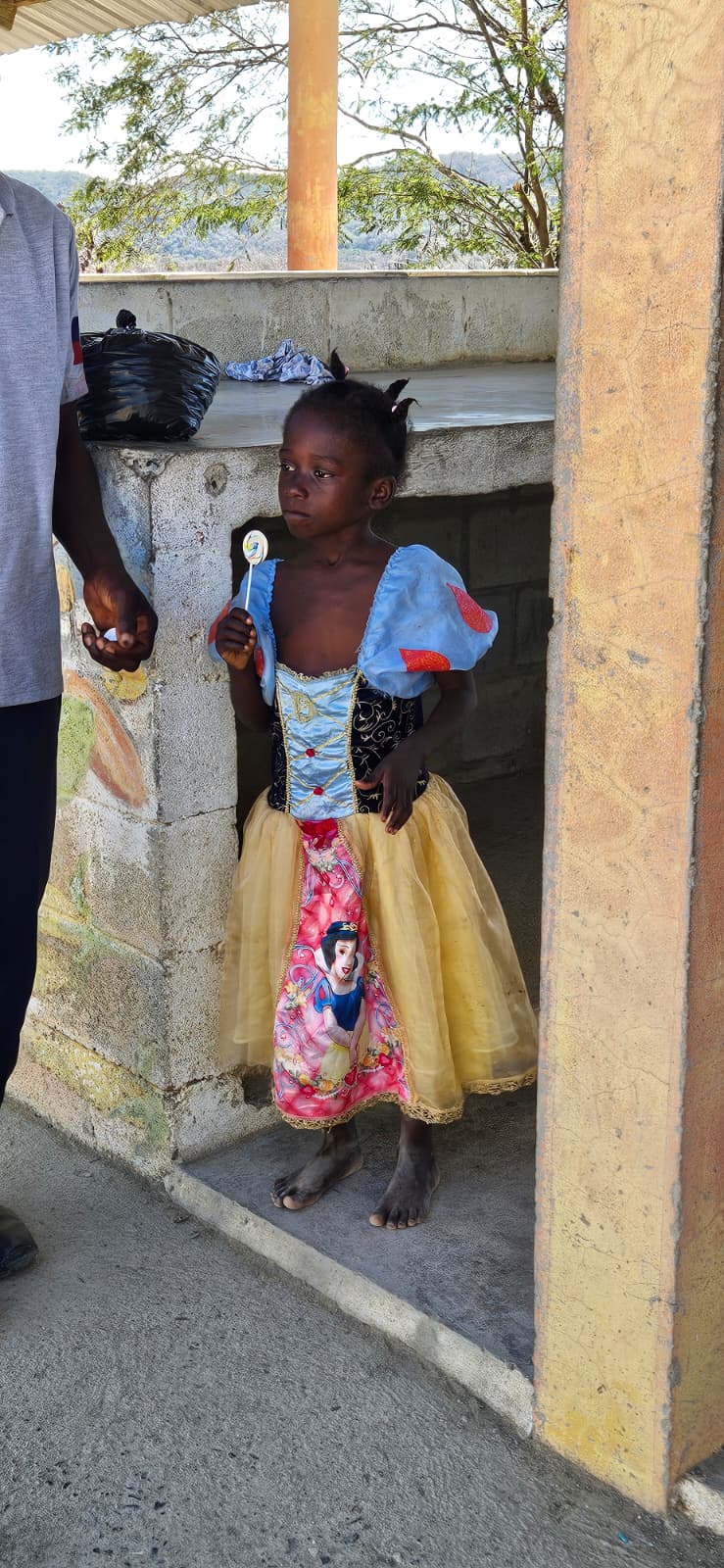
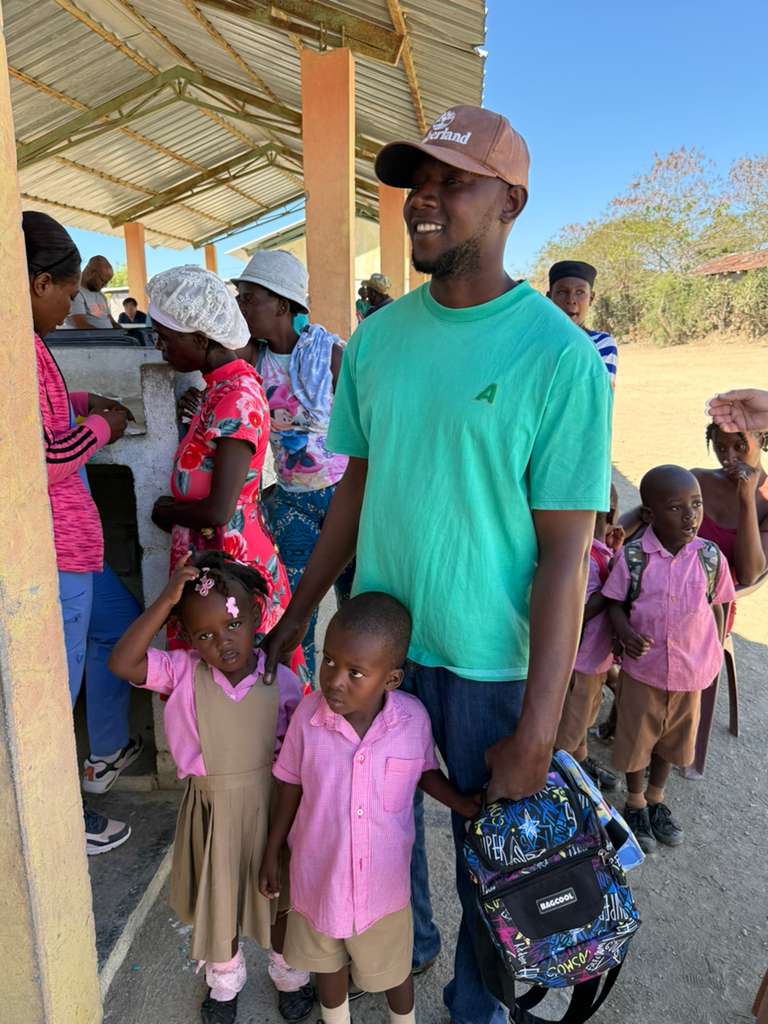
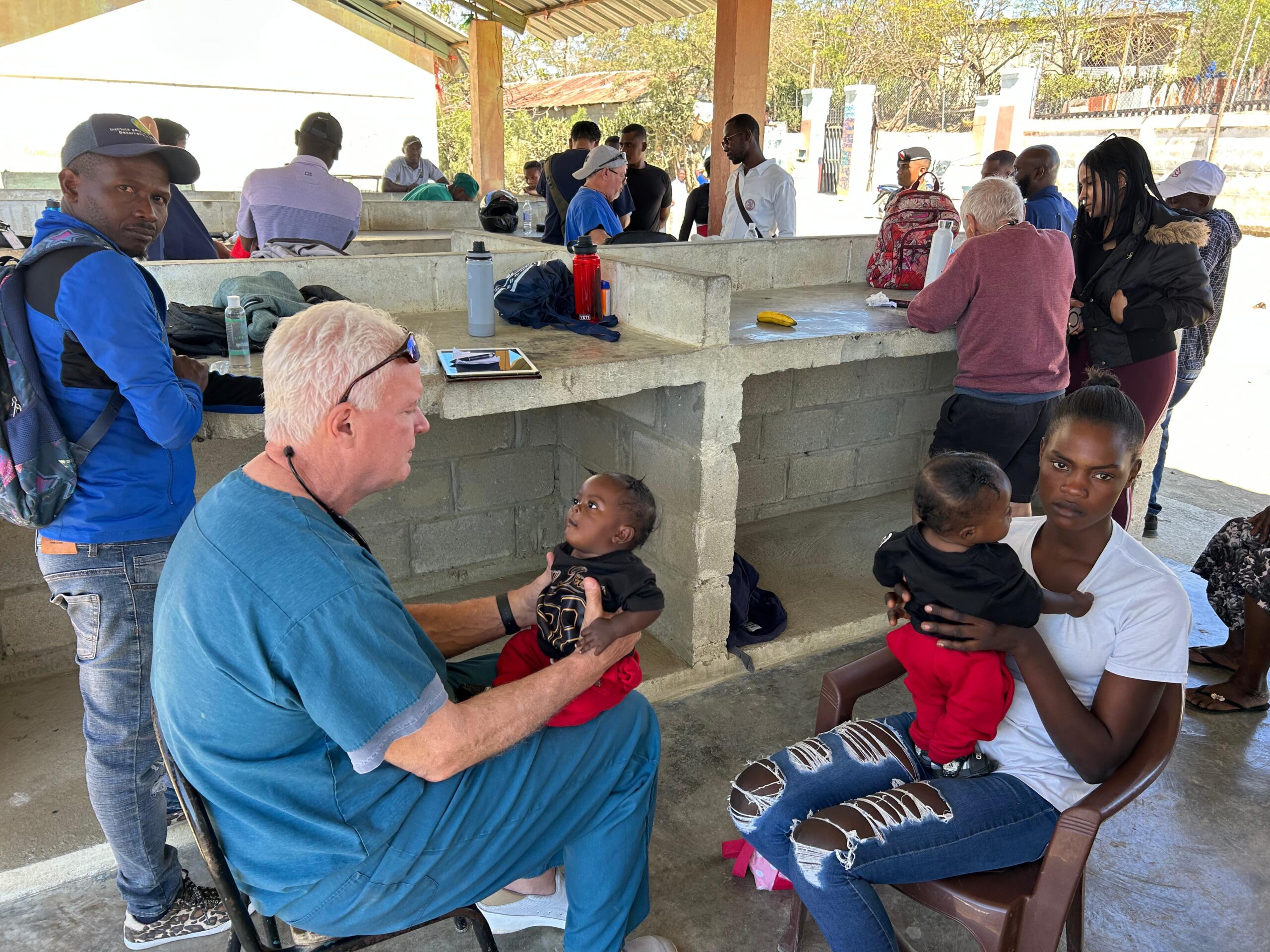
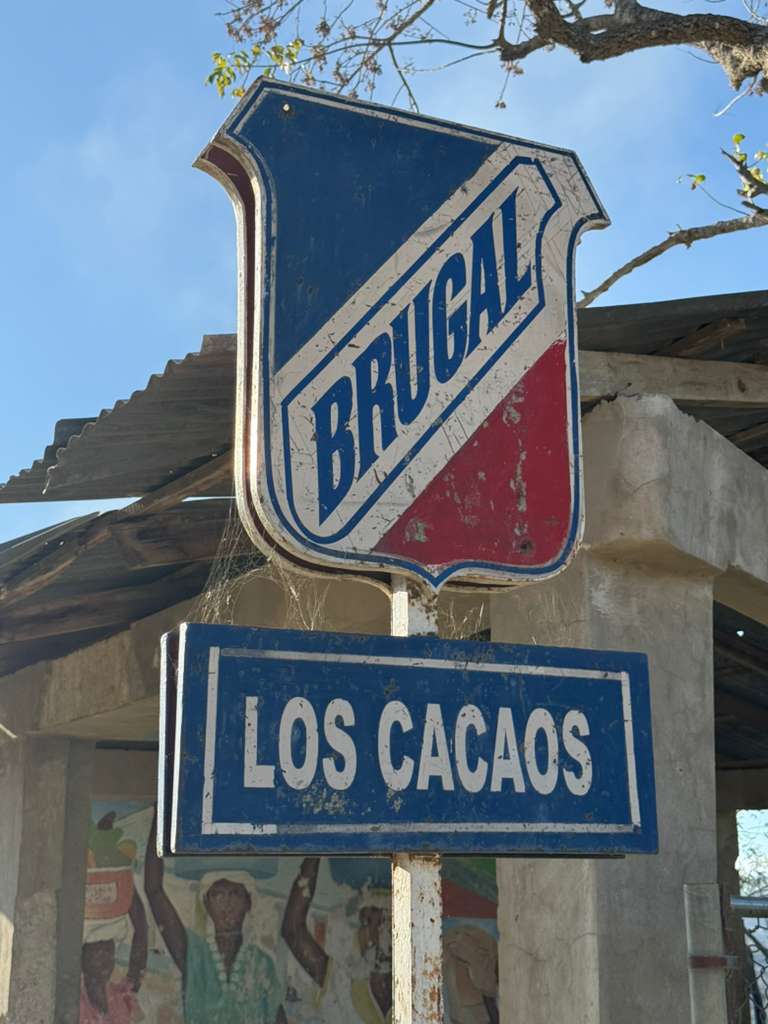
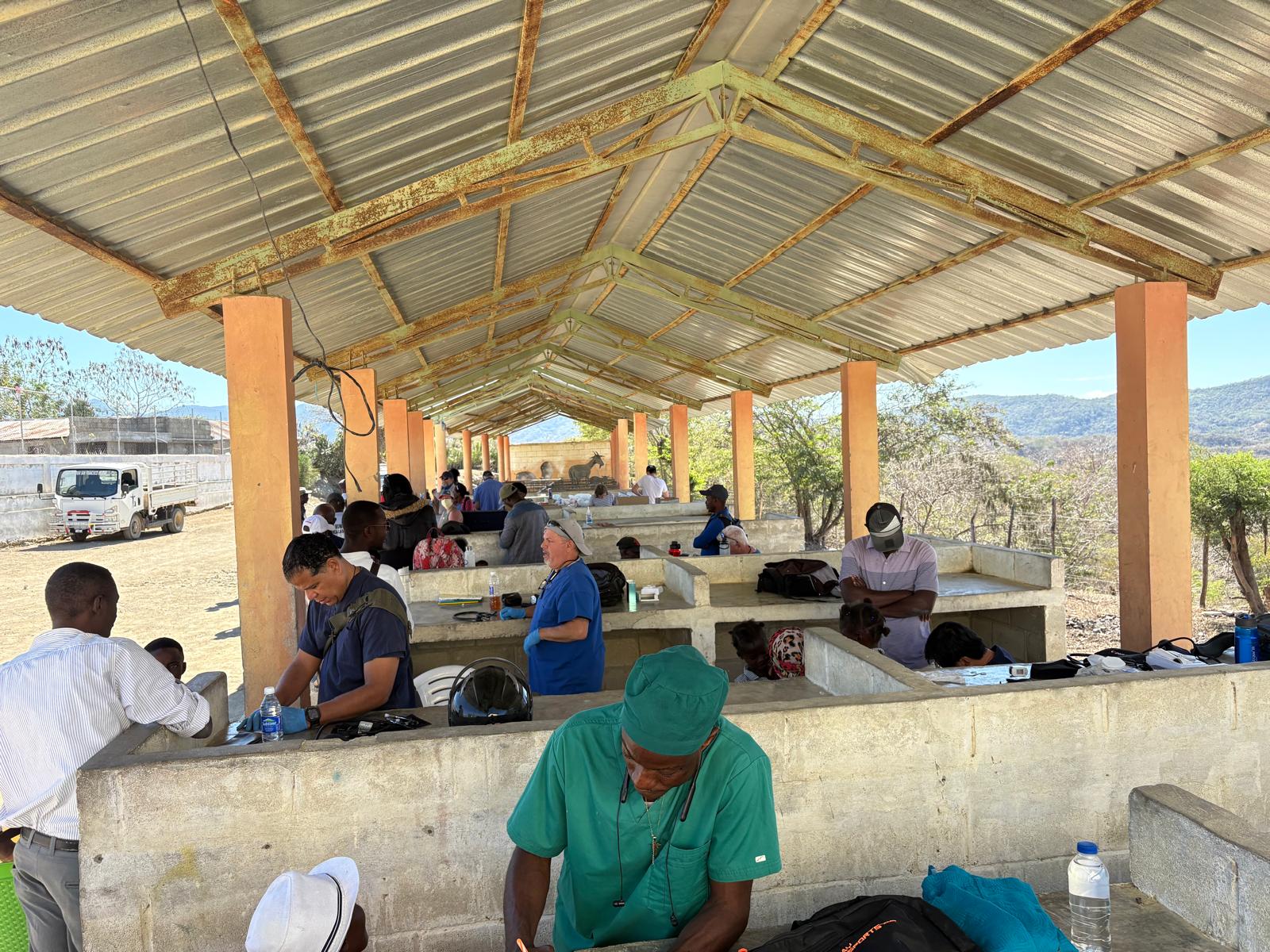
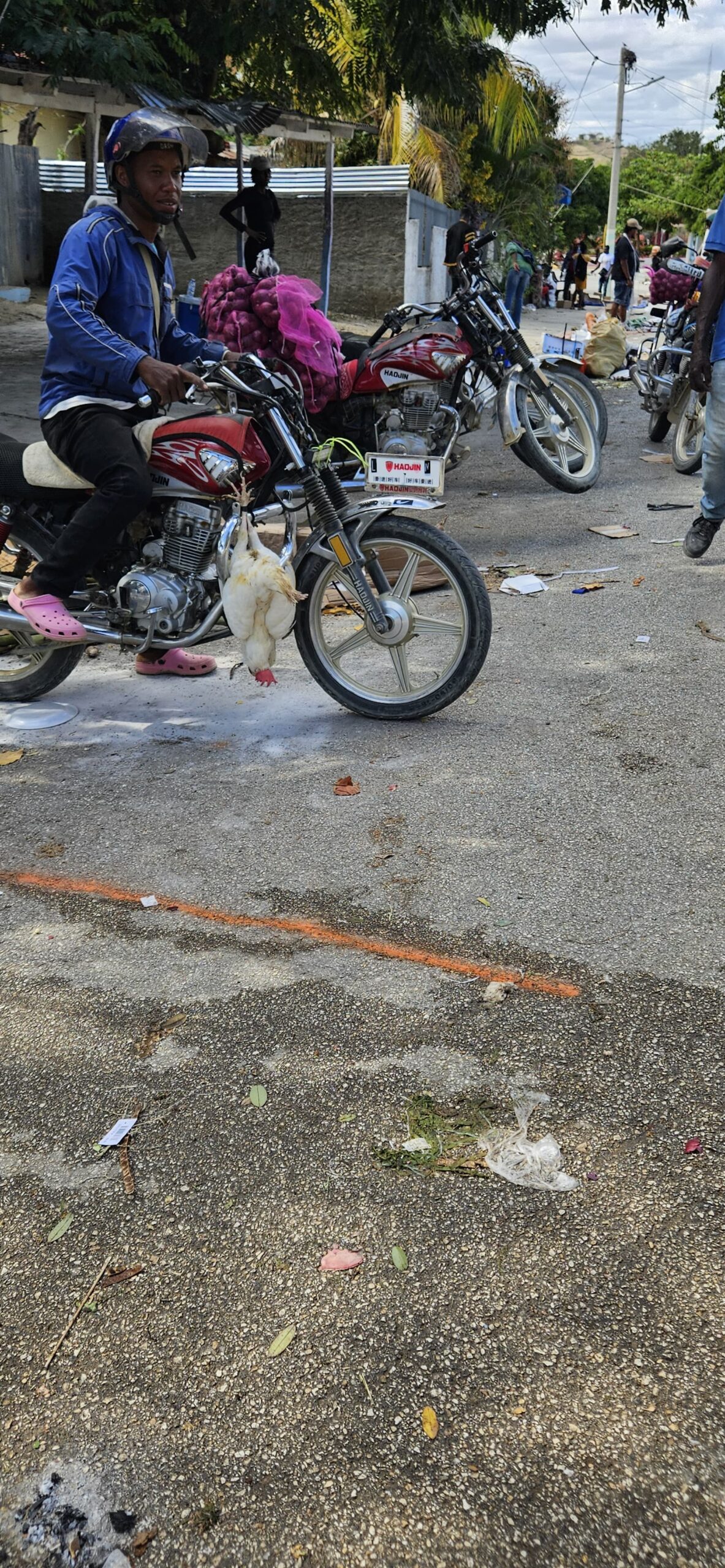
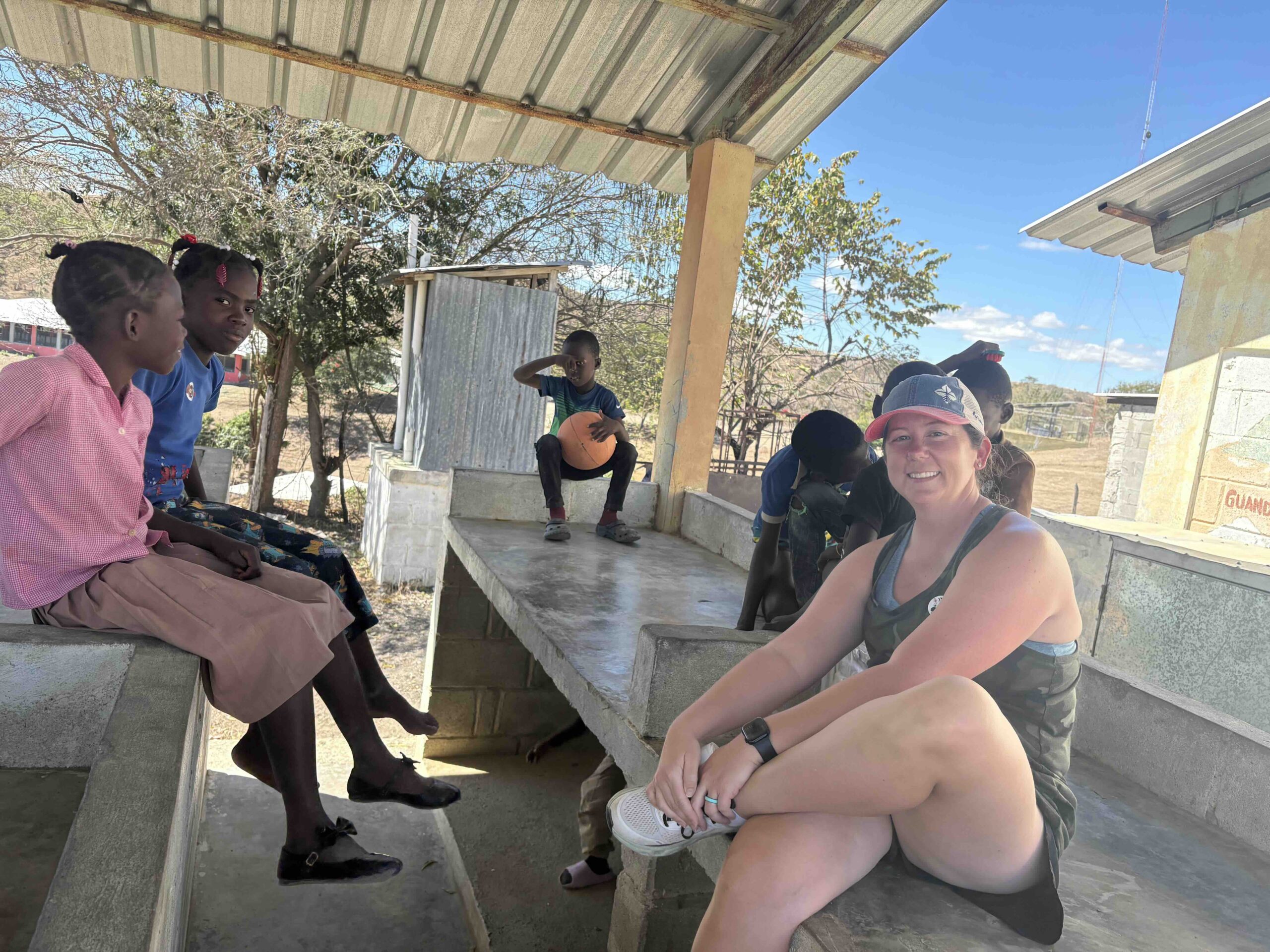
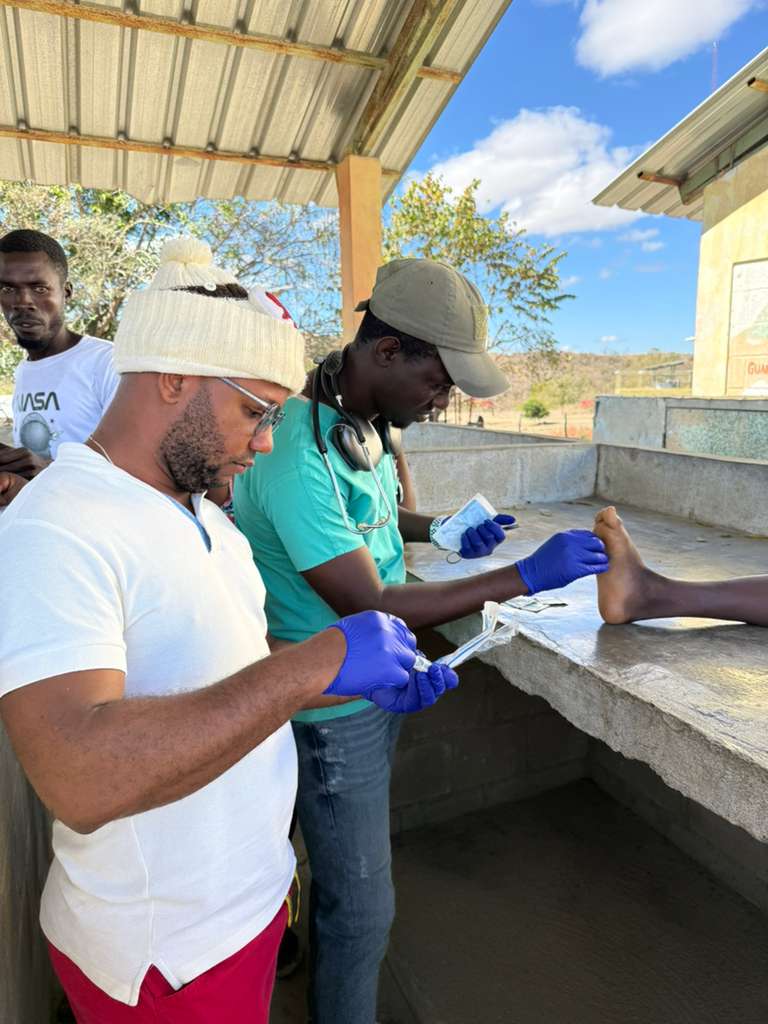
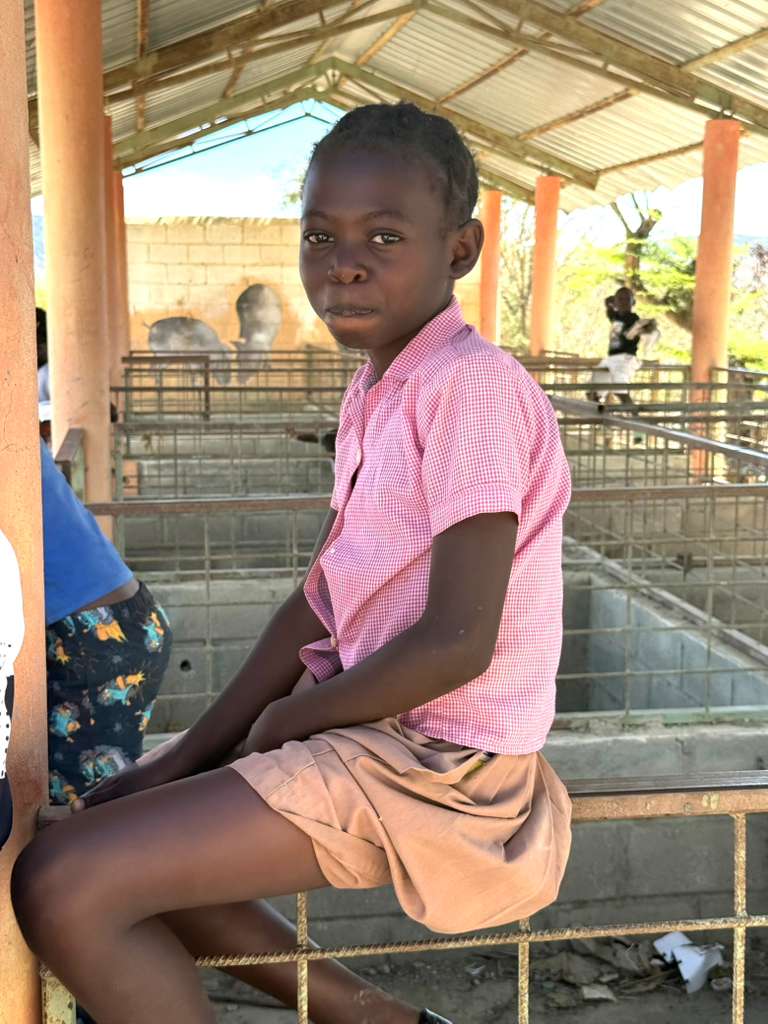
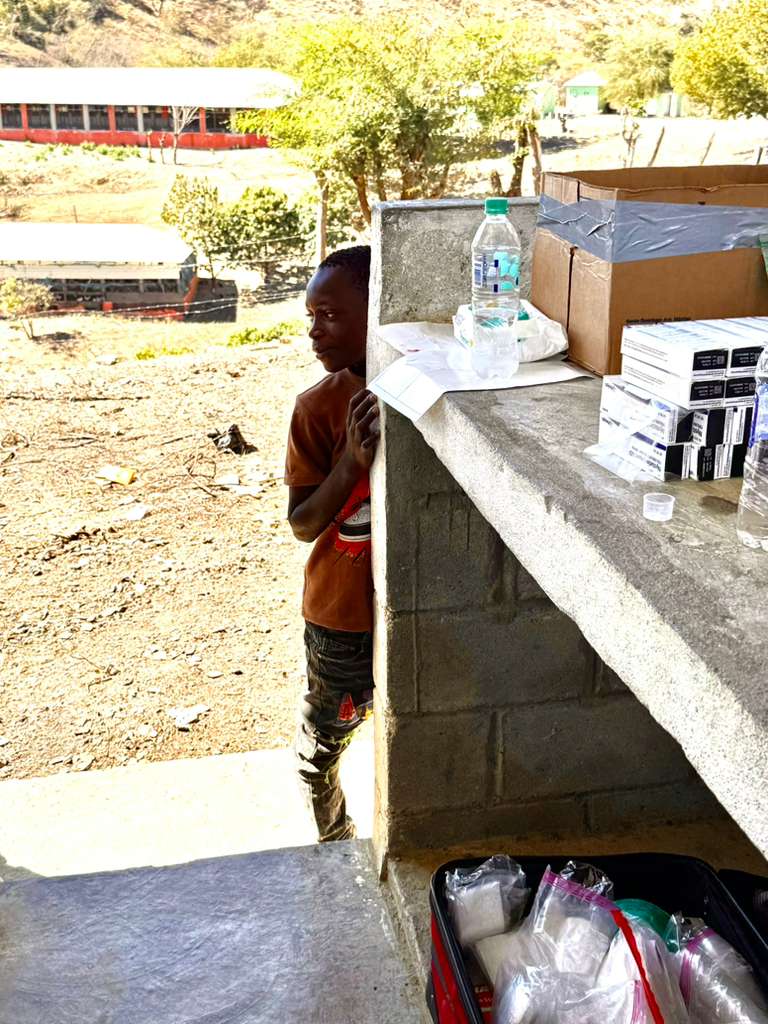
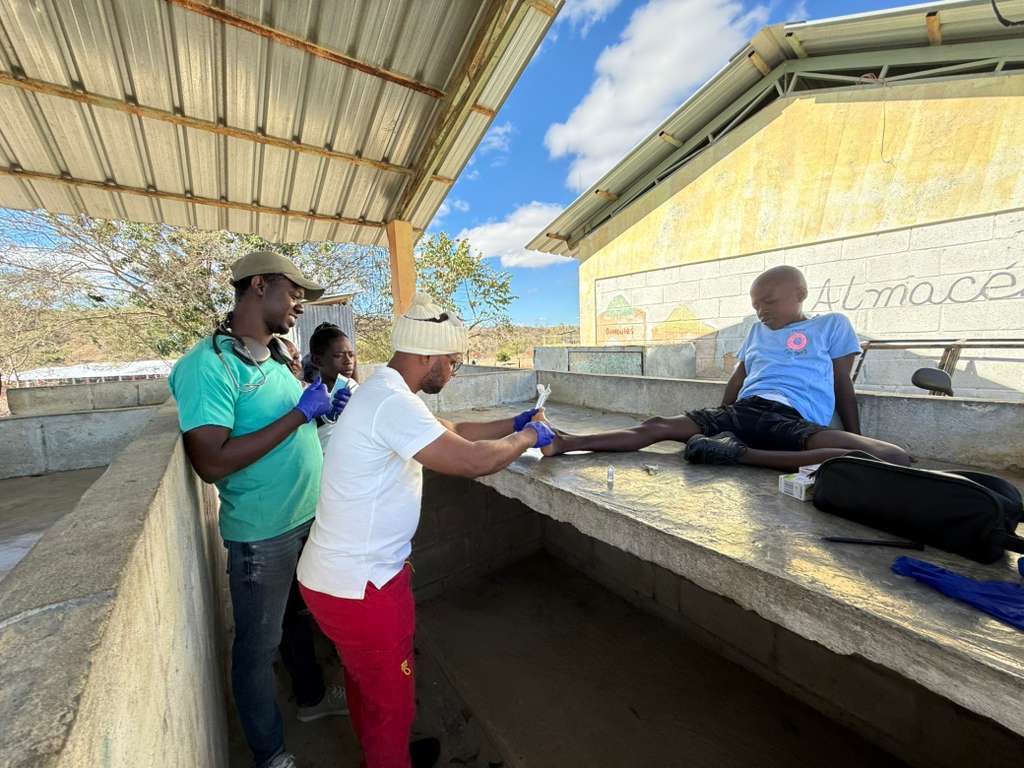
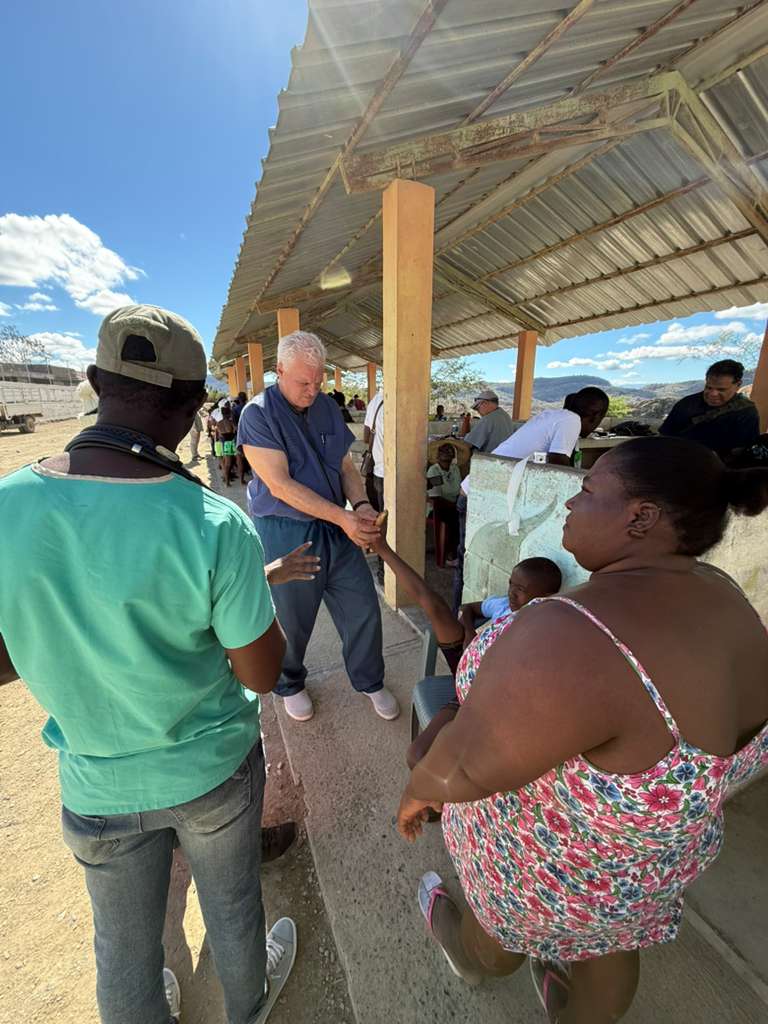
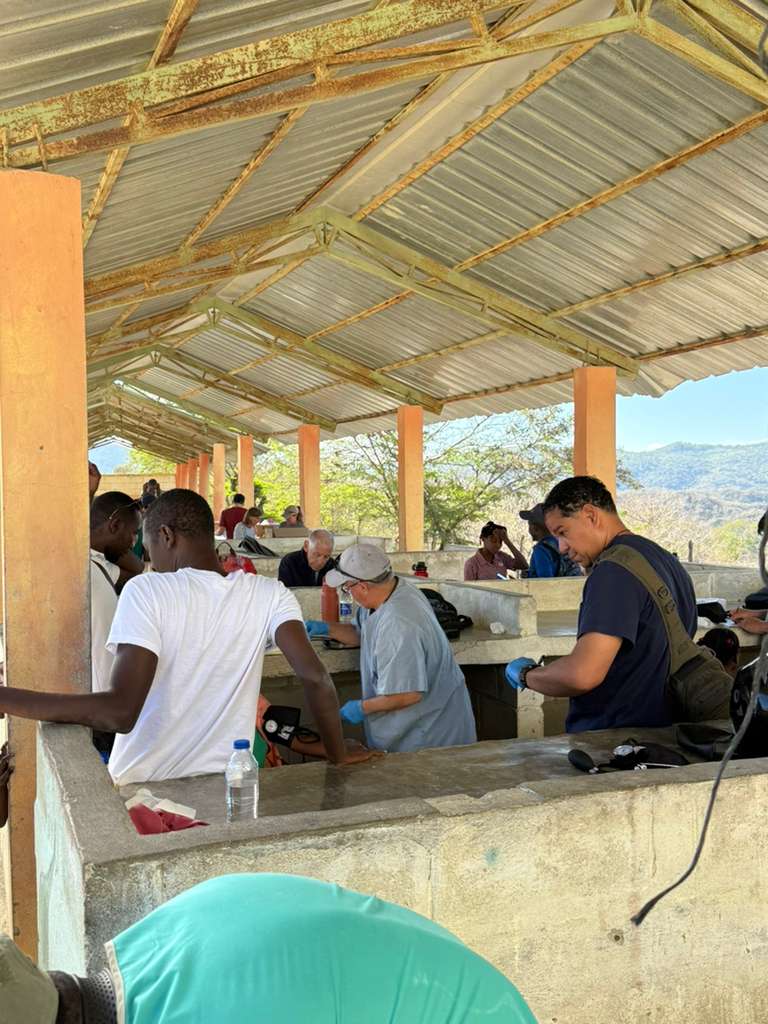
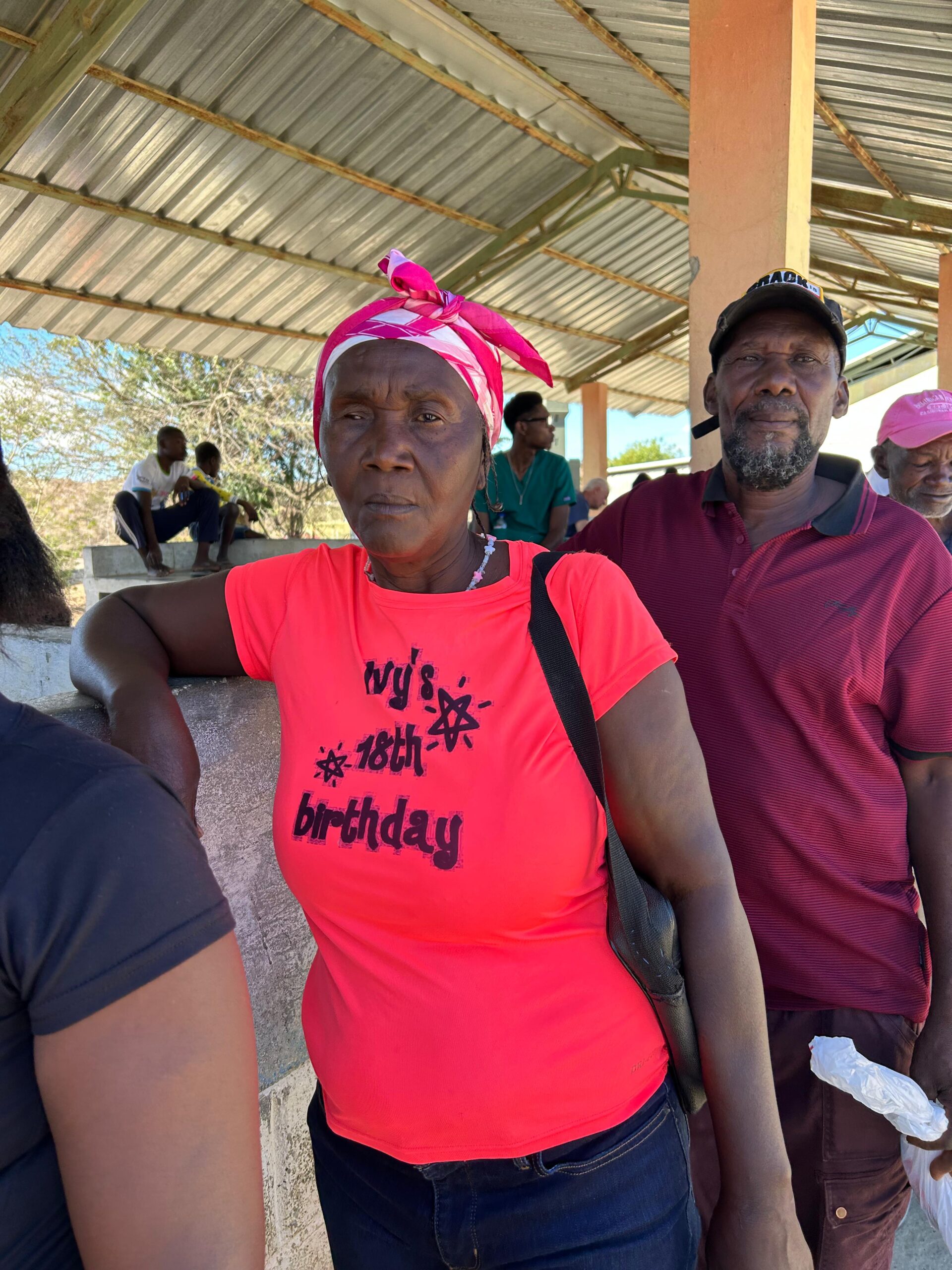
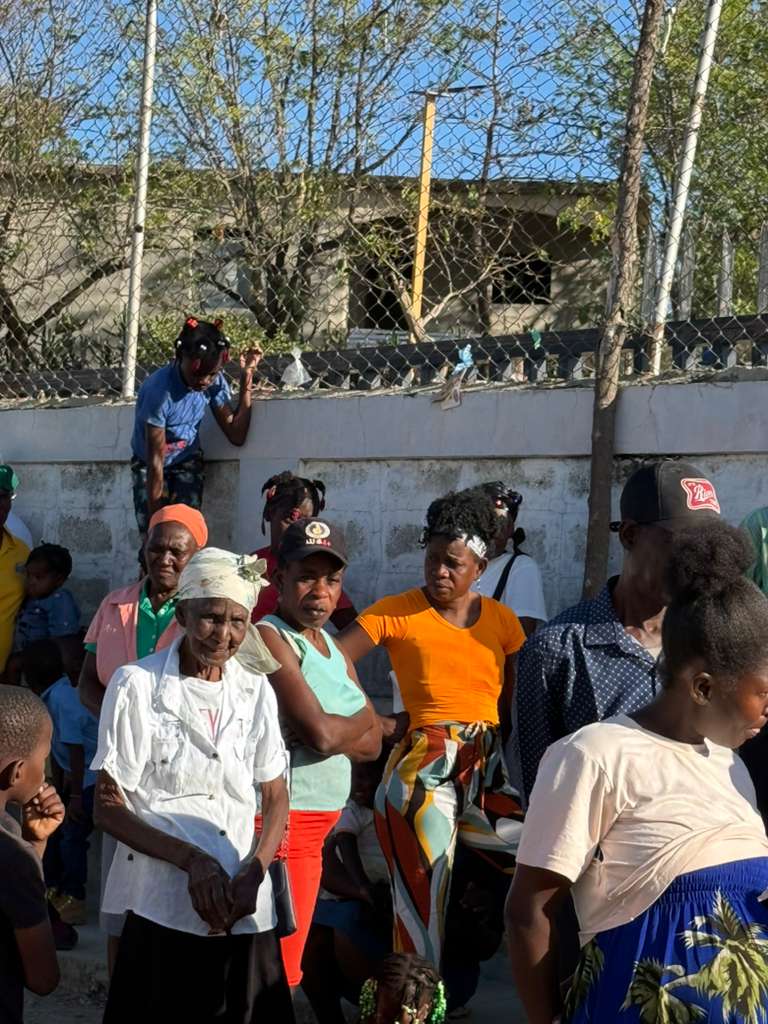
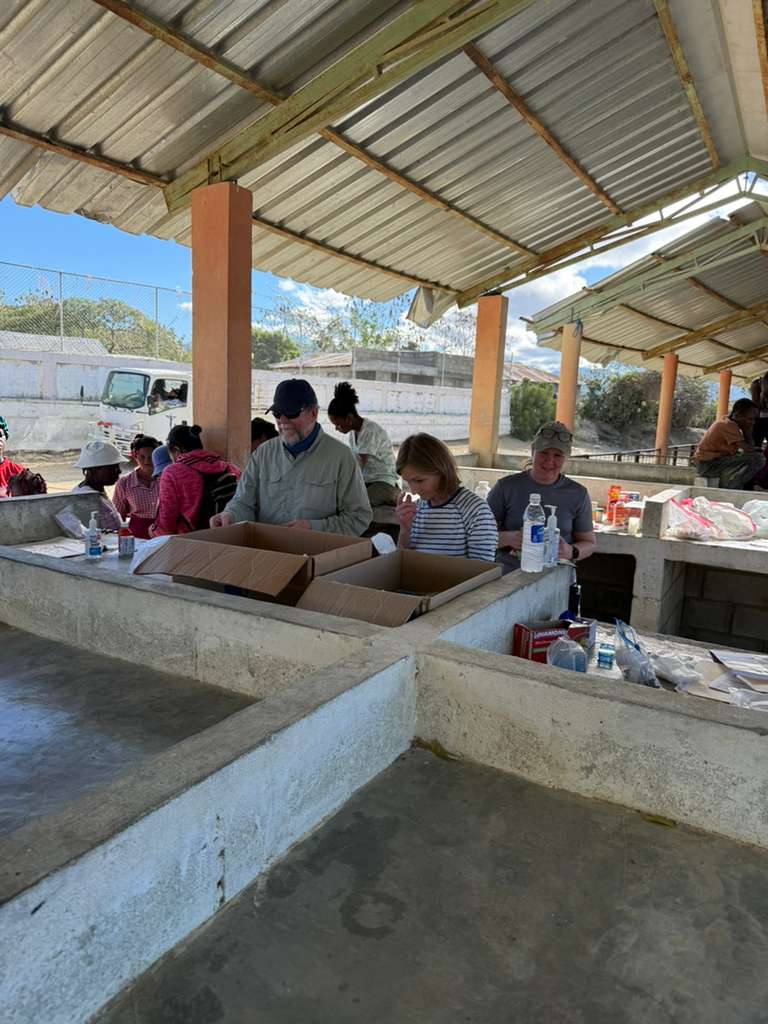
The anticipation for our arrival at Los Cacaos was high, as we expected this to be our busiest clinic day yet. We set up our mobile medical station in a local marketplace characterized by rows of stone tables usually reserved for market days. Upon arrival, the team jumped straight into action—not just medically, but logistically. We coordinated a quick cleanup of the area, which included dousing a smoldering trash fire nearby to ensure a clean, safe environment for the patients waiting to be seen.
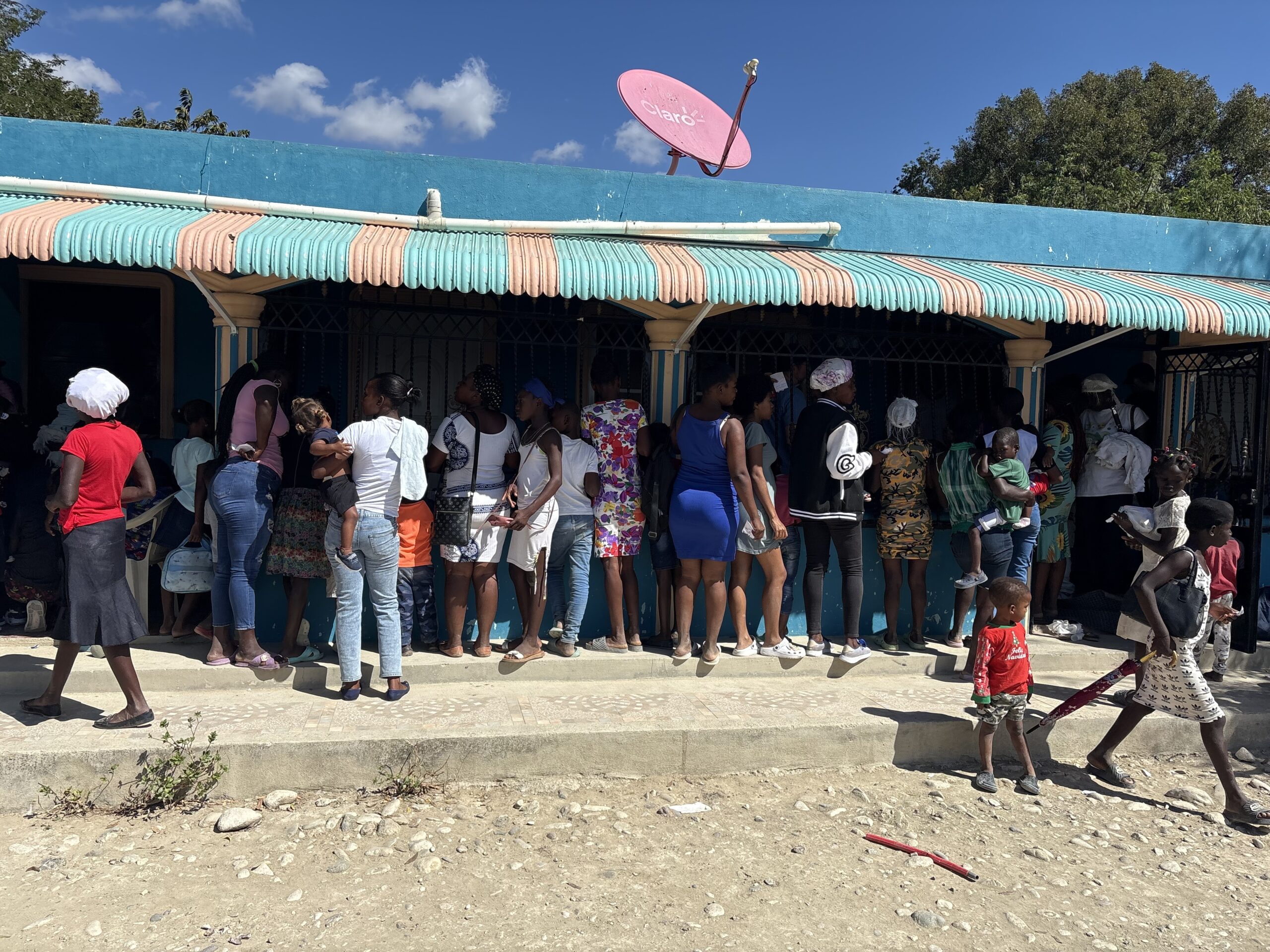
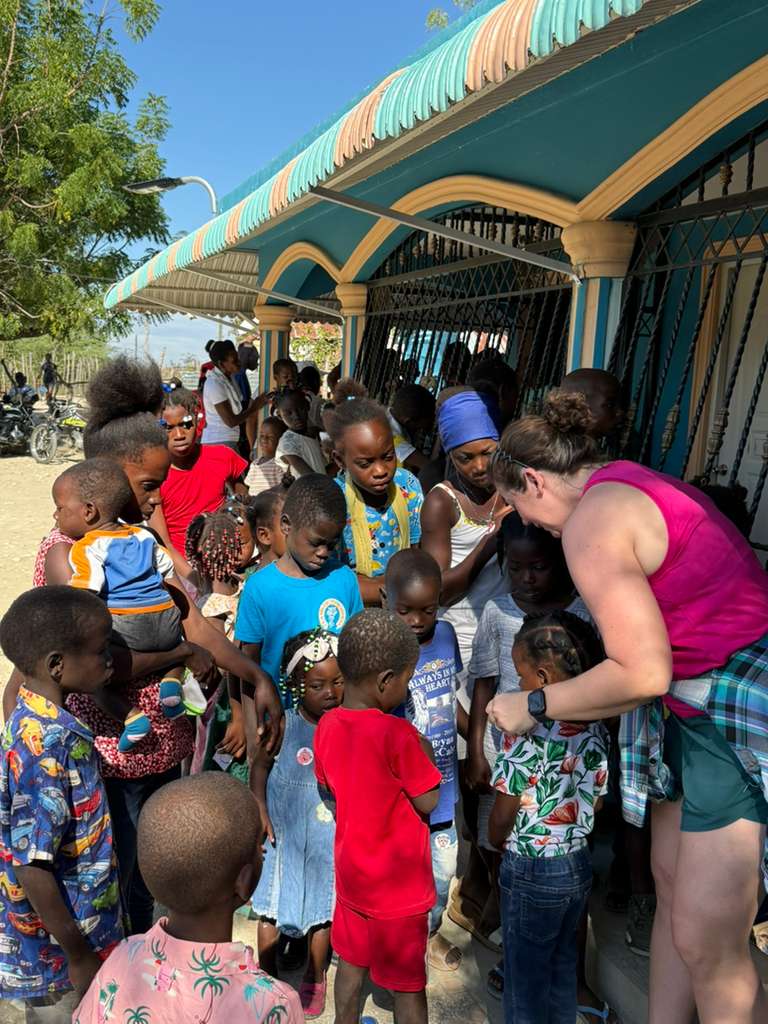
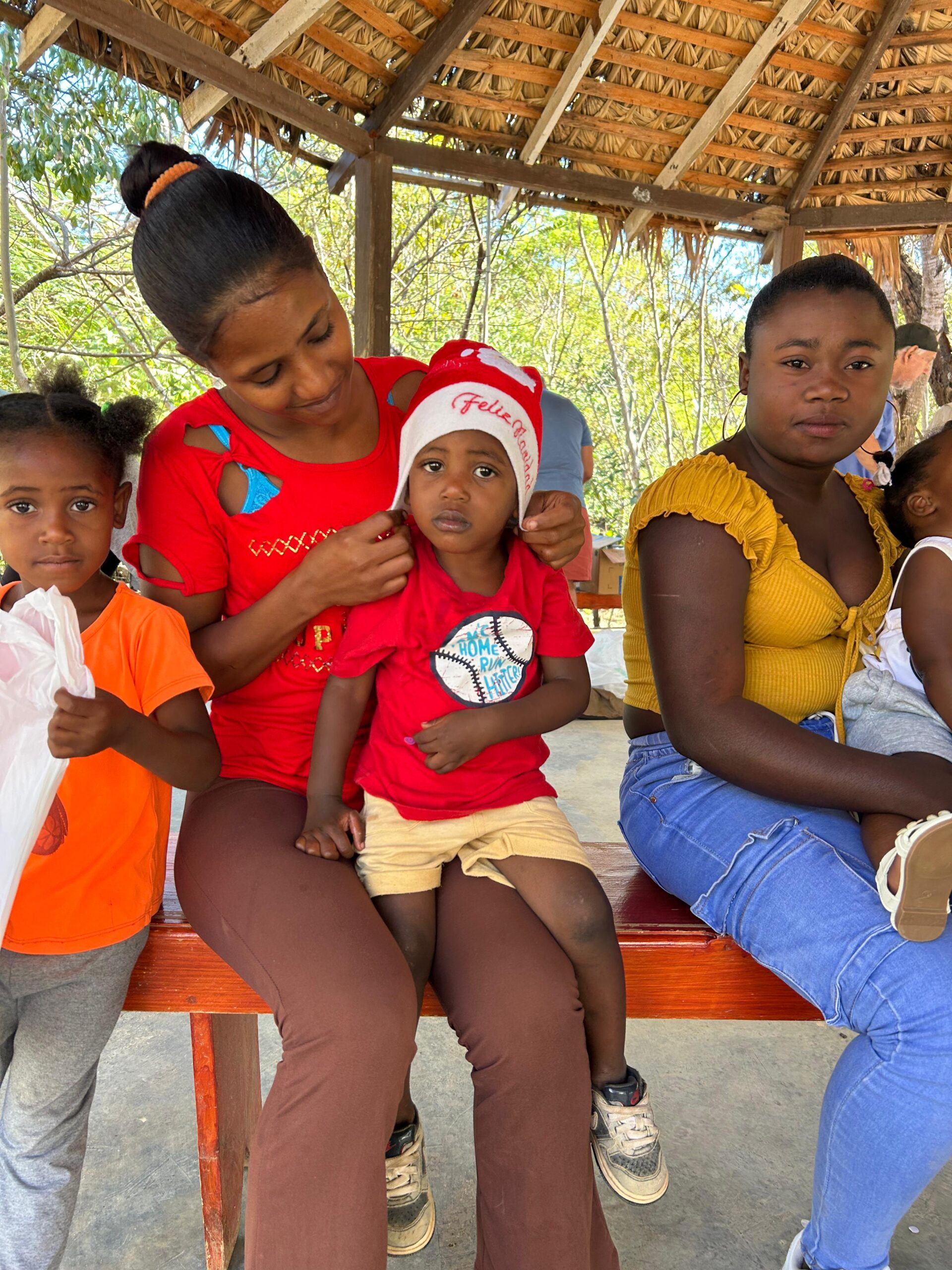
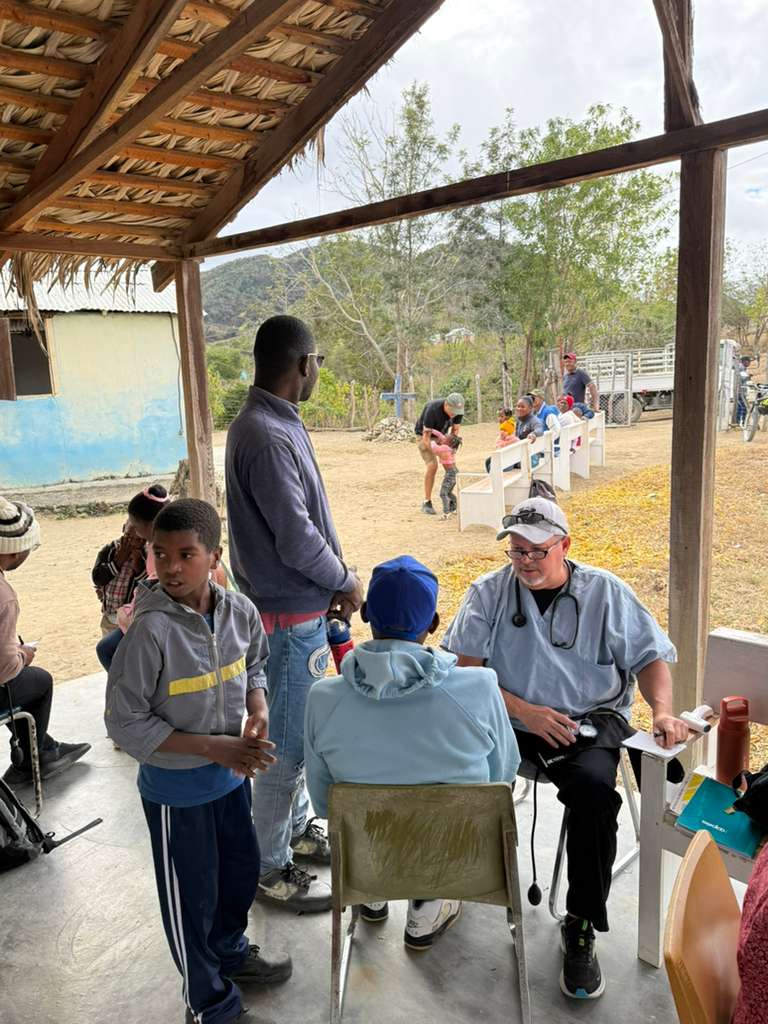
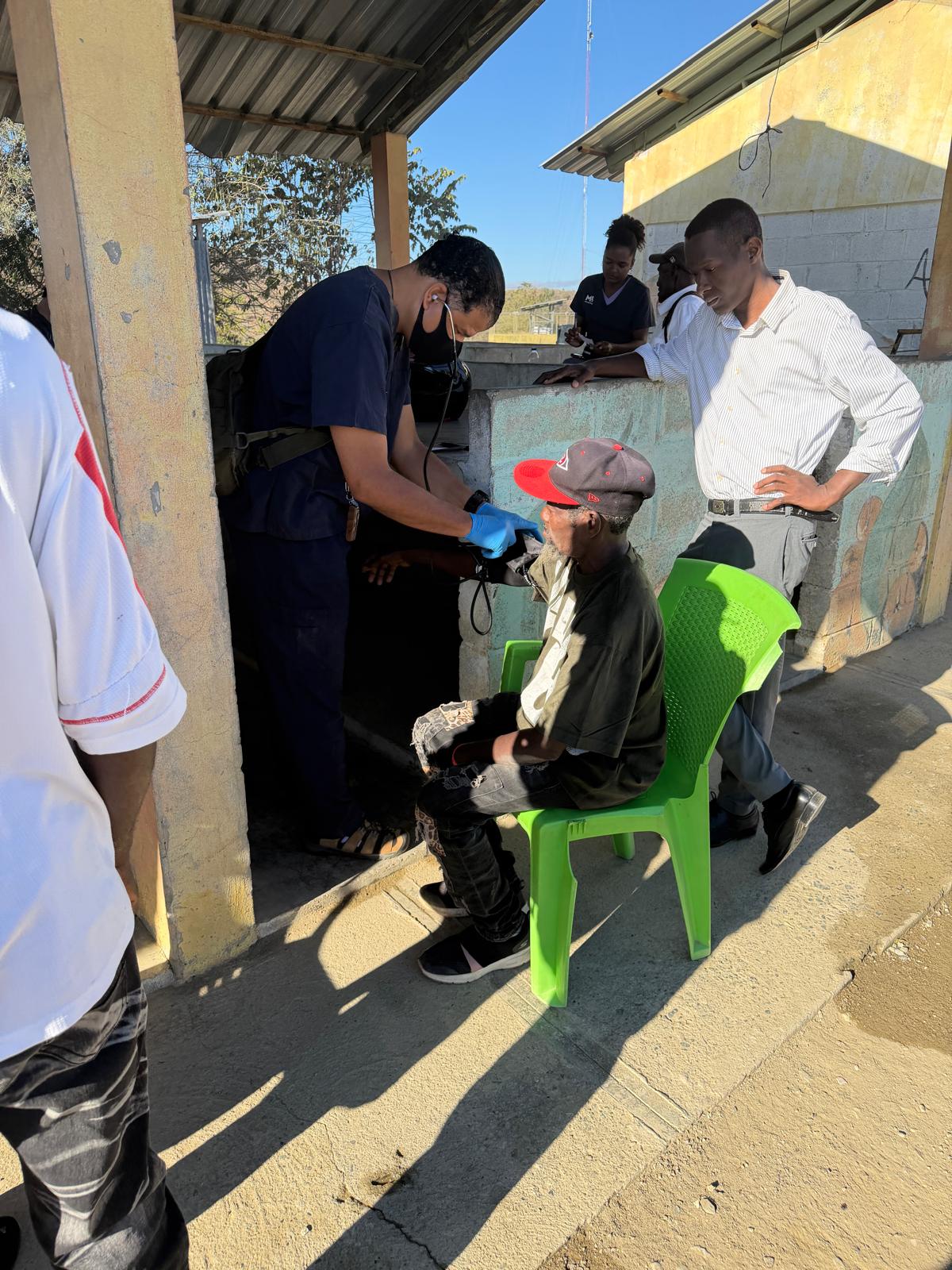
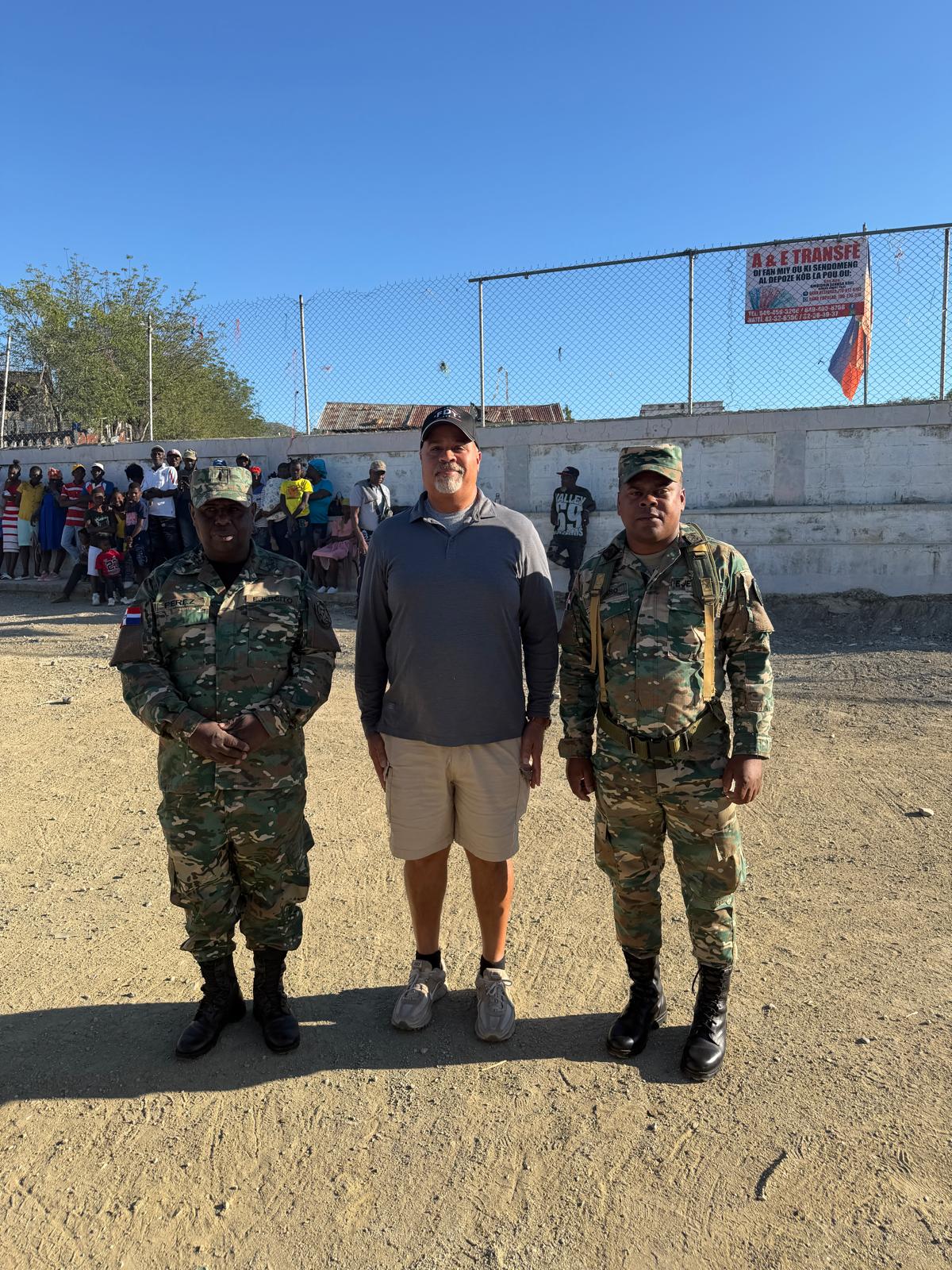
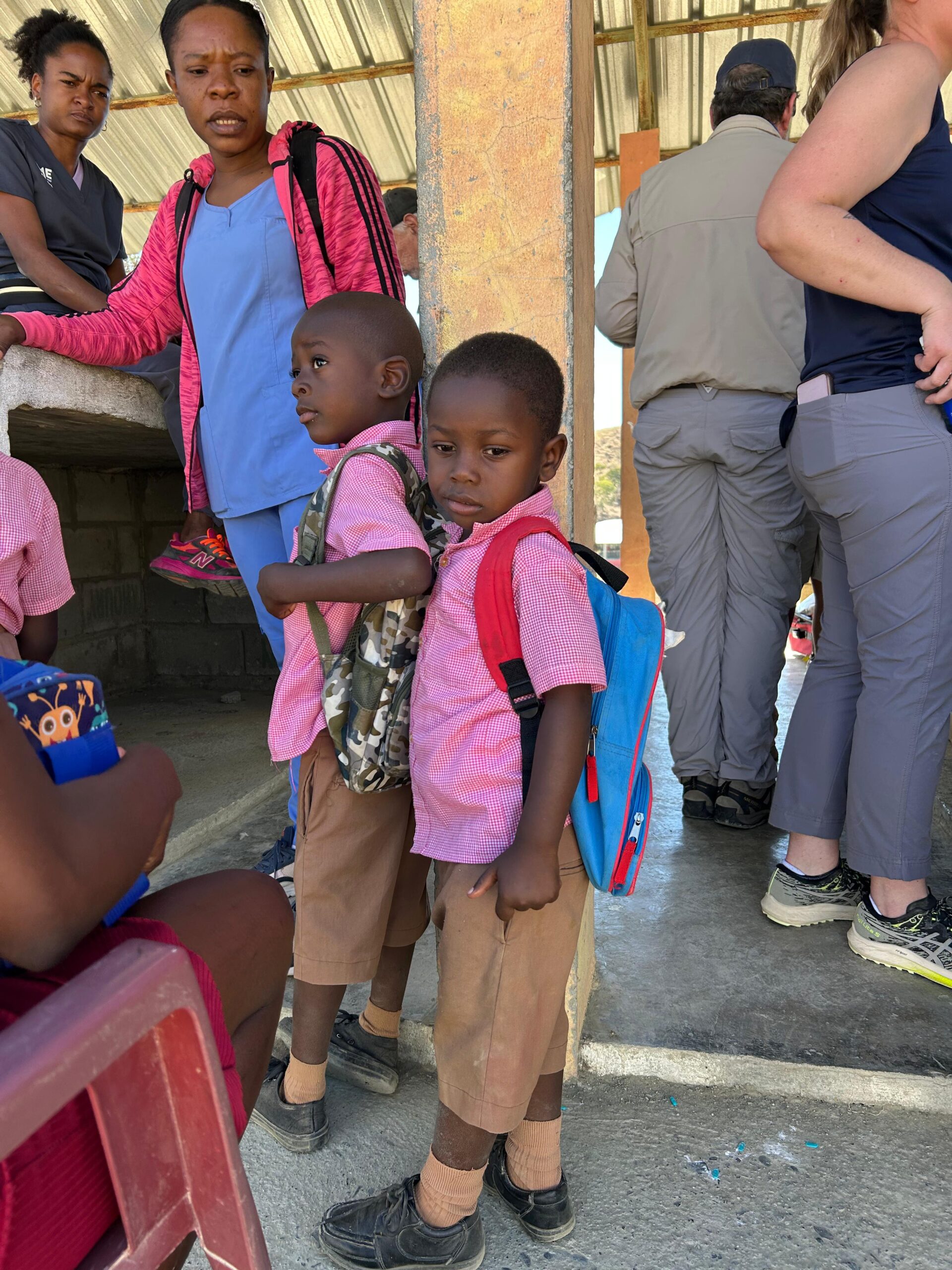
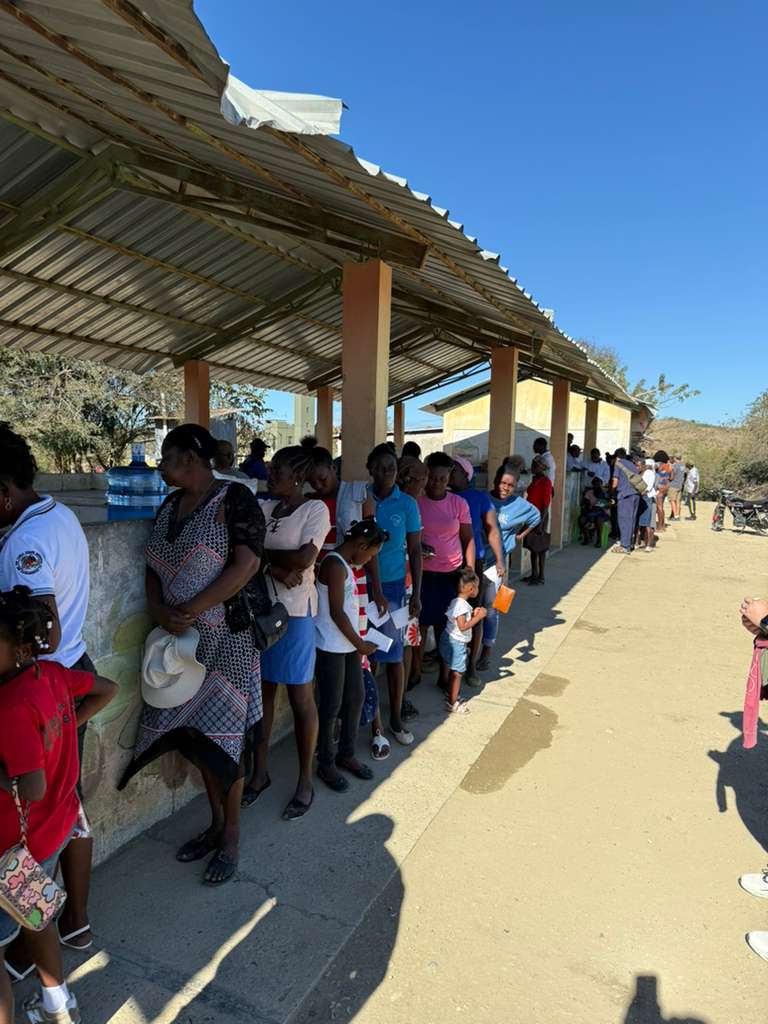
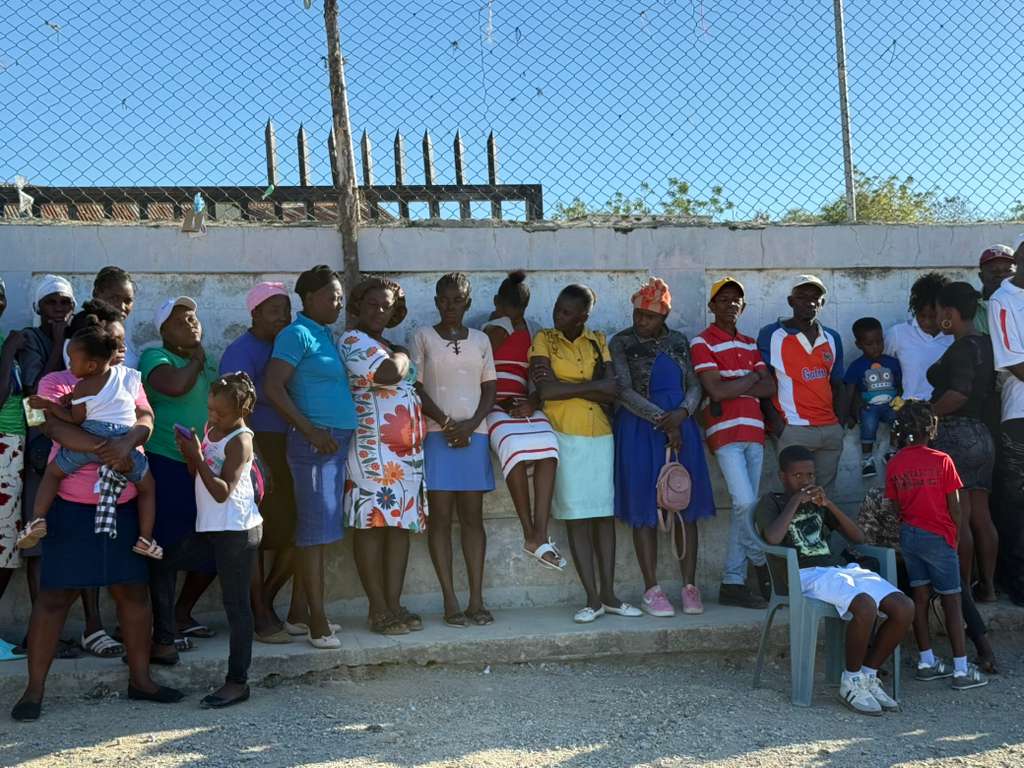
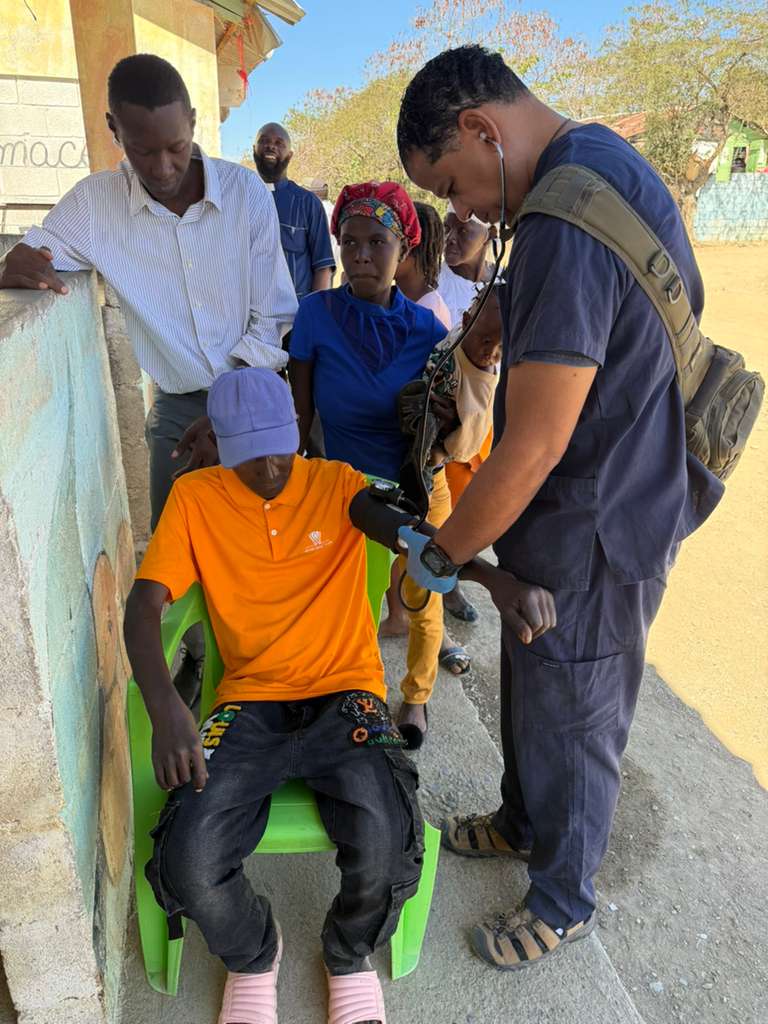
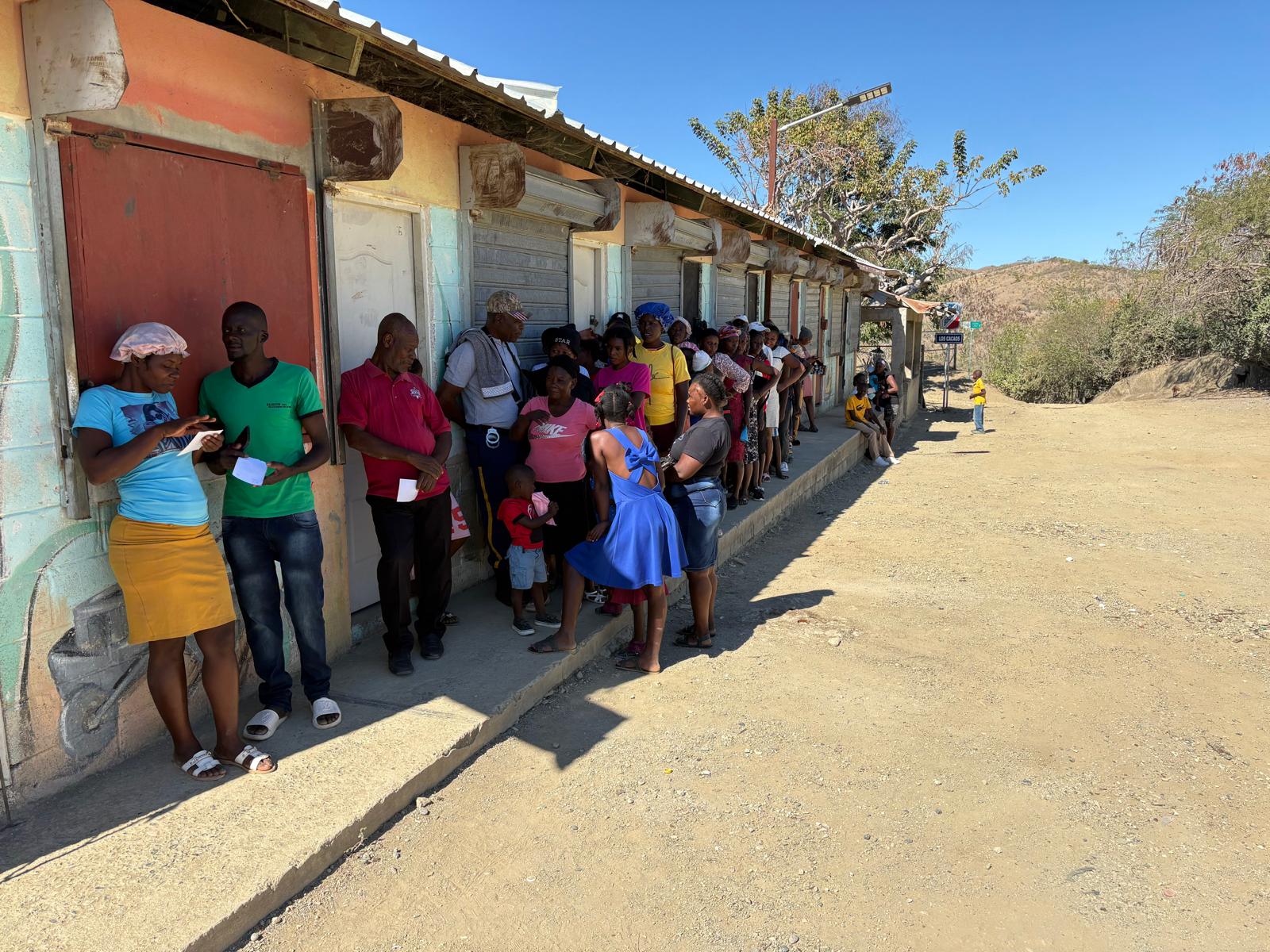
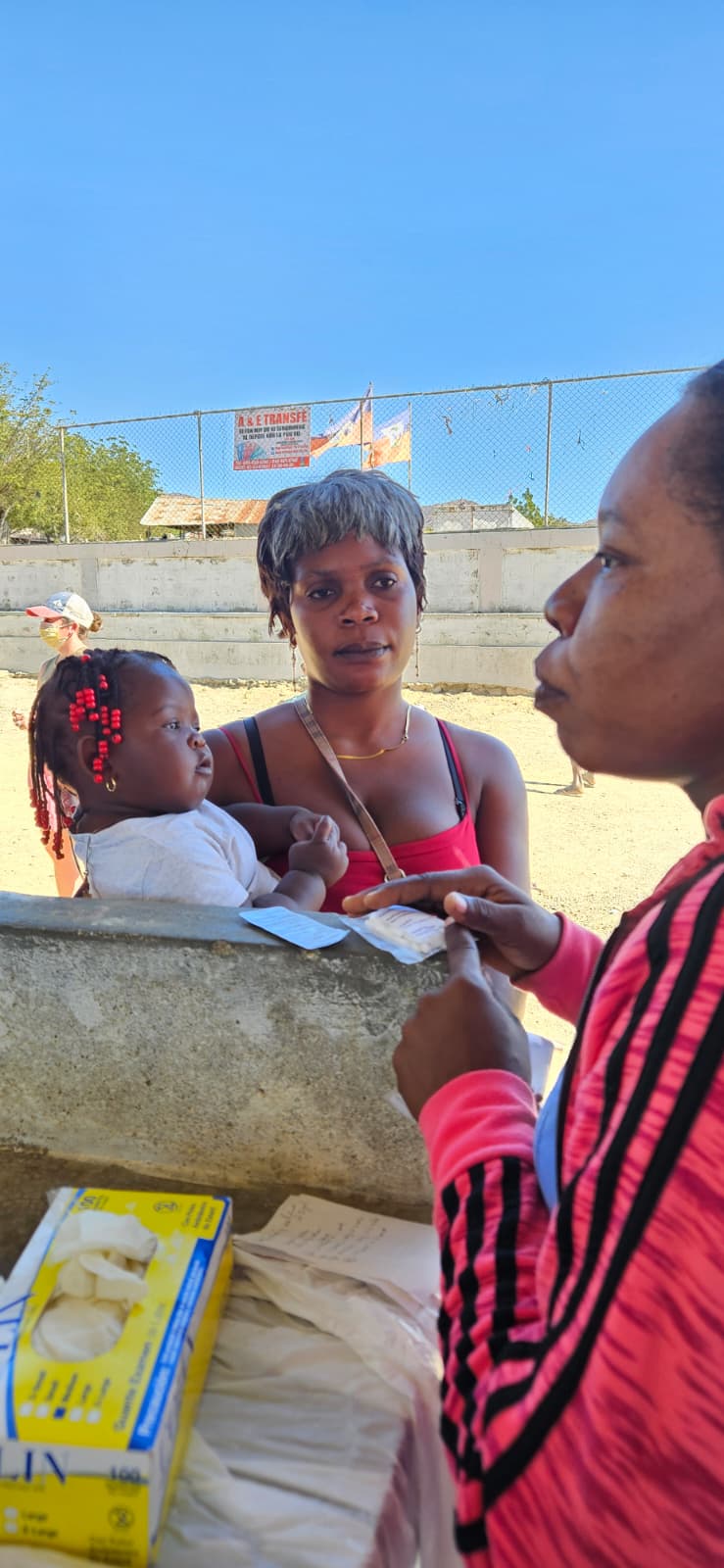
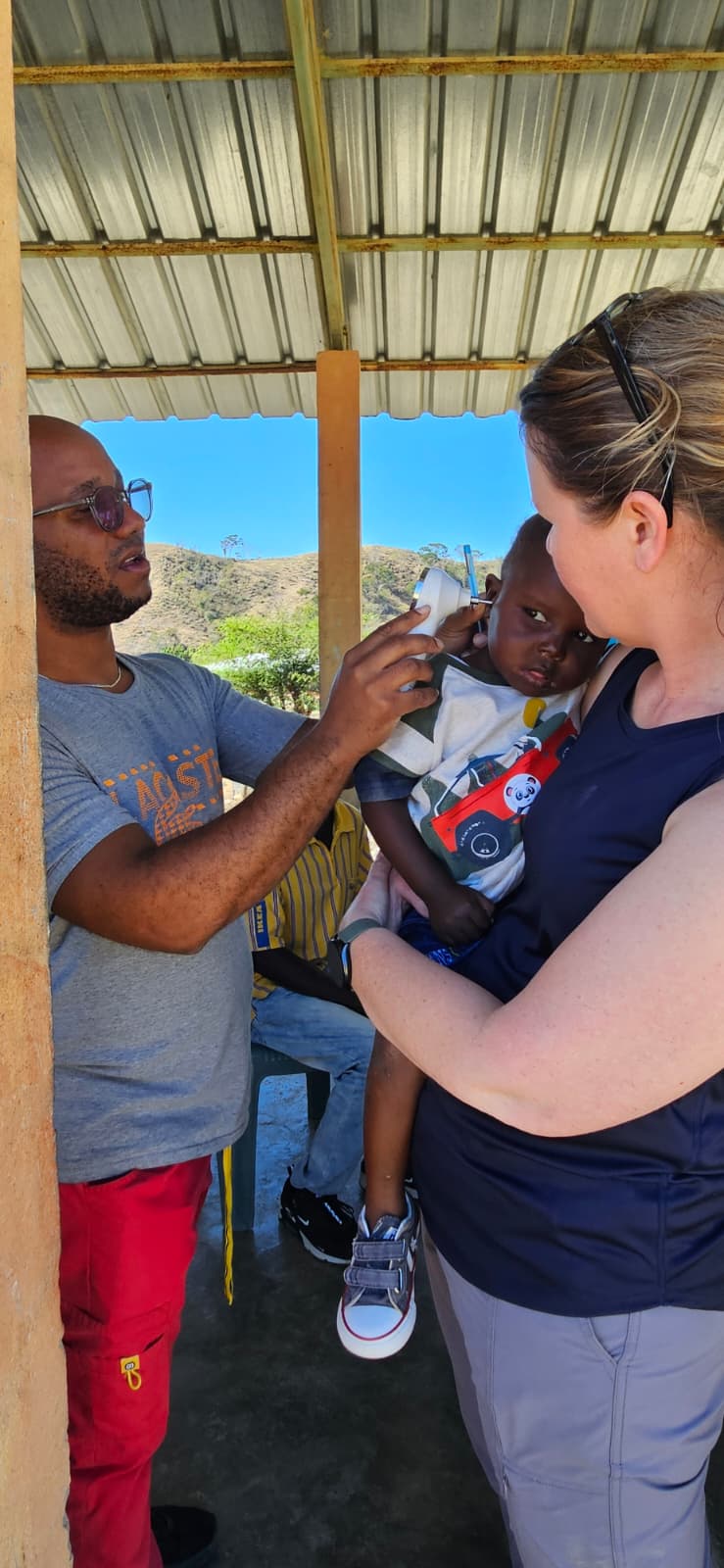
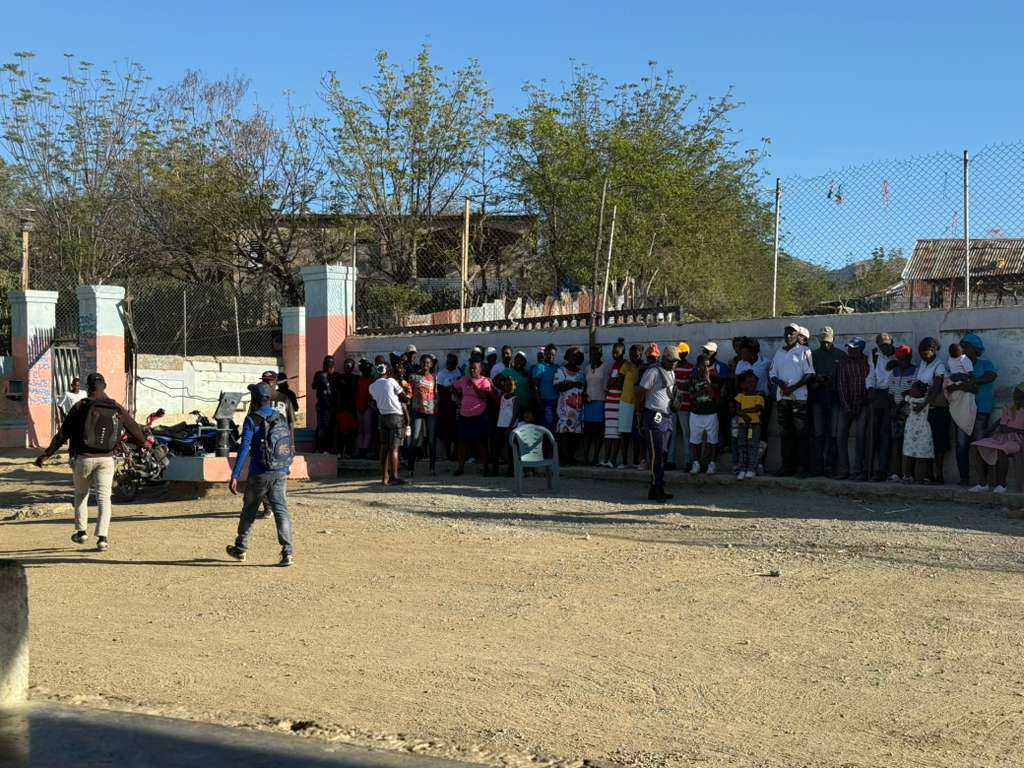
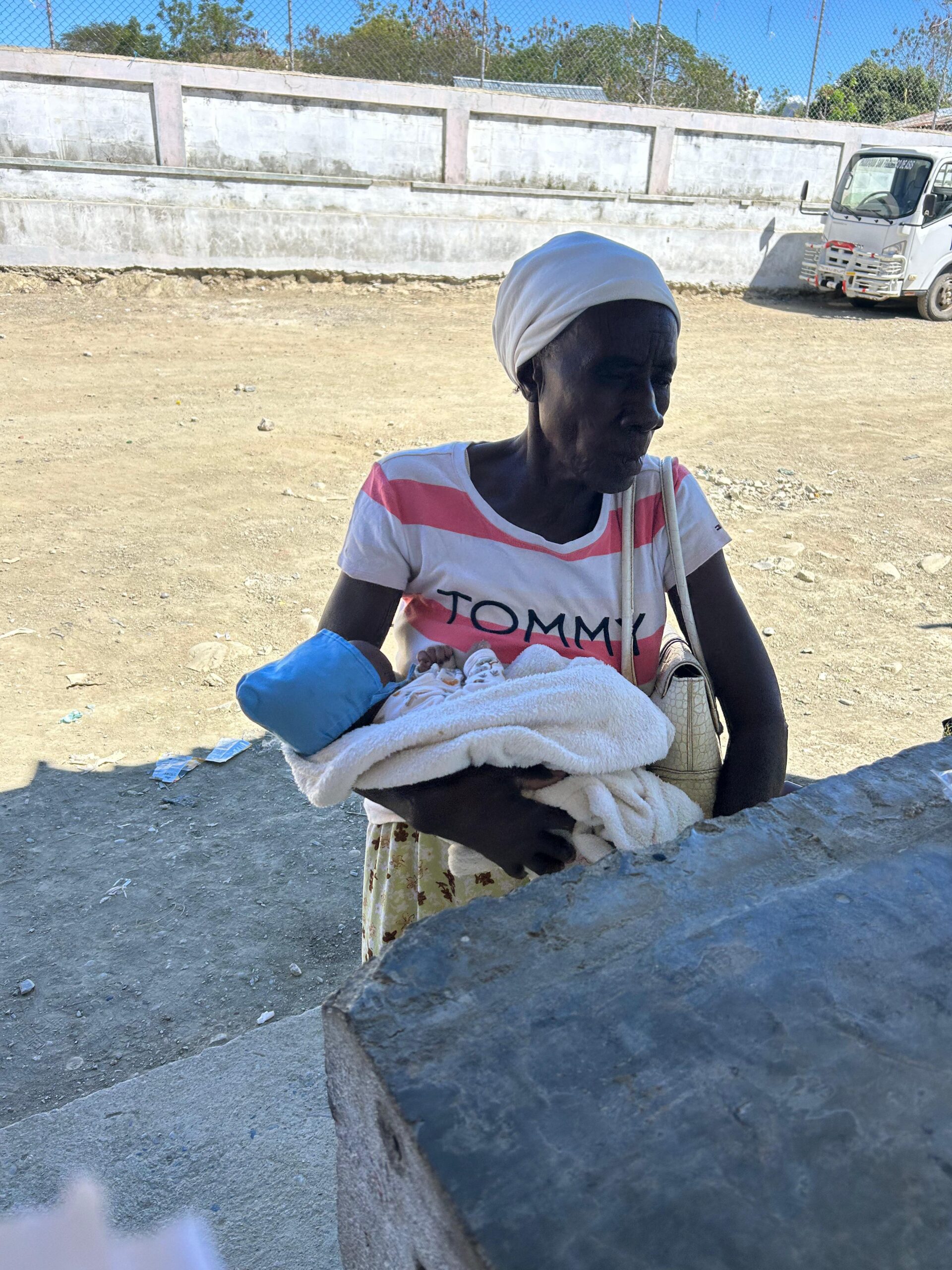
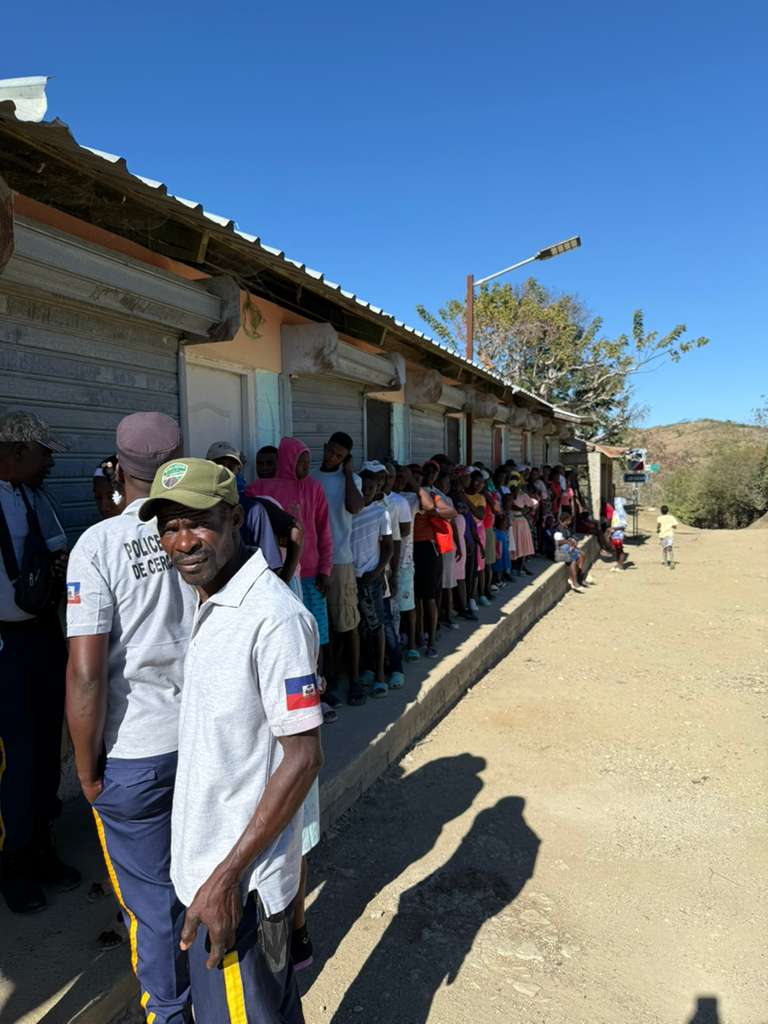
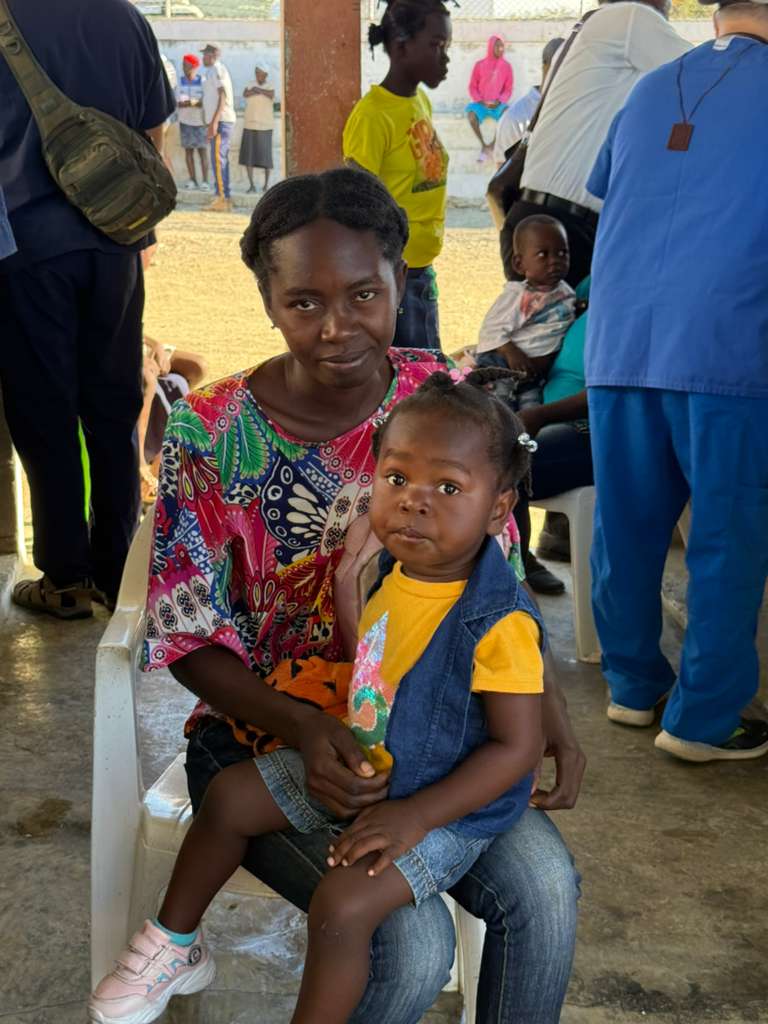
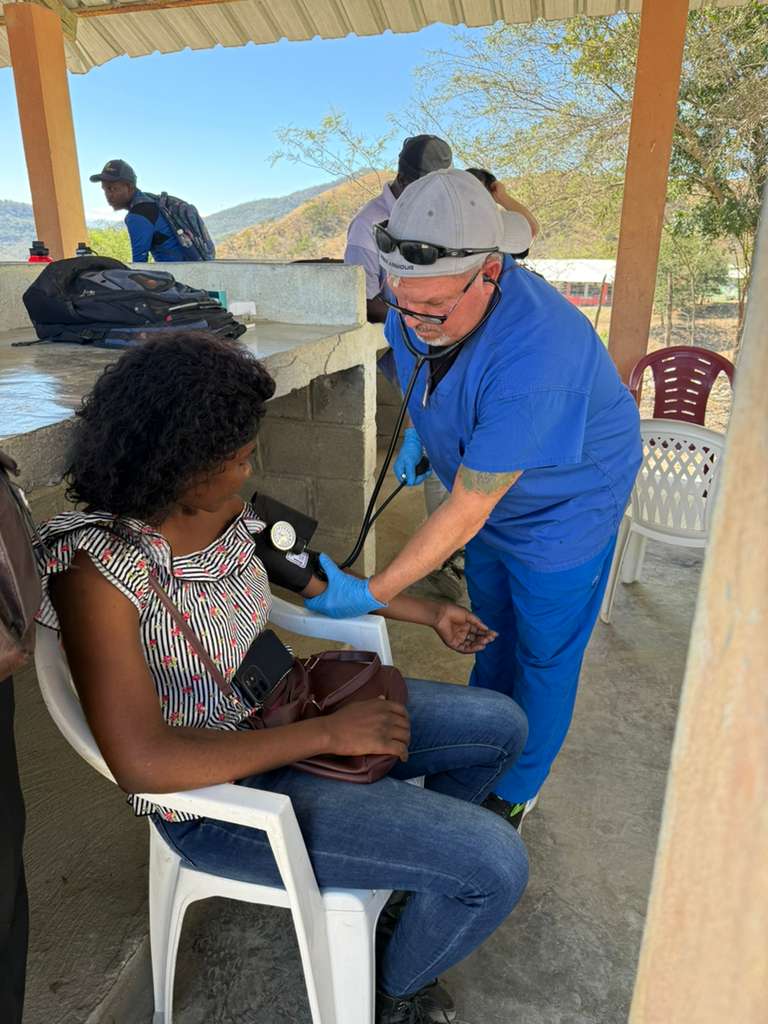
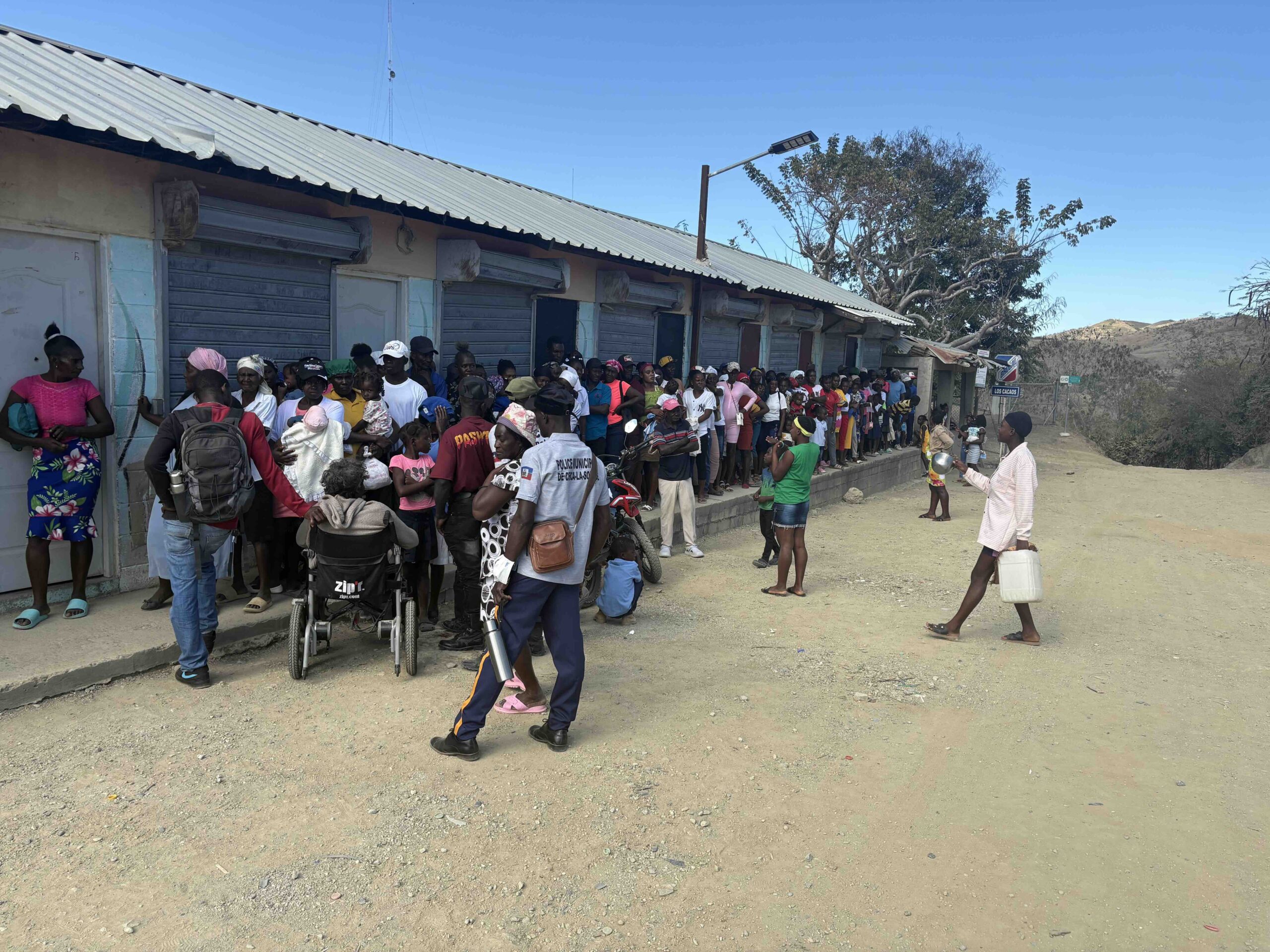
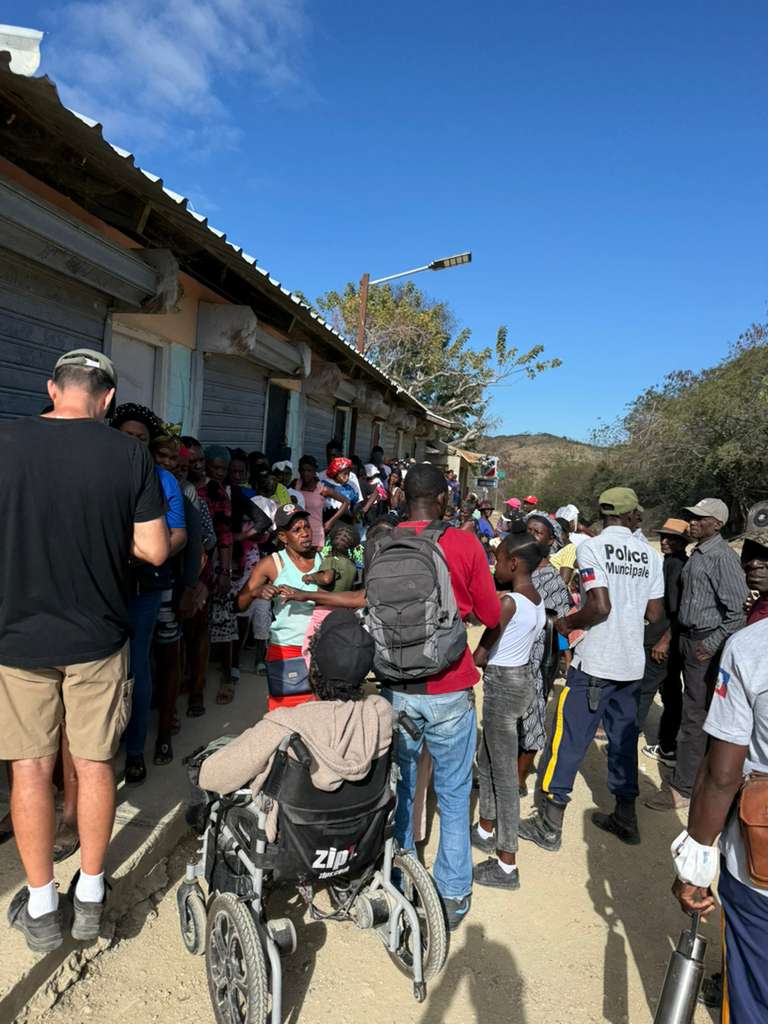
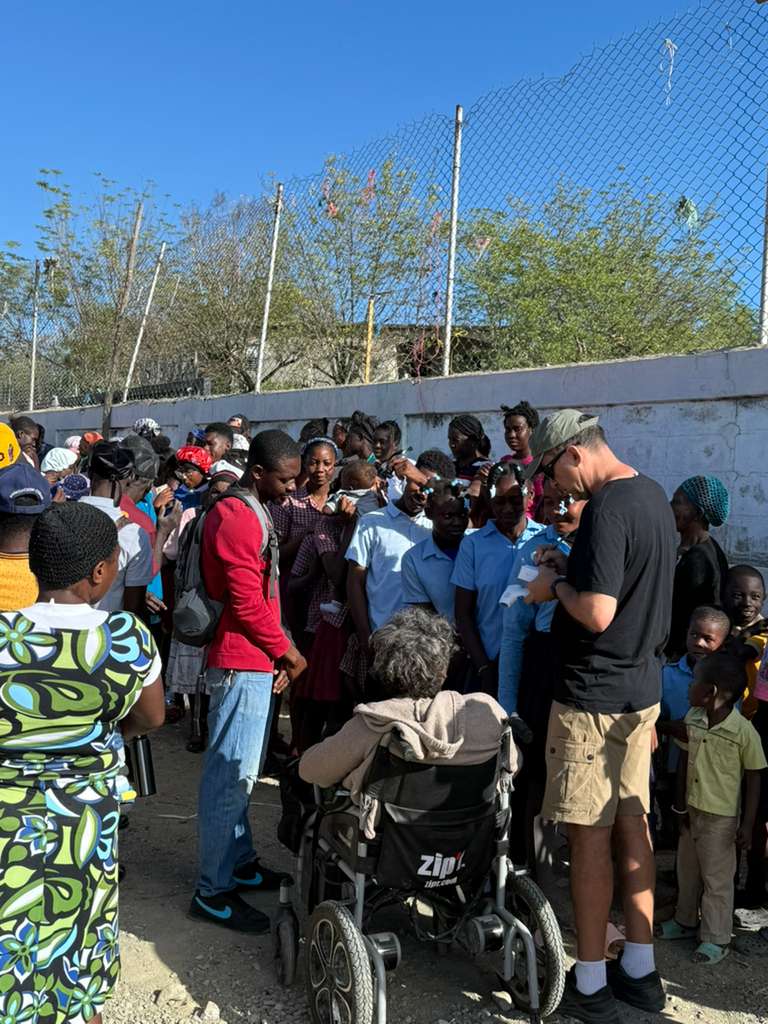
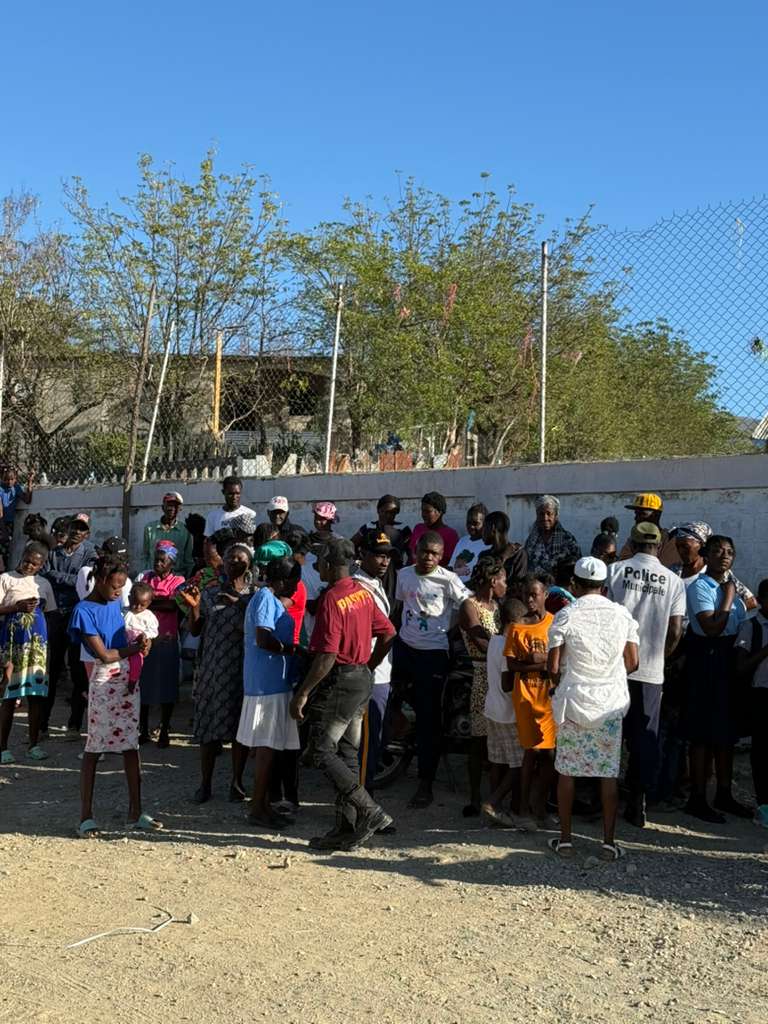
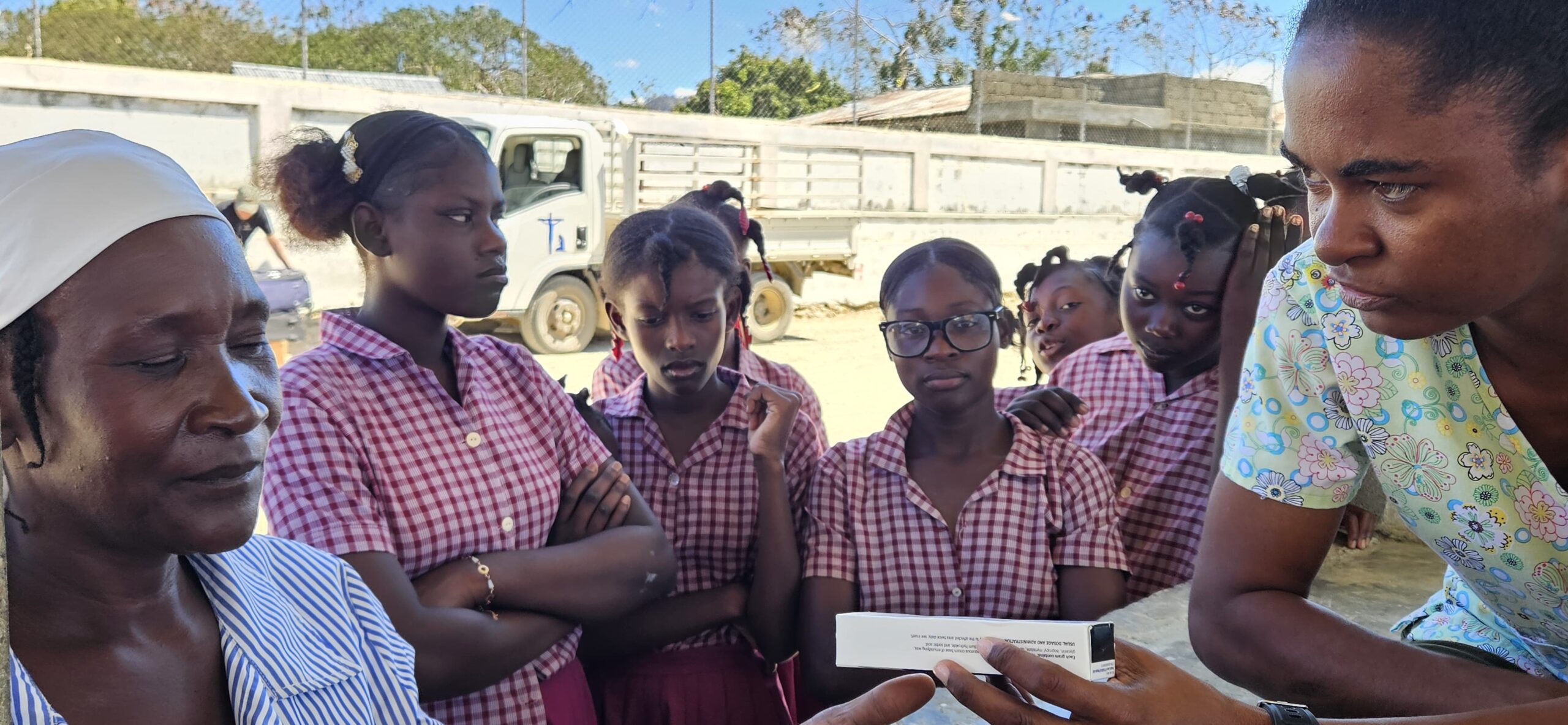
The clinic flow was one of our most successful to date, thanks in large part to the local guards who provided essential translation between Creole and Spanish. Their assistance allowed us to accurately gather vitals and histories for a diverse group of patients. By midday, we had treated 225 individuals. The organization was seamless; we managed to move a large volume of people across the street and through intake with an orderly “snake” line, ensuring that every person was seen without the doctors ever losing momentum.
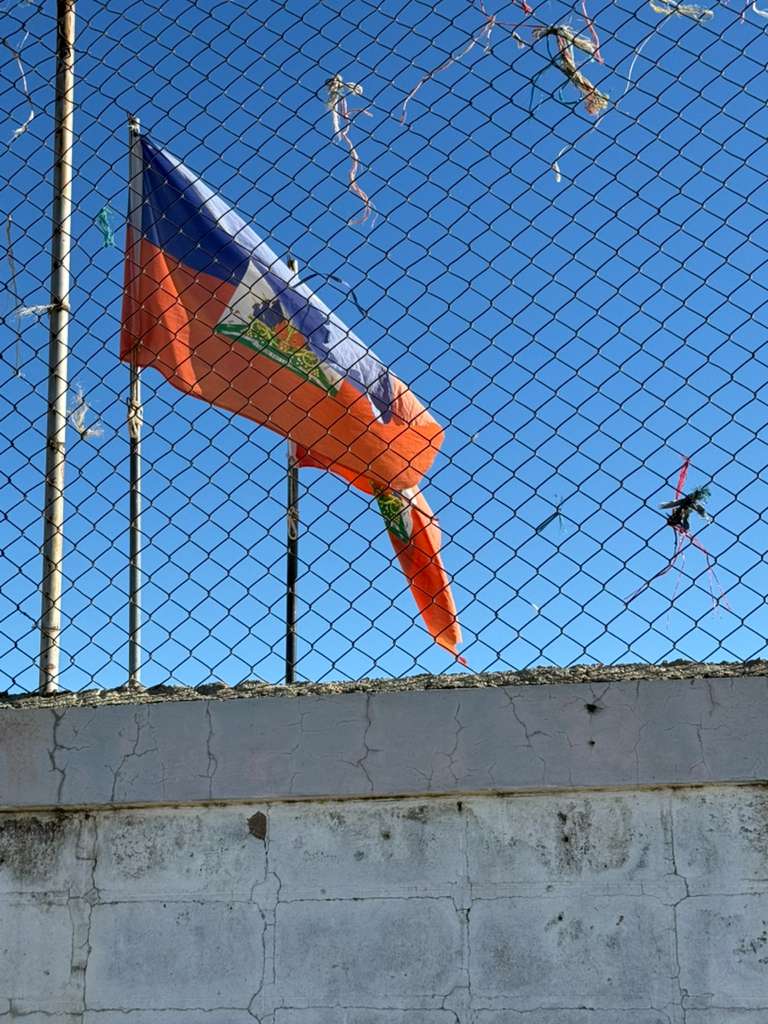
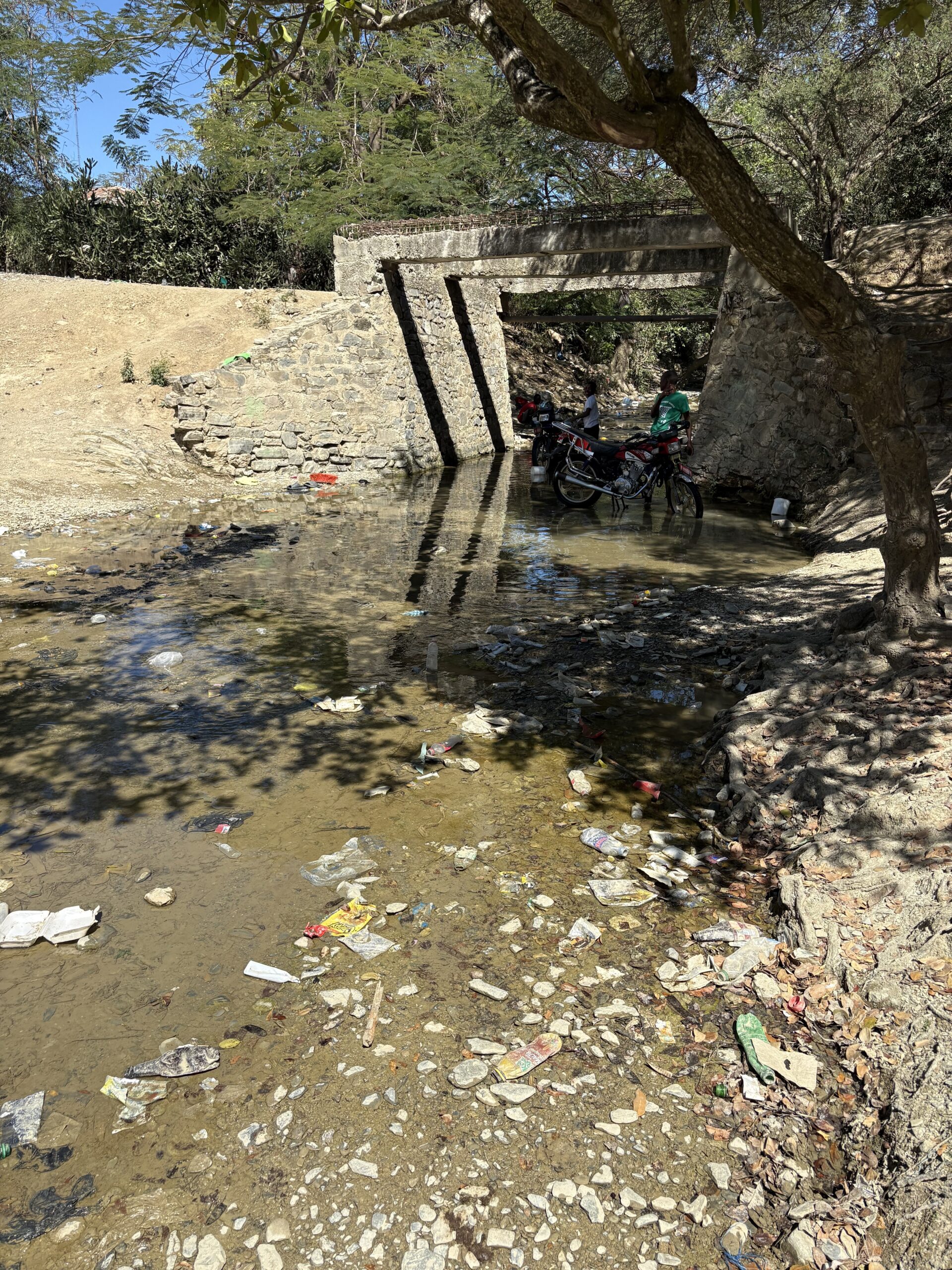
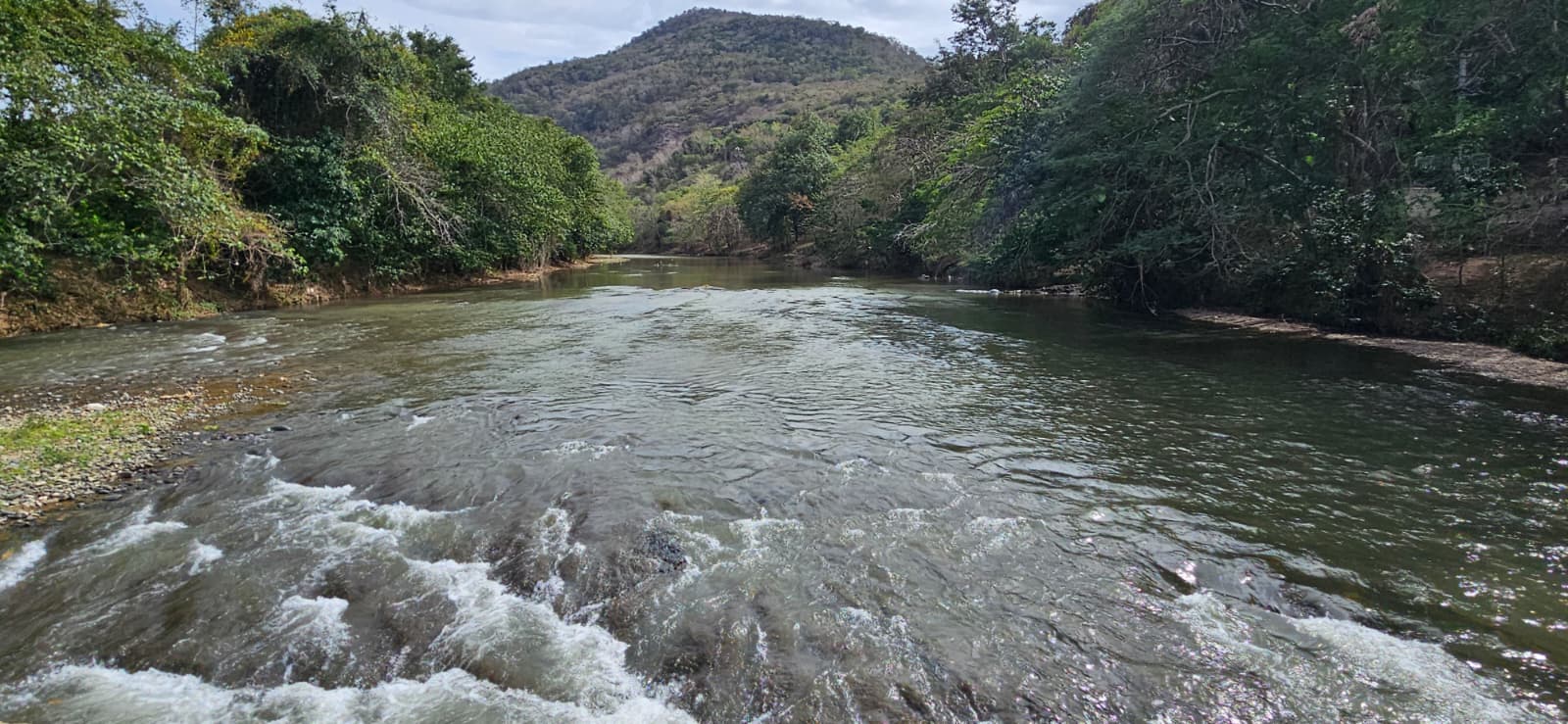
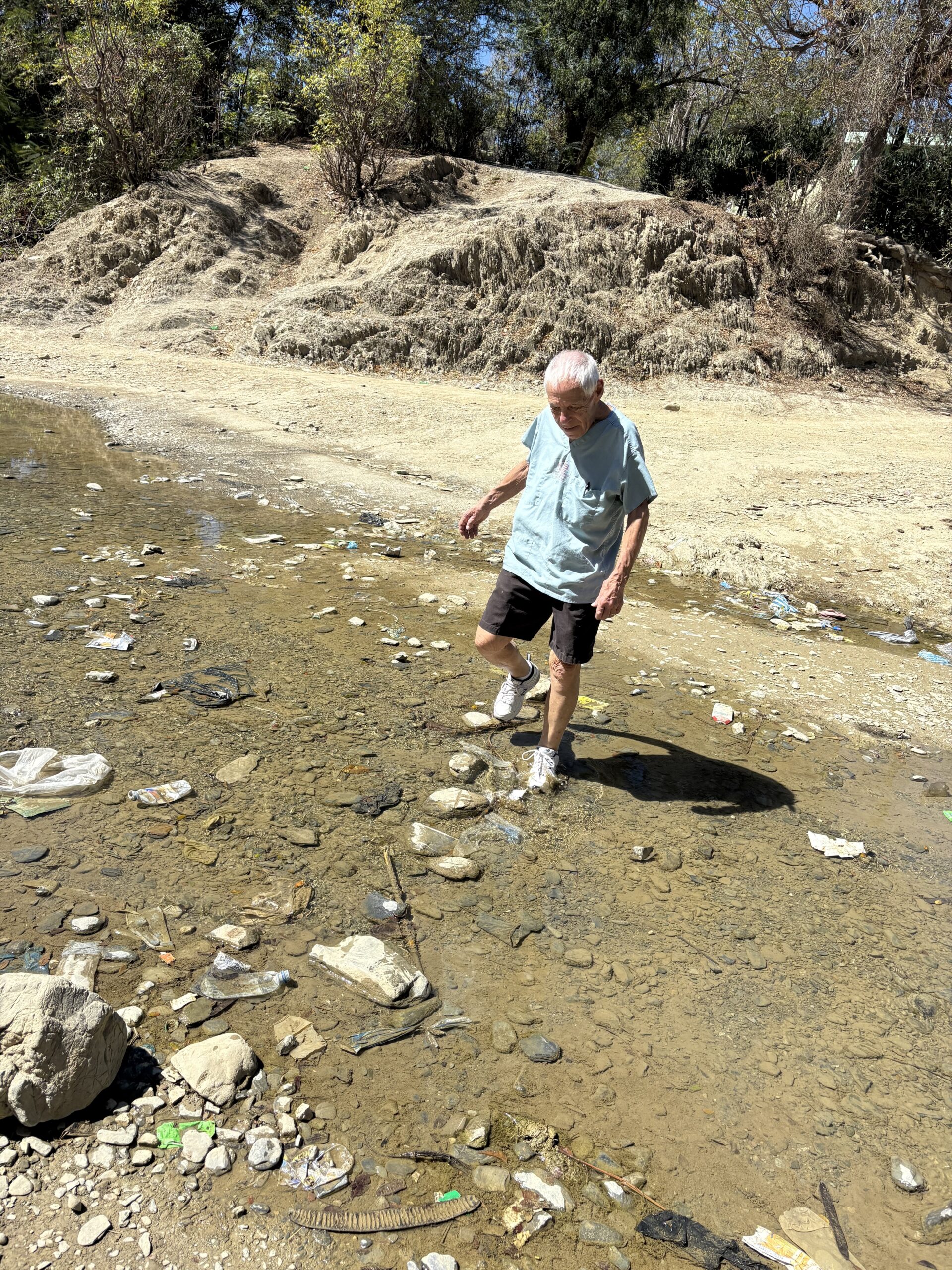
Between sessions, Pete and Dr Bazaco ventured across the border into the Haitian side of Los Cacaos to visit a local clinic. The journey required navigating rugged, rocky terrain, offering a firsthand look at the challenging conditions and the resilience of the people living there. Back at the Center, the afternoon was dedicated to dual tasks: staging the pharmacy for our final clinic day and carefully organizing the rest of the medical supplies and equipment that we would be sending to St. Joseph Clinic in Haiti to support their ongoing healthcare needs.
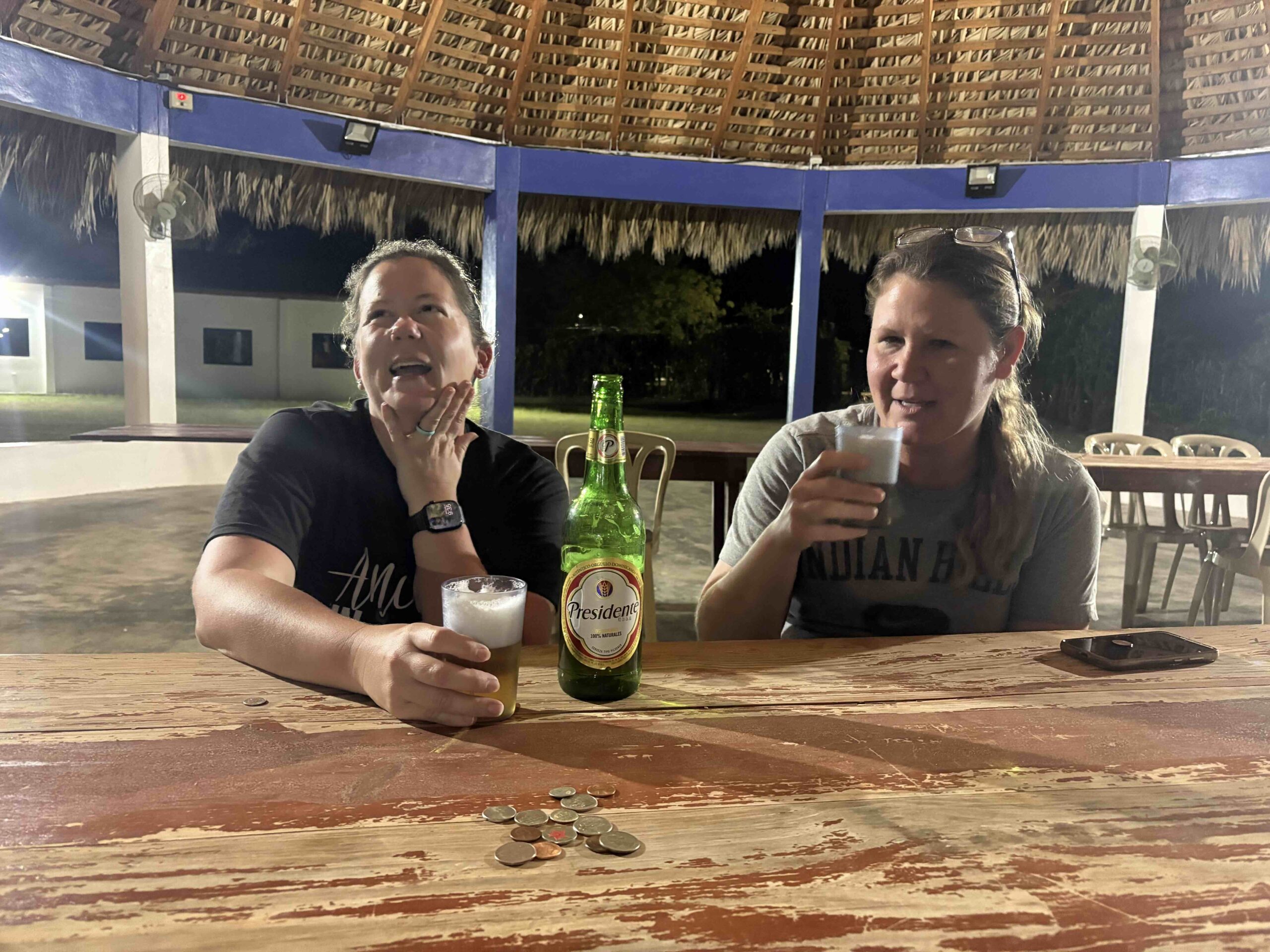
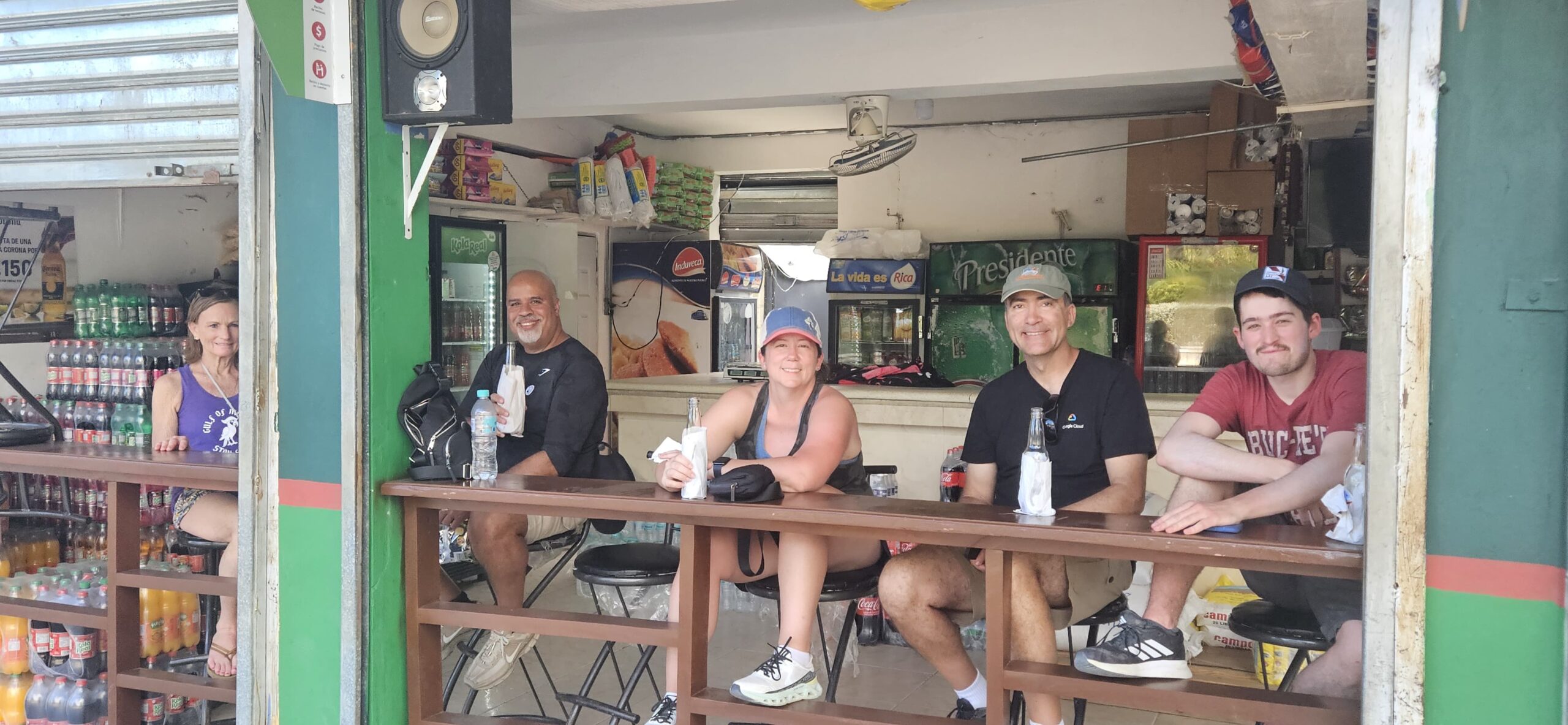
To celebrate a successful day of service, the team took some time to immerse themselves in the local culture. We visited a nearby bodega, where the air was thick with loud music and the sound of spirited domino games. The evening concluded back at the Center with a hearty dinner and a night of card games and laughter. We are ready to head back into Los Cacaos tomorrow for our final push, hopeful for a smooth completion and a successful transfer of supplies.
Feb 5th - Los Cacaos Part 2
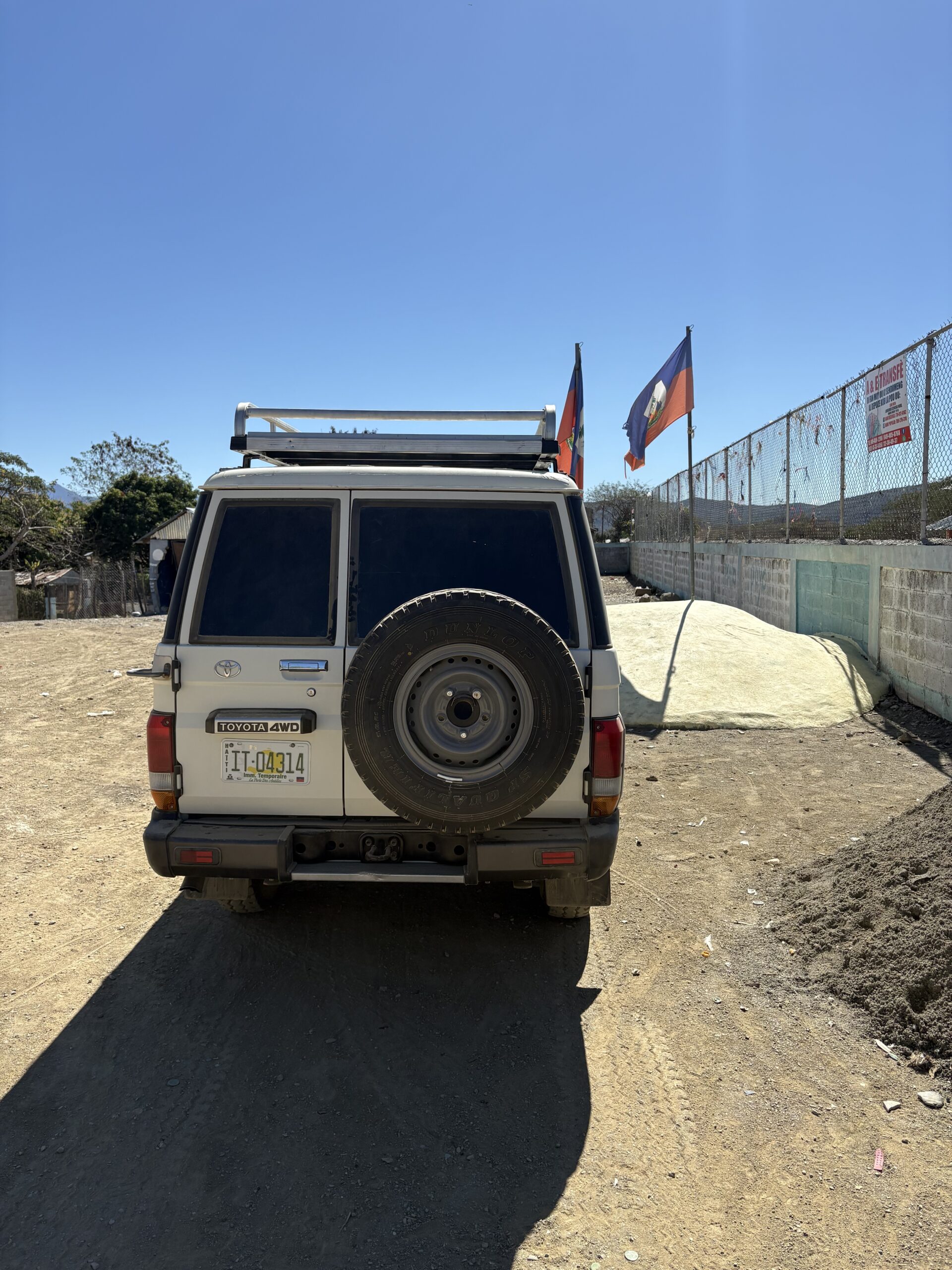
Our final day of clinic work began with a classic “mission life” reminder that things don’t always go as planned—starting with an empty cistern and a morning without running water. After a quick fix and a bit of improvising, the team was fueled, packed, and ready for our return to Los Cacaos. The day was particularly significant as it marked our scheduled rendezvous at the border with Junior, St Joseph Clinic manager from Thomassique, who had been waiting at the bridge since 07:00 to coordinate a major transfer of medical supplies.
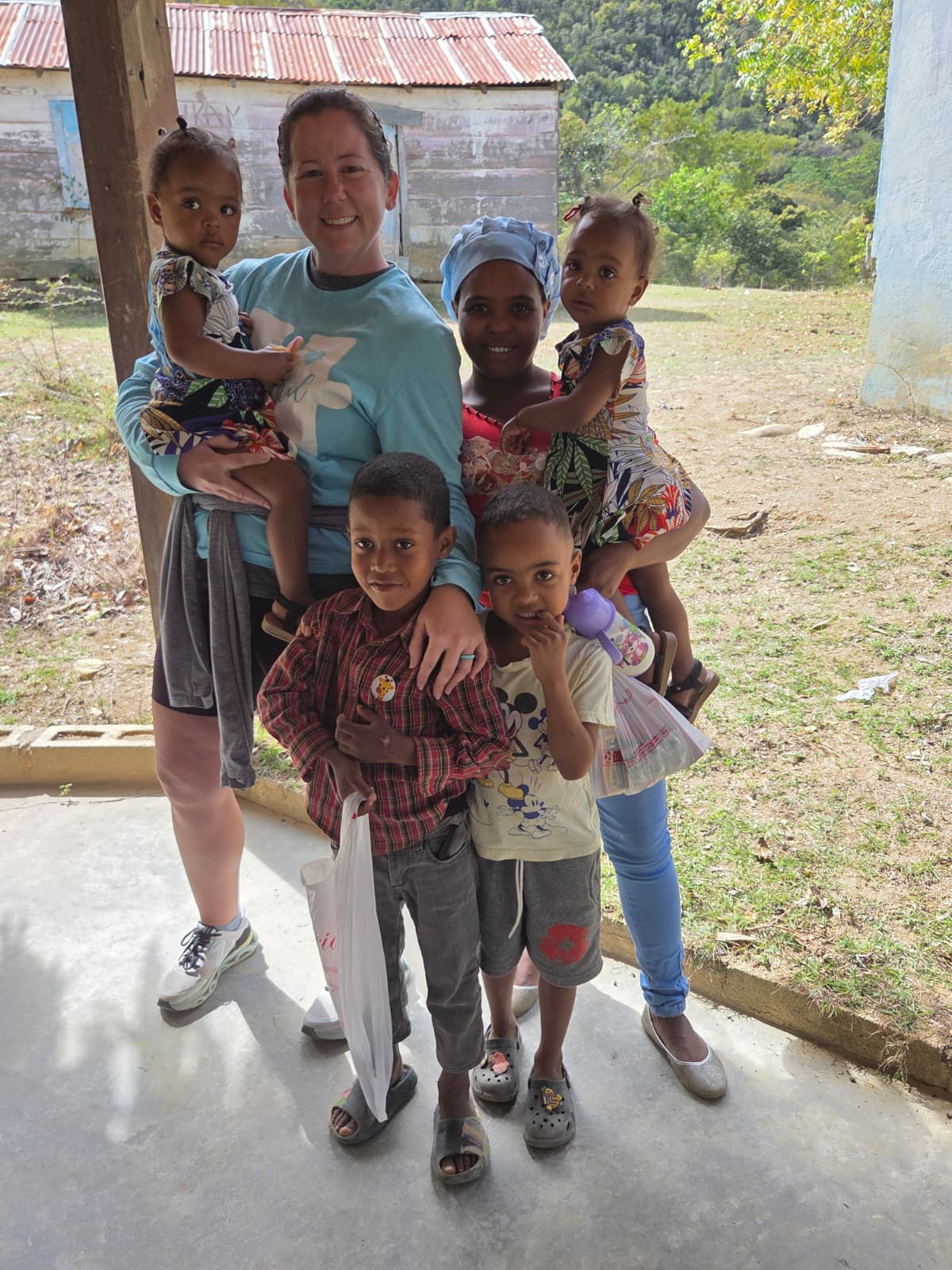
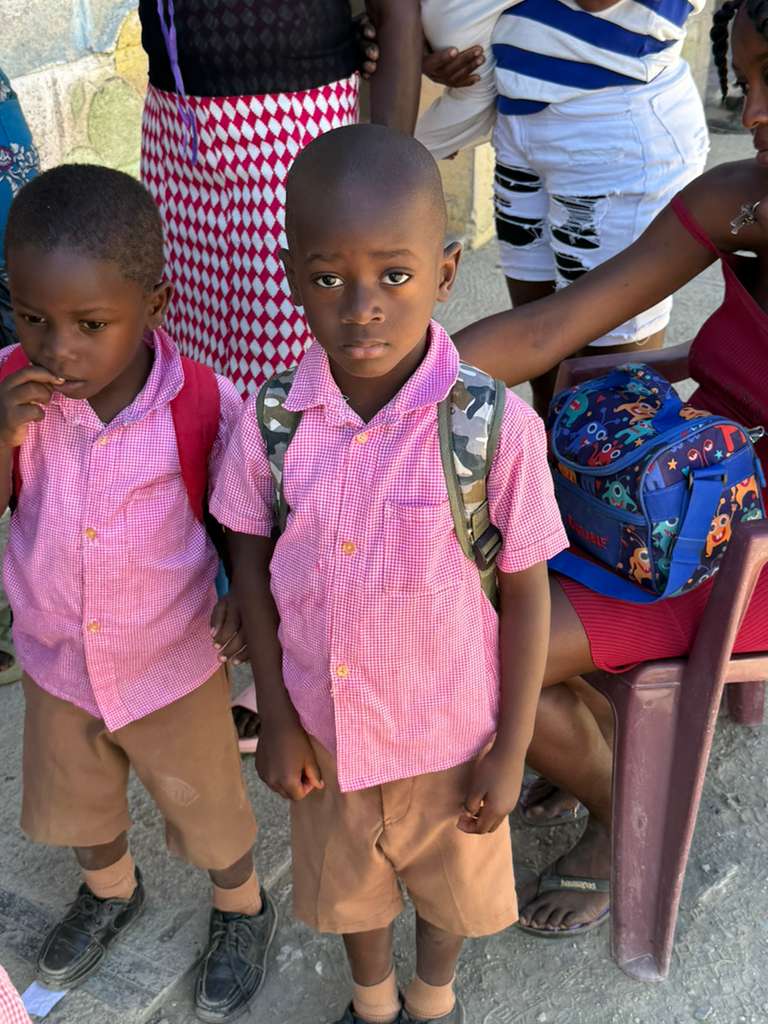
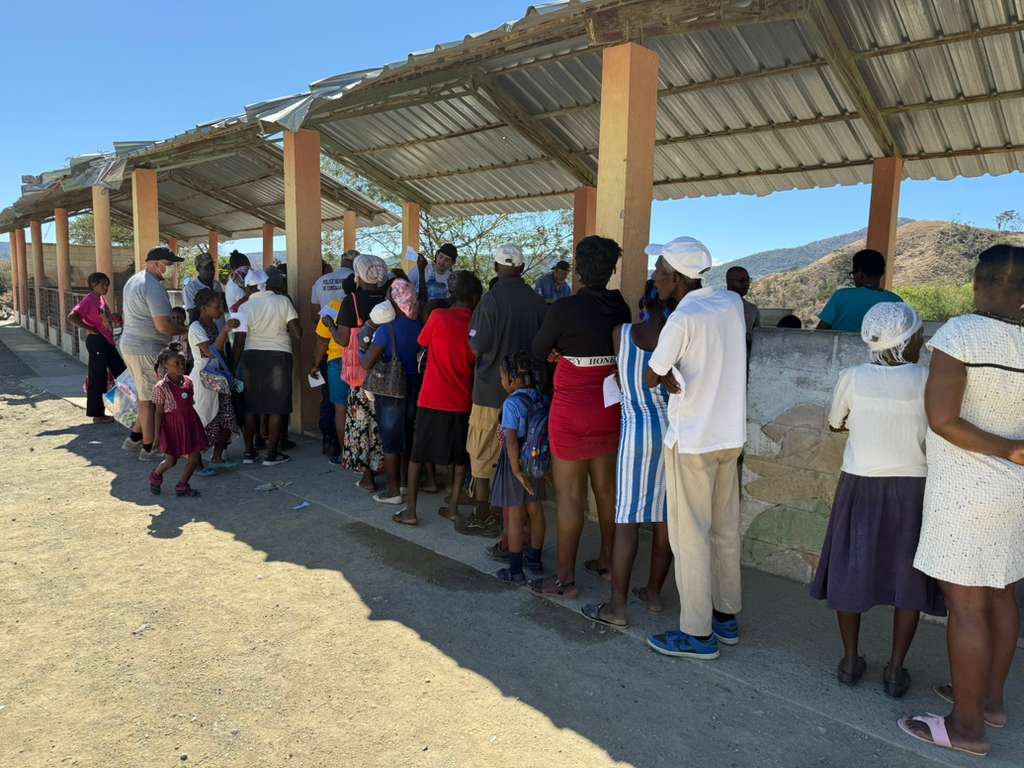
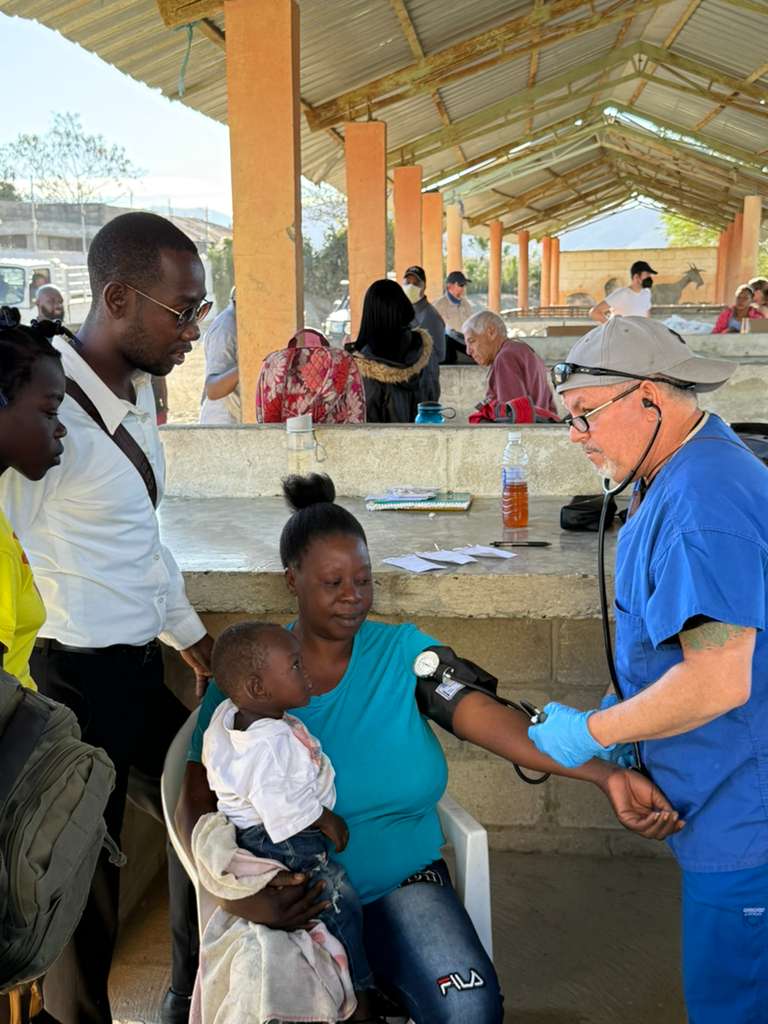
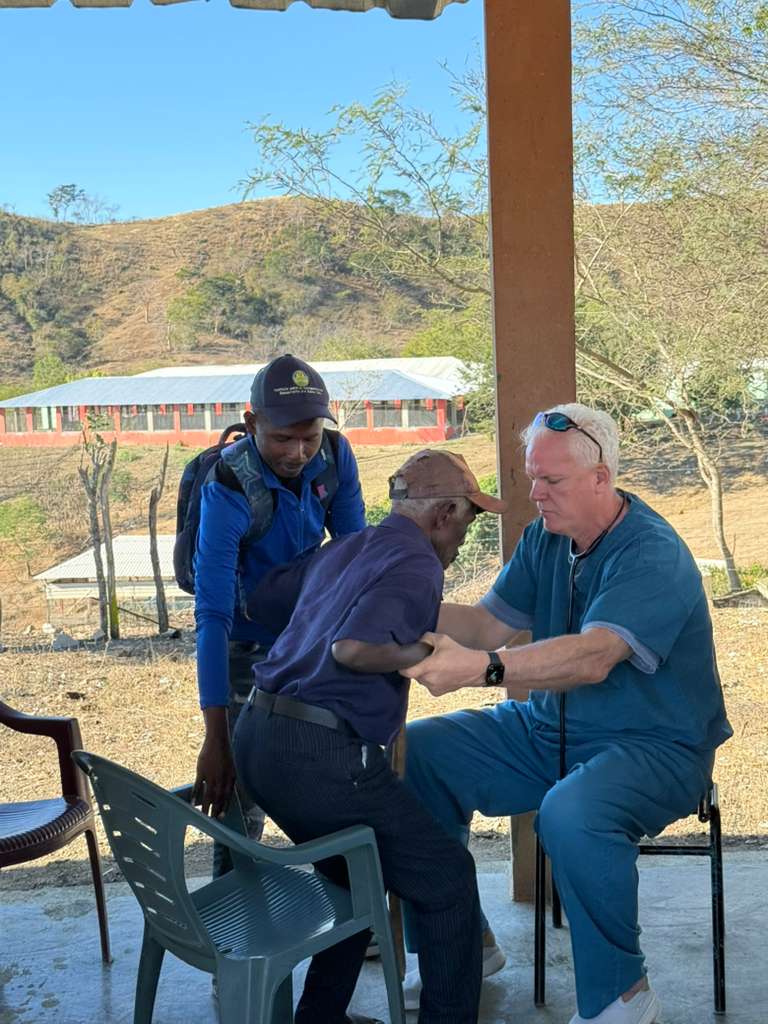
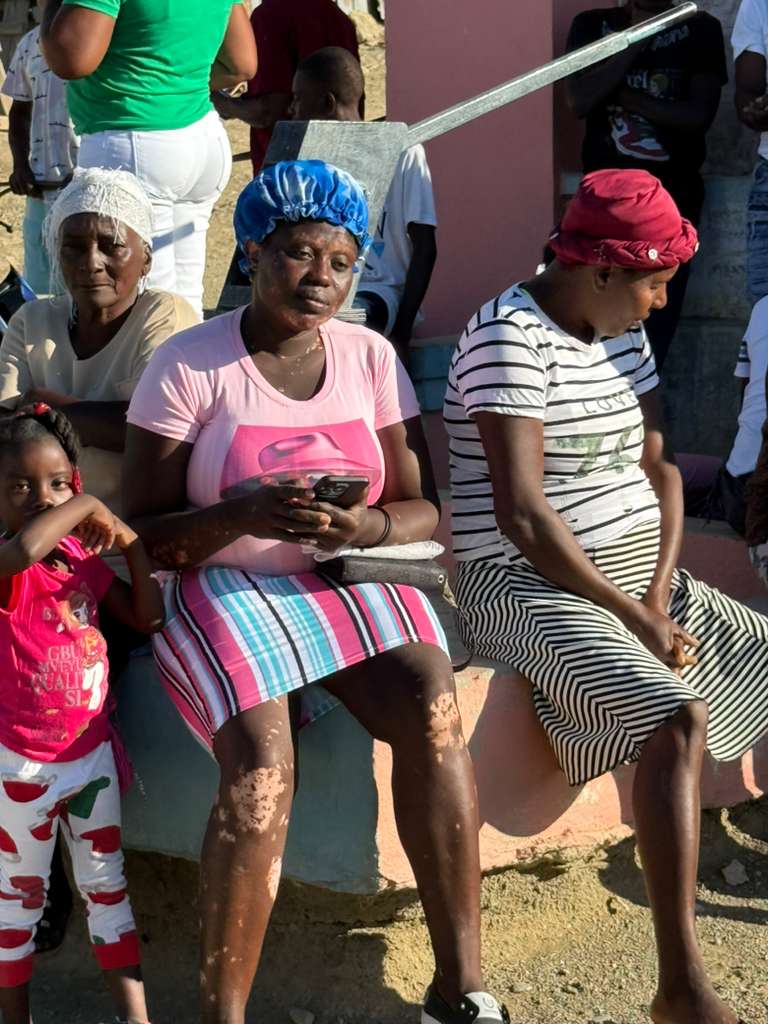
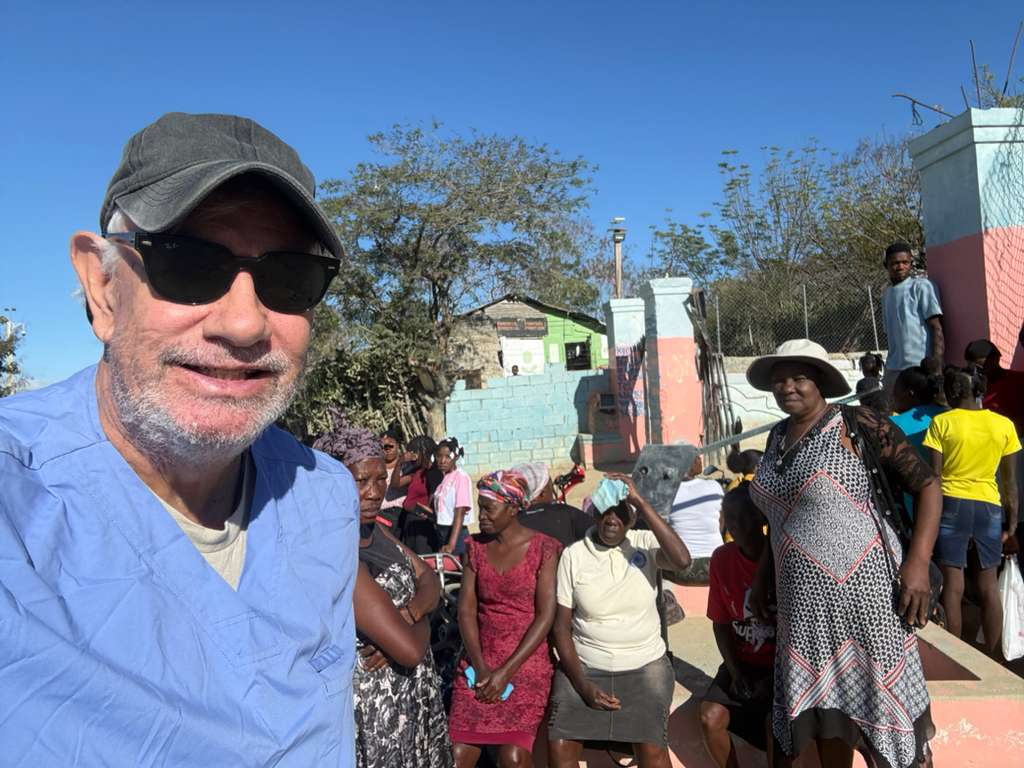
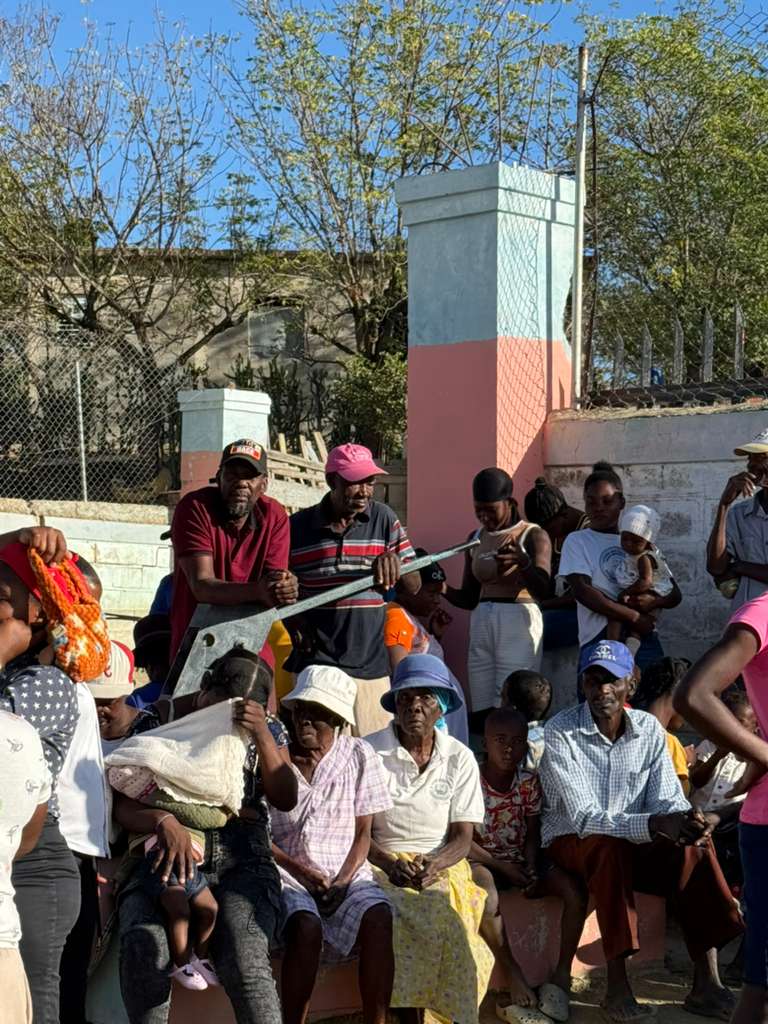
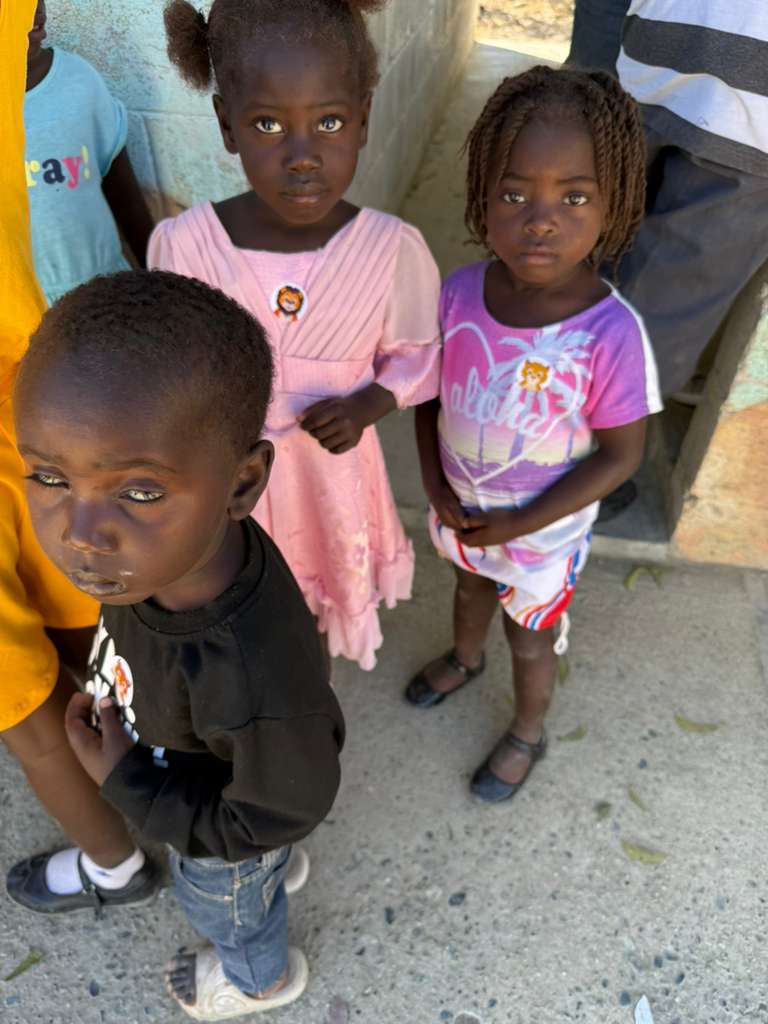
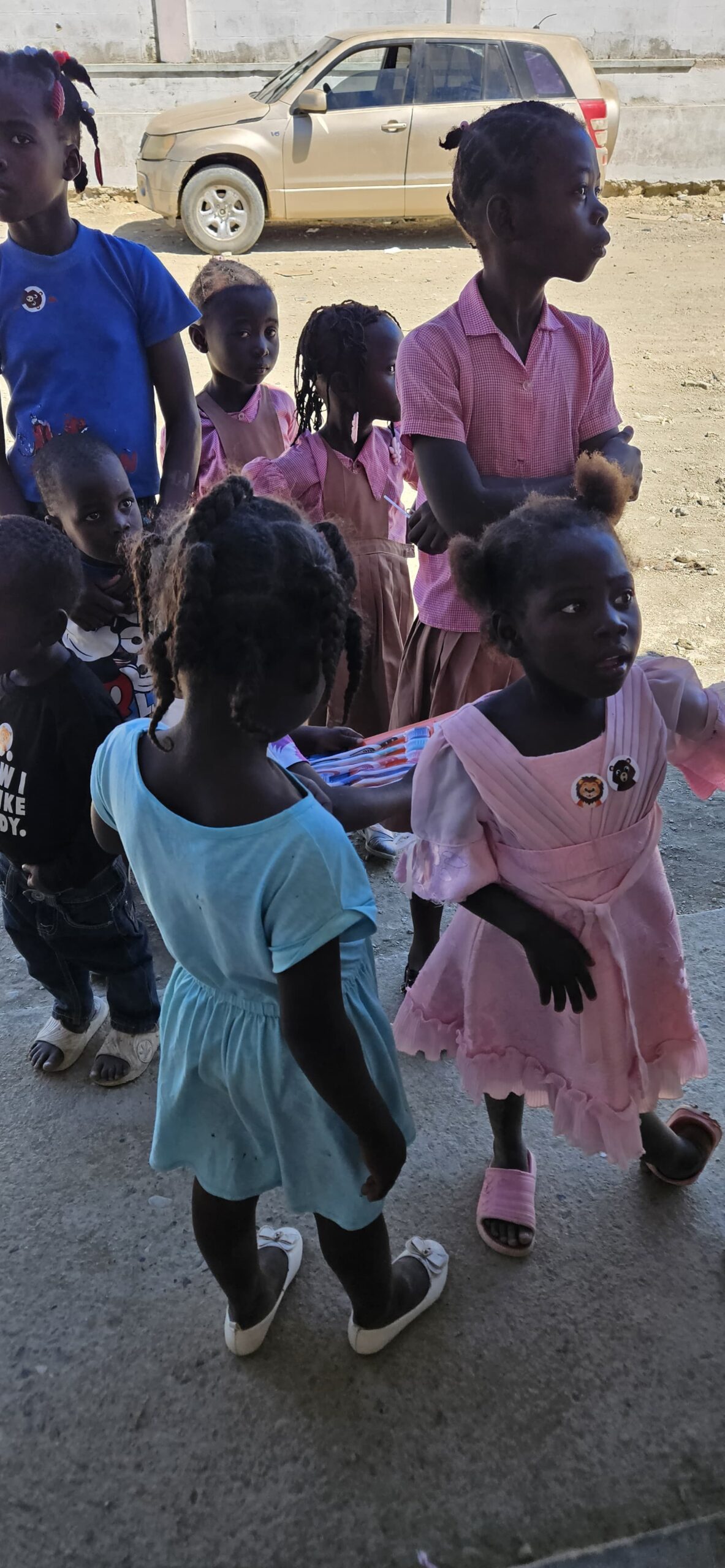
The atmosphere at the marketplace was even more energetic than the day before, with a much larger crowd gathered and eager for care. Logistics were the name of the game: we worked quickly to reorganize the flow, moving patients into the shade and establishing a more efficient queue. Junior and his colleagues became an invaluable part of the team, bridging the communication gap through translation and helping us navigate the intake process. Despite some bottlenecks and the sheer volume of people, the team’s persistence paid off. By the time we closed the doors slightly after noon, we had seen a staggering 320 patients in a single session.
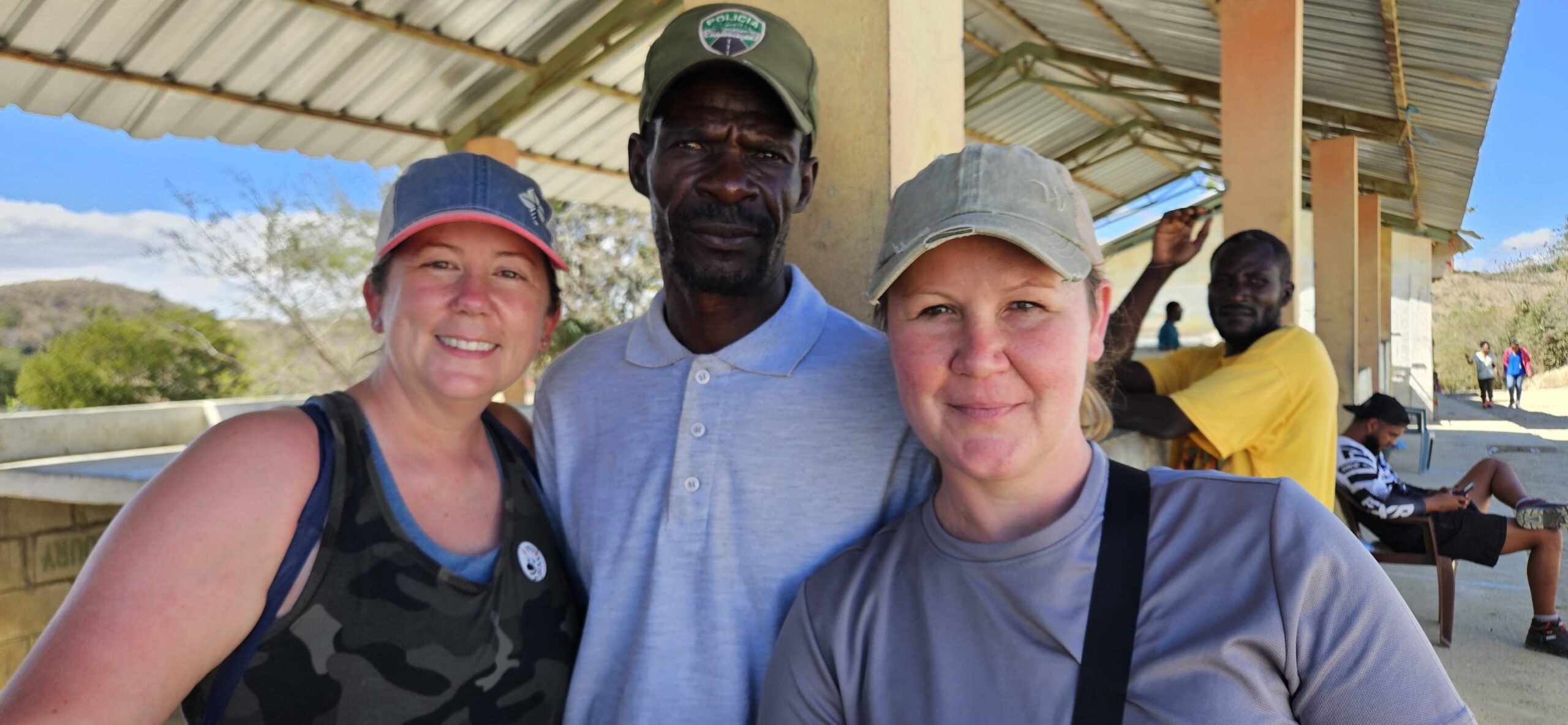
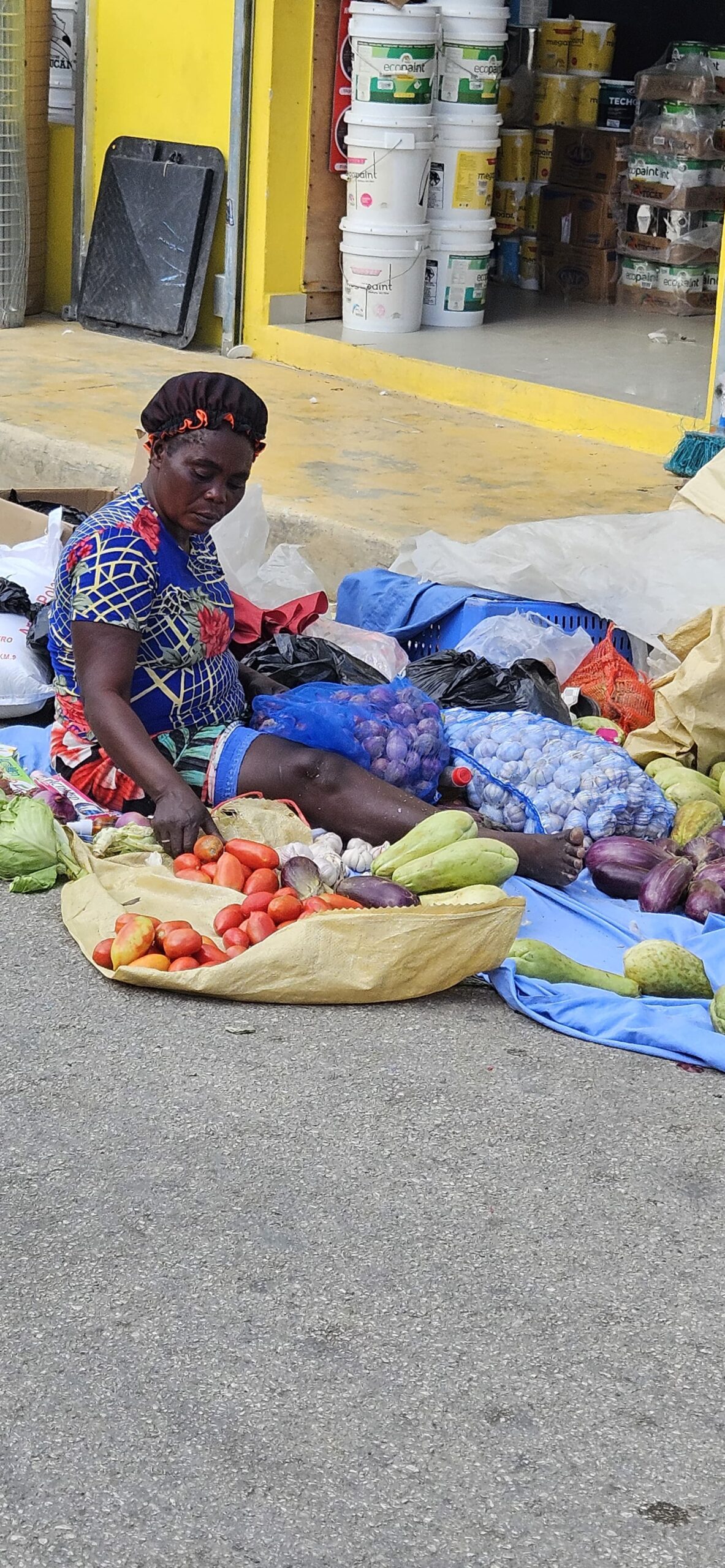
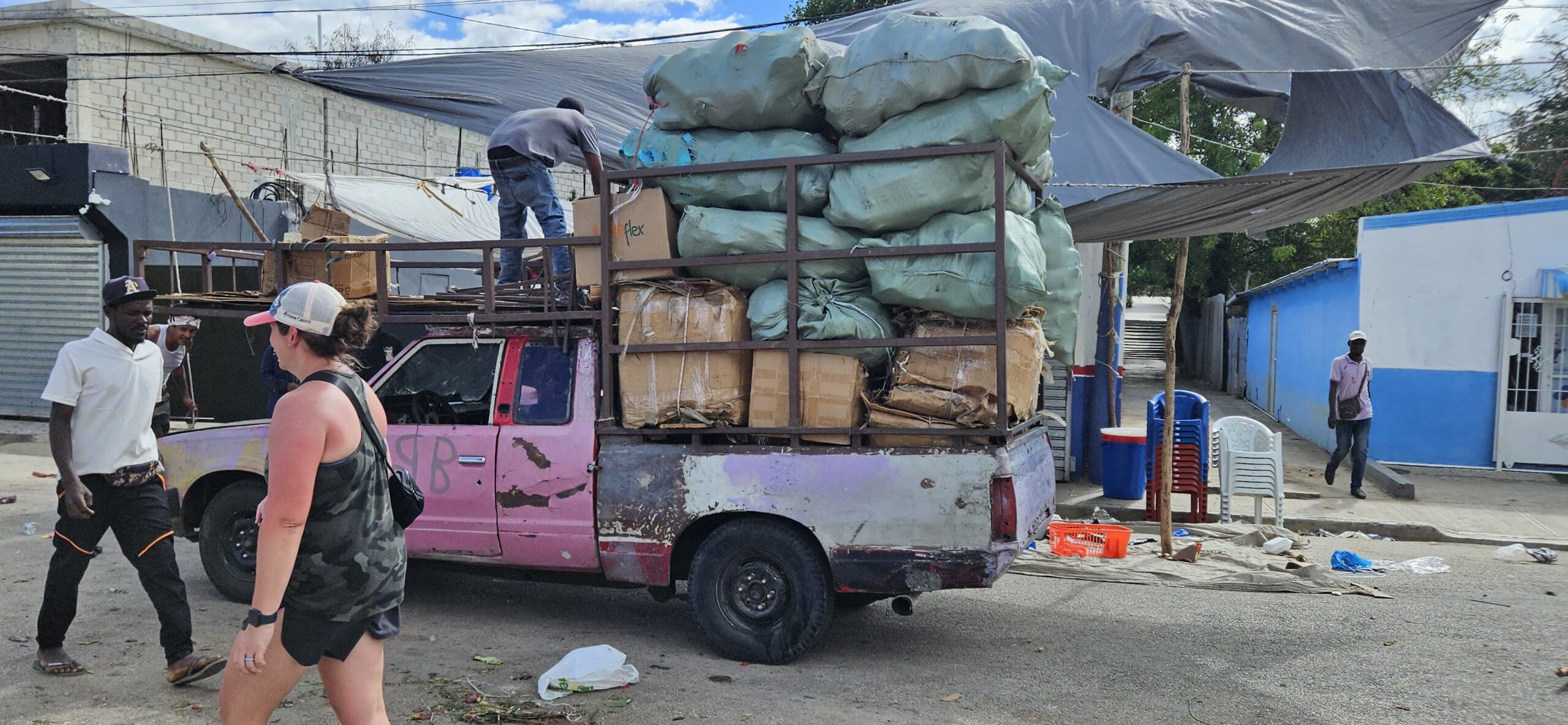
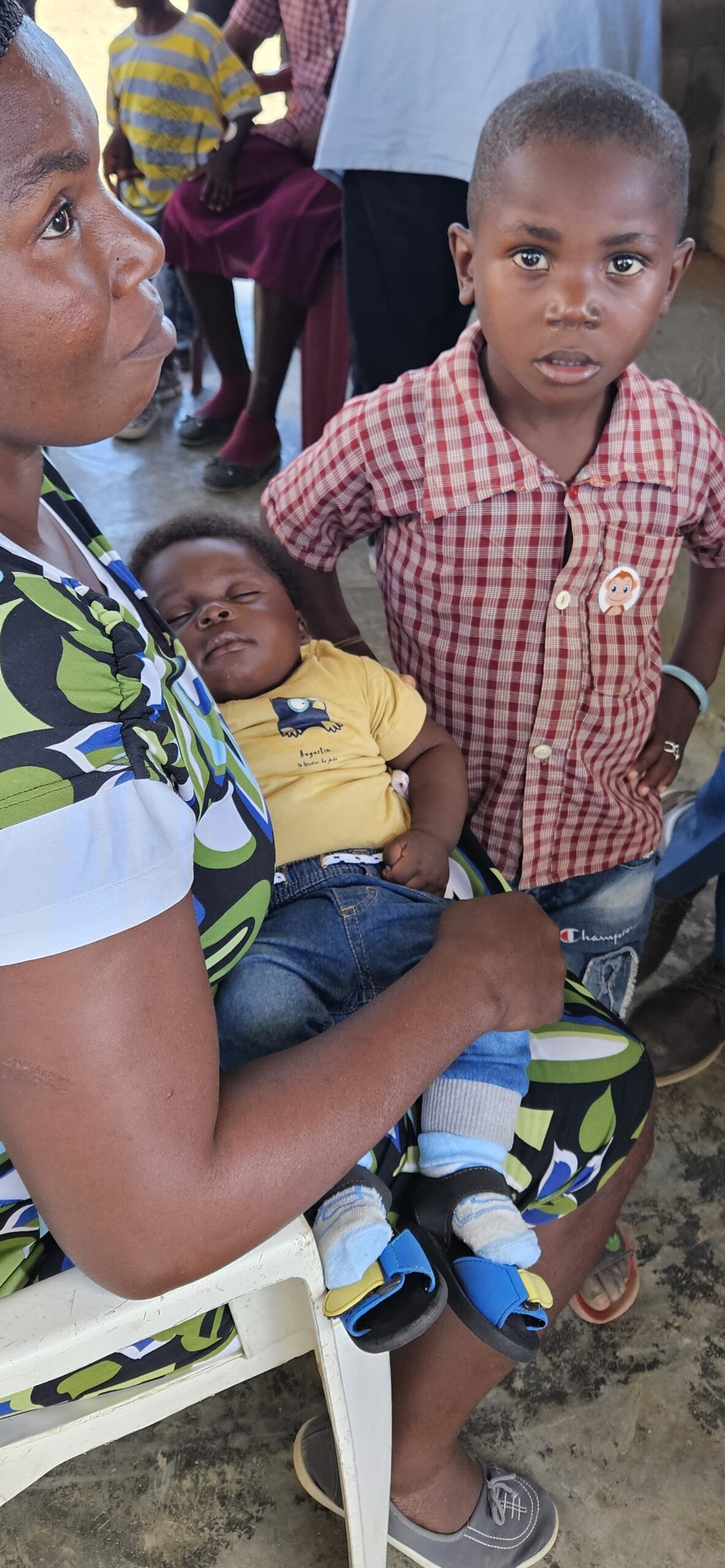
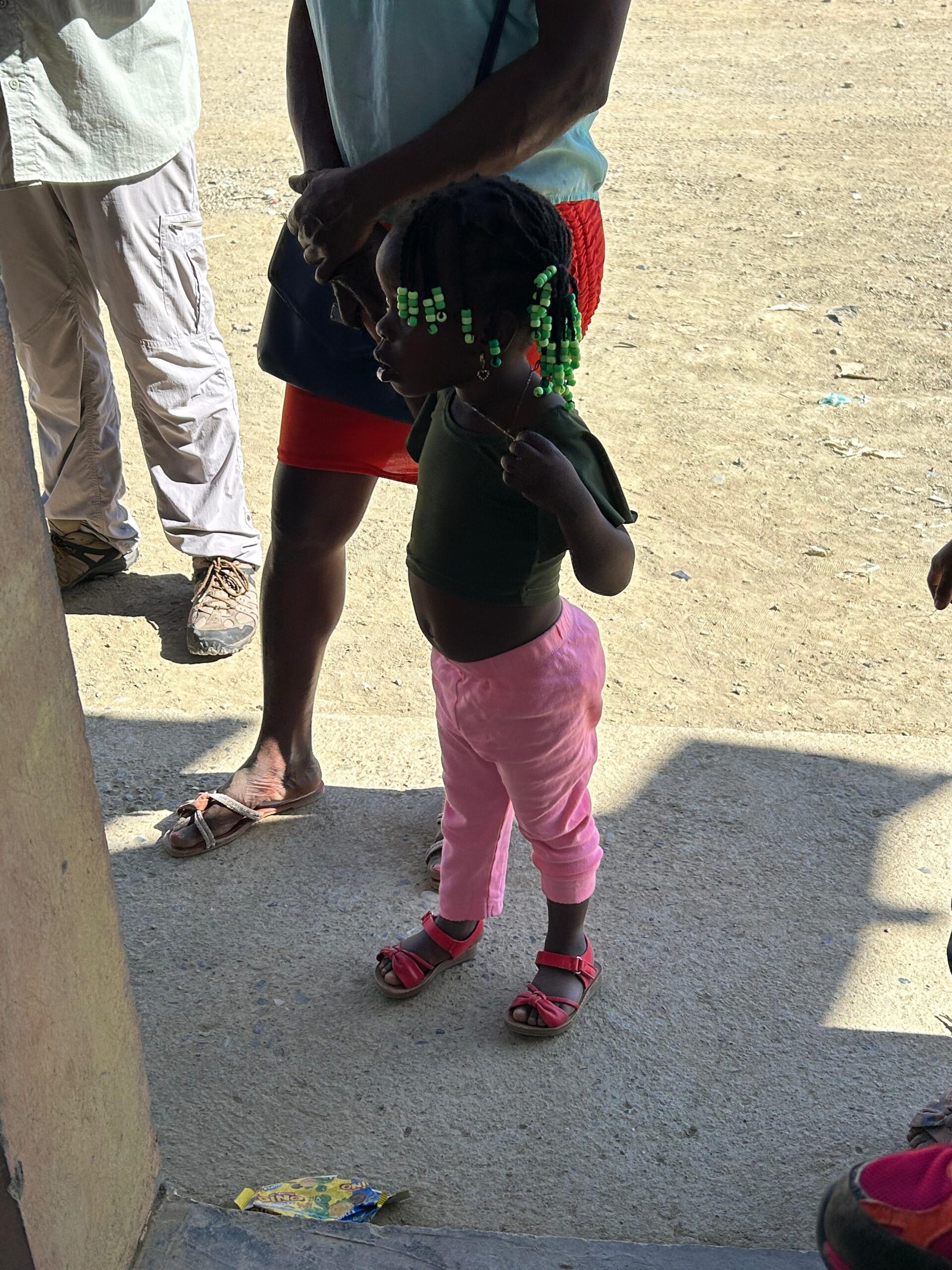
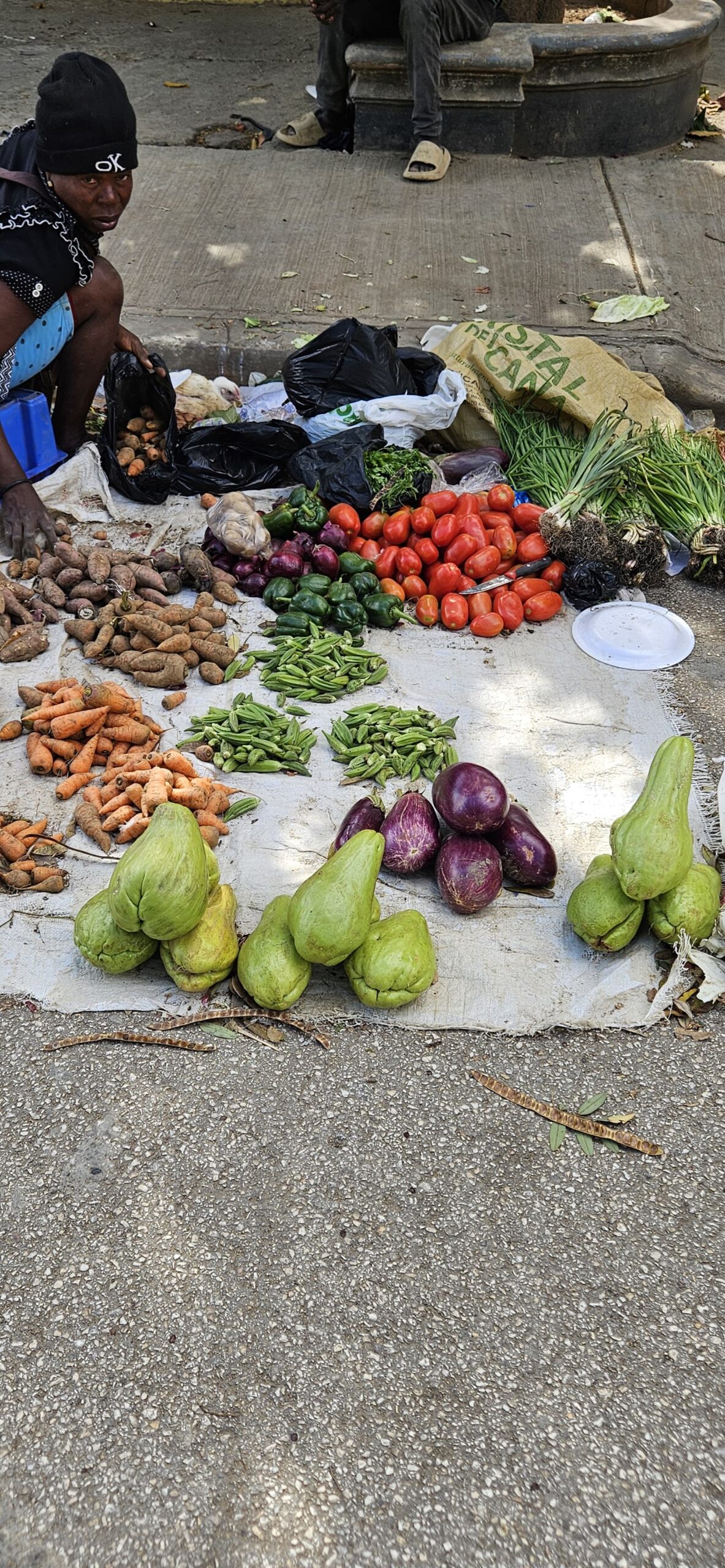
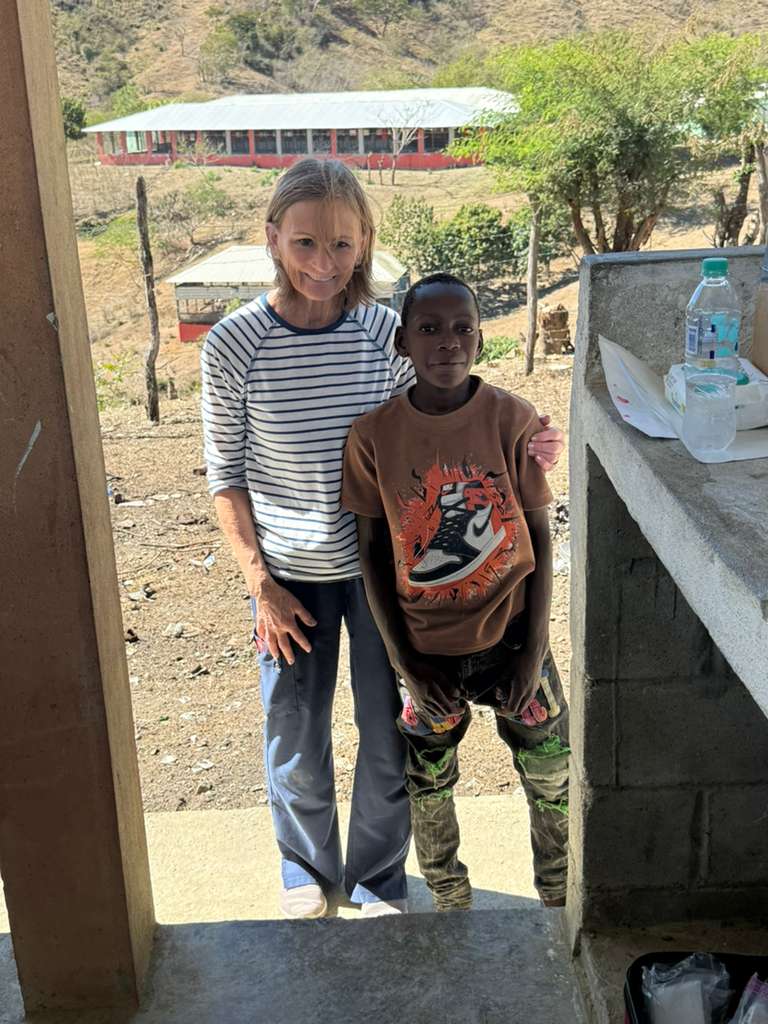
The conclusion of the clinic also marked the successful handover of several suitcases of medications and supplies to Junior for his three-hour journey back to Thomassique. With the heavy lifting done, the team spent a quiet afternoon reflecting on our impact. A walk through the local market in Bánica and a final data-entry session confirmed the magnitude of our efforts: over 1,030 patients served in just six days. We’re heading home with exhausted bodies but full hearts, already brainstorming ways to make our next mission even more effective.
Feb 6th - Back to Santo Domingo
Our final morning in Bánica was a mix of efficiency and nostalgia. The team was packed and ready 15 minutes ahead of schedule, allowing for heartfelt goodbyes to the incredible staff who supported us all week. As we transitioned back toward Santo Domingo, the unique reality of the border region stayed with us through roughly ten military checkpoints. These stops, where officers conduct quick visual inspections for undocumented travel, served as a poignant reminder of the complex regional dynamics we worked within.
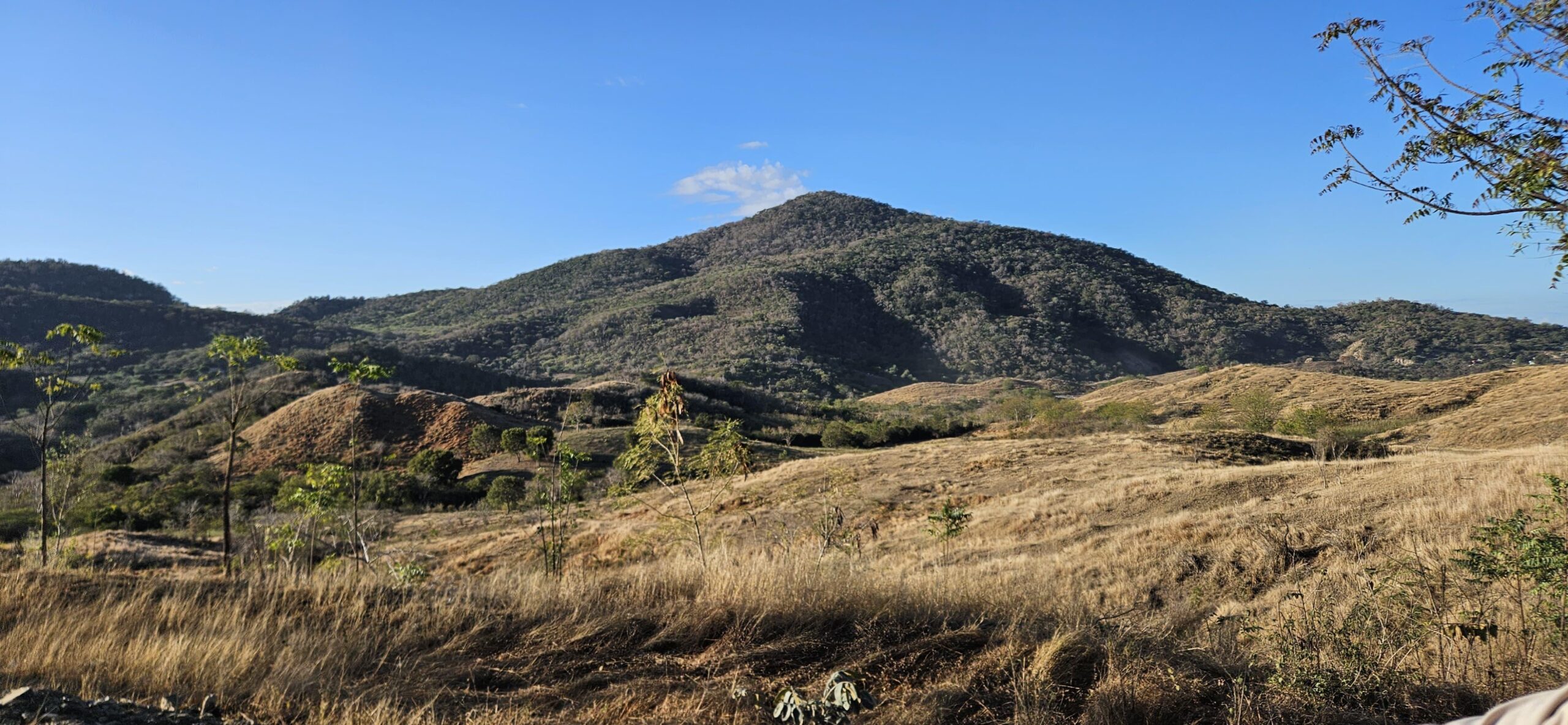
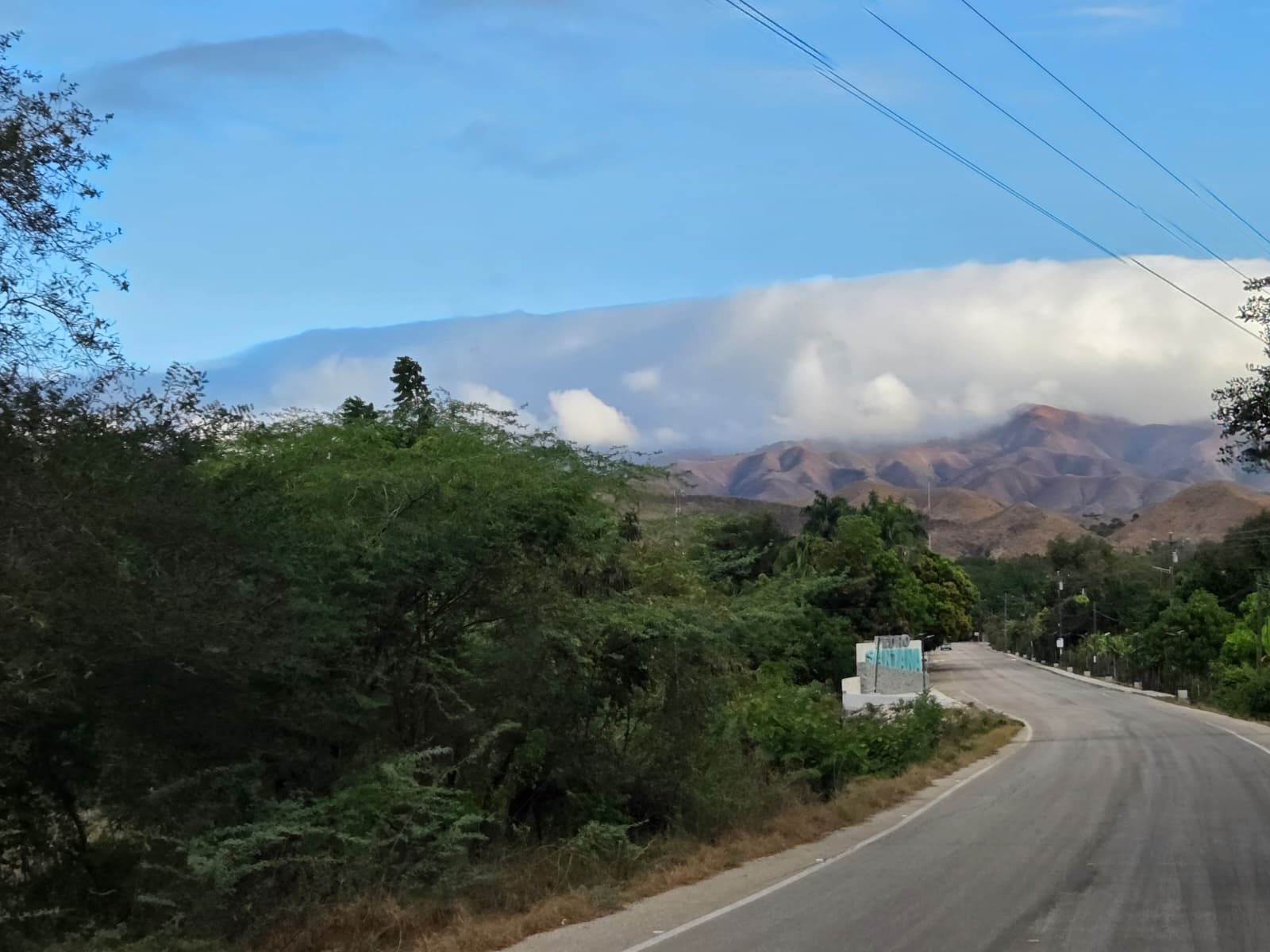
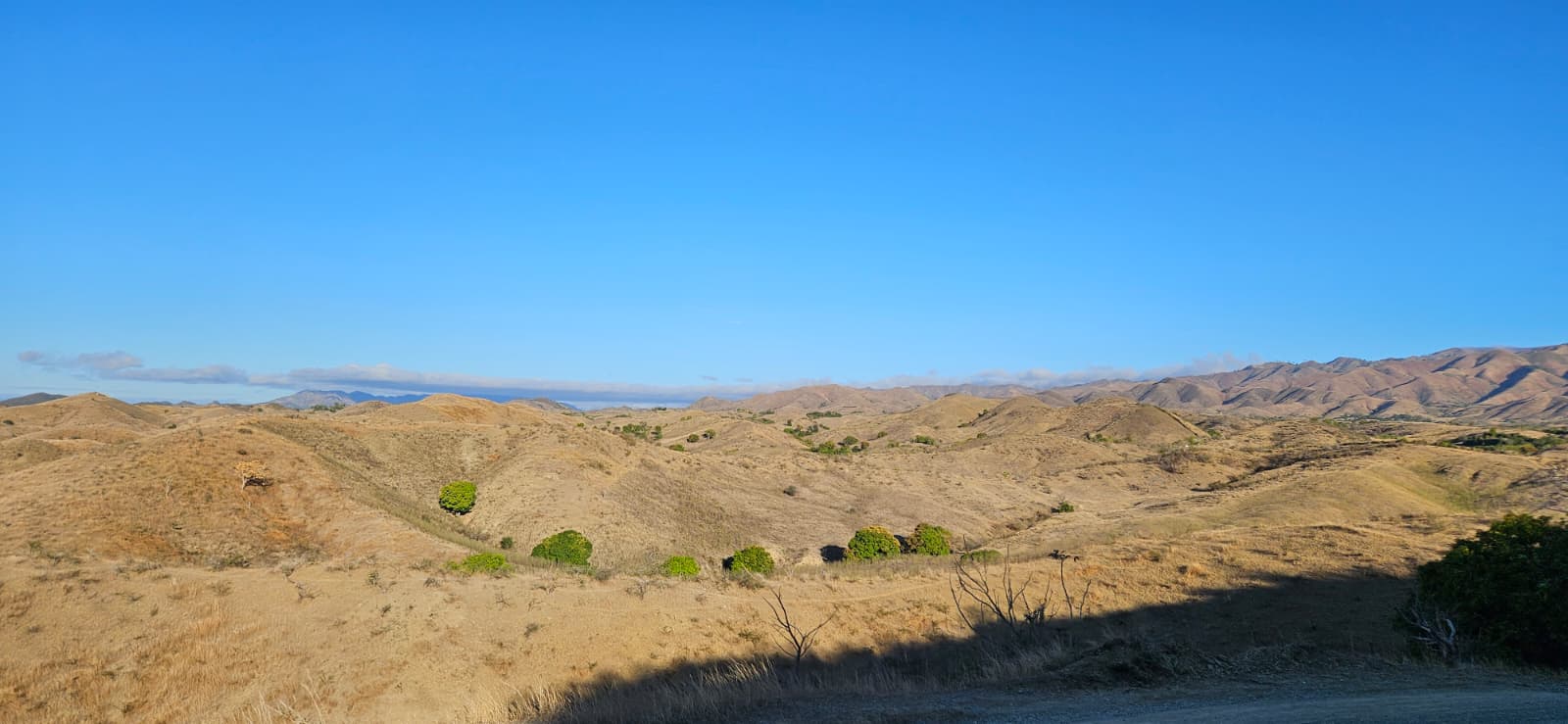
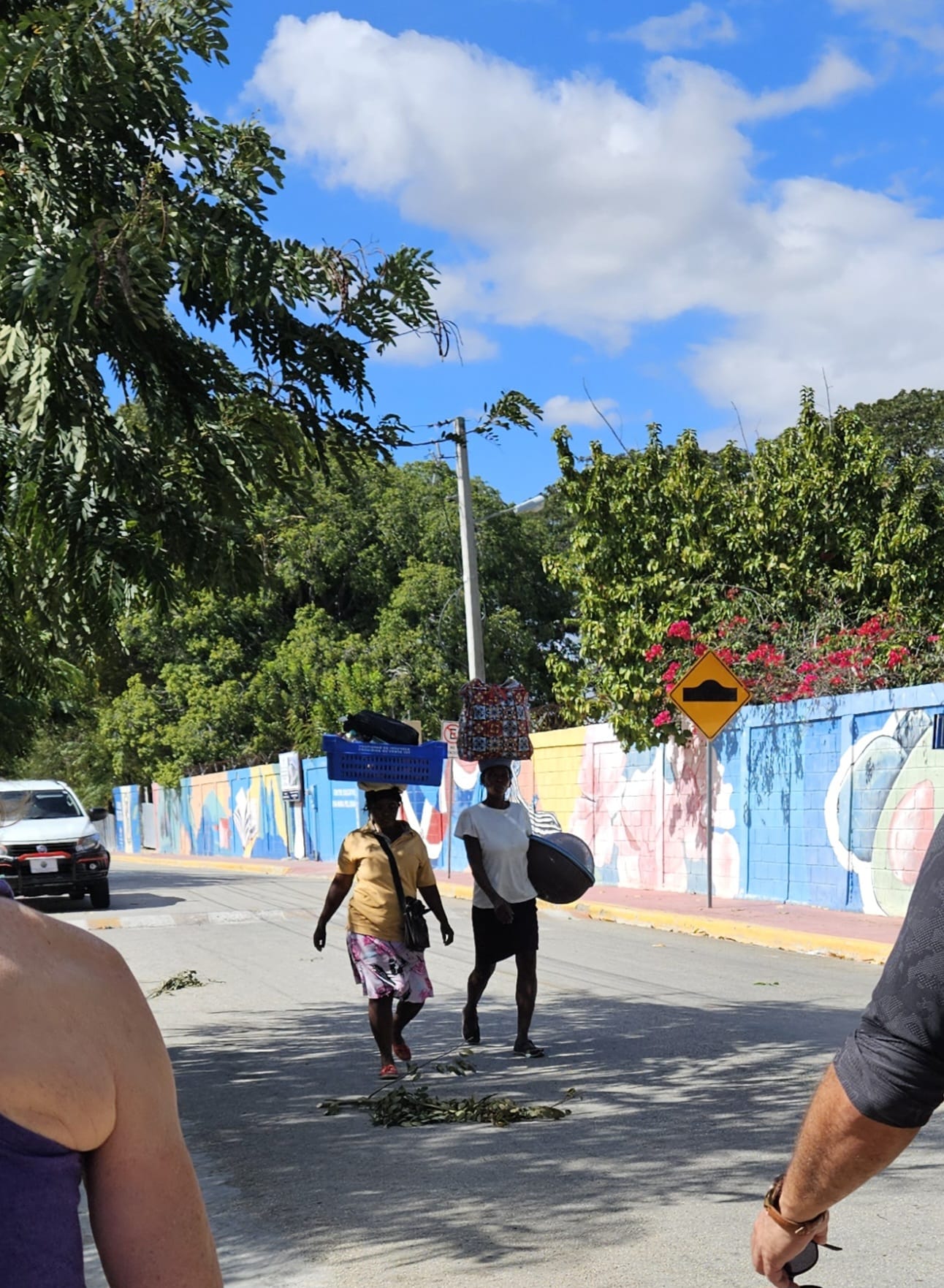
The drive south offered a panoramic view of the Dominican Republic’s diverse geography. We watched the landscape shift from arid, desert-like terrain into lush, green expanses of banana plantations and vegetable crops, eventually passing a massive solar array on the outskirts of the capital. While the roads have improved significantly over the years, the scenery remains a patchwork of quiet, rustic villages and bustling, modern towns.
Of course, no trip to the capital is complete without experiencing the local driving culture. Our driver took “efficiency” to a new level, navigating the four-hour journey with a heavy hand on the horn and a daring approach to lane changes. From backing up on a divided highway to catch a missed turn to the chaotic “nose-first” logic of traffic, it was a high-energy reminder that driving here is an art form—albeit one that leaves most cars with a few dents and travelers with plenty of stories!
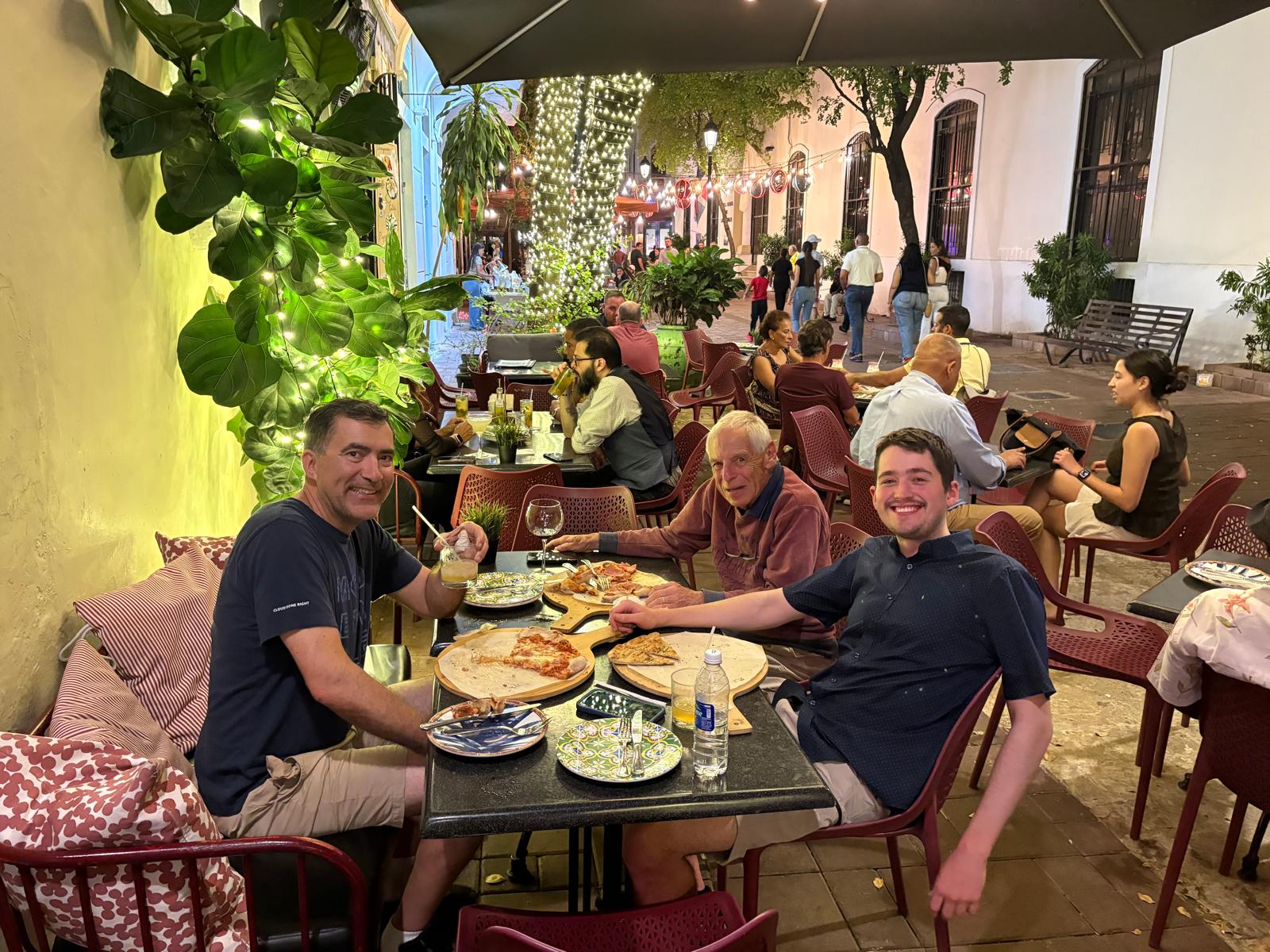
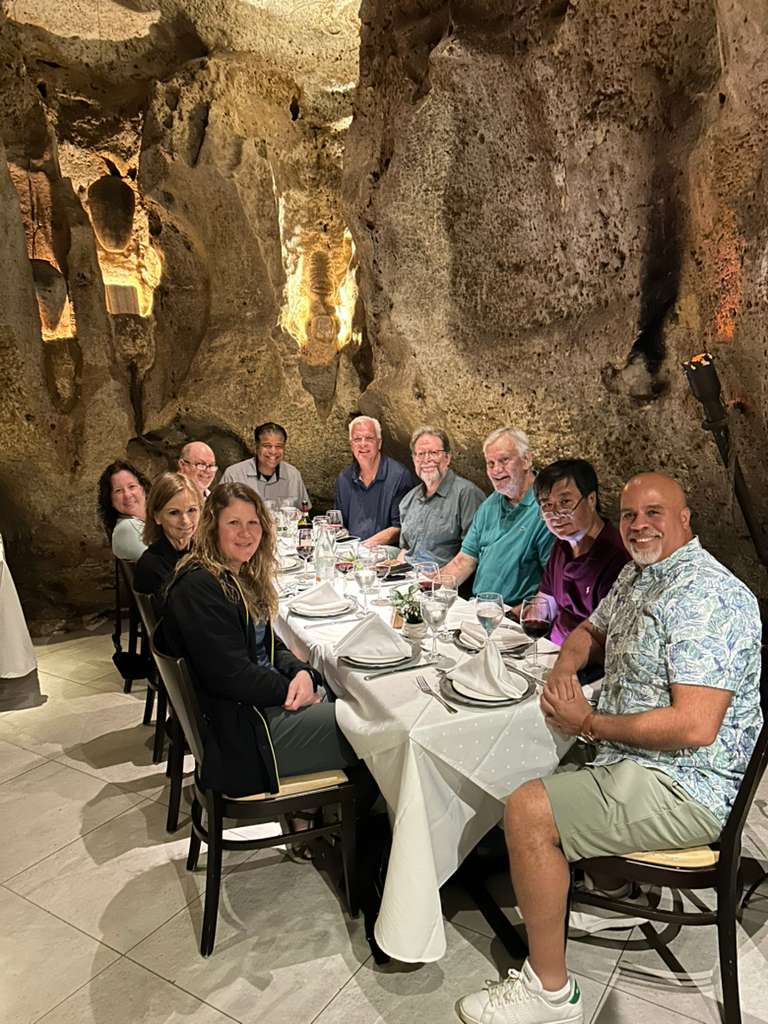
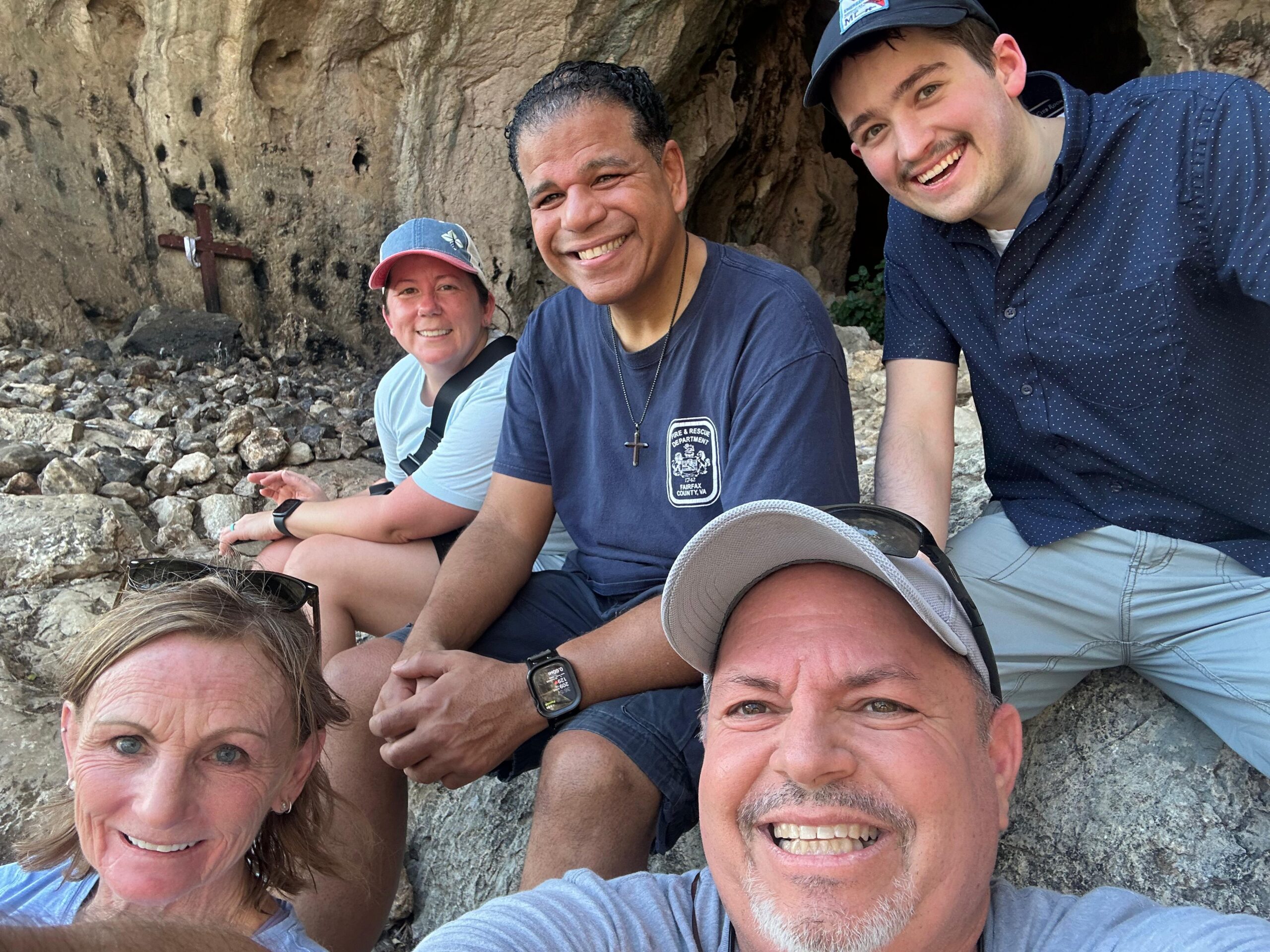
Upon arriving at our hotel, the team enjoyed the simple luxury of a shower before heading out to explore. The afternoon was spent wandering the historic streets of Santo Domingo, hunting for souvenirs and soaking in the local sights. We capped off the mission with a celebratory evening; while some stayed local, much of the group gathered for a final dinner at El Mesón de la Cava—a stunning restaurant built directly into a natural cave—to toast to a successful and exhausting week of service.